
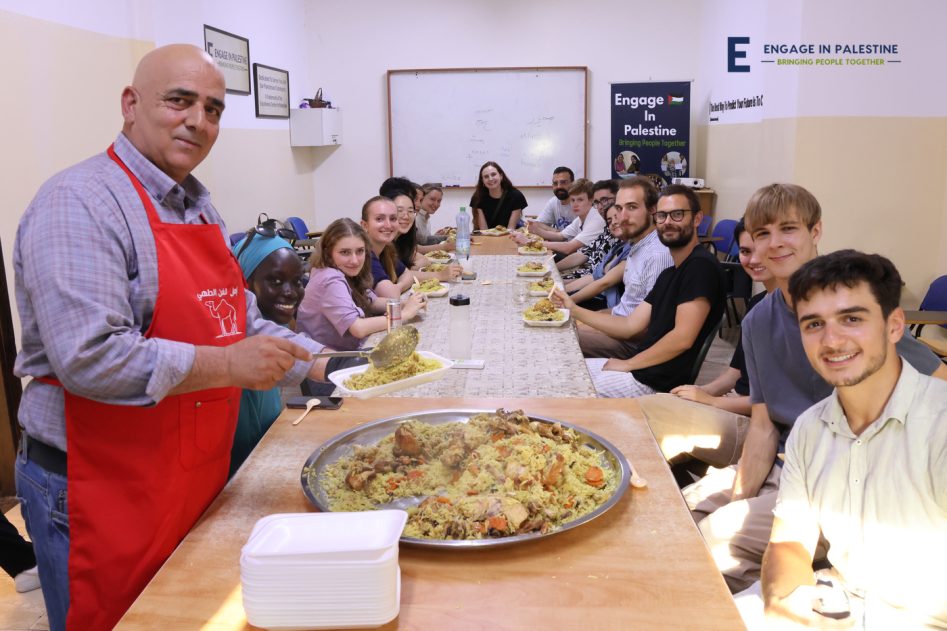
Local customs & etiquette
Welcome! Palestinians are known worldwide for their warm hospitality (diyafa). We love welcoming guests, and respecting a few simple customs will make your visit even more enjoyable and meaningful.
1. Greetings & Personal Interactions
Greet people with “Marhaba” (hello) or “As-salamu alaykum” (peace be upon you). Reply with “Wa alaykum as-salam”.
Men usually shake hands with men. Close friends or family may greet with a kiss on each cheek (start with the right).
Women greet women similarly. Between opposite genders, a warm smile and nod is safest unless the person offers a handshake first.
Always use your right hand for greetings, giving/receiving items, and eating.

2. Hospitality & Home Visits
If invited to a home, bring a small gift (sweets, flowers, or dates).
You will be offered Arabic coffee (qahwa) or tea — accept at least one cup as a sign of respect. It is polite to say “daiman” (always) when finished.
Expect generous food offers. Saying “no” too firmly can seem rude — try a little, then say “Shukran, ana shab’an” (Thank you, I’m full).
Remove your shoes when entering a home.
3. Dress Code & Modesty
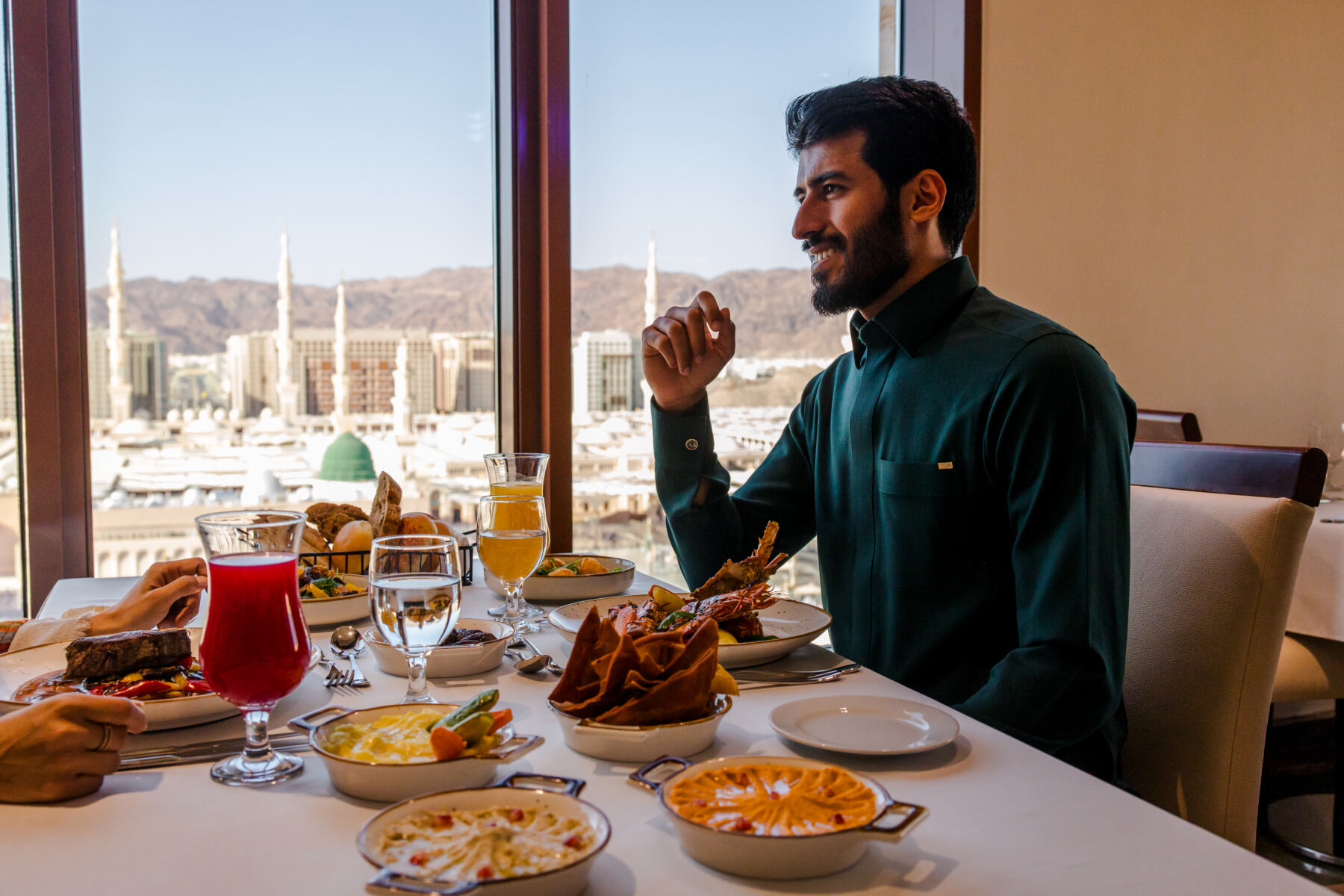
Both men and women should dress modestly, especially when visiting religious sites (churches, mosques).
Women: Cover shoulders, knees, and cleavage. A light scarf is useful (and sometimes required). Many local women wear hijab, but tourists are not expected to.
Men: Avoid shorts and tank tops in conservative areas or holy places.
At beaches or modern cities like Ramallah, more relaxed clothing is fine.

4. Dining Etiquette
Eat with your right hand only (the left hand is traditionally for hygiene).
Compliment the food — hosts are proud of their cooking!
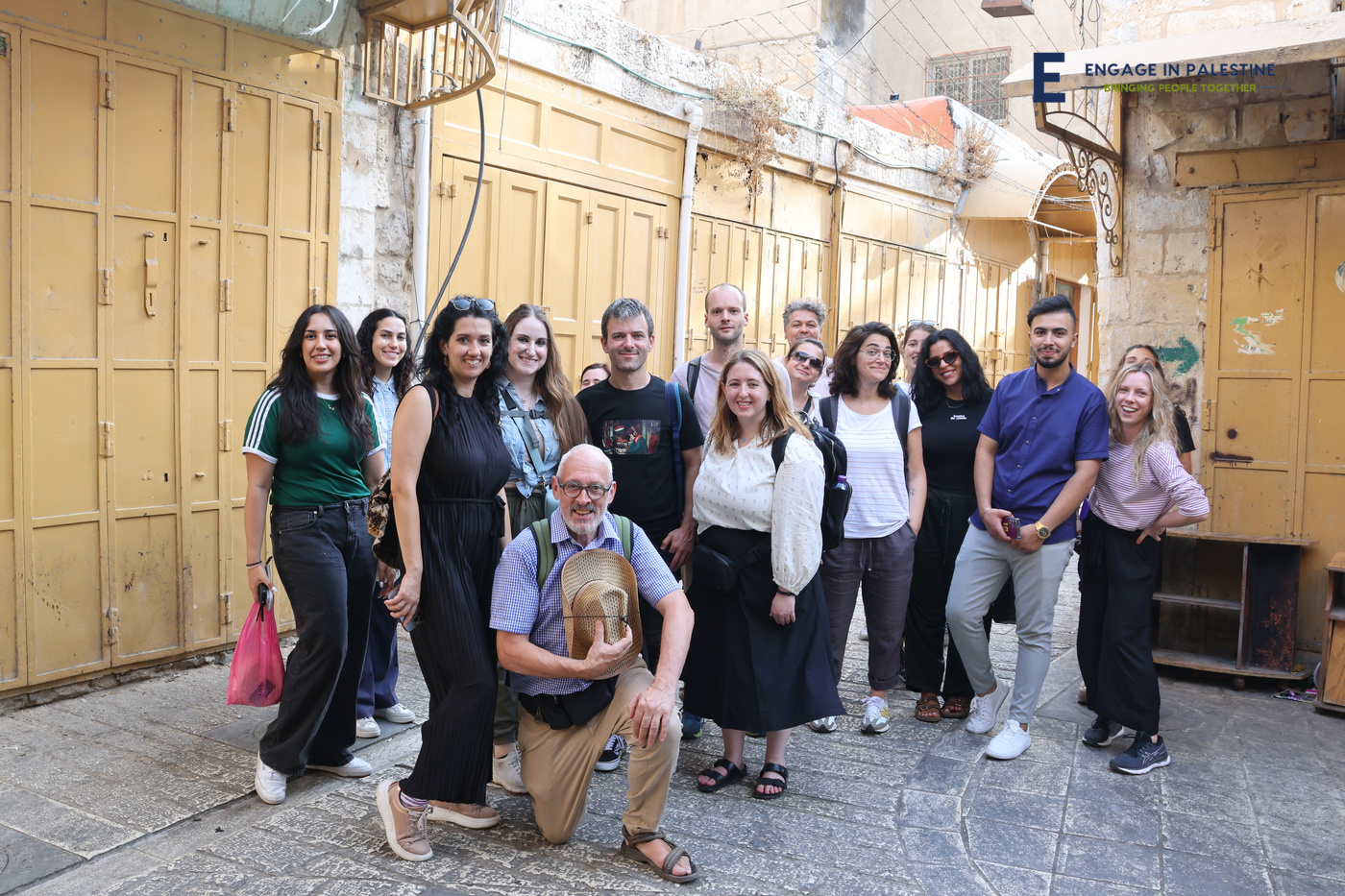
In many homes, meals are shared from central plates. Wait for the elders to start eating.
Common dishes: Musakhan, Maqluba, or grilled meats with rice.
5. Religious & Public Sites
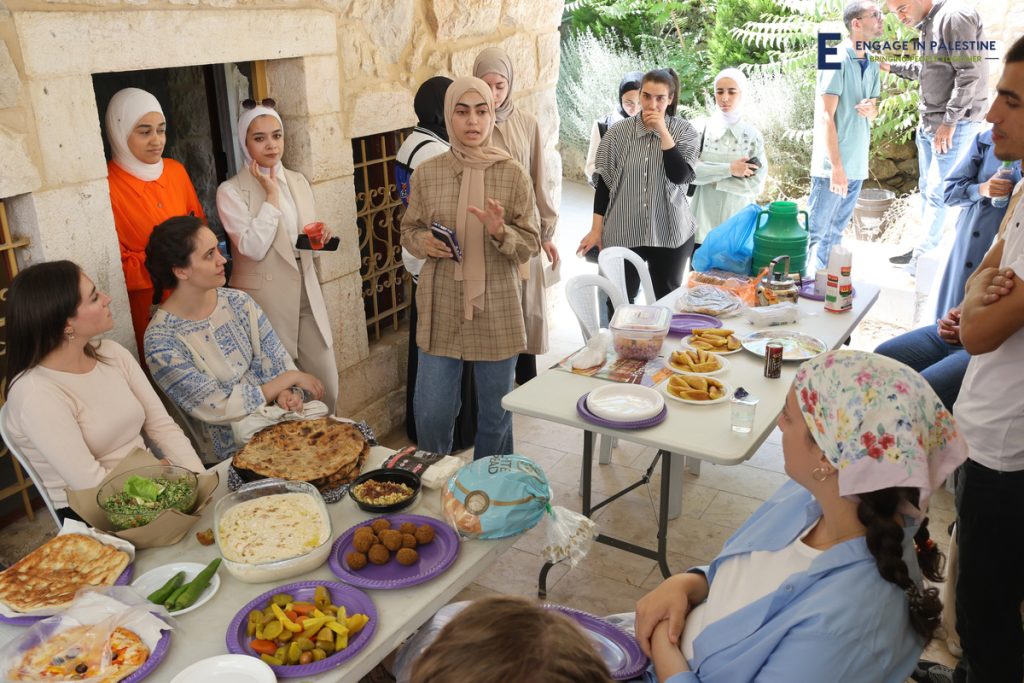
Dress modestly and remove shoes when entering mosques (e.g., Al-Aqsa) or churches.
During Ramadan, avoid eating, drinking, or smoking in public during daylight hours out of respect.
Photography: Ask permission before photographing people, especially women or inside holy places.

Quick Do’s & Don’ts
Do, Don’t Accept offers of food/drink. Refuse hospitality too strongly. Use right-hand point soles of feet at peopleAsk before photosDiscuss politics unless invited. Learn a few Arabic phrases. Wear revealing clothes at sites
These customs reflect our values of respect, generosity, and community. Locals will appreciate your effort — and you’ll likely leave with new friends and unforgettable memories!