
Most Common Meals in Moroccan Communities
Moroccan cuisine is rich, flavorful, and centered around fresh ingredients, spices (cumin, ginger, turmeric, saffron, cinnamon), olive oil, and communal eating. Meals are often shared from large platters.
Here are the most common everyday and traditional dishes:
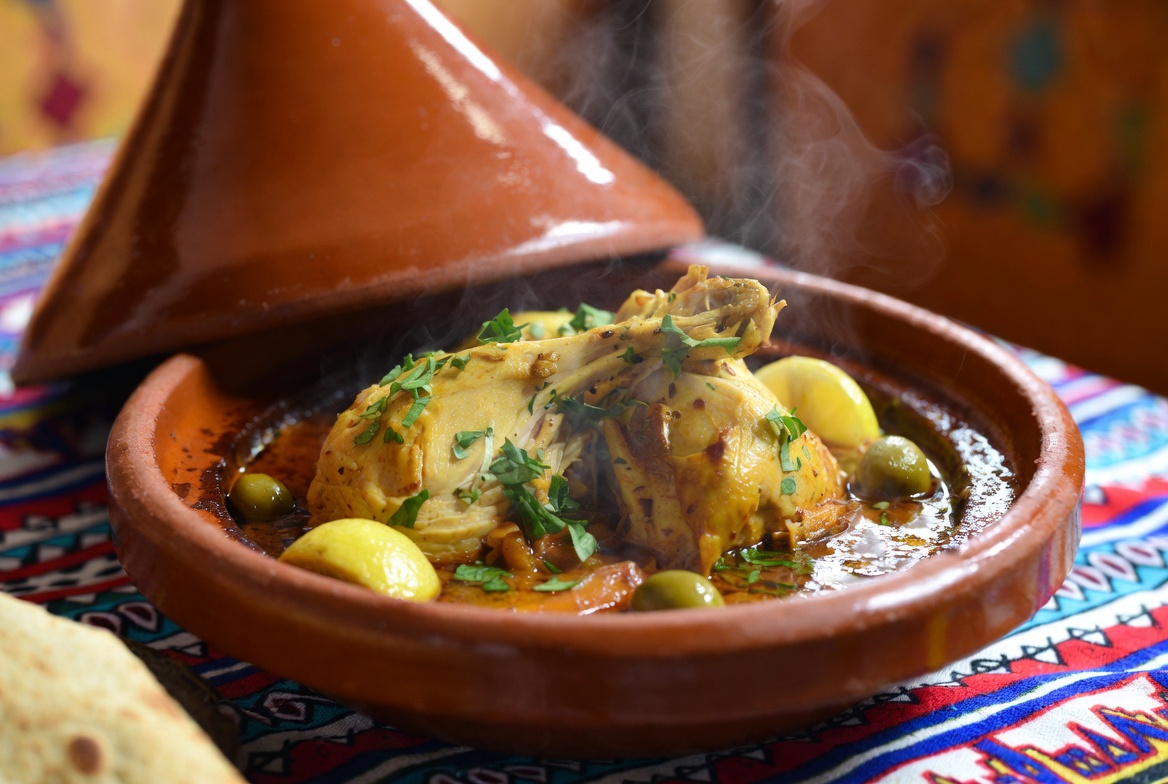
Tagine :The national dish. Slow-cooked stew in a conical clay pot.
Most popular versions:
Chicken with preserved lemon and olives
Lamb with prunes and almonds
Kefta (meatballs) with eggs Eaten daily in many homes.
Couscous: Especially on Fridays (holy day).
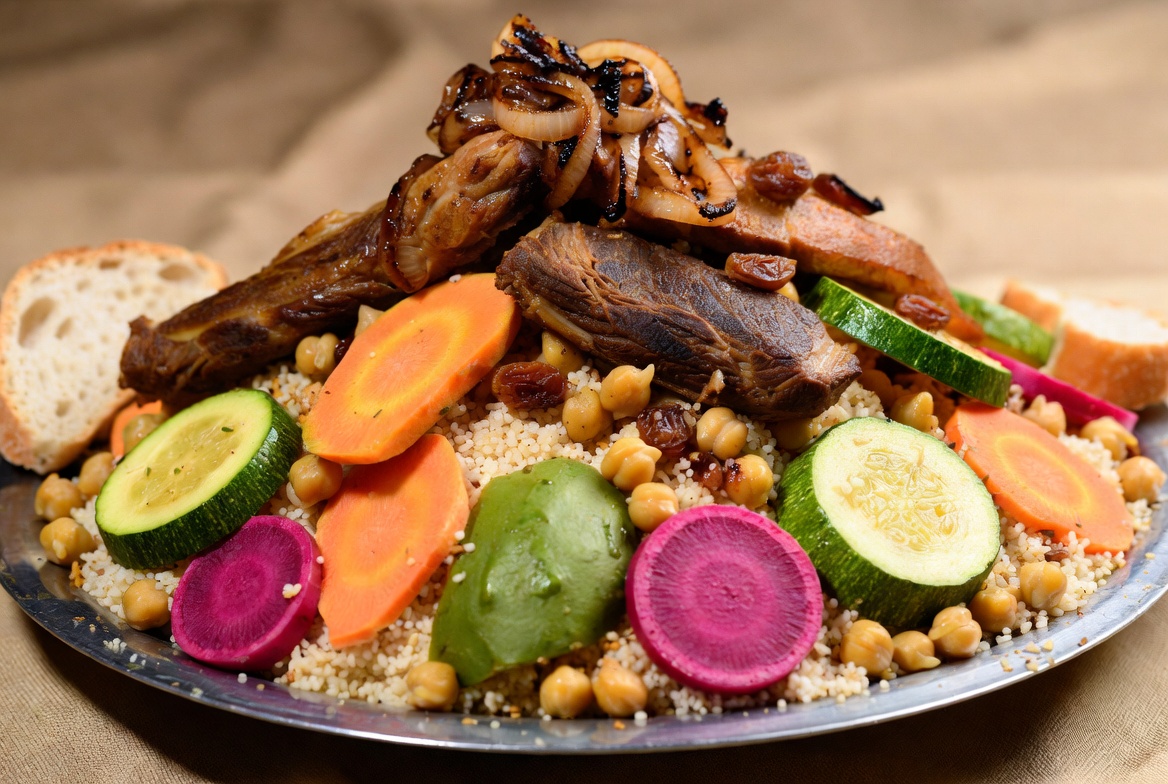
Steamed semolina served with vegetables (carrots, zucchini, turnips, chickpeas) and meat (lamb, chicken, or beef). Often topped with raisins and caramelized onions.
Harira: Thick, hearty soup made with tomatoes, lentils, chickpeas, meat, and spices.
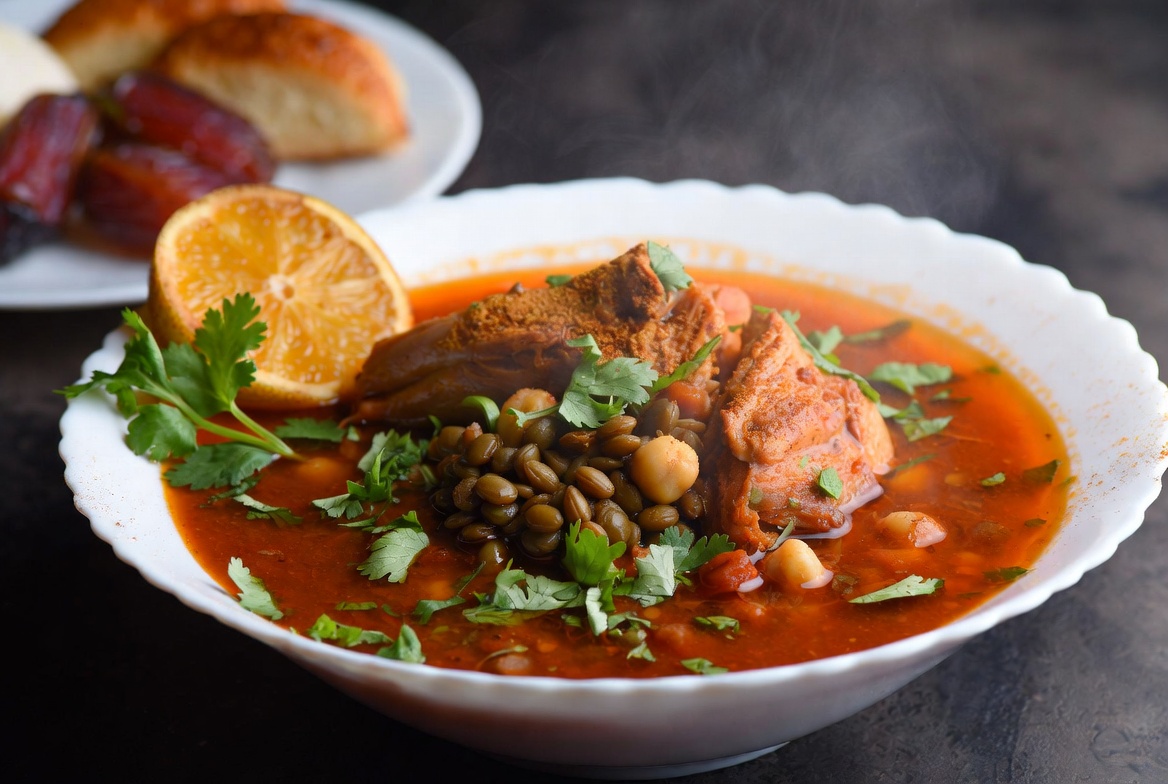
Traditionally eaten to break the fast during Ramadan, but popular year-round, especially in winter.
Pastilla (or Bastilla): Sweet and savory pie with thin warqa pastry, filled with pigeon or chicken, almonds, eggs, and cinnamon-sugar on top.
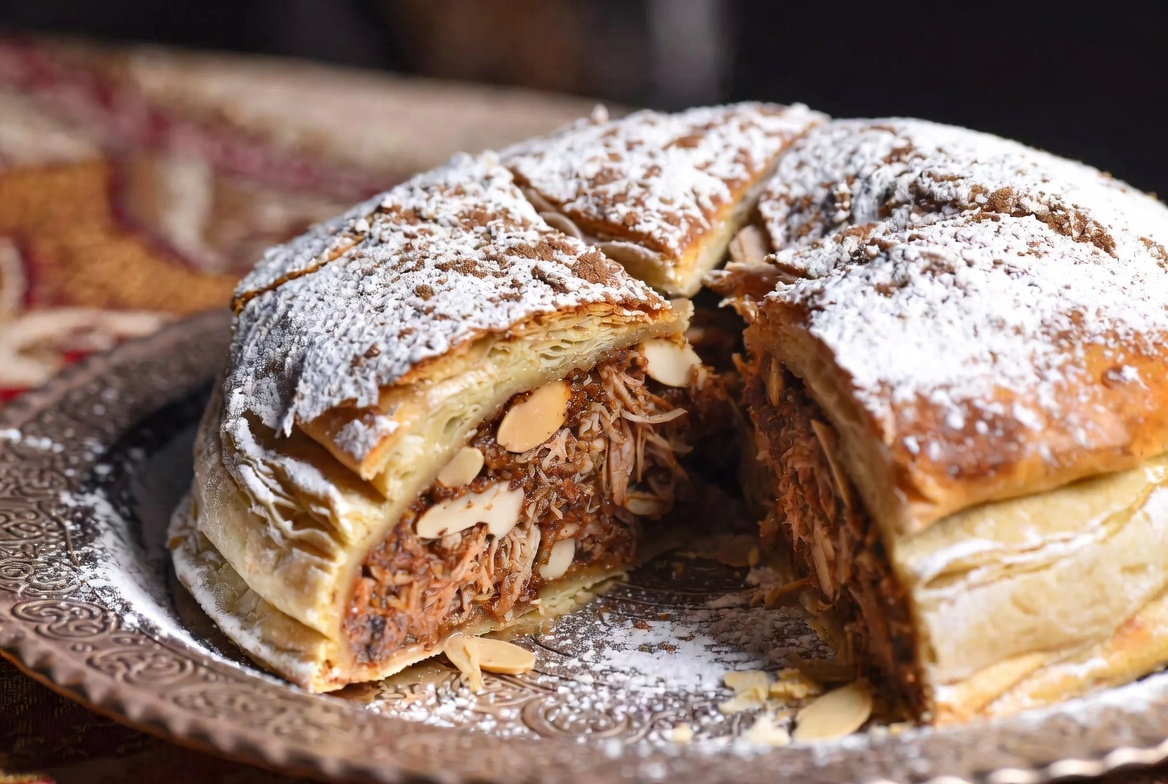
A festive favorite.
Msemen & Baghrir: Square flaky pancakes (msemen) and spongy honeycombed pancakes (baghrir).
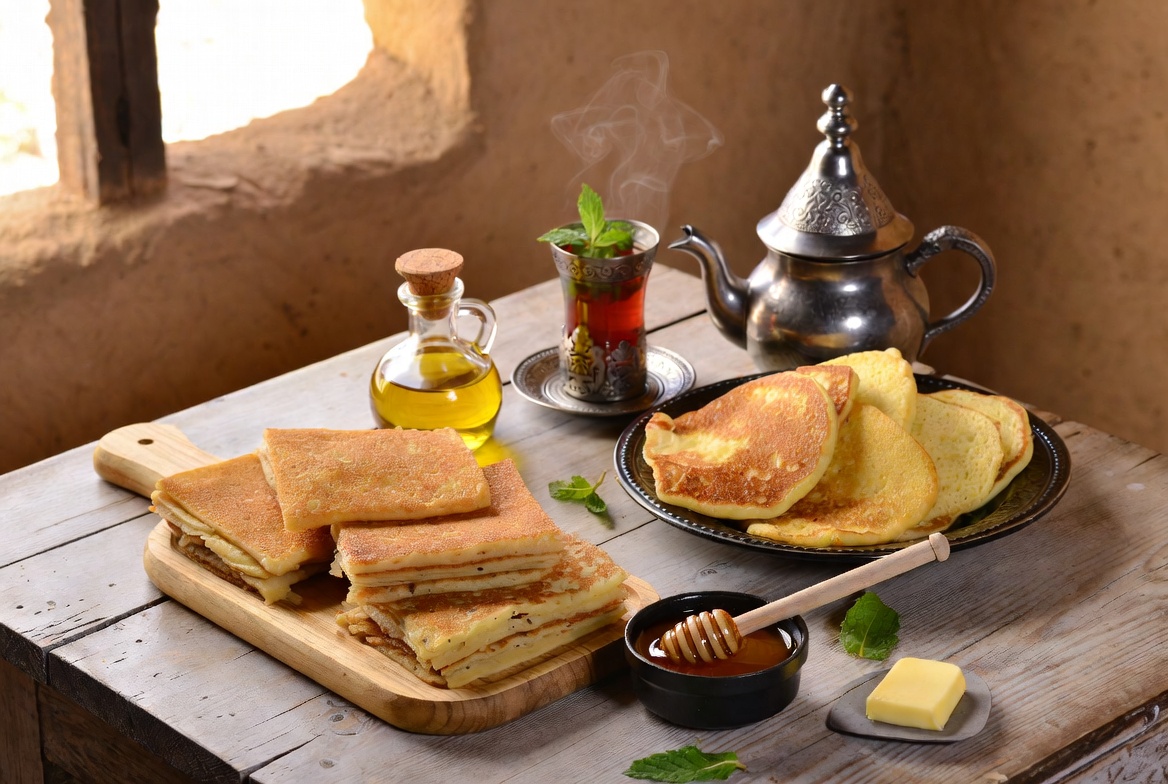
Served for breakfast or tea time with honey, butter, or olive oil and argan oil.
Rfissa : Shredded msemen or trid pastry in a rich broth with chicken, lentils, and fenugreek. A comforting traditional dish, especially after childbirth.
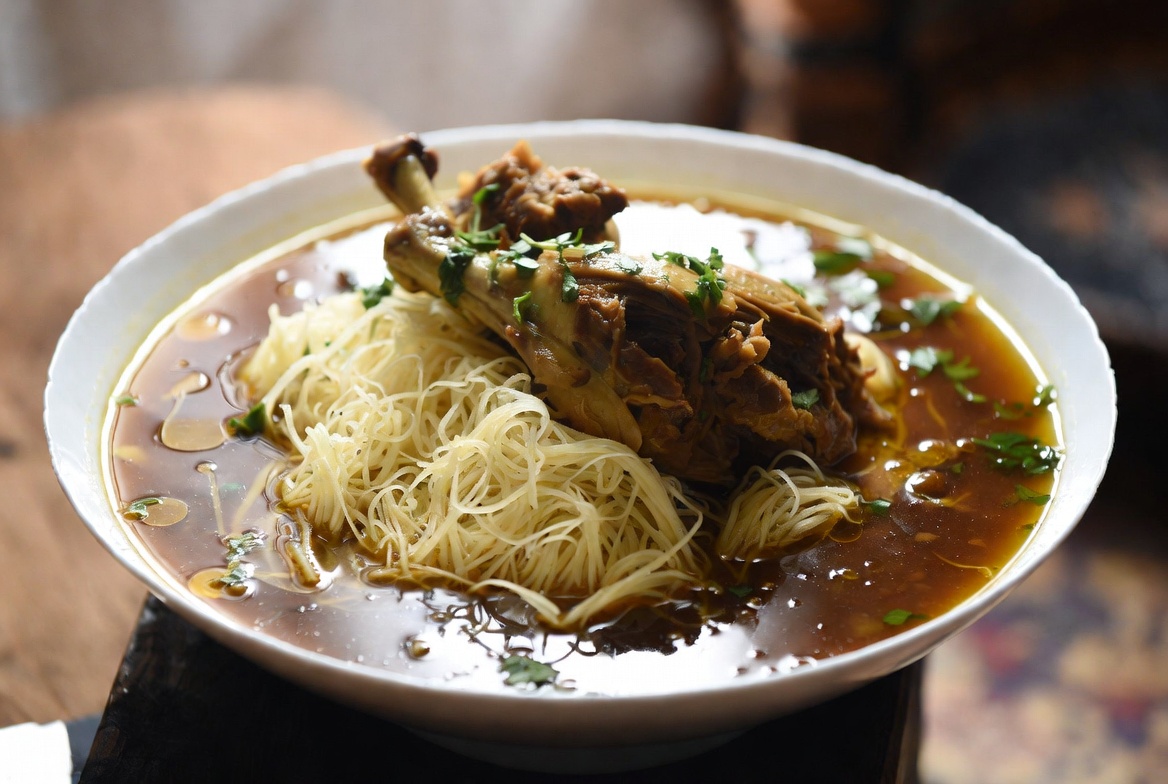
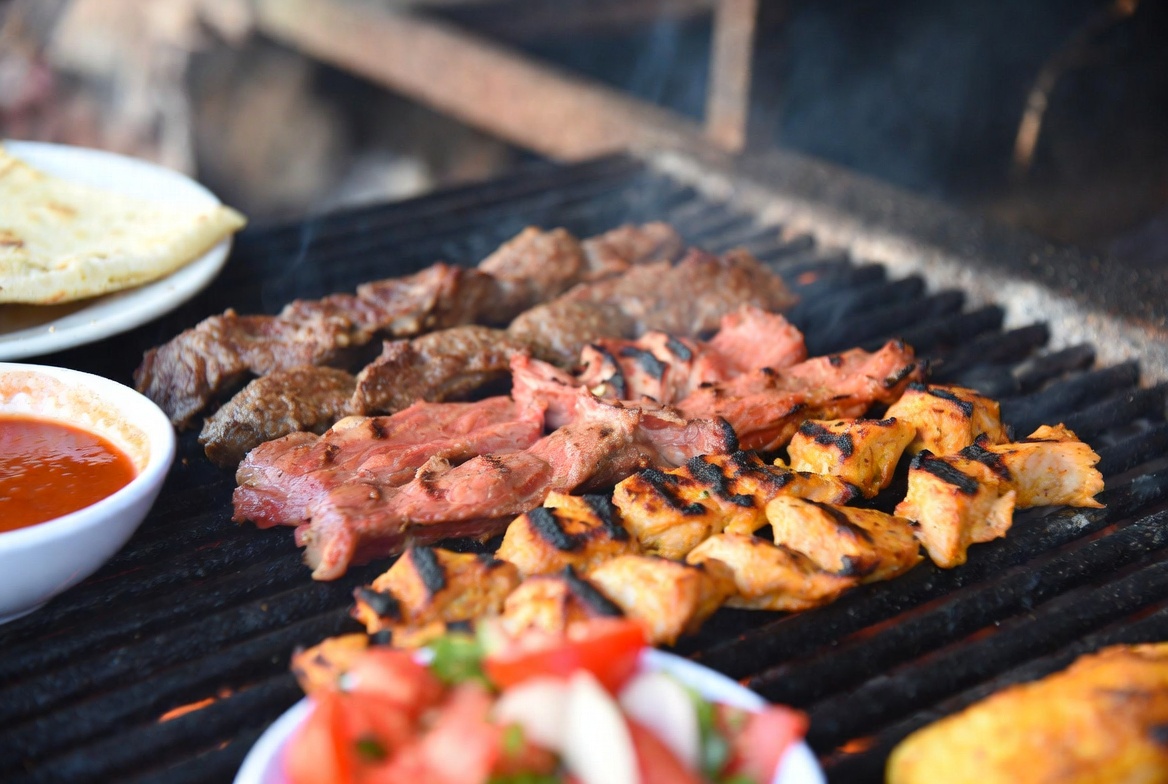
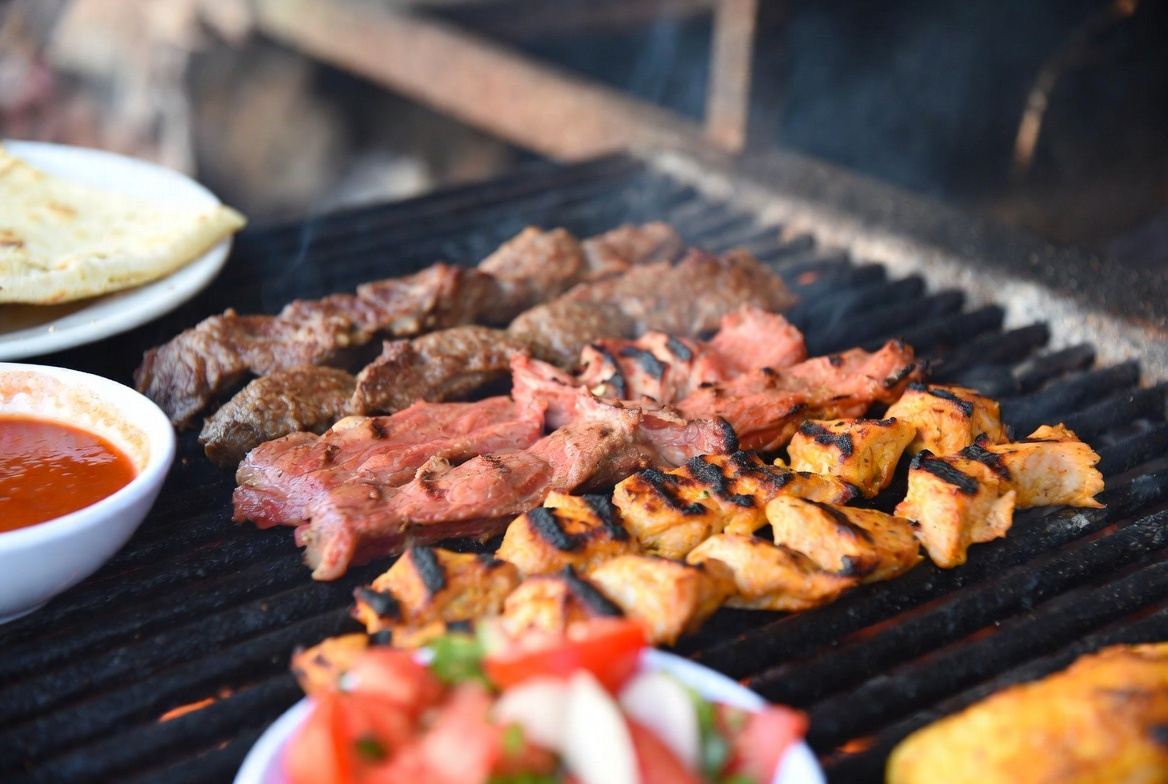
Kebabs & Brochettes: Grilled meat skewers (lamb, beef, or chicken) marinated with spices, served with bread, salad, and harissa.
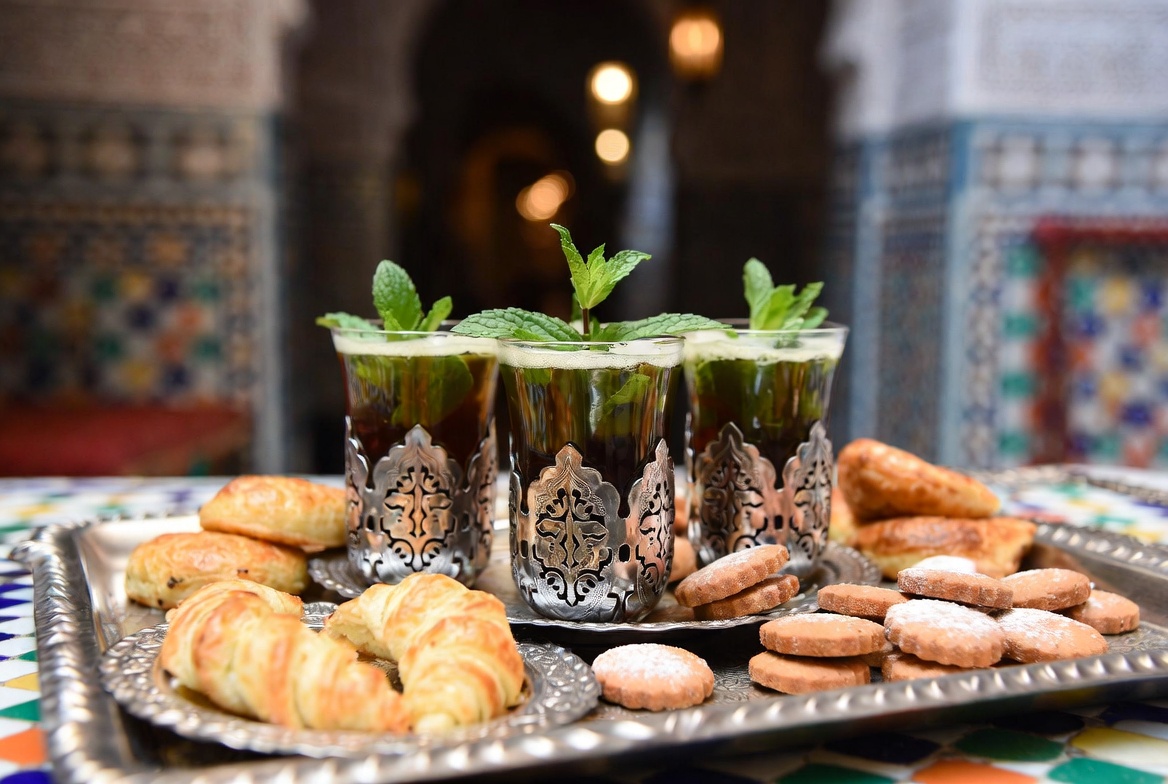
Mint Tea & Moroccan Pastries: Sweet green mint tea is served multiple times a day. Accompanied by chebakia, cornes de gazelle, almond cookies, or briouats (sweet or savory filled pastries).
Cultural Note:
Moroccans eat with their right hand (using bread as a utensil) from shared platters. Meals emphasize hospitality — guests are always offered food and tea. Bread (khobz) is sacred and present at almost every meal.