
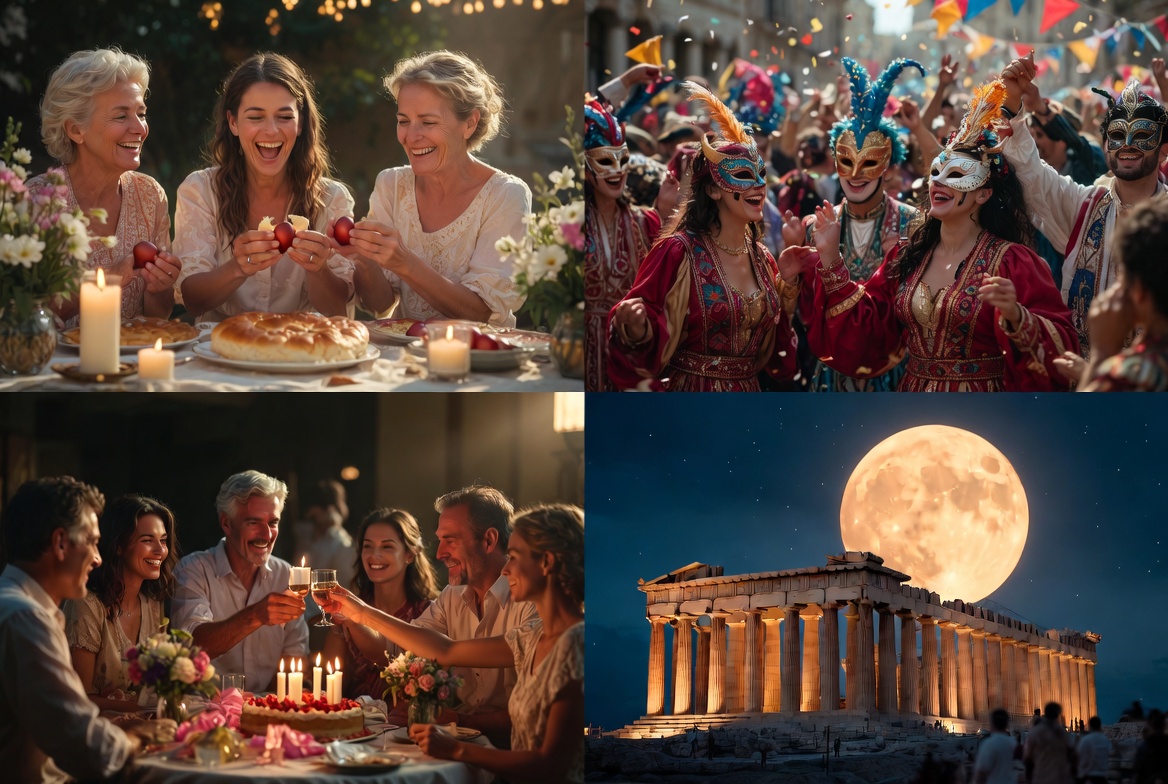
Most Important Greek Festivals: What to Expect
Greece has religious festivals, harvest celebrations, and cultural events. Some involve fasting, some involve feasting, and some involve throwing plates and jumping over fire.
1. Orthodox Easter (Pascha)
Most important festival in Greece (bigger than Christmas)
Celebrated in April or May (different from Catholic Easter)
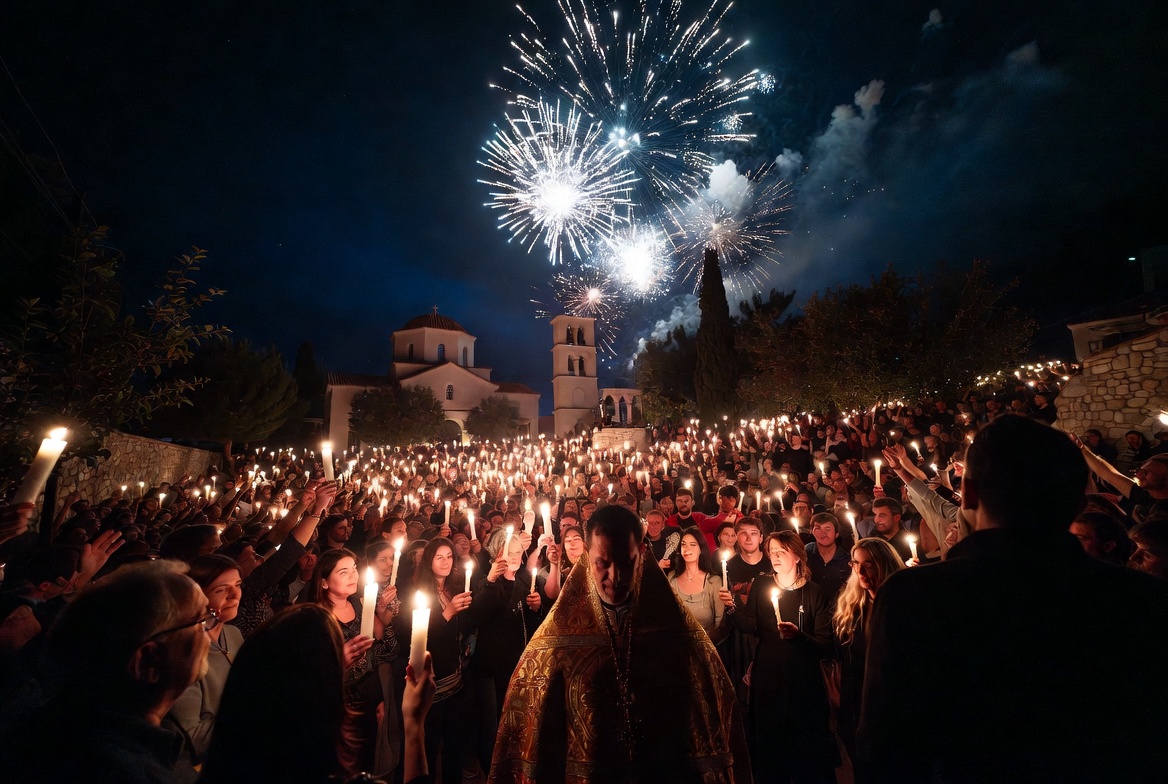
Holy Week: church services every night
Midnight Saturday: "Christos Anesti" (Christ is Risen)
Huge fireworks and bell ringing at midnight
Traditional lamb roasted on Sunday
Red eggs cracked together (winner has good luck)
2. Carnival (Apokries)
Celebrated in February or March (3 weeks before Lent)
Meaning: "say goodbye to meat" (beginning of fasting)
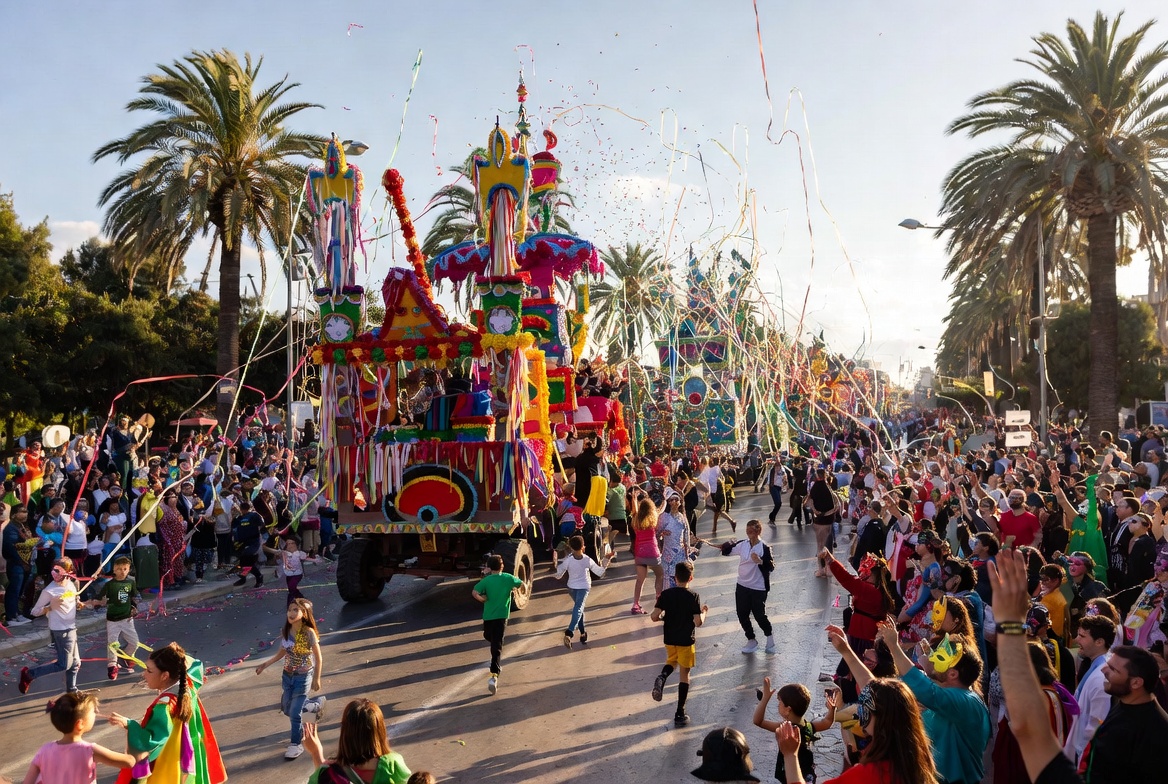
Costume parties and parades everywhere
Patras has the biggest carnival (giant floats, dancing, confetti)
Children throw colored streamers (flour and water fights)
Last Sunday: "Kreatini" (last meat before Lent)
"Tsiknopempti" (Smoky Thursday) – grilled meat everywhere
3. Name Day (Onomastiki Eorti)
Celebrated on saint's feast day (each name has a specific date)
More important than birthday for many Greeks
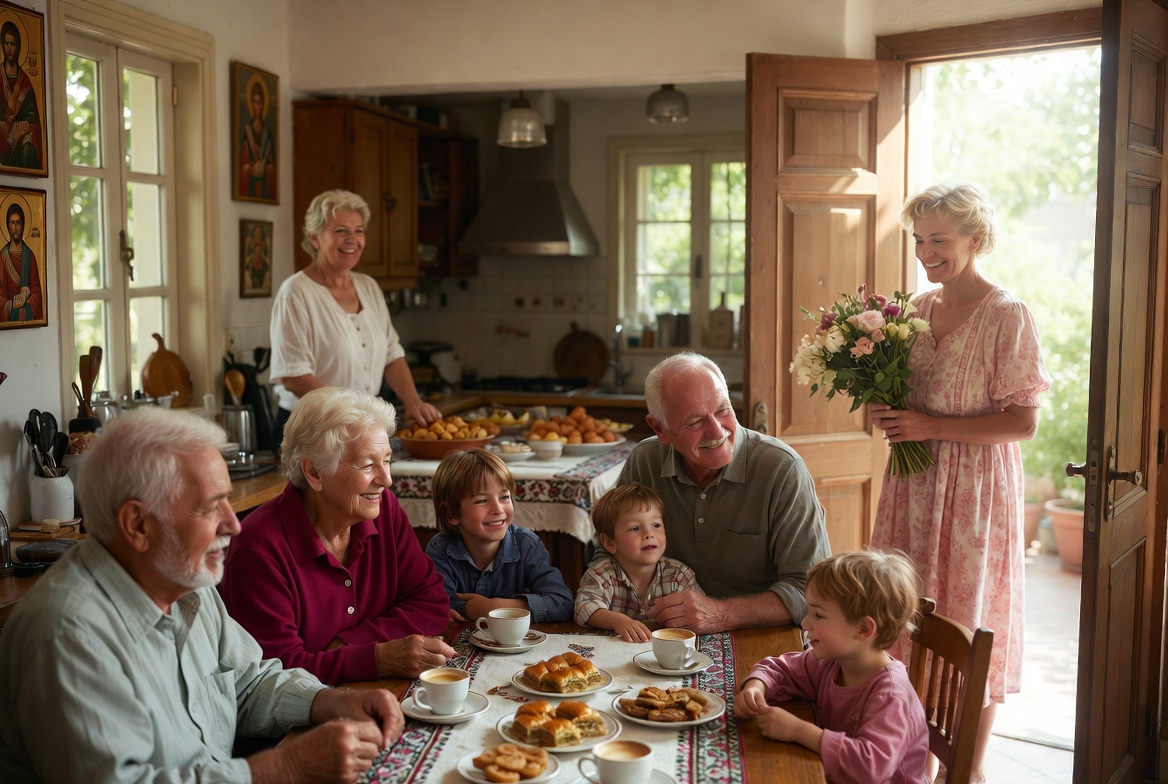
People visit person celebrating (no invitation needed)
Bring small gift or flowers
House is open to all (anyone can come)
Traditional sweets offered (kourabiedes, melomakarona)
Birthday is for the person; Name Day is for the community
4. August Full Moon Festival
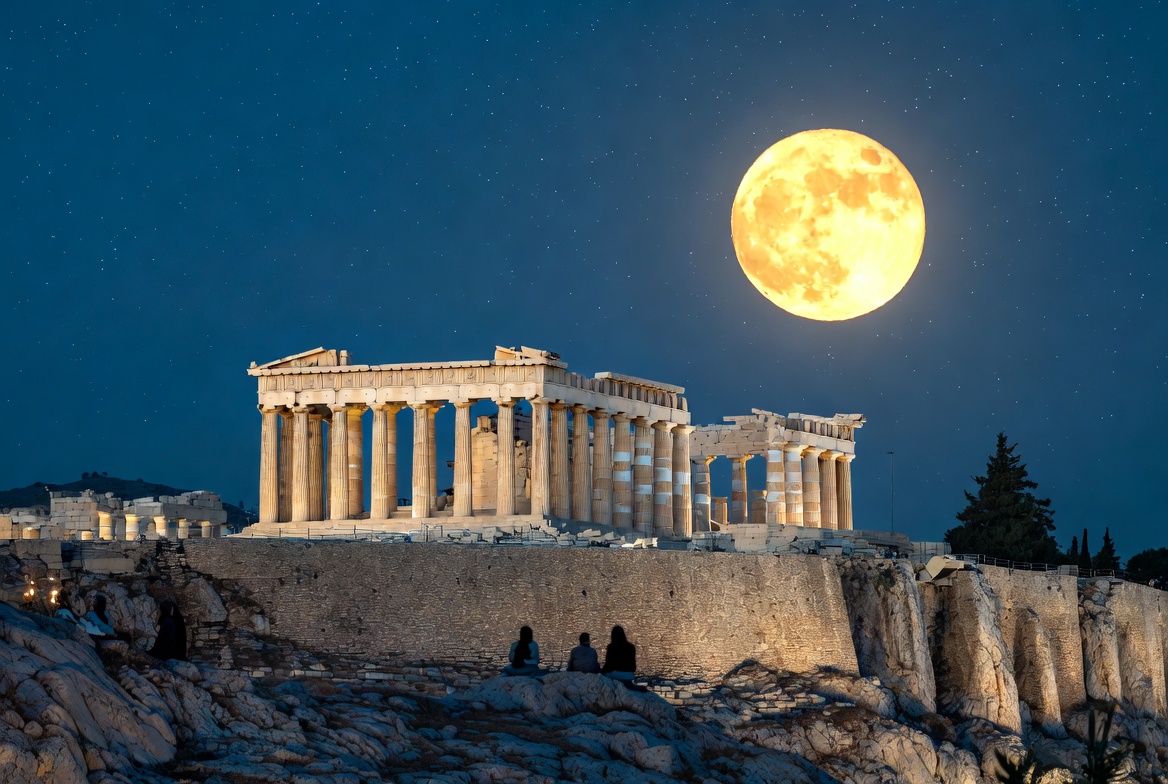
Celebrated in August (full moon night)
Archaeological sites open free until 2 AM
Concerts and performances at ancient theaters (Acropolis, Epidaurus)
People picnic on hillsides overlooking sites
Moon rises behind Parthenon (famous photo moment)
No fireworks or loud events (respect for ancient stones)
Very popular with tourists and locals
5. Panigiri (Village Saint Festival)
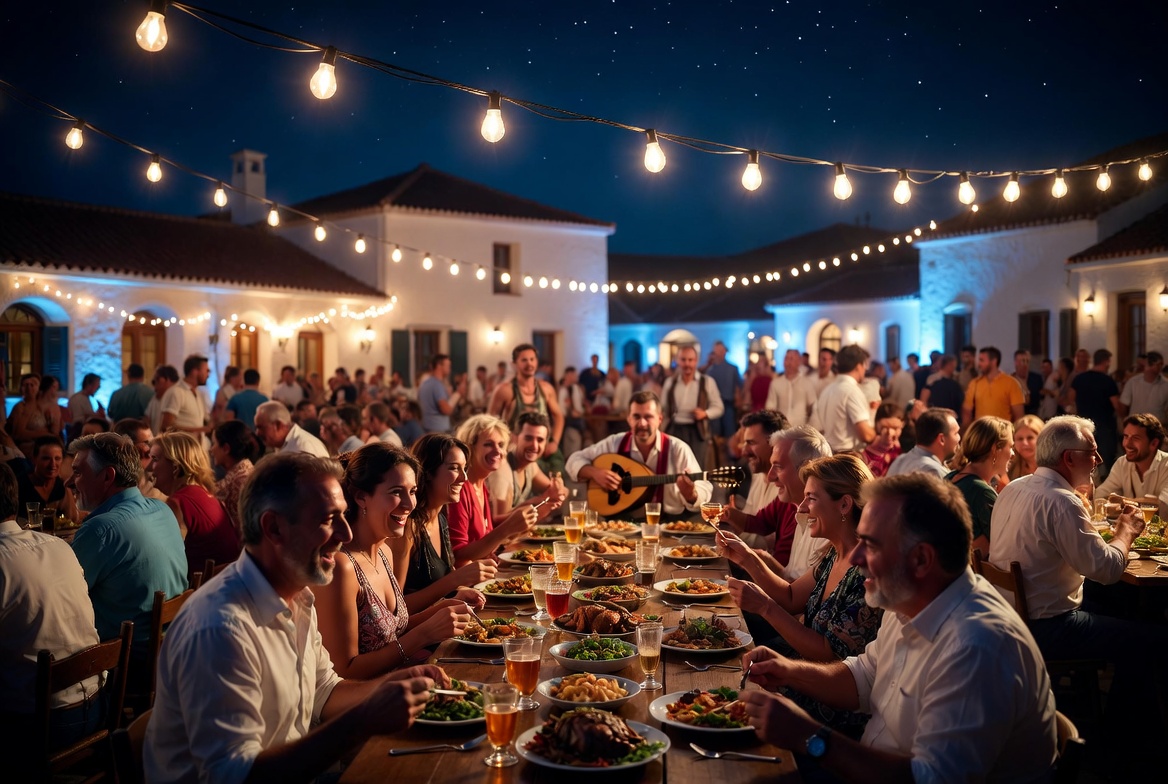
Celebrated on a village's patron saint day (different for each village)
Church service in morning
All-night feast with roasted meat, wine, music
Traditional dances (Kalamatiano, Tsamiko)
People travel from cities to their ancestral village
Locals roast whole lamb or goat on spit
Everyone invited (even strangers)