
Most Important Portuguese Festivals: What to Expect
Portugal has festivals for saints, sardines, flowers, and even medieval knights. Some are religious, some are wild parties, and some are both at the same time.
1. Festas de Lisboa (Santos Populares)
Held in Lisbon, especially Alfama district. Takes place throughout June, peaking on June 12th-13th (Saint Anthony's Eve). The biggest street party in Portugal.
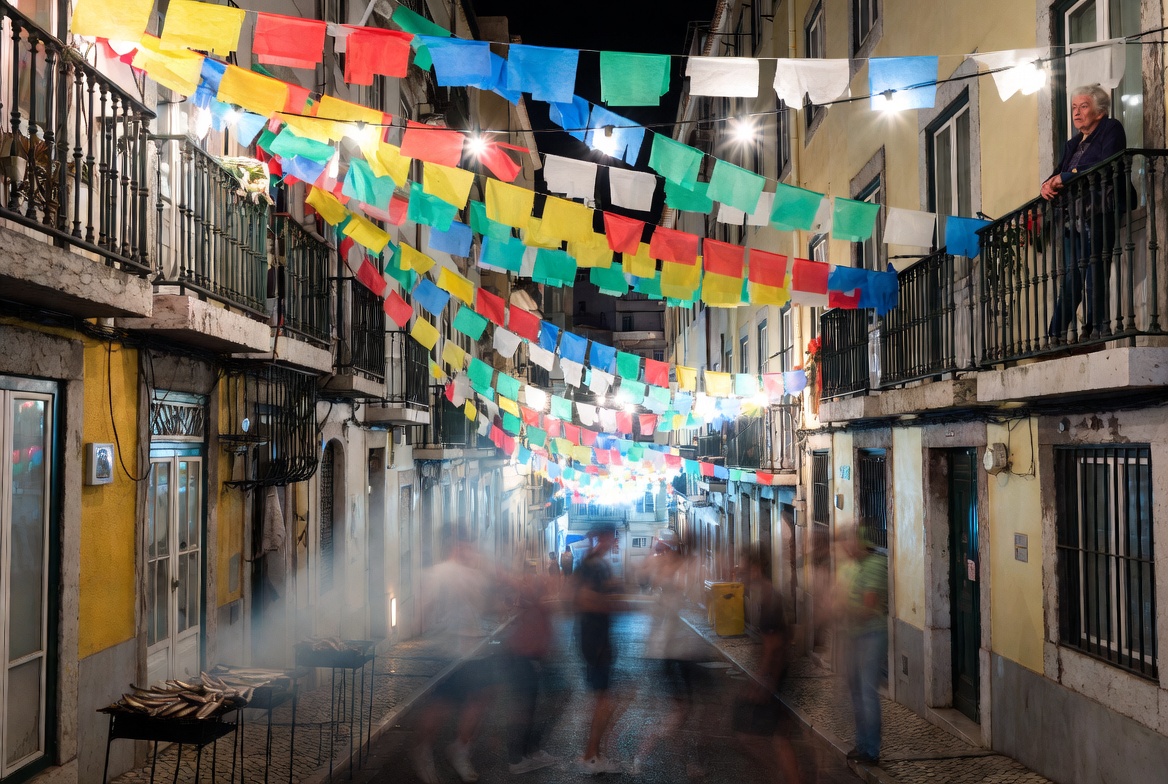
Grilled sardines eaten with hands on bread
Streets decorated with paper streamers and balloons
People hit each other with plastic squeaky hammers
Basil pots with love poems given to sweethearts
Dancing continues until sunrise
2. Festa da Flor (Flower Festival)
Held in Funchal, Madeira Island. Takes place in spring (usually April or May). The city is transformed into a giant flower carpet.
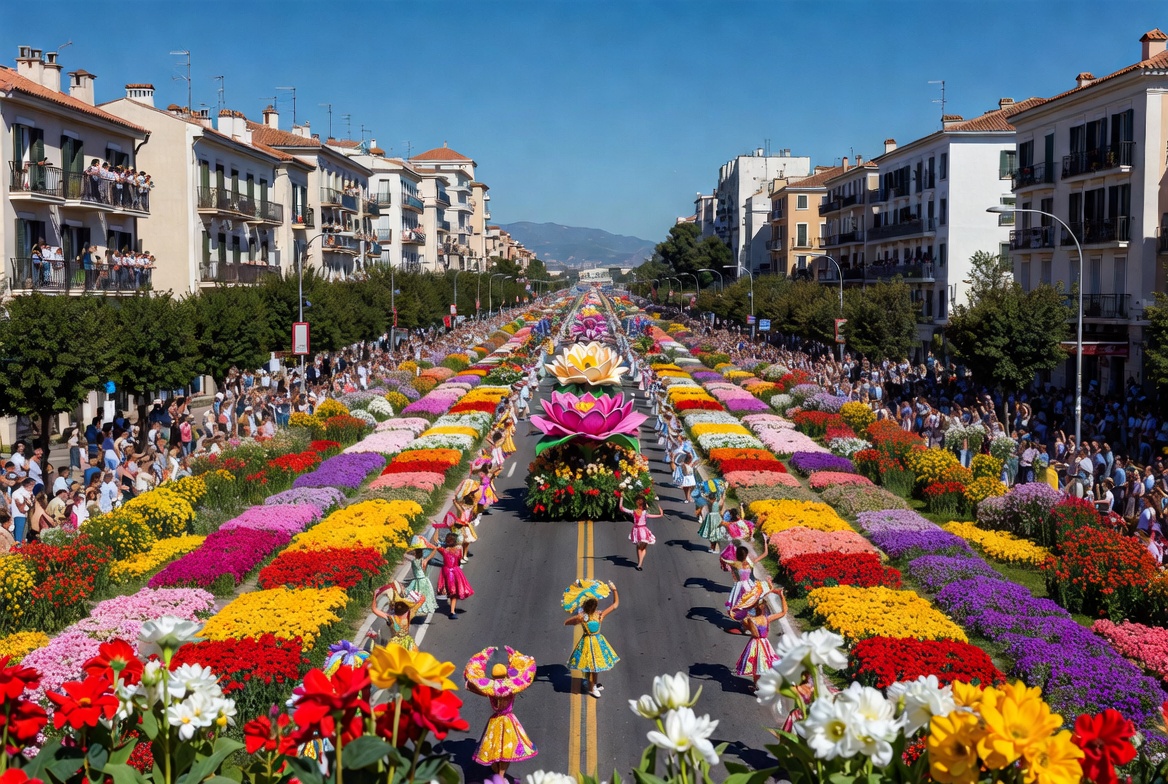
Main parade features thousands of dancers in flower costumes
Flower carpets cover the main avenue for days
Children's parade with smaller flower floats
Expect intense floral scent everywhere
Book accommodation months in advance
3. Romaria de Nossa Senhora da Piedade
Held in Lapa (near Porto). Takes place on the first Sunday after September 8th. A large pilgrimage for one of Portugal's most beloved saints.
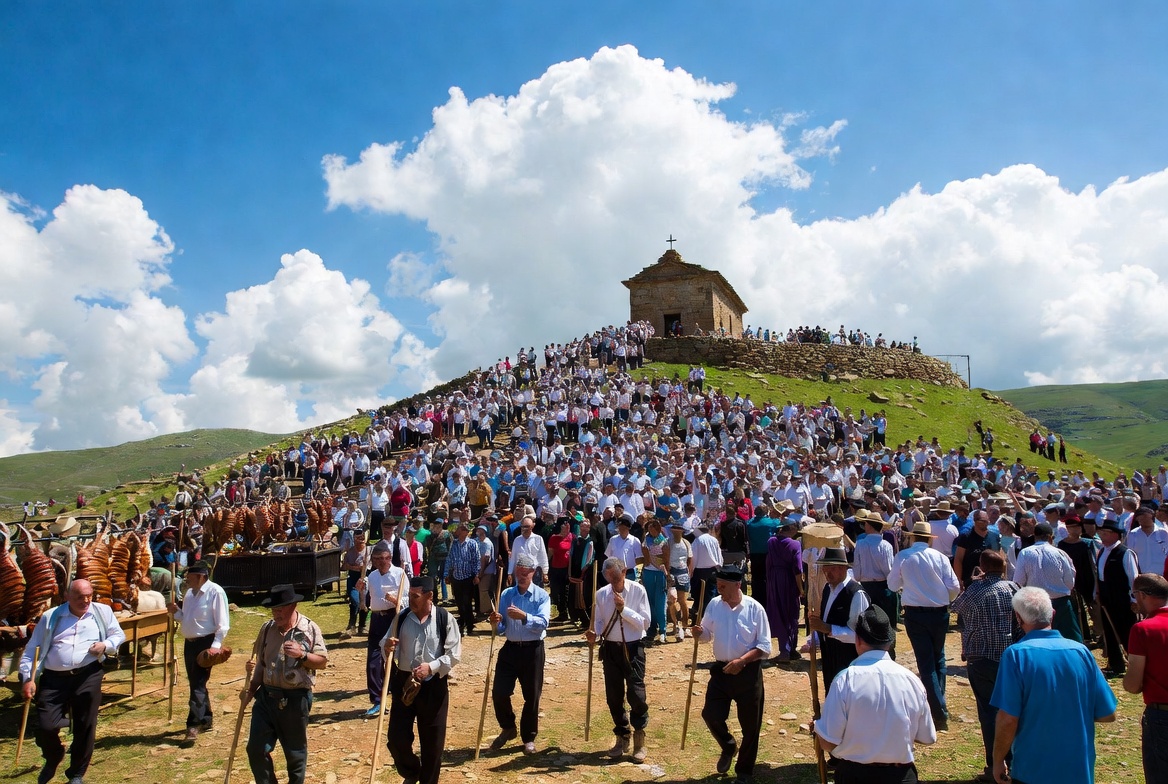
Pilgrims arrive on foot from all over the region
Traditional roasted goat is the festival food
People carry long wooden staffs
Folk music and dancing continue all day
Small fair with rides and games for children
4. Carnaval de Torres Vedras
Held in Torres Vedras (north of Lisbon). Takes place in February, the week before Lent. Considered the most authentic Portuguese carnival.
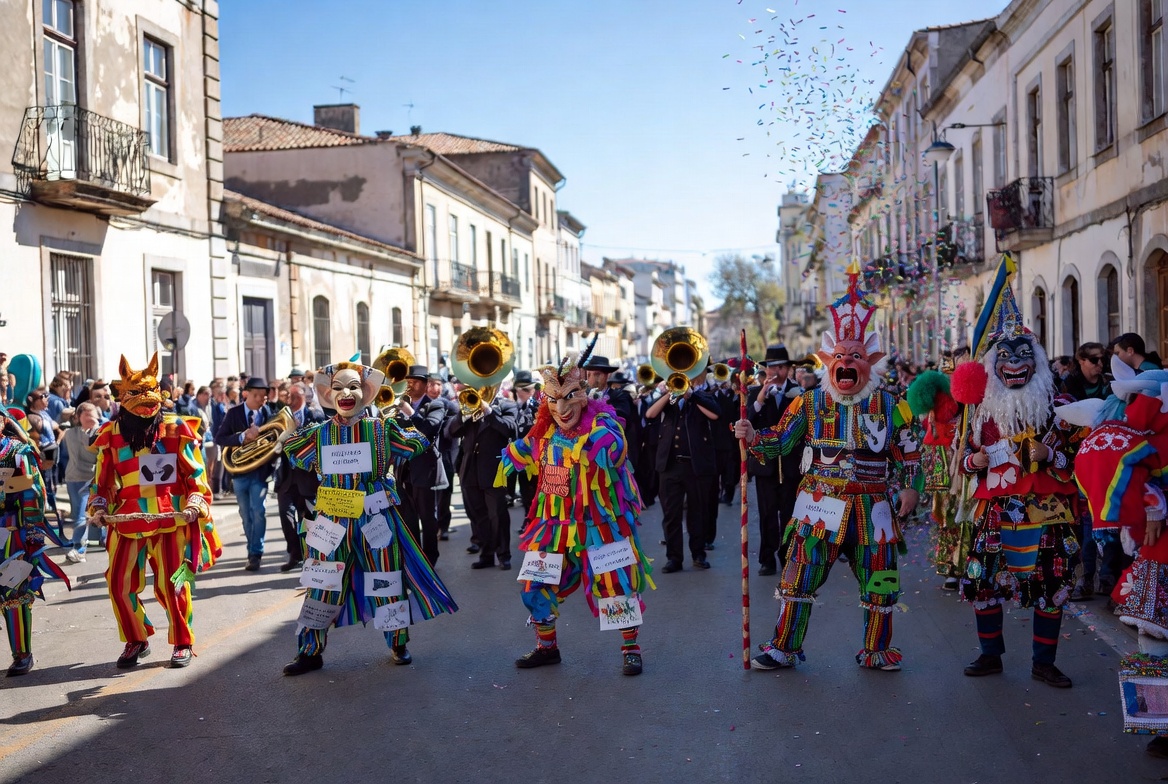
Less touristy than Venice or Rio
Famous for satirical costumes mocking politicians and celebrities
People wear masks and throw confetti
Street bands play loud brass music
Children have their own parade on Tuesday
5. Óbidos Vila Natal (Christmas Town)
Held in Óbidos (central Portugal). Takes place from late November to early January. The entire medieval village becomes a Christmas wonderland.
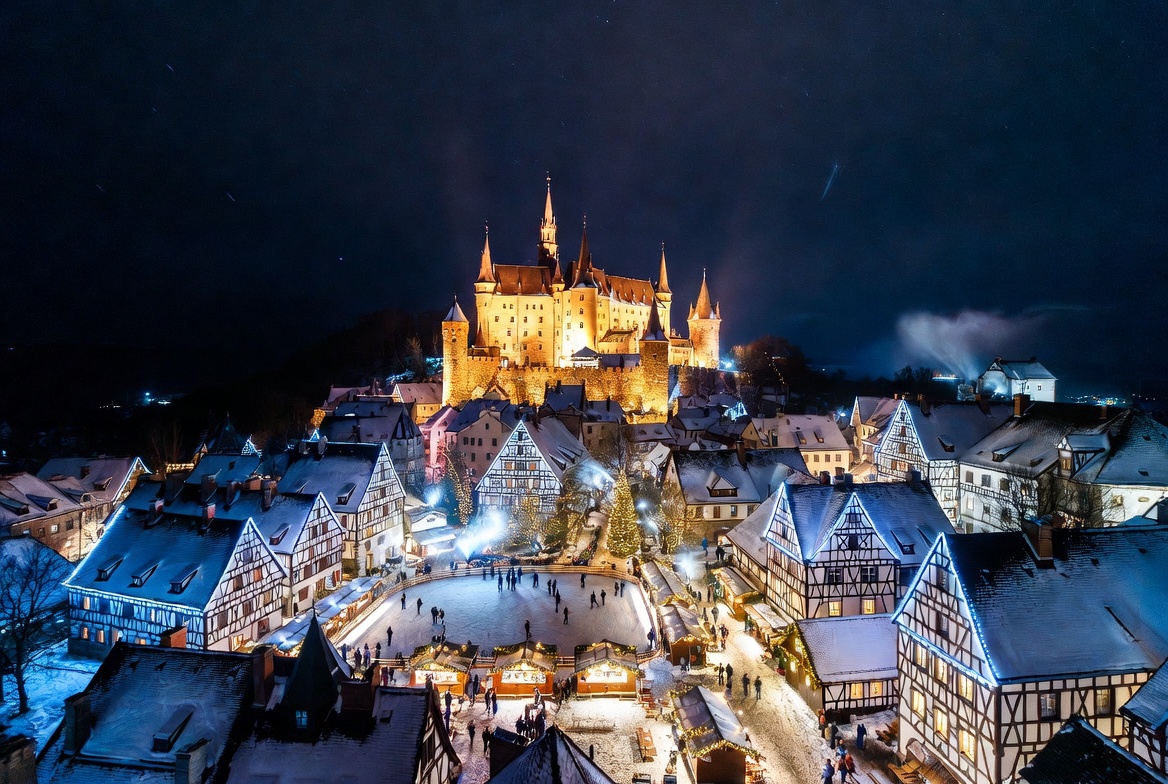
Ice skating rink inside a castle (rare in Portugal)
Giant walk-through nativity scene
Santa Claus parachutes into the village (opening day)
Hot chocolate and roasted chestnuts sold everywhere
Buildings are lit with thousands of Christmas lights