
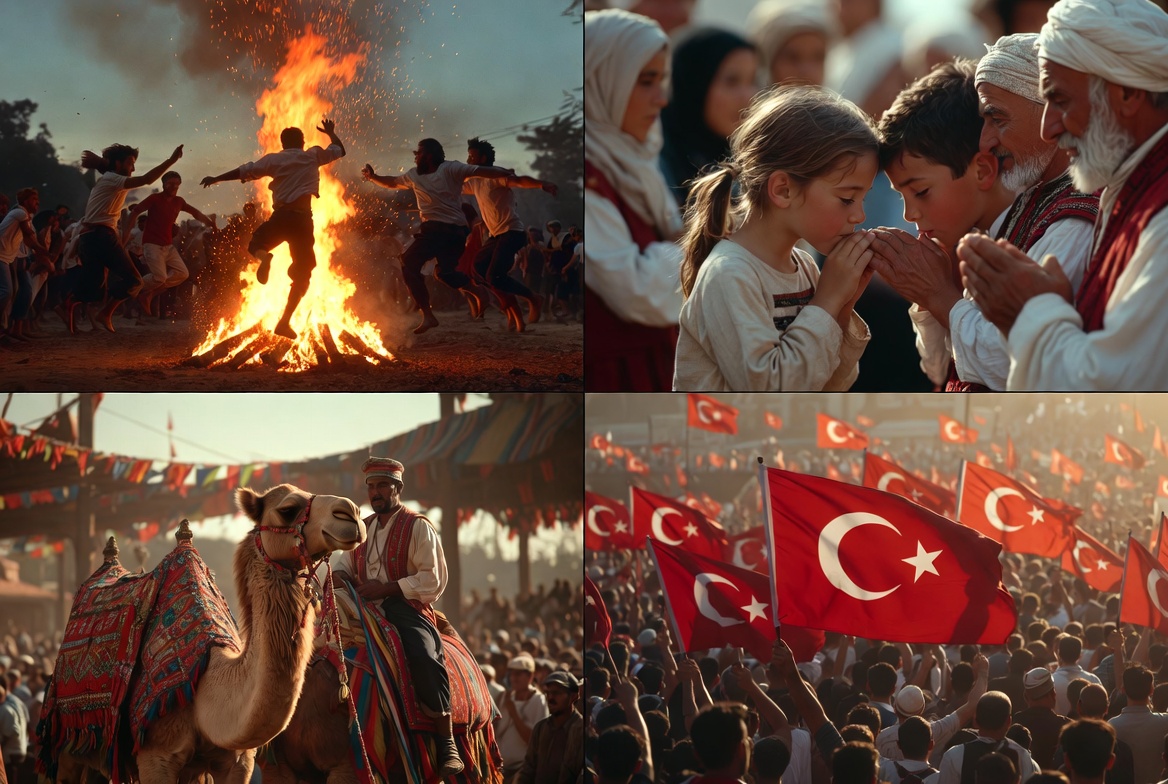
Most Important Turkish Festivals: What to Expect
Turkey has religious festivals, national holidays, and local celebrations. Some involve fasting, some involve feasting, and some involve jumping over fire.
Kurban Bayramı (Sacrifice Holiday)
Four-day festival about 70 days after Ramadan. Families sacrifice a sheep, goat, or cow. Meat is divided into three parts: family, relatives, and poor people.
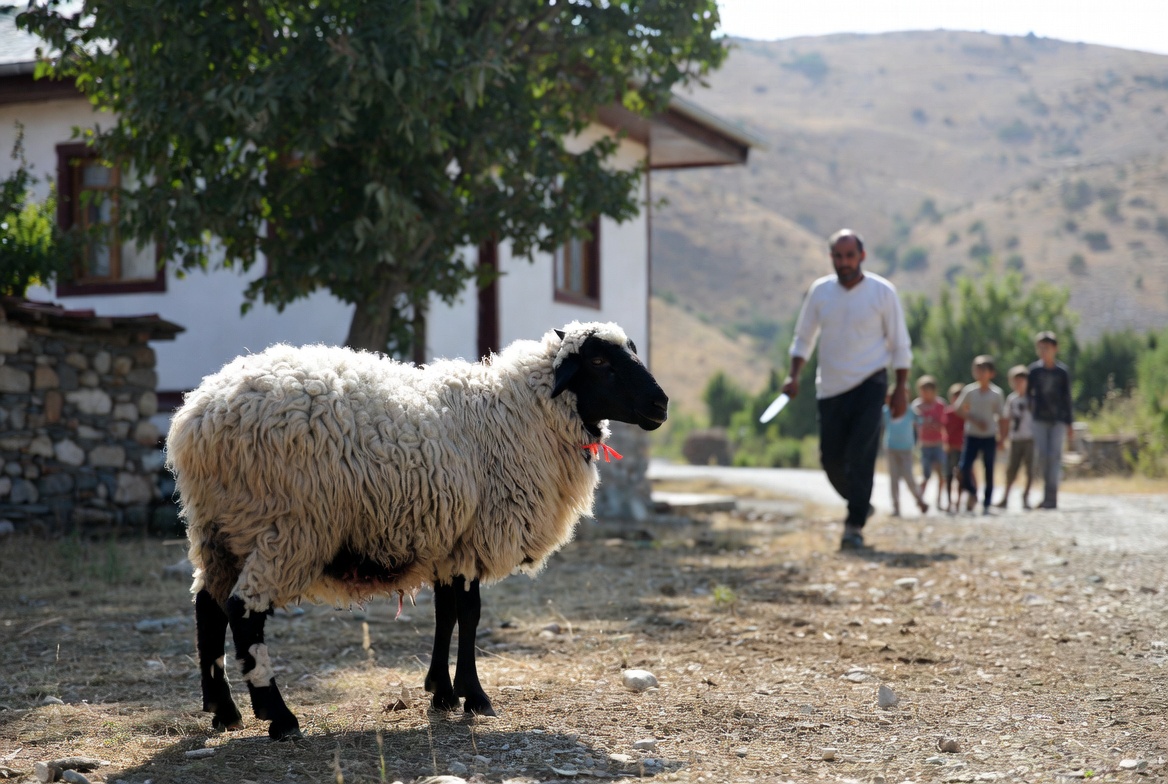
Animals must be healthy and clean
Sacrifice is done after morning prayer
Meat cannot be sold (only given away)
Children again kiss elders' hands for money
No work or school for 4 days
Hıdırellez (Spring Festival)
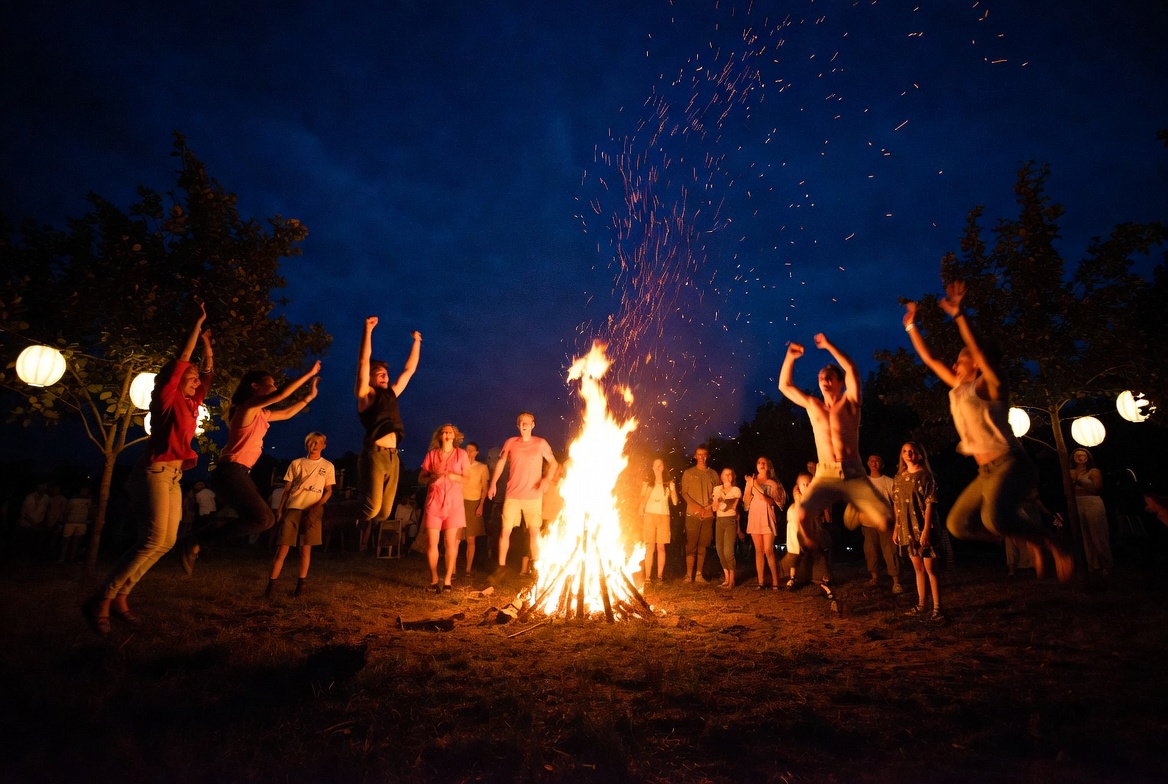
Held on May 5th-6th. Celebrates the arrival of spring. People jump over bonfires, write wishes on paper, and tie them to rose bushes.
Wishes are written and buried under a rose bush
Jump over fire (for health and luck)
Eat together outdoors (picnic style)
Believed to be the day prophets Hızır and Ilyas meet on Earth
Very popular with young people and children
23 Nisan Ulusal Egemenlik ve Çocuk Bayramı (April 23 – National Sovereignty and Children's Day)
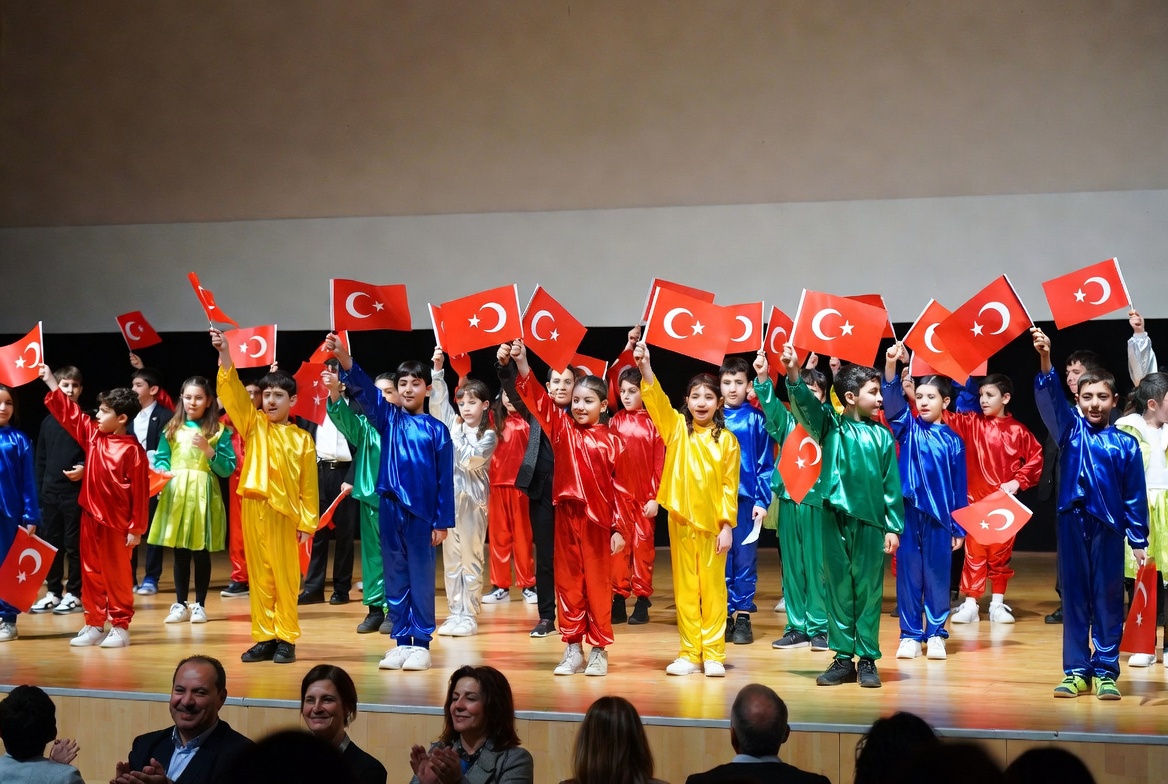
Turkey's only holiday dedicated entirely to children. Schools perform on stage. Children sit in parliament seats.
Founded by Atatürk in 1920
Children from around the world are invited as guests
School parades in every city
Children replace government officials for one day
Very colorful and joyful
Mesir Macunu Festivali (Mesir Paste Festival)
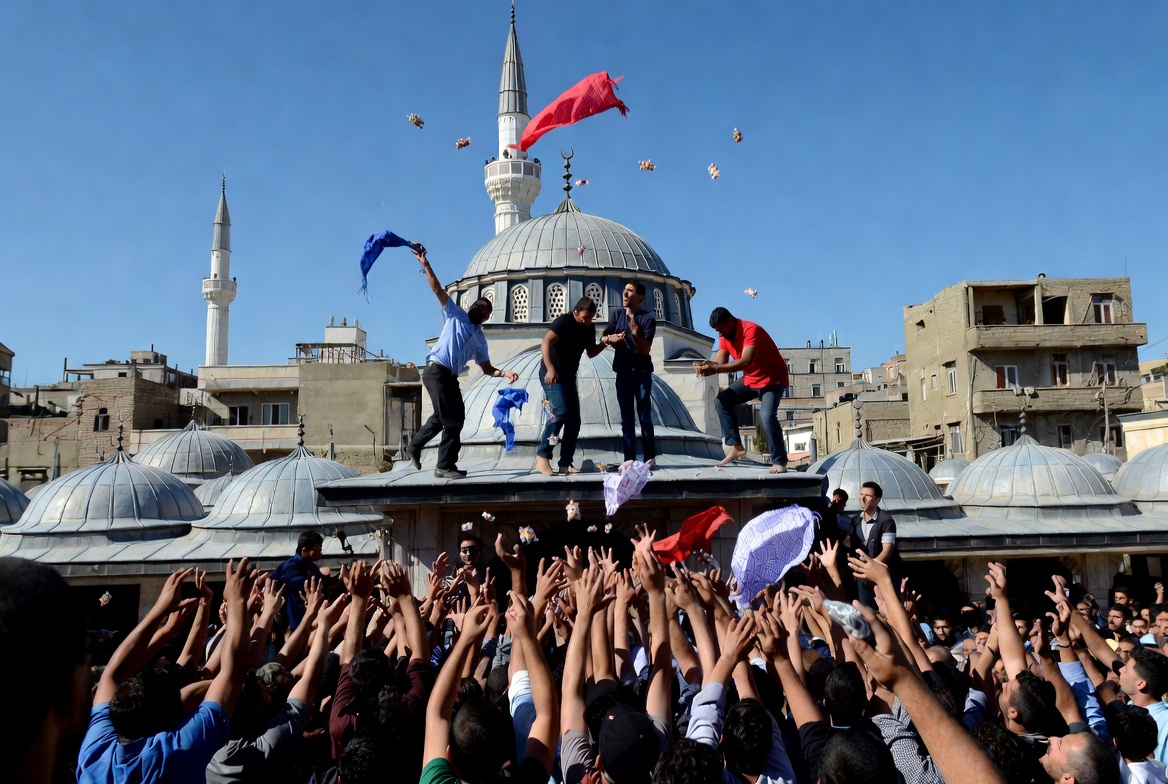
Held in Manisa every March. A 500-year-old tradition. Cooks throw spiced candy paste from the rooftop of a mosque onto the crowd below.
Believed to heal illnesses
41 different spices in the paste
Crowds catch the wrapped candies in handkerchiefs
Eating one brings good luck and health
People travel from all over Turkey to attend