
My Personal experience
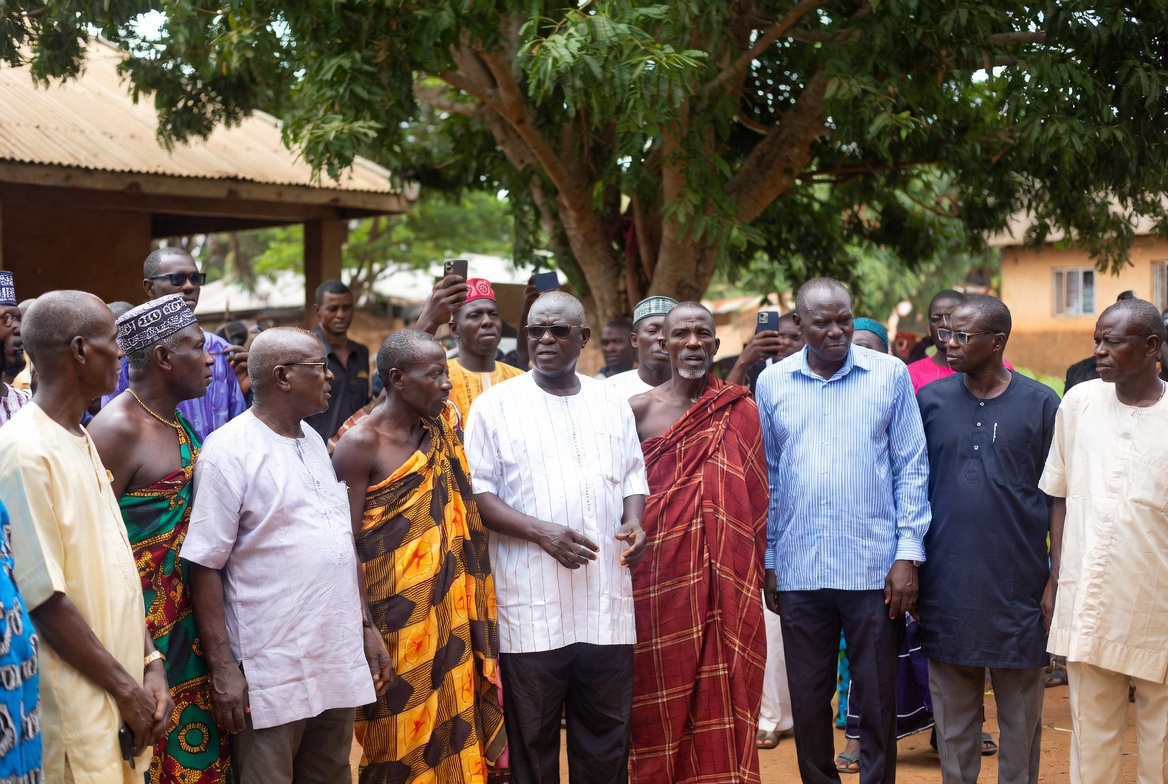
I remember attending a funeral in Akum when I was younger. In our culture, funerals are not only moments of grief — they are also moments of unity, reflection, and reconnection. They bring together families, neighbors, friends, and the wider community to honor both the living and the ancestors.
That day, as the elders began to speak, they gradually shifted from Pidgin English and French into the Akum language. At first, I understood only parts of what they were saying because I was more accustomed to speaking school English. But as the proverbs and traditional expressions flowed, something inside me changed.
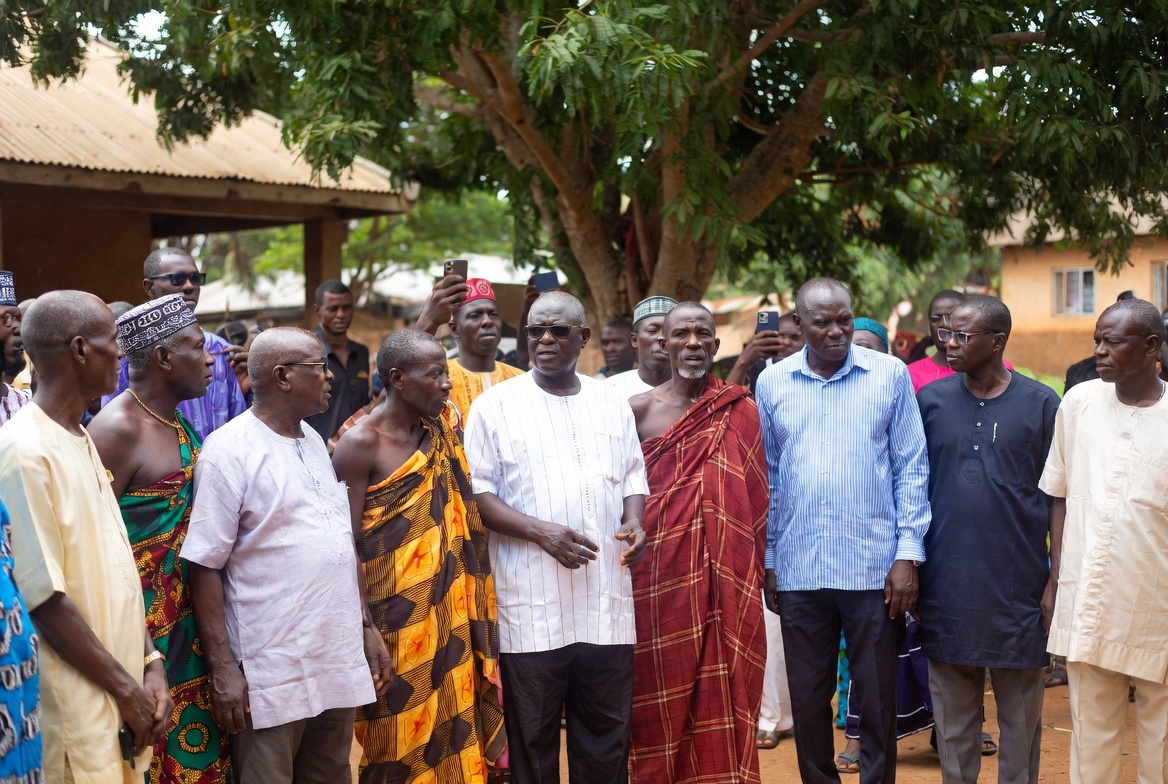
One elder said in our language, “A single tree cannot make a forest.” Hearing those words in Akum carried a depth and emotion that English could not fully capture. It was more than just a proverb — it was a reminder that in our culture, strength, healing, and survival come through togetherness and community.
Later, the women began singing traditional Akum songs. Their voices rose gently yet powerfully, almost like a prayer carried by the wind. Even in mourning, the songs reflected resilience and hope. They reminded us that the spirit of our people continues to live through language, music, and shared memory.
That experience taught me something important: language is not simply a tool for communication. It carries our wisdom, humor, emotions, history, and identity. Listening to the funeral rites in Akum made me realize that if we lose our language, we also risk losing the deeper meanings and cultural knowledge that only our mother tongue can express.
Since that day, I have made a conscious effort to speak Akum more often with my elders and to learn the traditional proverbs and expressions of our people. In our village, culture is not preserved through monuments or museums alone — it lives in the everyday acts of speaking, singing, storytelling, and remembering together.