
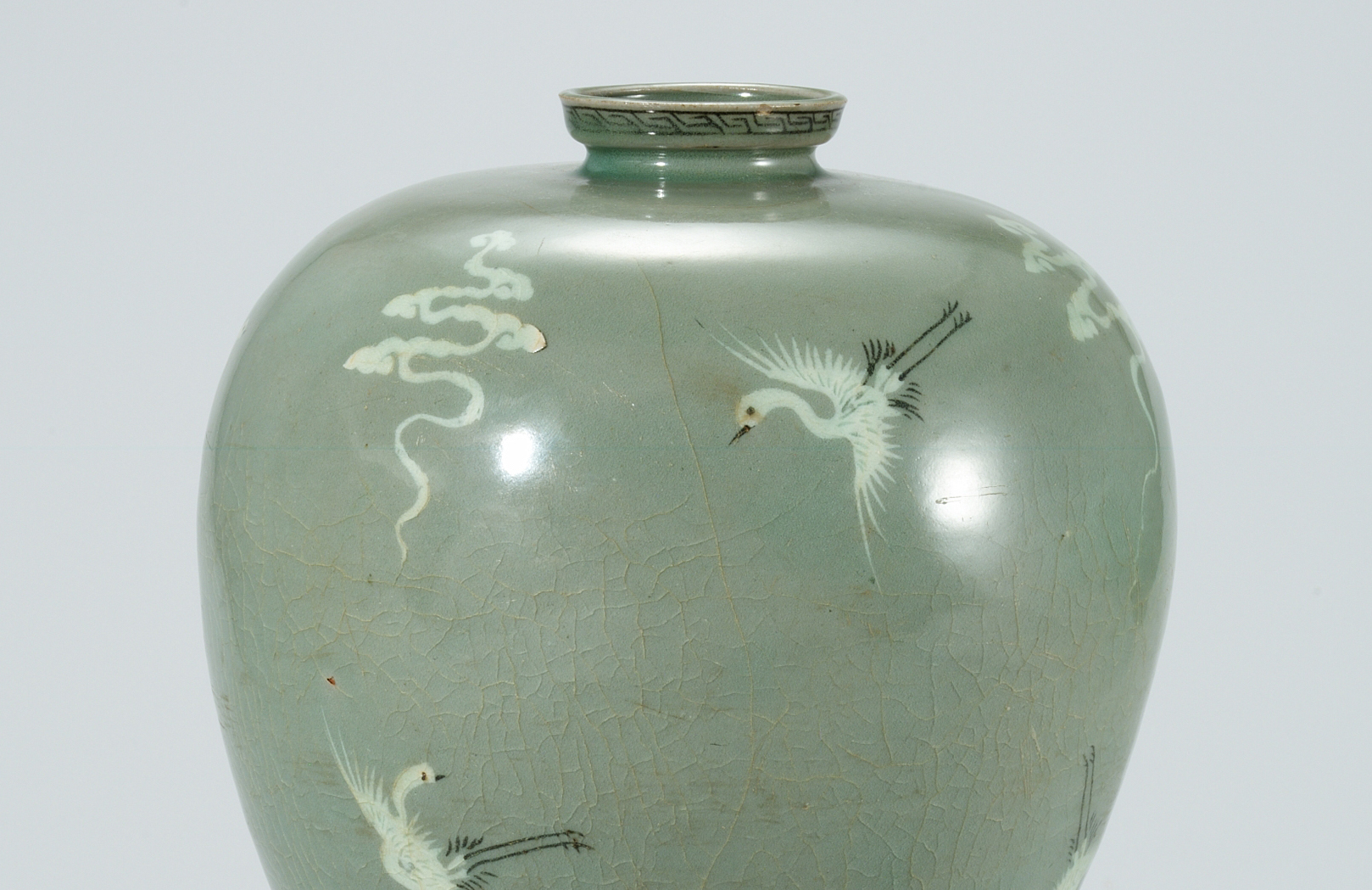
photo of a traditional art piece
Significance:
What it is: Celadon is a type of ceramic ware famous for its elegant jade-green color, achieved through special glazing and firing techniques. The piece above features inlaid designs (sanggam) with cranes and clouds — classic motifs.
History: It reached its peak during the Goryeo Dynasty (918–1392) and is considered one of Korea’s greatest cultural treasures. UNESCO has recognized Korean celadon as a masterpiece of human creative genius.
Cultural Meaning:
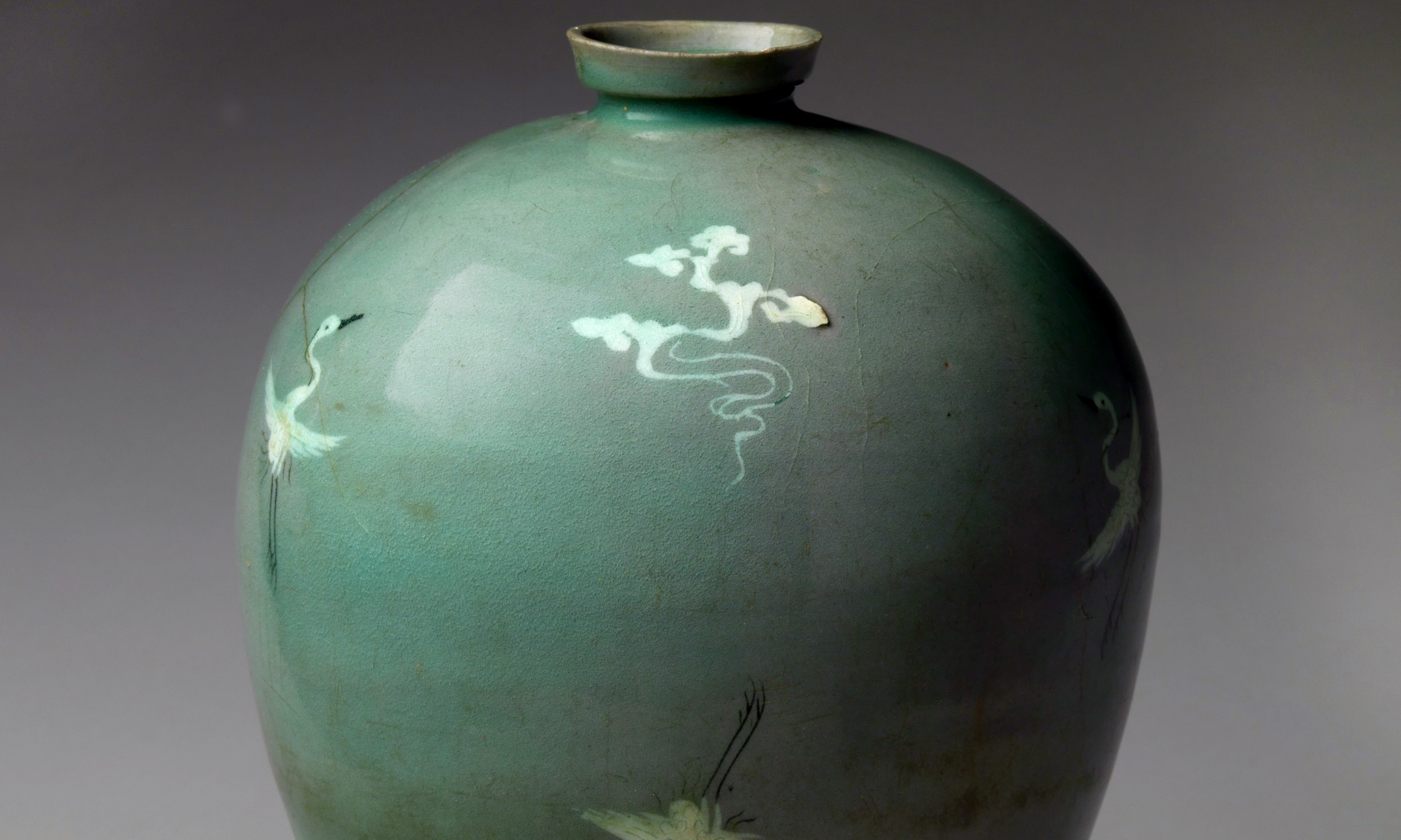
Symbolizes purity, harmony with nature, and refinement.
Cranes represent longevity and good fortune.
It reflects Korean aesthetics of simplicity, balance, and subtle beauty (“less is more”).
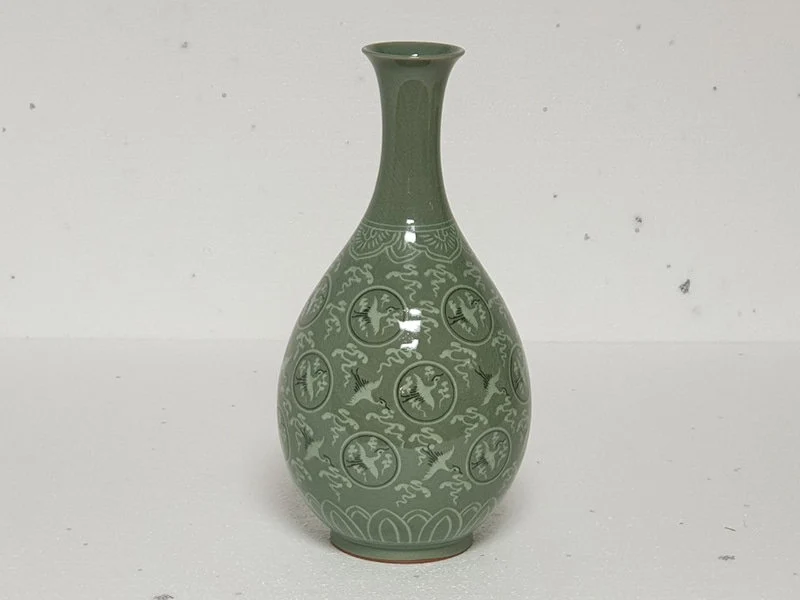
Modern Role: Still handmade by master artisans today. Used in important ceremonies, as gifts for special occasions, and displayed in homes to honor heritage.
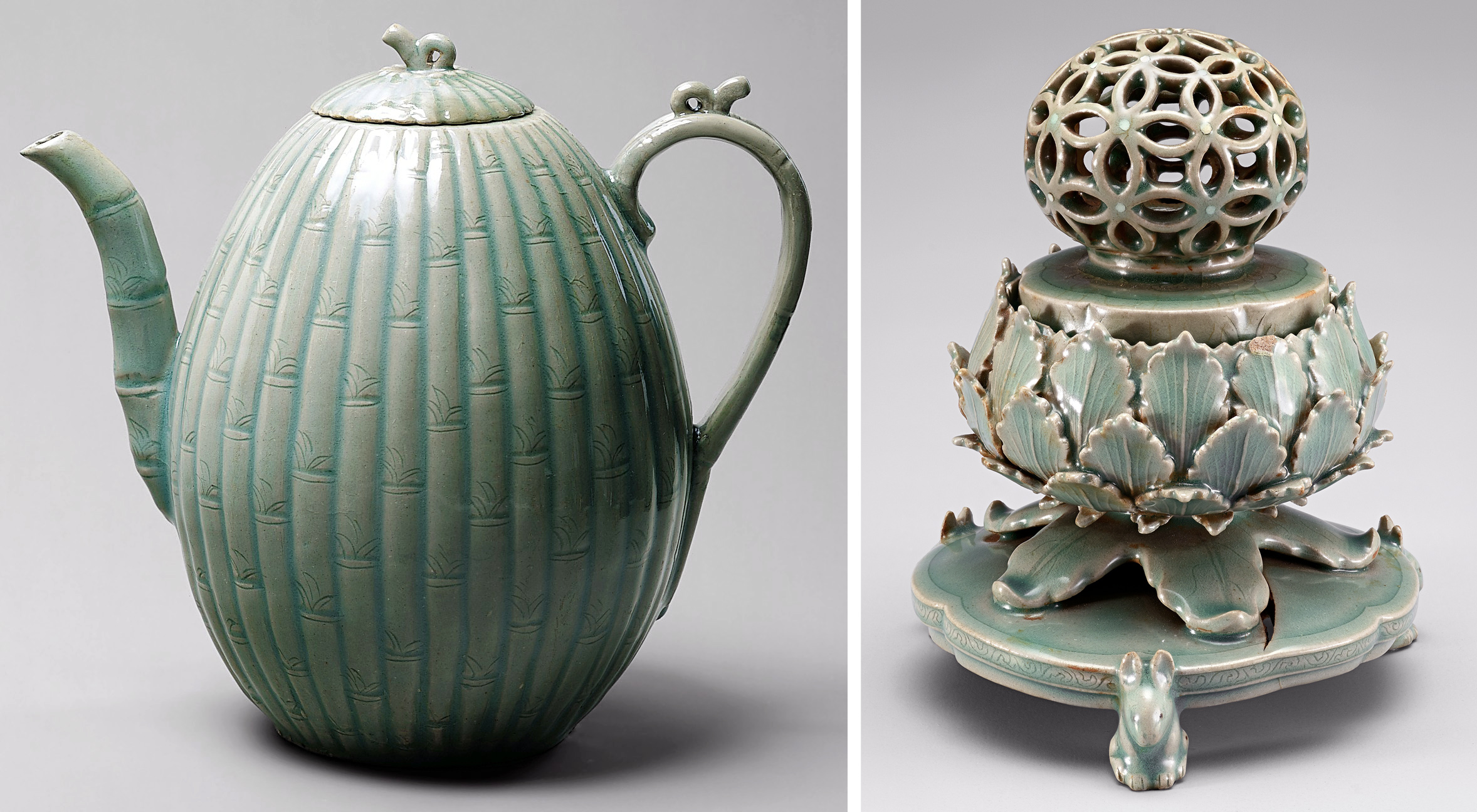
This craft beautifully embodies Korean values of patience, artistry, and connection to nature. Many families treasure celadon pieces as heirlooms passed down through generations.