斯瓦希里文化解析:语言、传统与海岸身份
 谷歌 Play
 华为应用市场
 三星商店
三星商店
斯瓦希里文化解读:语言、传统与海岸身份 斯瓦希里文化代表了一幅丰富多彩、错综复杂的挂毯,精心编织而成…

Swahili Culture Explained: Language, Traditions & Coastal Identity
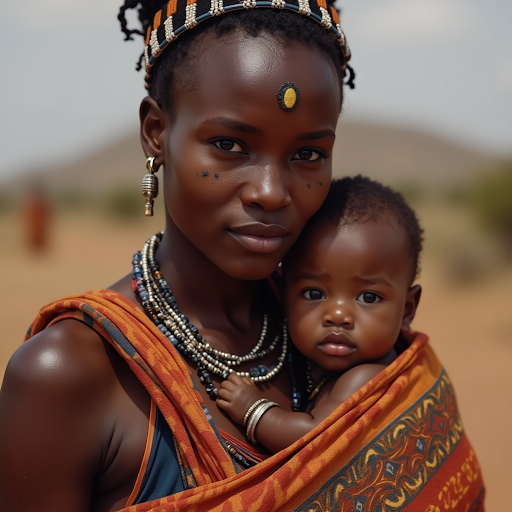
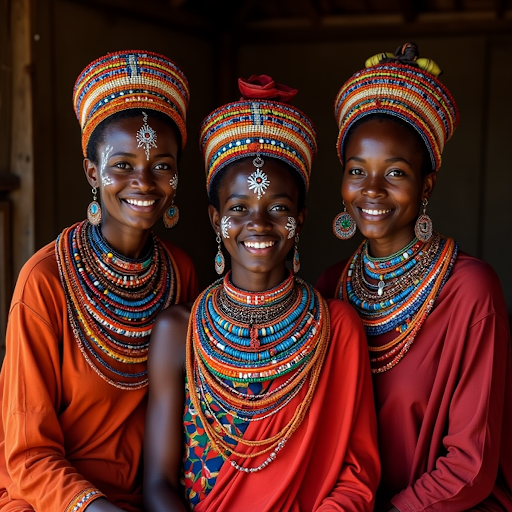
The Swahili culture represents a vibrant and intricate tapestry, meticulously woven from centuries of trade, extensive interaction, and continuous evolution along the East African coast. Spanning the coastal regions of Kenya and Tanzania, and extending into parts of Mozambique, the Swahili people have forged a truly unique identity, defined by their distinctive language, deeply rooted traditions, and a dynamic maritime lifestyle.
Language: The Heart of Swahili Identity
At the very core of Swahili culture lies the Kiswahili language.
- Linguistic Roots and Influences: Kiswahili is a Bantu language that has absorbed significant influences from Arabic, Persian, Portuguese, and English. This linguistic blend is a direct result of historical trade routes and colonial encounters.
- Beyond Communication: Today, Kiswahili serves as more than just a means of communication for the Swahili people; it is also a national language in several East African countries.
- Cultural Preservation: The language plays an absolutely vital role in preserving cultural identity, with numerous proverbs, poems, and songs reflecting the unique Swahili worldview and historical experiences.
Traditions
Swahili traditions are rich and diverse, reflecting the multifaceted influences that have shaped the culture over time.
- Islamic Faith: A core component of Swahili identity is its predominantly Islamic faith and practices. Islam has profoundly influenced the region's architecture, cultural norms, and literary traditions.
- Cosmopolitanism from Trade: The culture evolved from centuries of bustling maritime trade, which fostered a highly cosmopolitan society. Merchants and ideas from diverse backgrounds intermingled, resulting in a wonderfully rich and complex cultural tapestry.
- Artistic and Literary Heritage: The Swahili people developed distinct architectural styles, characterized by coral stone and intricate carvings. They also cultivated a rich tradition of poetry and literature, often passed down through vibrant oral traditions and through profound proverbs.
Cuisine
Cuisine is an integral and celebrated aspect of Swahili culture, marked by a delightful variety of spices and flavors that vividly reflect the region's historical trade connections.
- Signature Dishes: Popular dishes such as biryani, pilau, and ugali highlight the cultural emphasis on rice, fresh seafood, and tropical fruits.
- Key Ingredients: The generous use of coconut milk is a hallmark of Swahili cooking, imparting a creamy richness and distinctive flavor to many meals.
- Street Food Culture: Street food stalls in coastal towns are vibrant focal points for both locals and visitors. They offer an enticing array of tasty snacks, including mishkaki (skewered meat), flavorful samosas, and refreshing, freshly squeezed sugarcane juice
Coastal Identity: Connection to the Sea
The Swahili people possess a deep-rooted and enduring connection to the Indian Ocean, with their coastal identity intricately shaped by centuries of maritime trade and fishing.
- Historical Trade Hubs: Historically, Swahili cities like Lamu, Zanzibar, and Kilwa were thriving trade centers, facilitating crucial commerce between Africa, the Middle East, and beyond.
- Enduring Maritime Legacy: This powerful maritime legacy continues to influence their daily way of life, with traditional dhow sailing remaining a common and picturesque sight along the coast.
Architecture Reflecting the Sea: The architecture of Swahili towns seamlessly blends functionality with aesthetic appeal. Buildings, often constructed from coral stone, are adorned with intricate wooden carvings and feature large windows designed to allow cooling coastal breezes to pass through. The overall layout of these towns frequently reflects the community's profound connection to the sea, with markets bustling with fishmongers and active traders.In conclusion, Swahili culture embodies a dynamic synthesis of language, traditions, and a deeply ingrained coastal identity, creating a vibrant and distinctive way of life unique to East Africa. As globalization continues to shape cultural narratives worldwide, the Swahili people remain steadfast in their commitment to preserving their rich heritage while gracefully adapting to the ever-changing world around them. This resilience ensures that the unique spirit of the Swahili culture will continue to endure for countless generations to come.