斯瓦希里文化解析:语言、传统与海岸身份
 谷歌 Play
 华为应用市场
 三星商店
三星商店
斯瓦希里文化解读:语言、传统与海岸身份斯瓦希里文化是非洲最生动、历史最重要的文化之一...
Swahili Culture Explained: Language, Traditions & Coastal Identity
The Swahili culture is one of Africa’s most vibrant and historically significant cultural identities, shaped over centuries along the Indian Ocean coastline of East Africa. Stretching from southern Somalia through Kenya and Tanzania to northern Mozambique, Swahili culture has developed from centuries of interaction between African, Arab, Persian, and later Portuguese influences. The Swahili people, or Waswahili, have woven together a coastal identity that reflects maritime trade, cultural exchange, and a proud linguistic tradition anchored in the Swahili language, known as Kiswahili. Today, Swahili culture is not just a heritage preserved in coastal towns it is a living, evolving identity that continues to influence modern African arts, language learning, and cross-cultural connections.
The Swahili Language: A Bridge Between Africa and the World
The Swahili language is at the very heart of this cultural identity. As a Bantu language enriched with Arabic vocabulary, Kiswahili became the lingua franca of trade and diplomacy in East Africa for centuries. This linguistic blend reflects the cultural fusion that took place along the coast. Learning Swahili is more than just mastering words; it is an entry into understanding the shared history of African maritime trade, Islamic scholarship, poetry, and storytelling. For many African diaspora learners, studying Kiswahili is an act of reconnecting with ancestral roots and participating in a language that is recognized as one of the African Union’s official working languages. By embracing Swahili, learners engage with a living cultural heritage that extends beyond borders.
Life Along the Indian Ocean Coastline
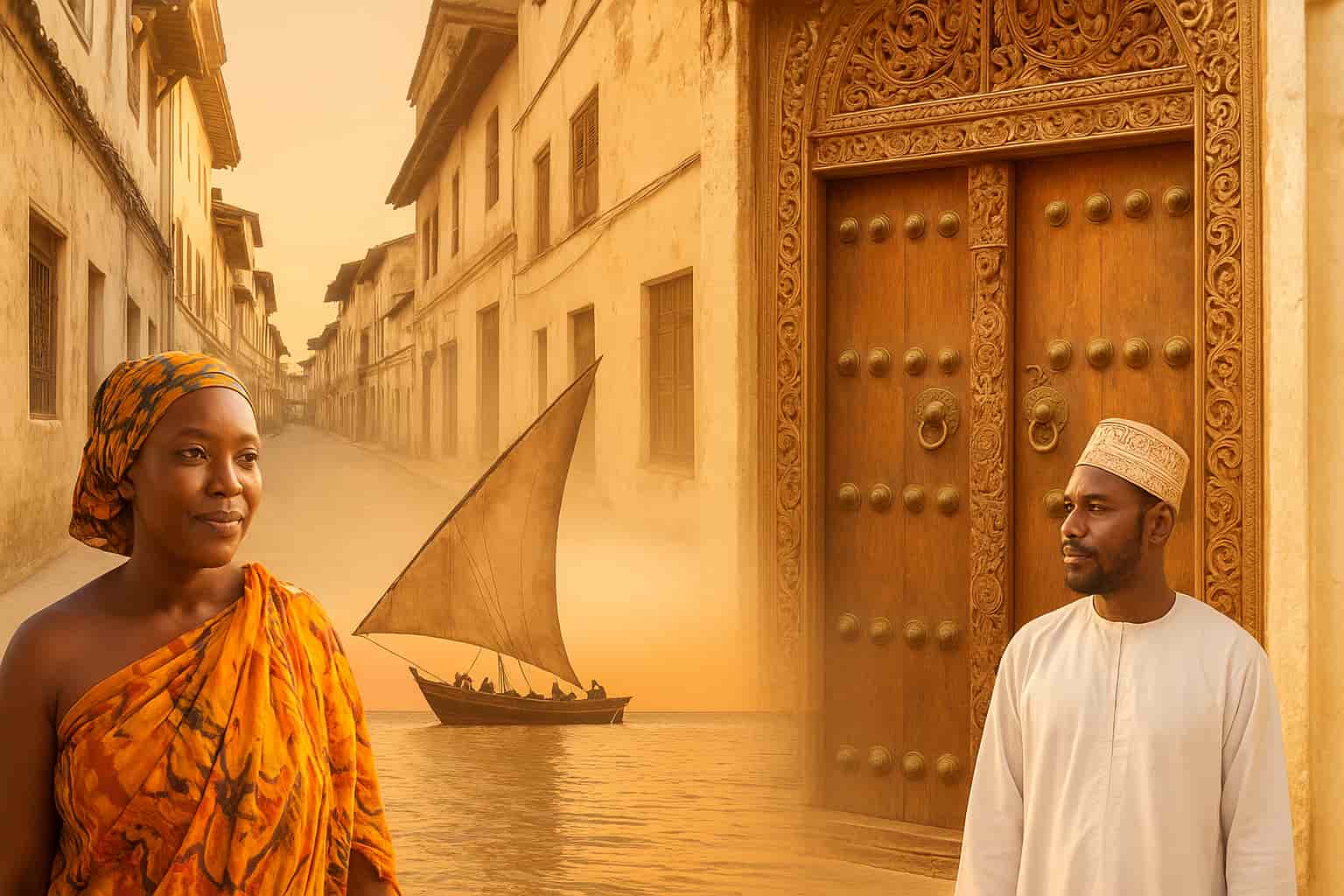
The traditional Swahili lifestyle is deeply tied to the Indian Ocean. Fishing, sailing, and trading remain central to many communities, with the iconic dhow boats still used today. These vessels are not just tools of transport they are symbols of resilience, craftsmanship, and coastal identity. Swahili architecture, as seen in historic towns like Lamu in Kenya and Stone Town in Zanzibar, reveals intricate coral-stone buildings, carved wooden doors, and open courtyards. These features are not merely aesthetic; they are functional designs adapted to the tropical climate and the social customs of extended family life. Visiting these towns immerses travelers in a tangible timeline of African and Arabic cultural fusion.
Faith, Festivals, and the Rhythm of Life
Religion also plays a central role in Swahili culture, with Islam influencing daily life, community events, and artistic expression. Friday prayers at the mosque, the celebration of Eid, and the observance of Ramadan form key moments in the annual cycle. Yet Swahili culture also preserves pre-Islamic customs in its music, dance, and storytelling. Traditional performances such as taarab music a poetic blend of African rhythms and Arabic melodies demonstrate the cultural openness and adaptability of the Swahili people. For language learners, listening to taarab or Swahili poetry offers a lyrical gateway into mastering rhythm, vocabulary, and pronunciation.
Flavors of the Coast: Swahili Cuisine
Swahili cuisine reflects the same fusion of influences that shaped its language and architecture. Spices such as cloves, cinnamon, and cardamom brought by traders from the Arabian Peninsula and India mingle with African staples like cassava, coconut, and plantains. Signature dishes such as pilau (spiced rice) and ugali (maize porridge) tell a story of shared trade routes and culinary exchange. Even mealtime greetings in Kiswahili, like “Karibu chakula” (Welcome to the meal), reveal the deep cultural emphasis on hospitality, which remains a defining value among Swahili communities.
Swahili Culture in the Modern World
In recent decades, Swahili culture has experienced a renaissance, driven in part by music, television, and literature. Swahili hip-hop, bongo flava from Tanzania, and modern poetry have brought traditional themes into contemporary forms. These new expressions not only entertain but also serve as vehicles for language preservation. They bridge generational gaps and keep Kiswahili relevant for younger speakers. For learners abroad, especially those from the African diaspora, engaging with Swahili pop culture can be an exciting supplement to formal study, making the learning process immersive and relatable.
A Language that Unites East Africa
Understanding Swahili culture also means recognizing its role as a unifier in East Africa. With over 200 million speakers, Kiswahili connects people across borders, religions, and ethnic backgrounds. It is taught in schools, used in government administration, and promoted as a tool for Pan-African unity. For malegado.com learners, this makes Swahili a strategic language to study one that not only opens cultural doors but also strengthens African solidarity in a globalized world.
Wisdom in Swahili Proverbs
Swahili proverbs capture much of this cultural wisdom, offering both linguistic and philosophical lessons. Sayings like “Bahari haikosi mawimbi” (The sea is never without waves) remind us that life’s challenges are constant, while “Haraka haraka haina baraka” (Haste has no blessing) encourages patience. Learning these proverbs allows students to grasp the cultural mindset, not just the grammar.
Why Learning Swahili is a Journey of Heritage
Ultimately, to understand the Swahili culture is to appreciate the seamless blend of African and external influences that have shaped its identity over centuries. From the lyrical beauty of Kiswahili to the aroma of coastal spices, from the call to prayer echoing through historic towns to the rhythmic beat of taarab, Swahili culture offers a rich, immersive experience. Whether you are a traveler walking the narrow streets of Stone Town, a student mastering verb conjugations, or a diaspora learner reclaiming your heritage, embracing Swahili is a journey into one of Africa’s most enduring cultural legacies.
Learn more about Swahili and other African languages on malegado.com.