
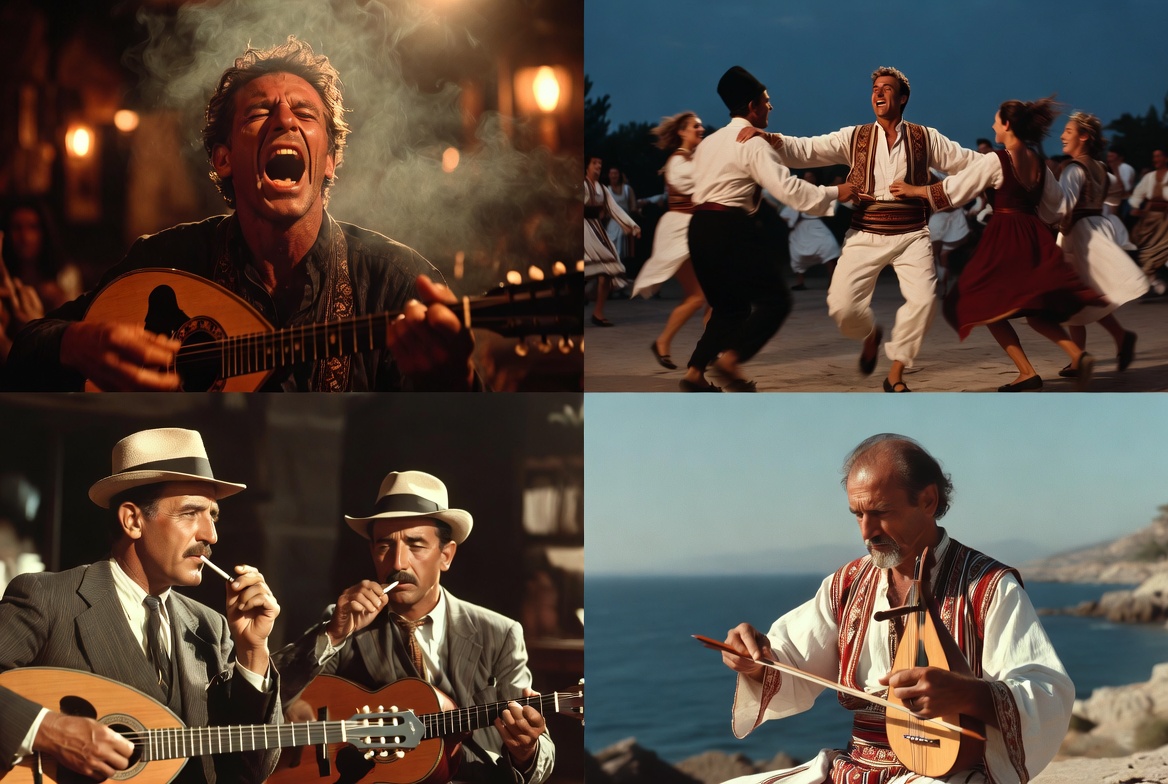
Greek Music & Dance Styles: Bouzouki, Syrtaki, and Island Rhythms
Greece has music for every mood: soulful rembetika for the heartbroken, circle dances for weddings, and the famous syrtaki that everyone knows from the movies.
1. Syrtaki (Zorba's Dance)

Most famous Greek dance worldwide (from film Zorba the Greek, 1964)
Slow then fast (starts slow, ends very fast)
Danced in a line or circle holding shoulders
Not a traditional folk dance (invented for the film)
Every tourist expects to see or learn this dance
Music: bouzouki and guitar
Easy for beginners (follow the person in front)
2. Rembetika (Greek Blues)
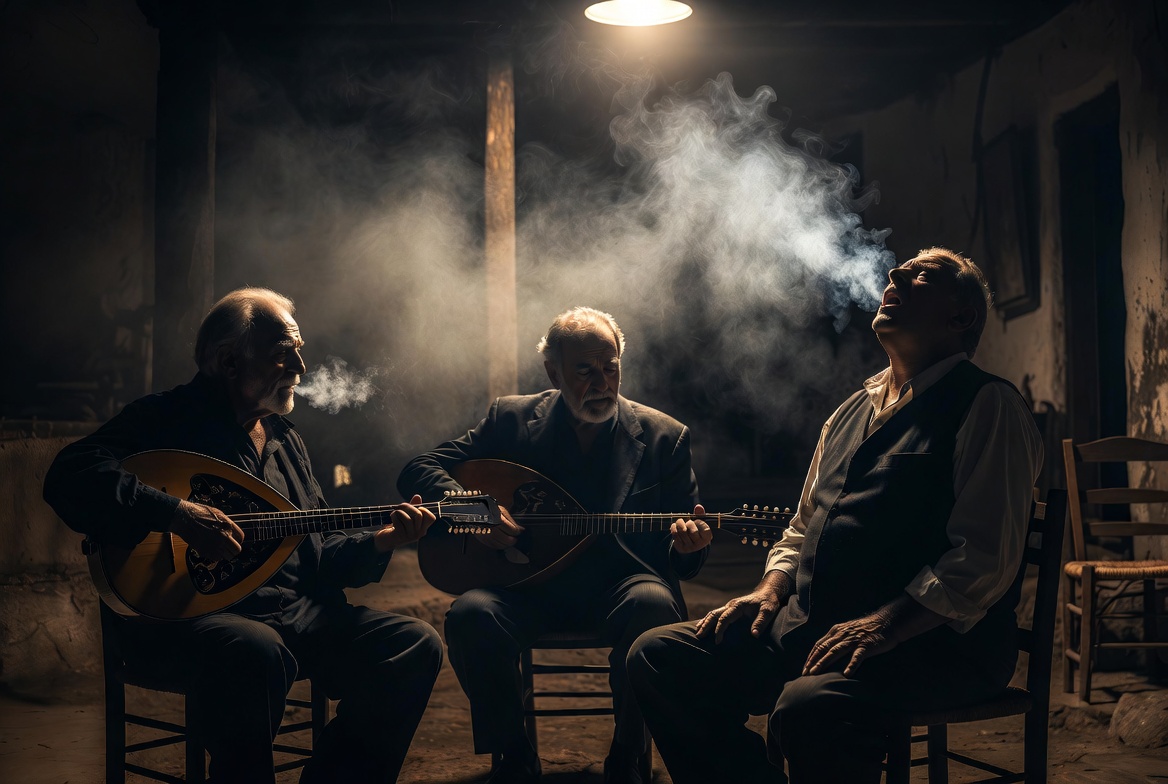
Born in prisons, hash dens, and ports (early 1900s)
Songs about love, loss, drugs, prison, exile
Called "Greek blues" because of sad lyrics
Banned for many years (considered low class)
Now considered classical Greek music
Instruments: bouzouki, baglama (small bouzouki), guitar
Singers often sit, not stand
3. Kalamatianos (Circle Dance)
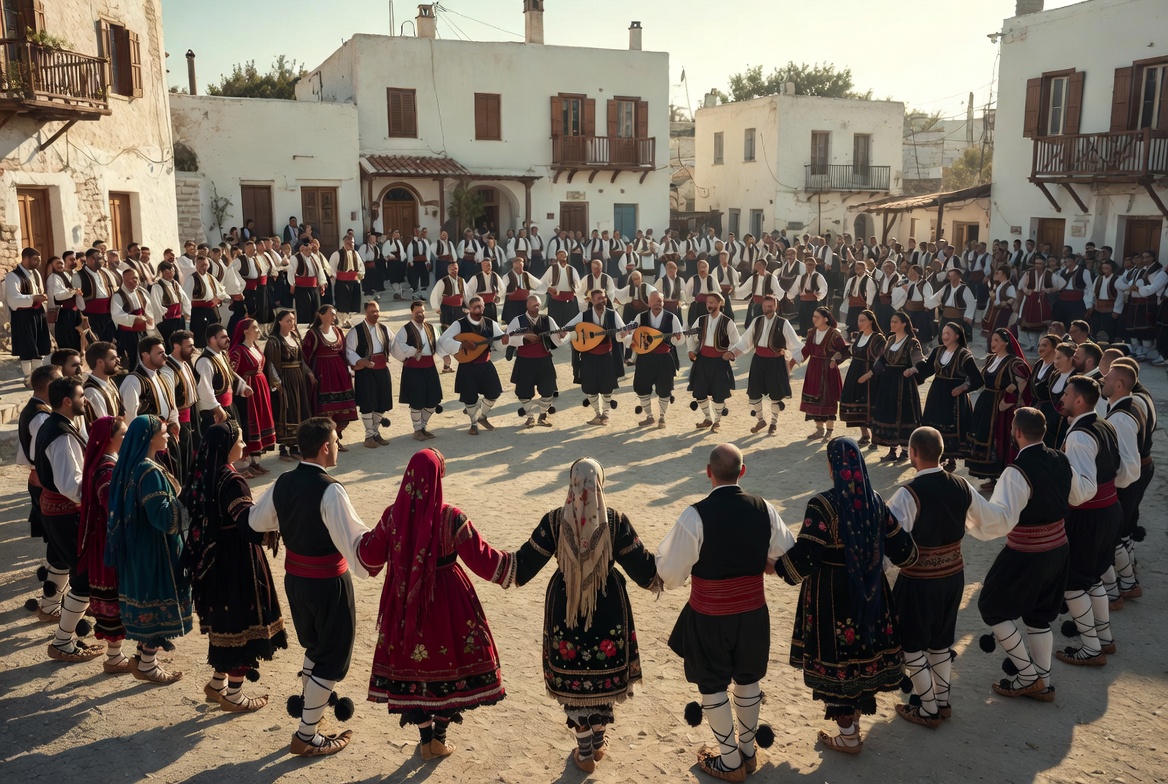
Most common traditional folk dance in Greece
Danced in an open circle (not closed)
Men lead, women follow (traditionally)
12-step rhythm (slow, slow, fast, fast, fast)
Danced at weddings, festivals, and parties
Everyone holds hands and moves right
Very old (traced to ancient times)
4. Hasapiko (Butcher's Dance)
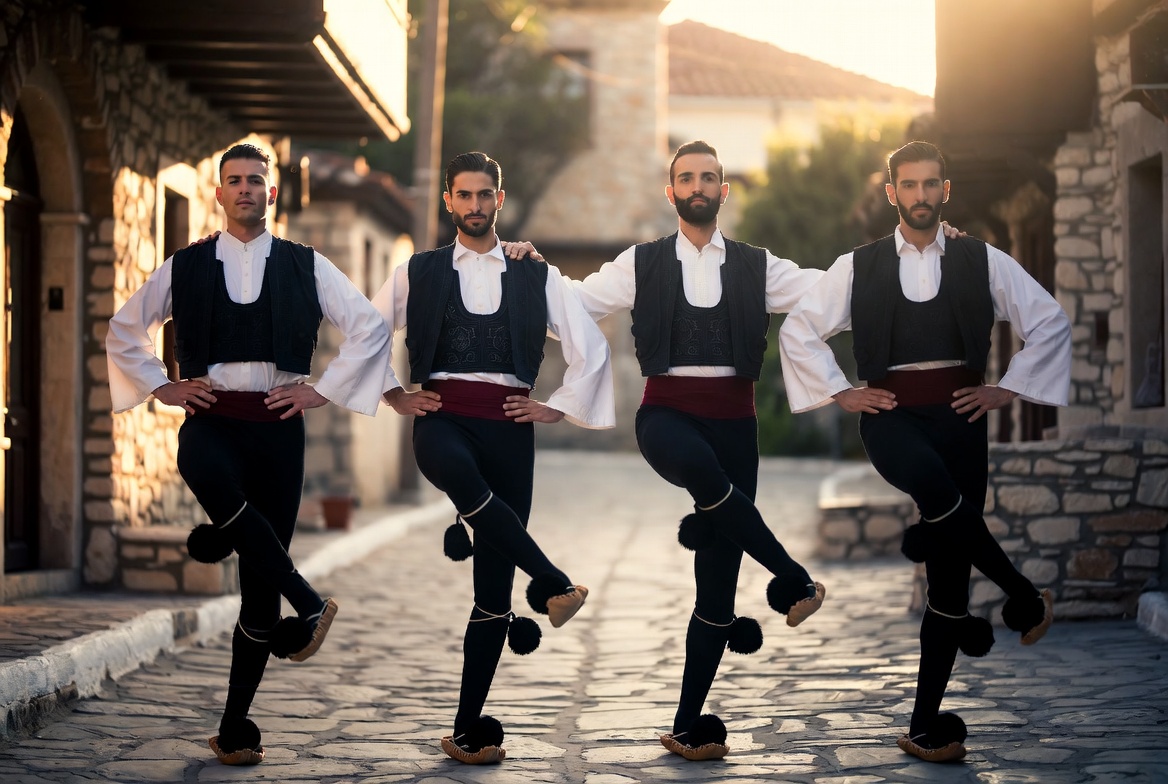
Originated in Byzantine times (butchers guild in Constantinople)
Slow, heavy, dignified dance (no jumping)
Danced in a straight line (not circle)
One hand on neighbor's shoulder
Steps are slow and stamping
Syrtaki was based on hasapiko (slow part)
Men traditionally dance this (now women too)
5. Zeibekiko (Solo Dance)
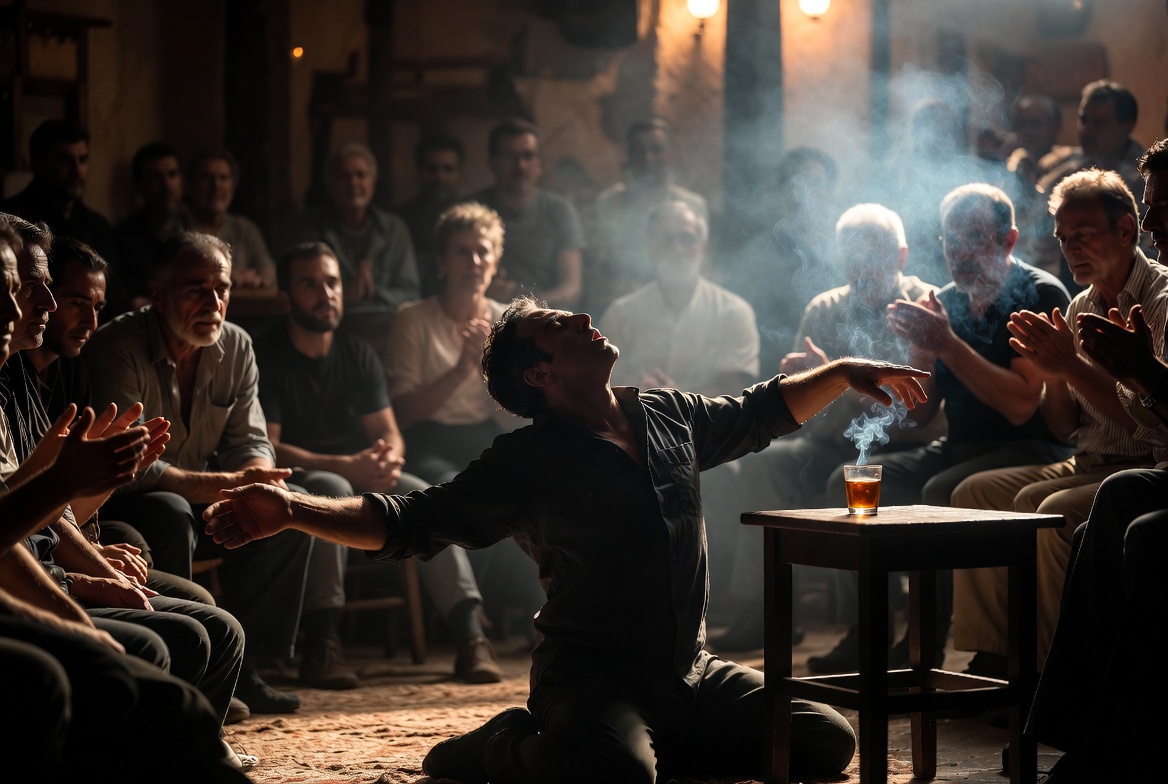
Danced by one man (traditionally)
Improvised (no fixed steps)
Drunk, sad, slow, dramatic
Other dancers sit in circle watching
Clapping and shouting "Opa!" encouraged
Music is slow 9-beat rhythm
Anyone can dance (no judgment, just feeling)
6. Pentozali (Cretan Dance)
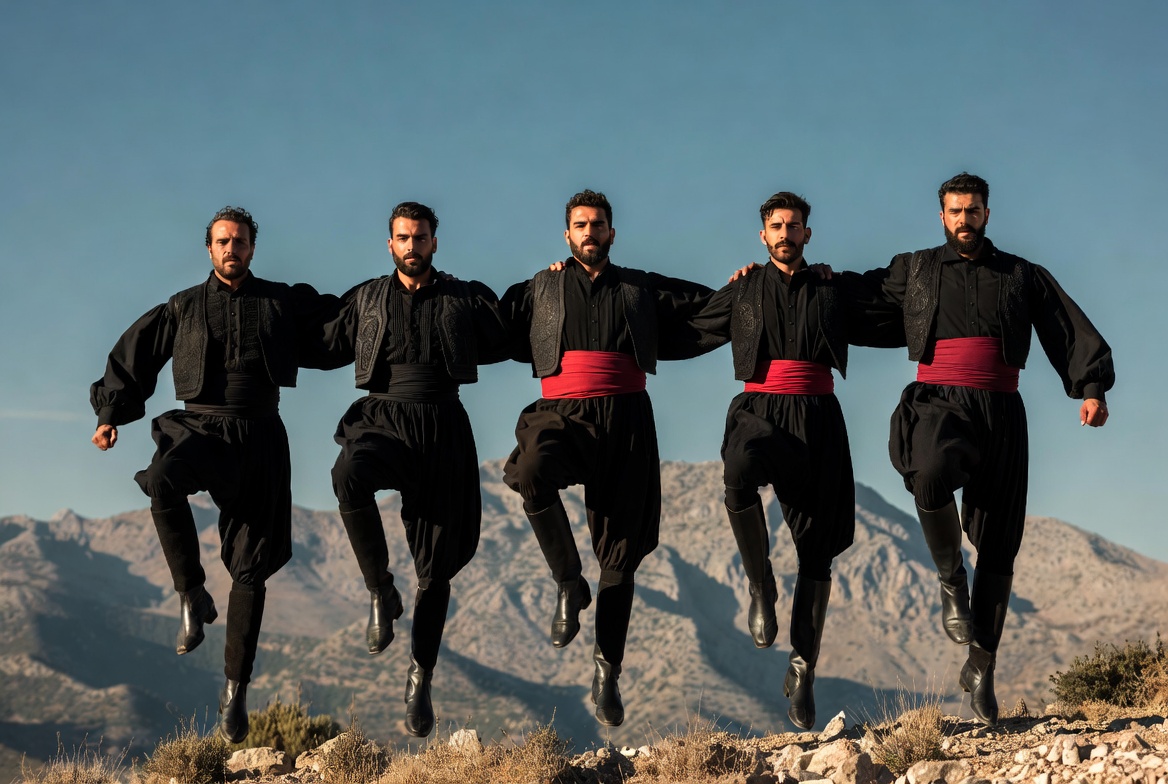
Originated in Crete (island's war dance)
Very fast and aggressive (men only traditionally)
Dancers jump high and kick legs
Named "five steps" (pente = five, zali = steps)
Represents Cretan resistance to invaders
Music: Cretan lyra (small violin) and laouto (lute)
Very tiring (30 seconds to exhaustion)