
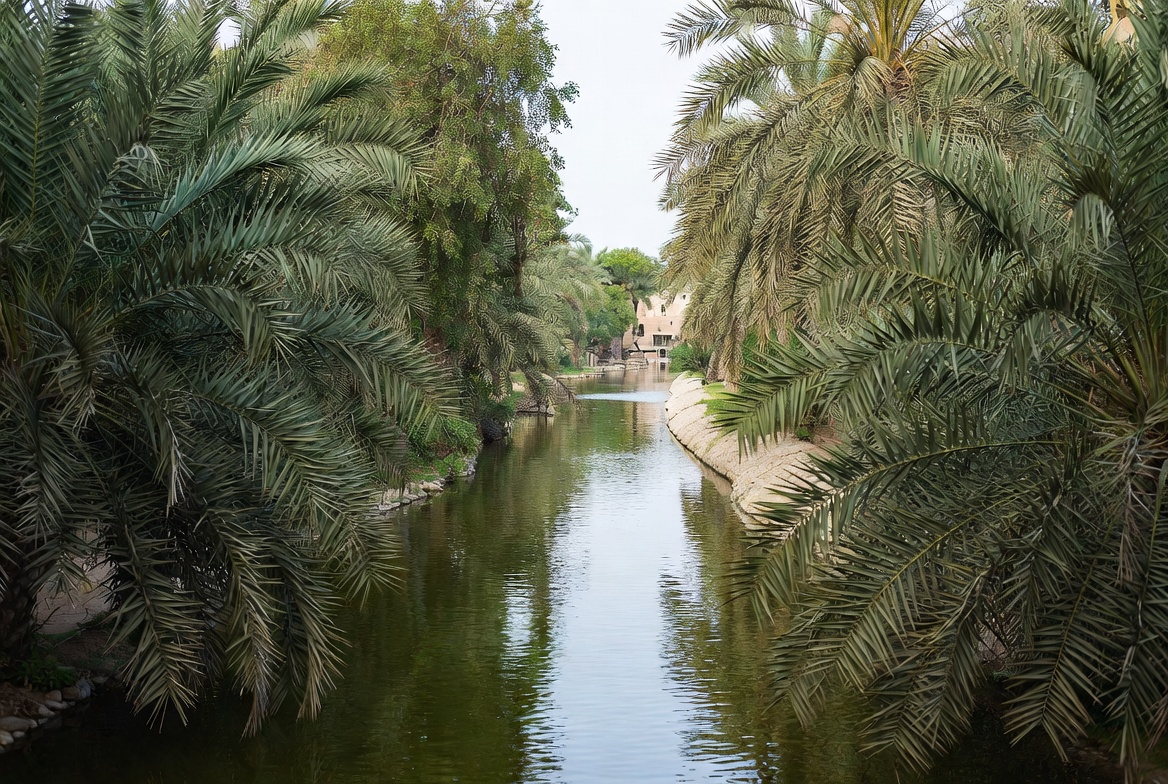
Historical landmarks in the UAE
Here are some of the most important historical landmarks in the UAE:
1. Al Fahidi Historical District (Dubai)
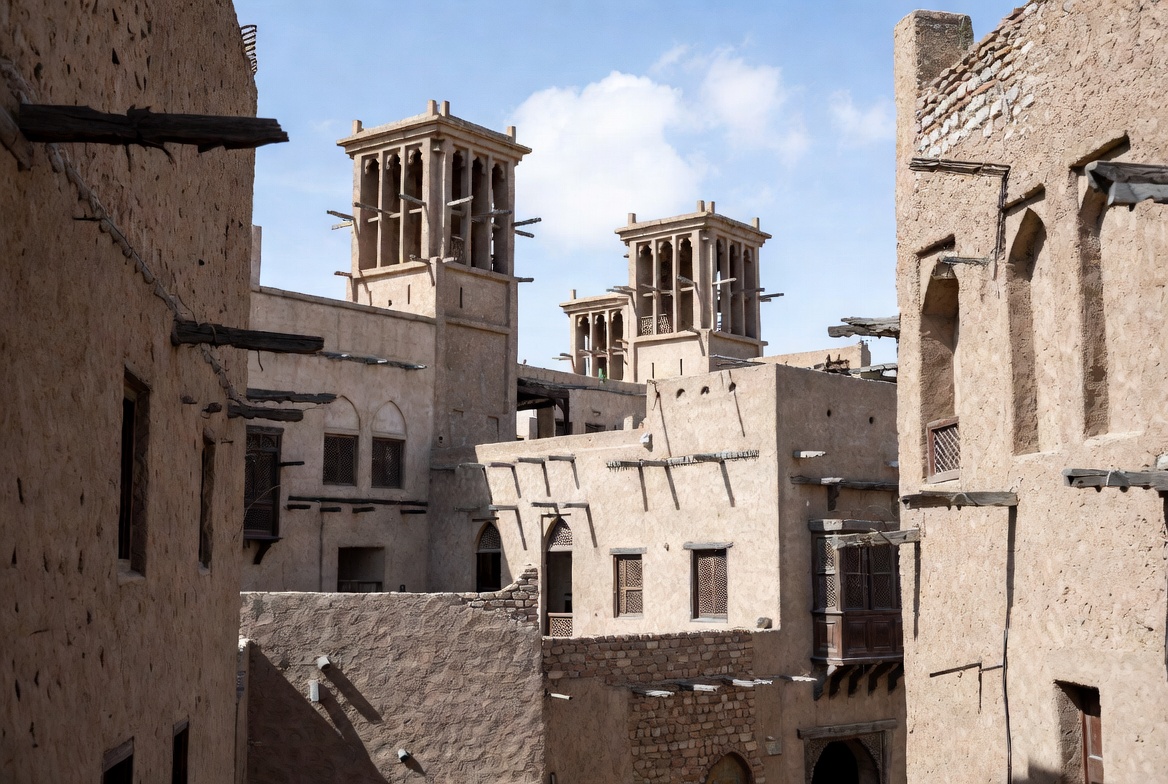
One of the oldest neighbourhoods in Dubai.
Features traditional wind-tower houses, narrow alleys, and museums.
Significance: Represents pre-oil era Dubai and traditional Emirati architecture and lifestyle.
2. Sheikh Zayed Grand Mosque (Abu Dhabi)
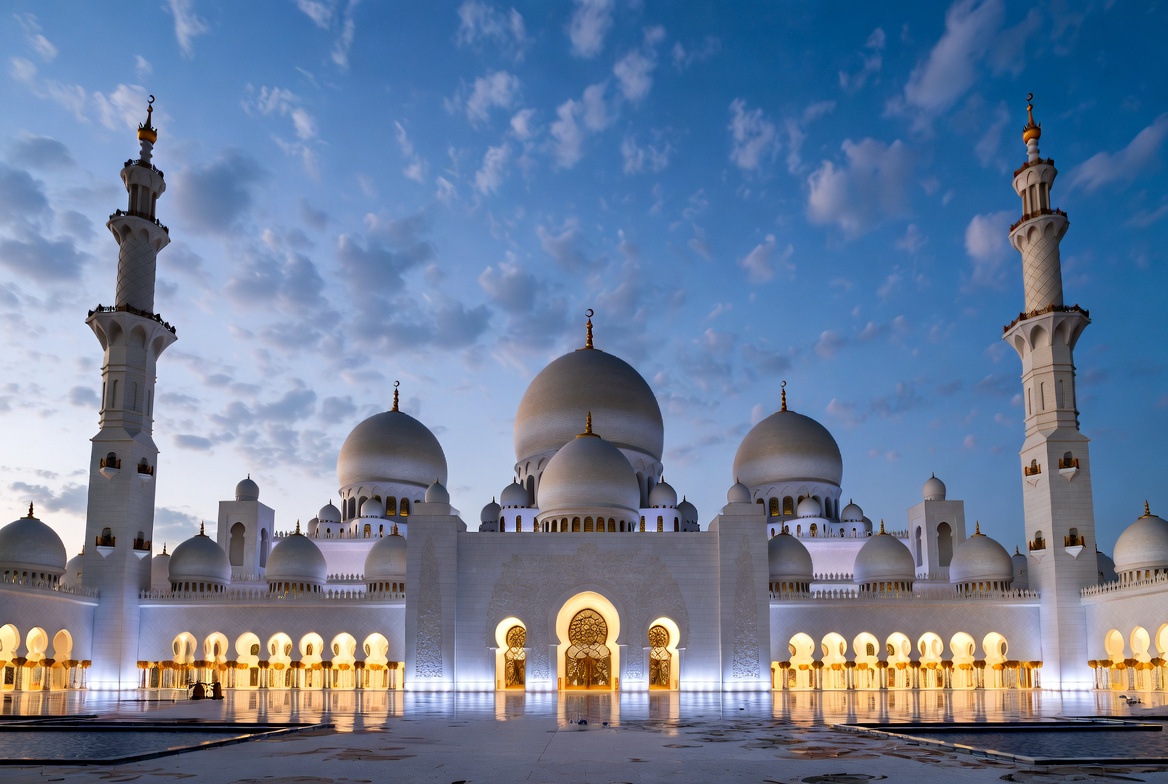
One of the largest mosques in the world.
Built in honour of the founding father, Sheikh Zayed bin Sultan Al Nahyan.
Significance: Symbol of Islamic culture, unity, and the vision of the UAE’s founder.
3. Qasr Al Hosn (Abu Dhabi)
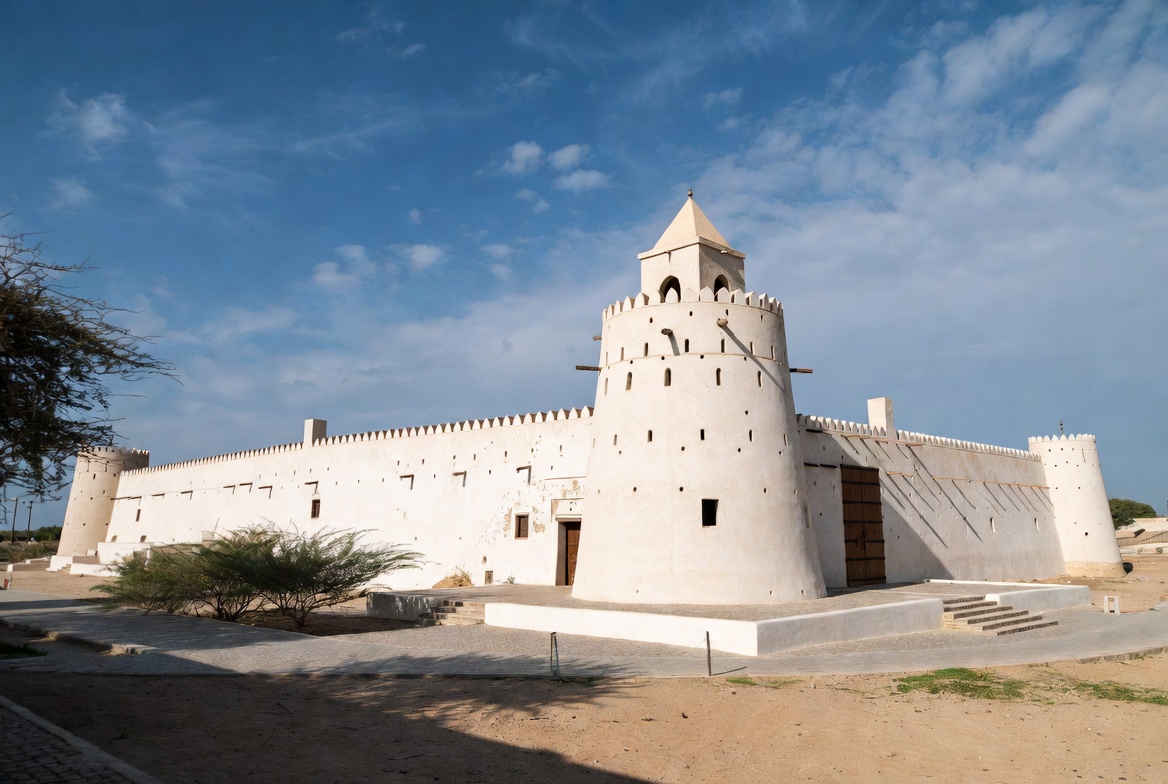
The oldest stone building in Abu Dhabi (built in 1793).
Former residence of the ruling Al Nahyan family.
Significance: Represents the history of Abu Dhabi’s ruling family and the birth of the modern emirate.
4. Jebel Hafit (Al Ain)
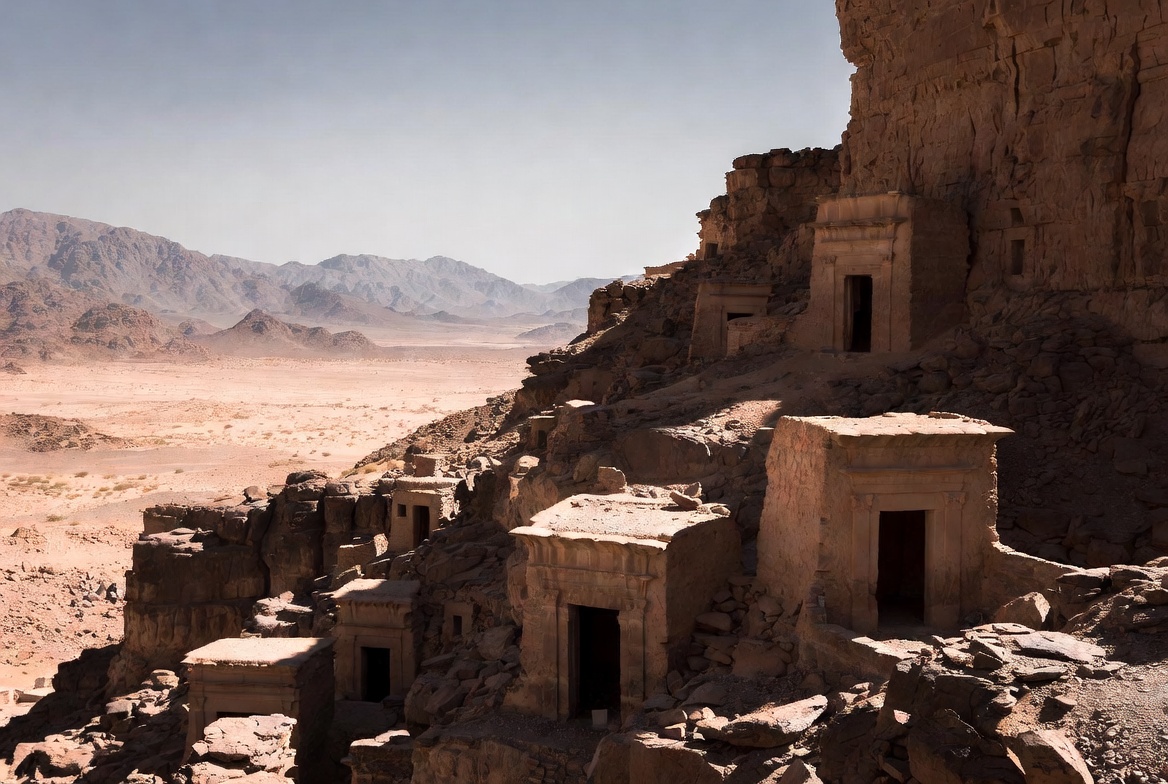
Ancient Bronze Age tombs dating back over 5,000 years.
UNESCO World Heritage Site.
Significance: One of the oldest archaeological sites in the Arabian Peninsula.
5. Al Ain Oasis
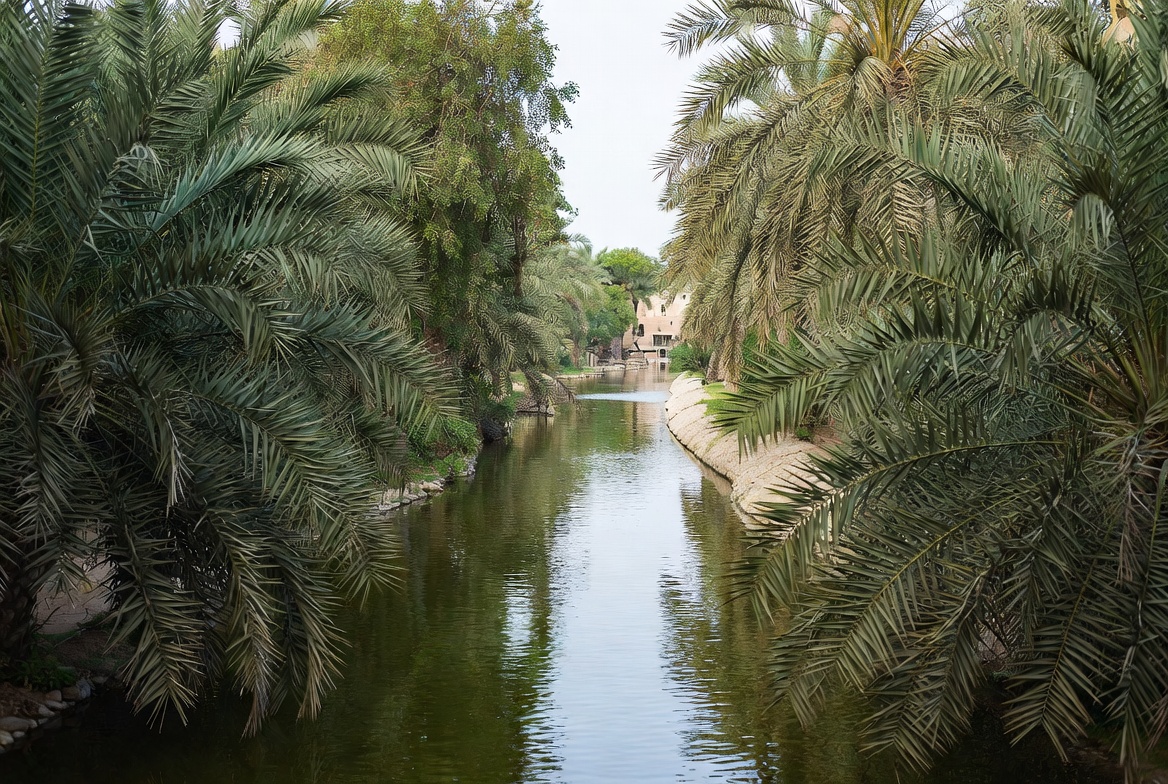
Large traditional date palm oasis with ancient falaj irrigation system.
UNESCO World Heritage Site.
Significance: Shows the ingenuity of early Emiratis in desert agriculture and sustainable living.
6. Sharjah Heritage District
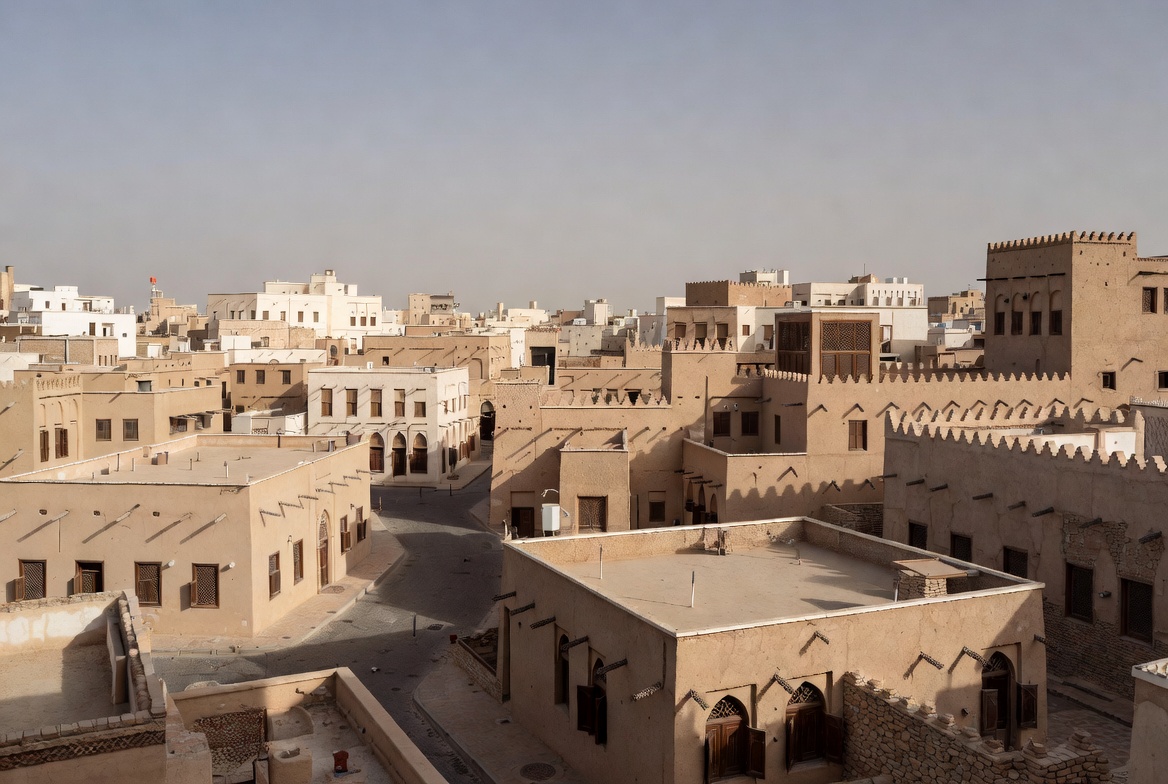
Traditional souks, museums, and restored houses.
Significance: Preserves Emirati arts, crafts, and cultural heritage.
7. Fujairah Fort
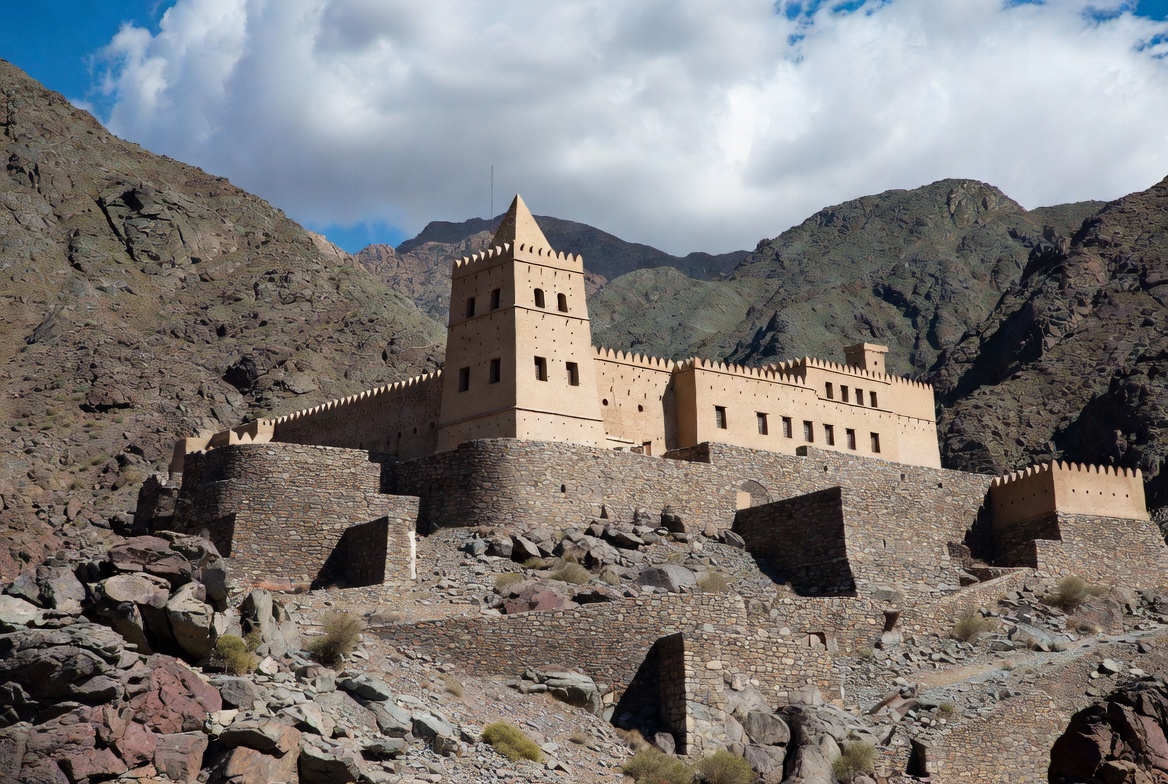
One of the oldest forts in the UAE.
Significance: Symbol of defence and historical governance in the eastern region.