
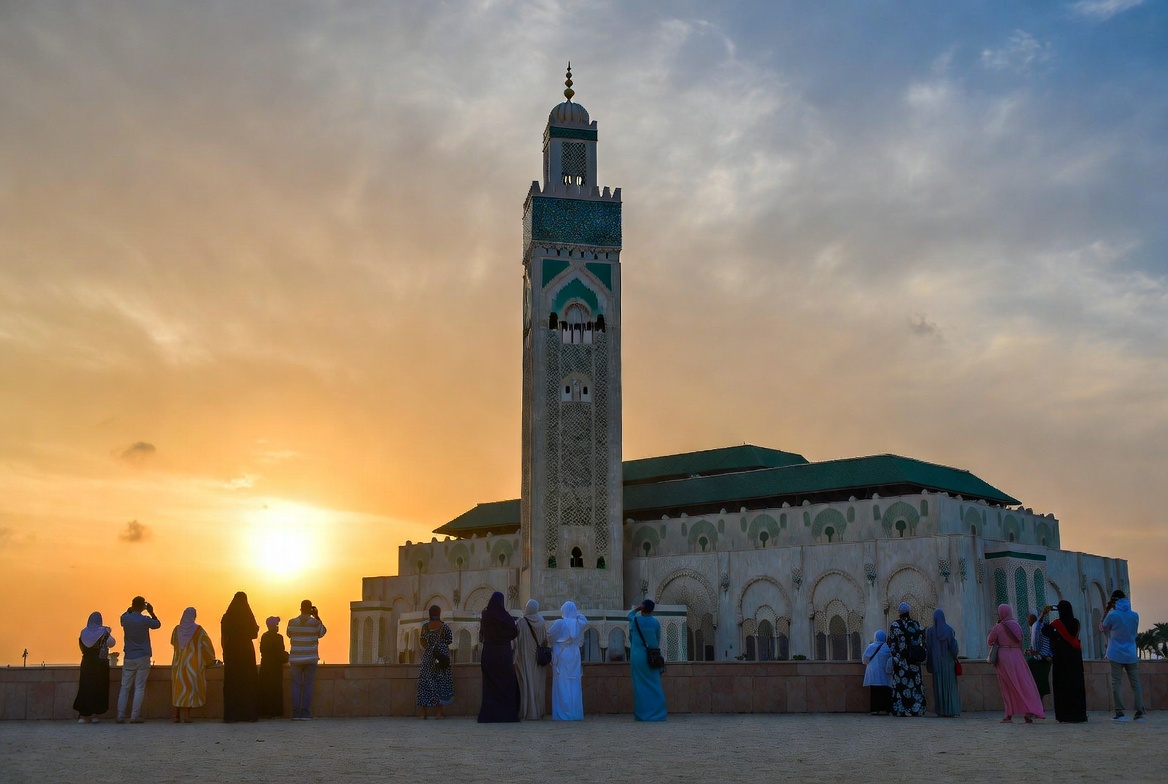
Moroccan Customs & Etiquette
Morocco is a welcoming, culturally rich country with a predominantly Muslim population, blending Arab, Berber, and other influences. Respecting local customs helps you connect better with people, avoid misunderstandings, and have a smoother trip. Here's a practical guide to key etiquette for tourists, based on common recommendations.
1. Dress Modestly and Appropriately
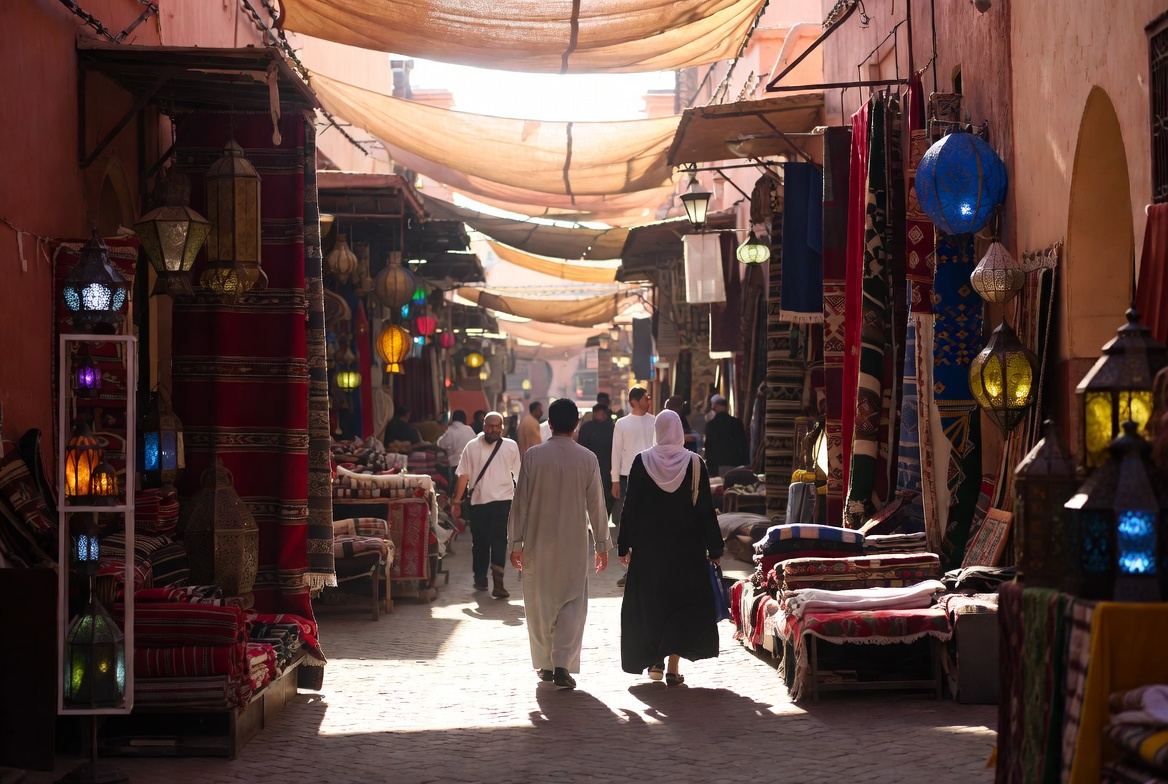
Cover shoulders, knees, and chest, especially in medinas, rural areas, religious sites, and smaller towns. Loose, lightweight clothing (long skirts/trousers, shirts with sleeves) is ideal and practical in the heat.
Women: A light scarf is useful for covering hair when needed (e.g., at certain sites). Not mandatory everywhere but respectful.
Men: Avoid shorts and sleeveless tops in traditional or conservative areas.
Beaches (like Agadir or Essaouira) are more relaxed for swimwear, but cover up when leaving the beach.
During Ramadan, dress even more conservatively.
Why it matters: Morocco is more liberal than some neighbors, but modest dress shows respect and often earns warmer interactions.
2. Greetings and Social Interactions
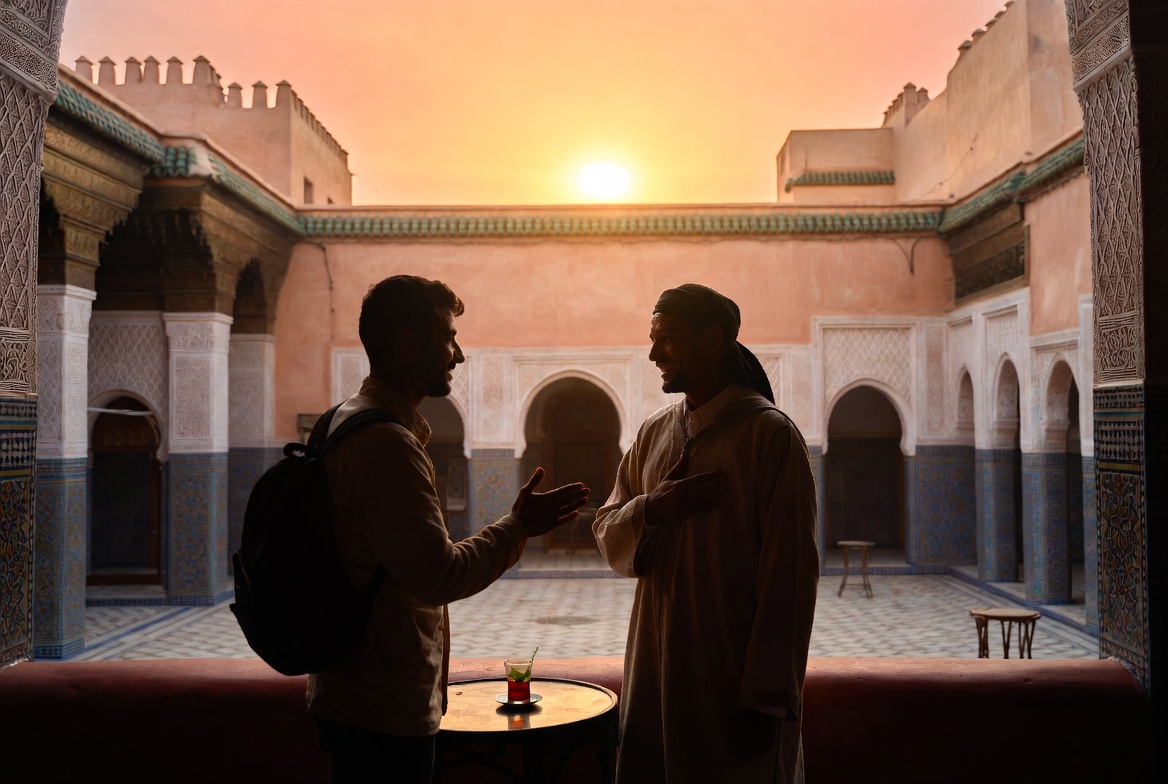
Use basic Arabic phrases: "As-salamu alaykum" (Peace be upon you) and reply "Wa alaykum as-salam." "Salam," "Shukran" (thank you), and "Min fadlik" (please) go a long way.
Greet people, especially elders first. Handshakes are common (right hand); same-gender friends may do cheek kisses. Wait for cues with the opposite sex— a nod or hand over the heart is a safe, respectful alternative.
Accept hospitality like mint tea graciously—it's a sign of welcome. Small talk is important; don't rush interactions.
3. Dining Etiquette
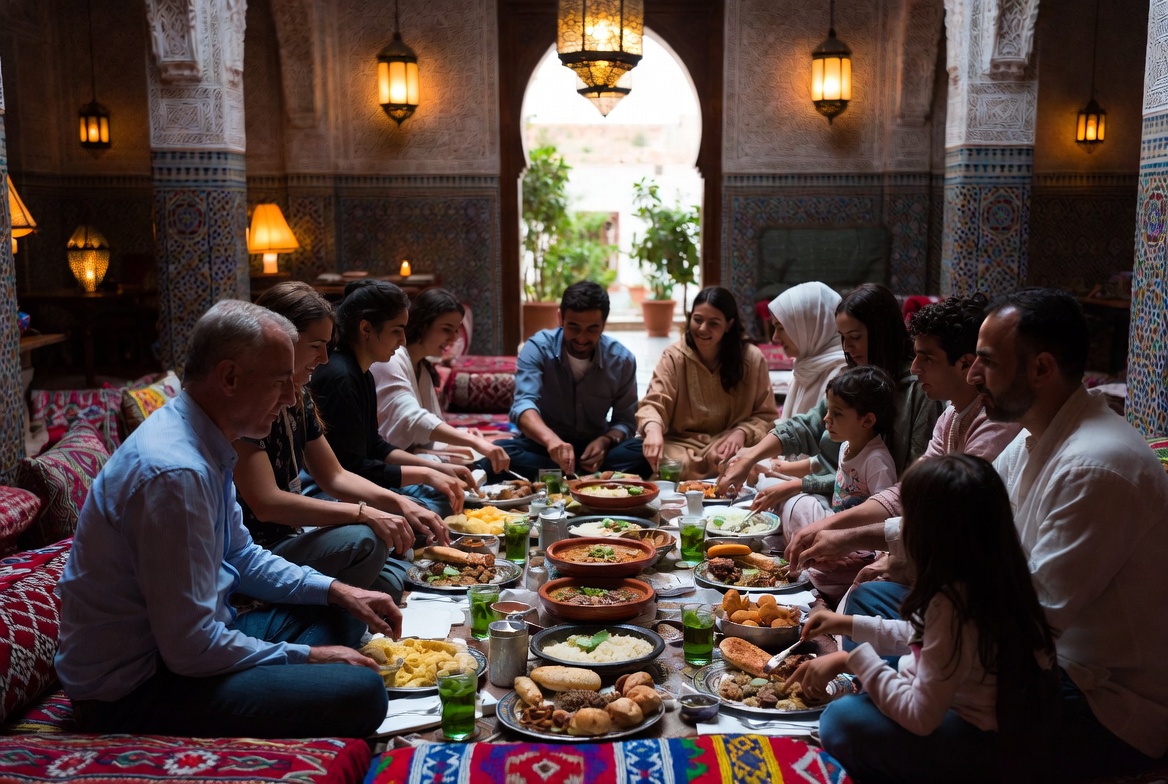
Eat with your right hand (left hand is traditionally for hygiene).
In homes or with communal tagine/couscous: Eat from the portion closest to you; use bread to scoop.
Compliment the food. Accept offers politely—refusing multiple times can seem rude, but you don't have to finish everything.
In restaurants, cutlery is fine. Tipping (10-15%) is appreciated but not always mandatory.
4. Mosques and Religious Sites
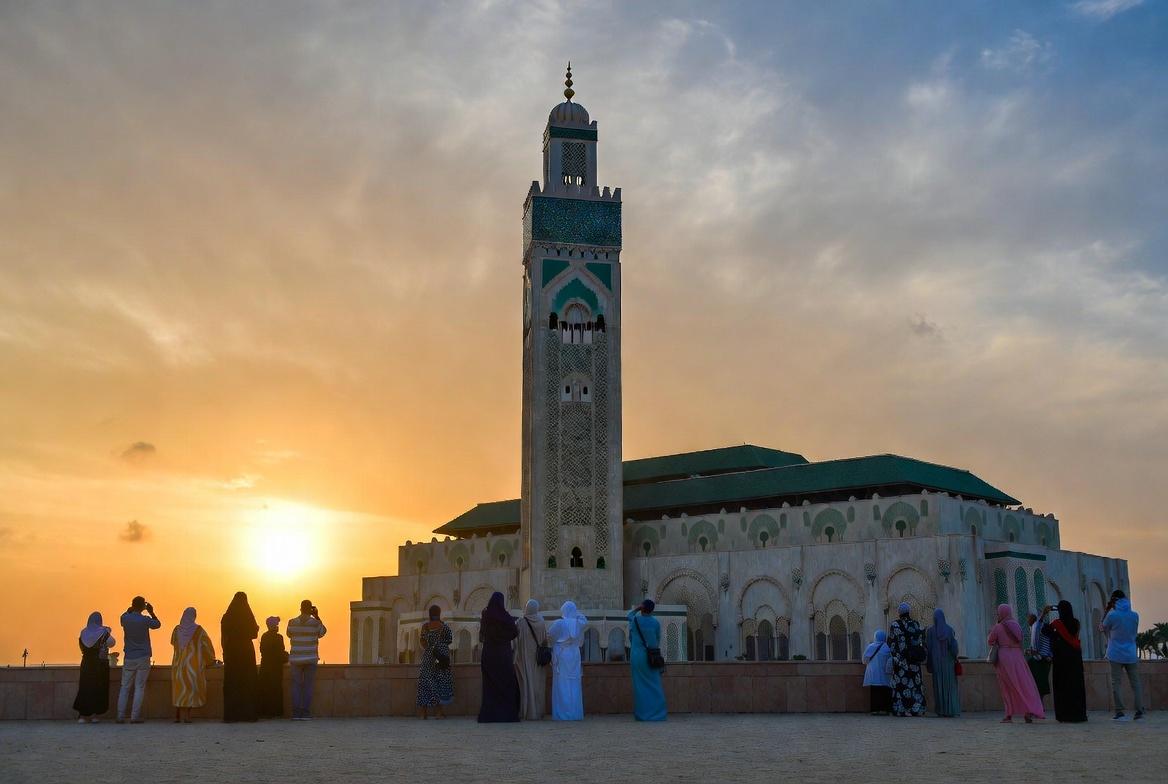
Most mosques are off-limits to non-Muslims (Hassan II Mosque in Casablanca is a key exception with guided tours).
Remove shoes, dress modestly (women: cover hair), speak quietly, and avoid flash photography.
Be discreet near mosques during prayer times.
5. Photography and Privacy
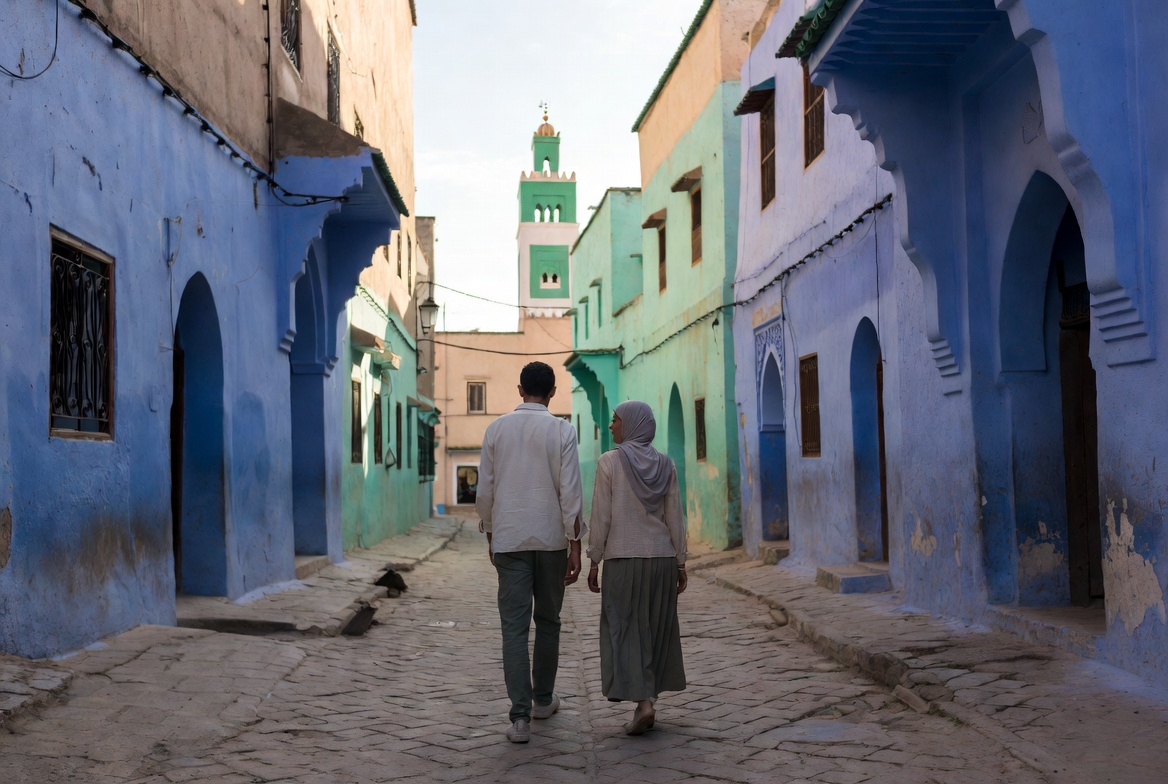
Always ask permission before photographing people ("Mumkin tsawer?"). Respect "no" without argument.
Some artisans or workers may expect a small tip.
Never photograph military, police, government buildings, or sensitive sites.
6. Bargaining in Souks/Markets
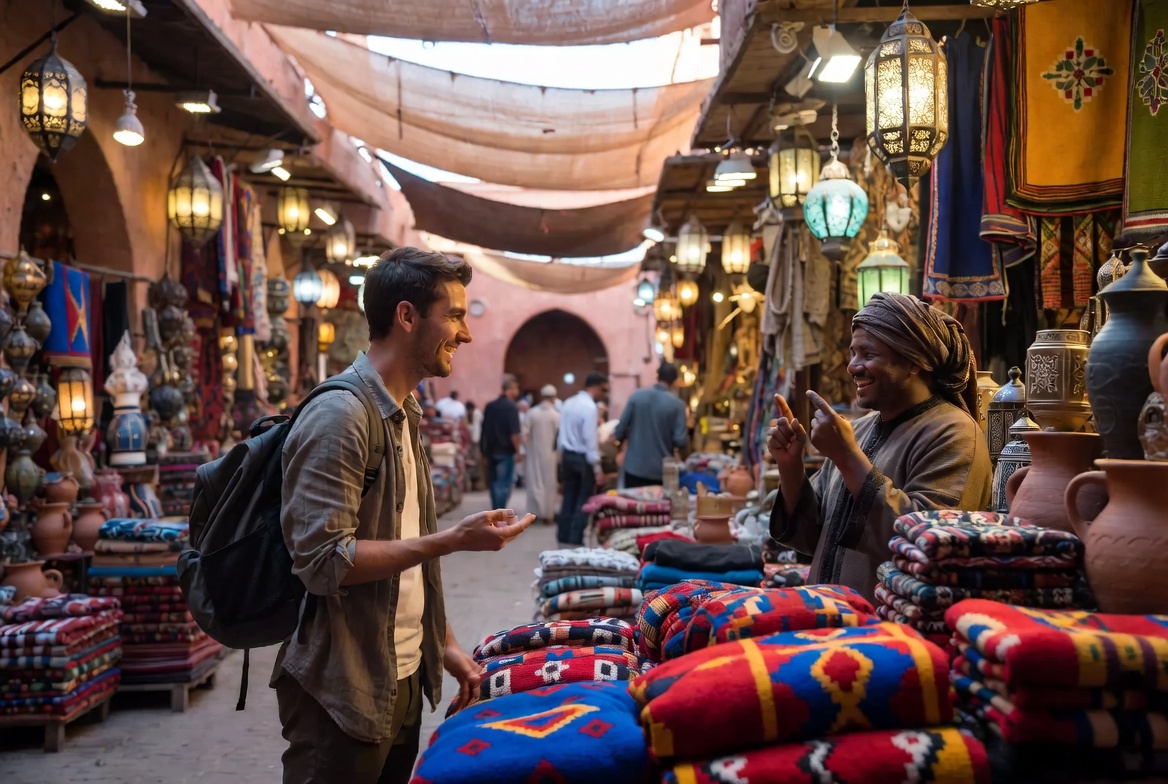
Haggling is expected and often fun—start around 50% of the asked price and negotiate playfully.
Only bargain if you're interested in buying. Once you agree on a price (especially with a handshake), follow through.
Fixed-price shops exist; don't haggle there.
7. Public Behavior and Taboos
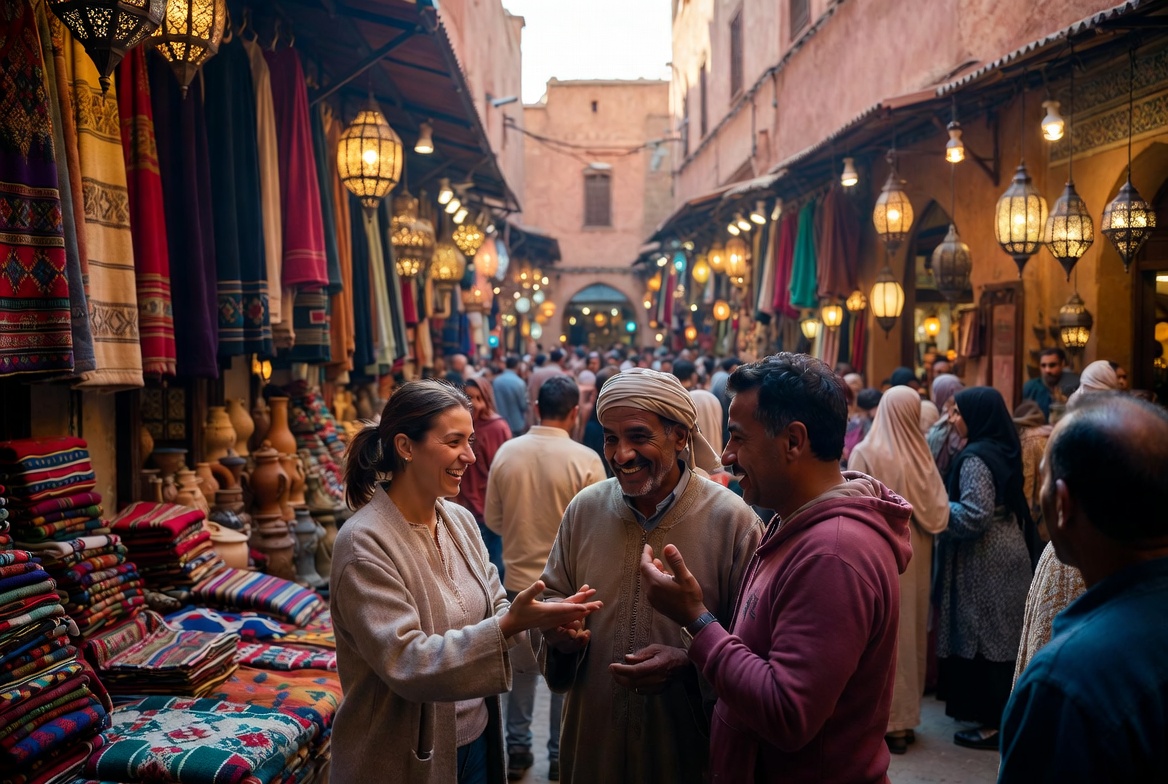
Avoid public displays of affection (kissing, hugging) between couples—it's frowned upon, especially in conservative areas. Holding hands may be okay for married couples but keep it minimal.
Use right hand for passing items, eating, or greeting.
Avoid criticizing Islam, the King/royal family, or political issues like Western Sahara—these are sensitive.
Alcohol is available in some tourist spots but drink discreetly; public intoxication is inappropriate.
LGBTQ+ travelers: Discretion is advised as same-sex relationships aren't legally recognized.
8. During Ramadan (e.g., expected ~Feb 17–March 18, 2026)
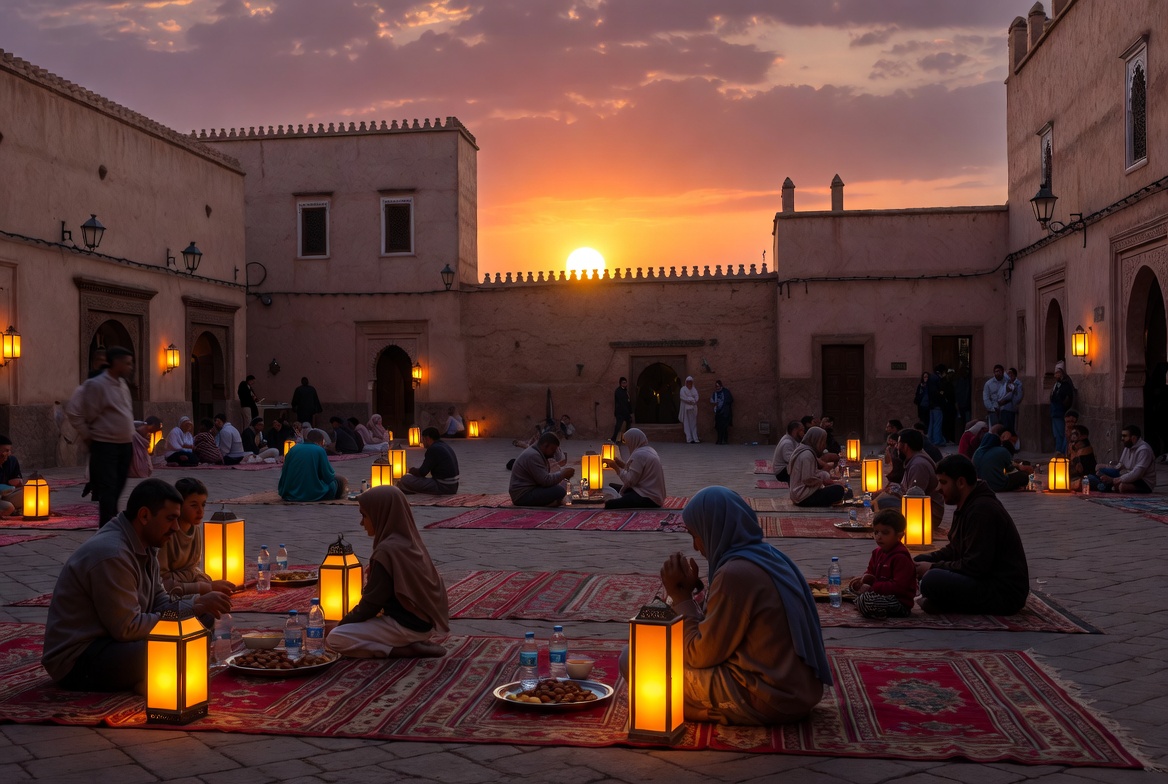
Non-Muslims don't need to fast, but avoid eating, drinking, or smoking openly in public during daylight hours out of respect.
Many places adjust hours; evenings are lively with iftar (breaking the fast). Accept invitations if offered—it's an honor.
9. Other Practical Tips
Tipping (baksheesh): Small amounts (5–20 MAD) for services like guides, attendants, or help with luggage are common and appreciated.
Be wary of unsolicited "guides" in medinas—politely decline or use licensed ones.
Carry small dirham notes; exchange money officially.
Women traveling solo: Modest dress and confidence help; guides can add security in busier areas.
Moroccans are generally hospitable and forgiving of minor tourist mistakes if you show genuine respect and effort. Learning a few phrases and observing locals will enhance your experience greatly. Safe travels—Morocco's medinas, deserts, and mountains are unforgettable!