Music and Dance Styles in Colombia
Colombia is one of the most musically diverse countries in the world, with rhythms blending African, Indigenous, Spanish, and Caribbean influences. Each region has its own signature sound.
Major Music & Dance Styles:
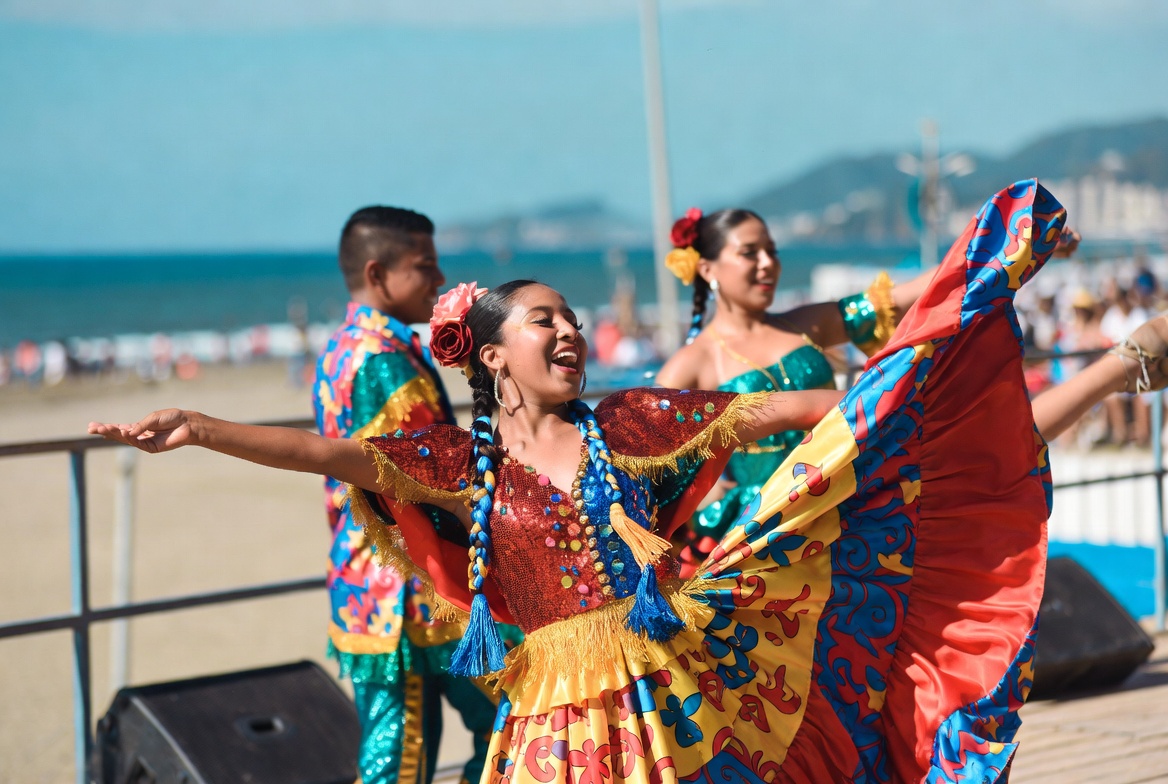
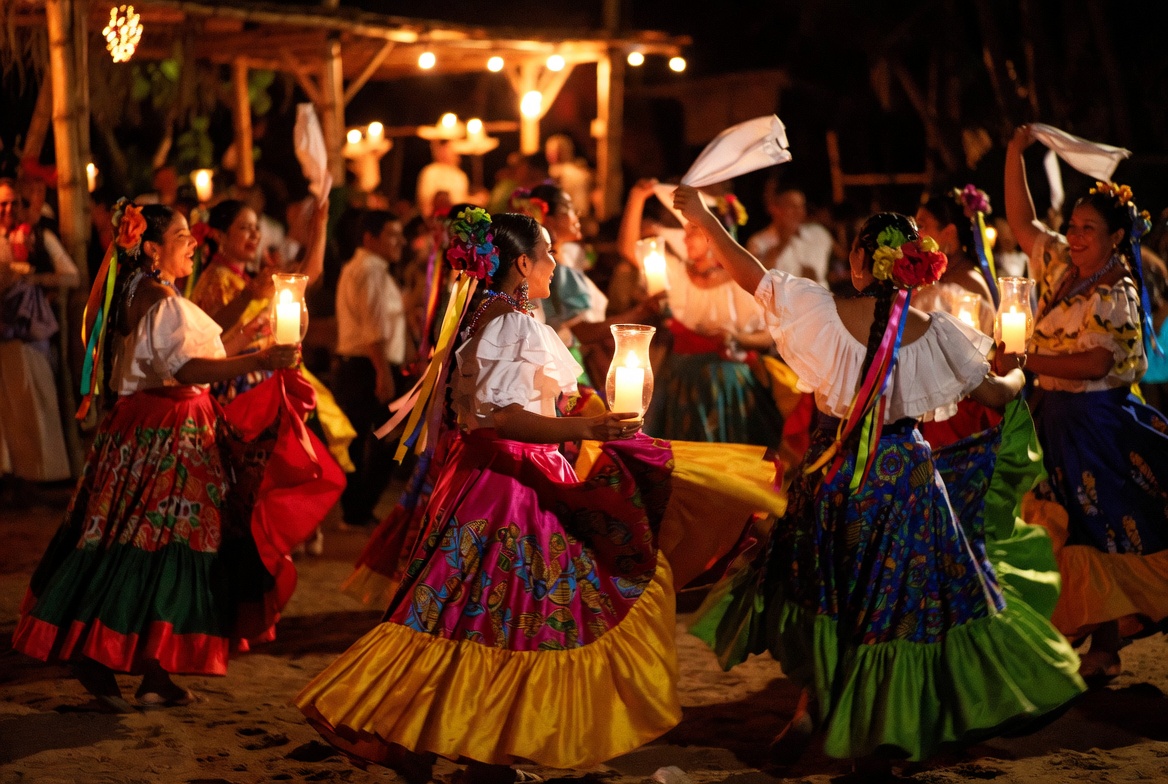
Cumbia: The most iconic Colombian rhythm and national dance. Originated on the Caribbean coast. Features drums, flutes, and maracas. Dancers move gracefully with candles or handkerchiefs. It’s joyful, sensual, and played everywhere.
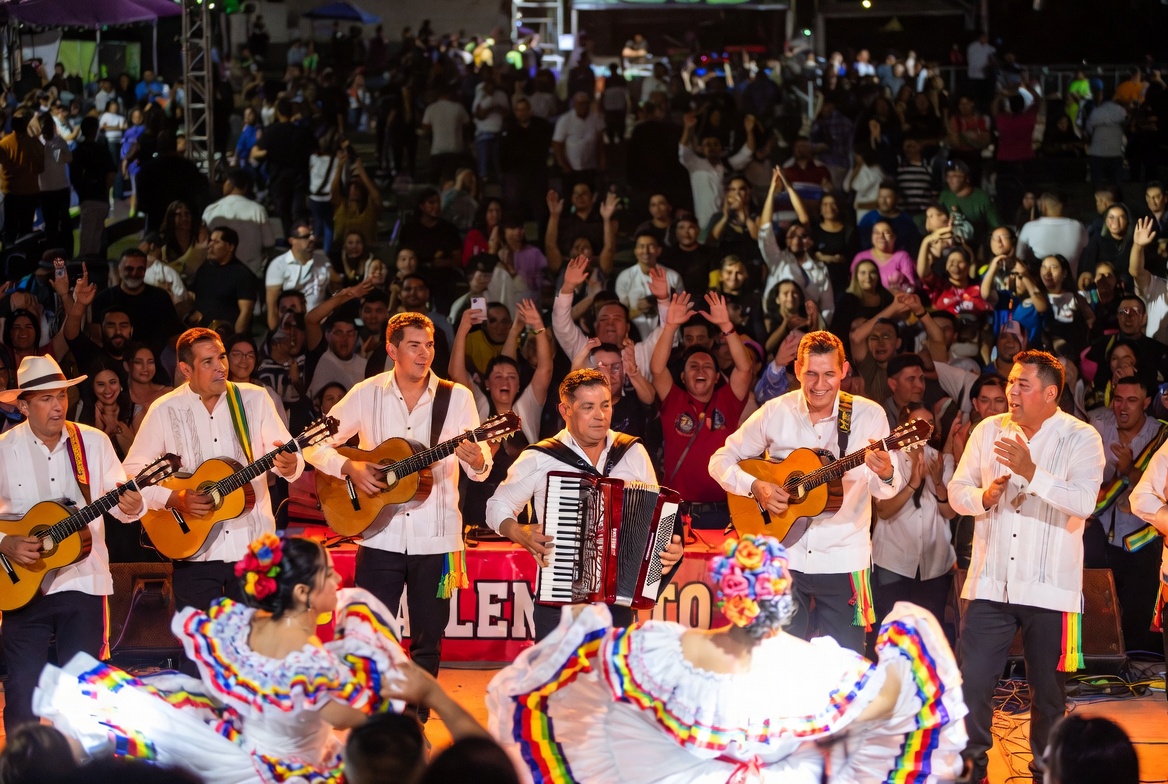
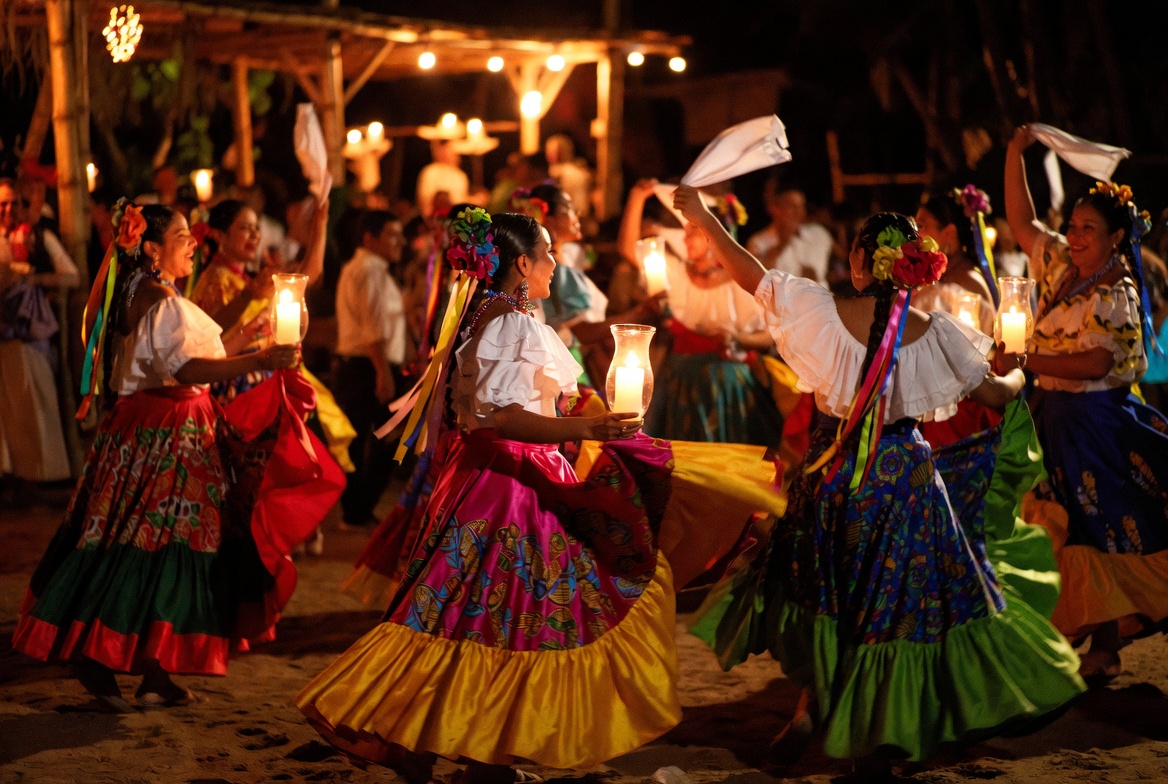 Vallenato: From Valledupar (Caribbean region). Storytelling music led by the accordion. Themes include love, nature, and daily life. Very emotional and festive. Famous artists: Jorge Celedón, Silvestre Dangond.
 Salsa: Colombia (especially Cali) is one of the world’s Salsa capitals. Fast-paced, energetic partner dancing with complex footwork. Cali’s style is known for being fast and acrobatic.
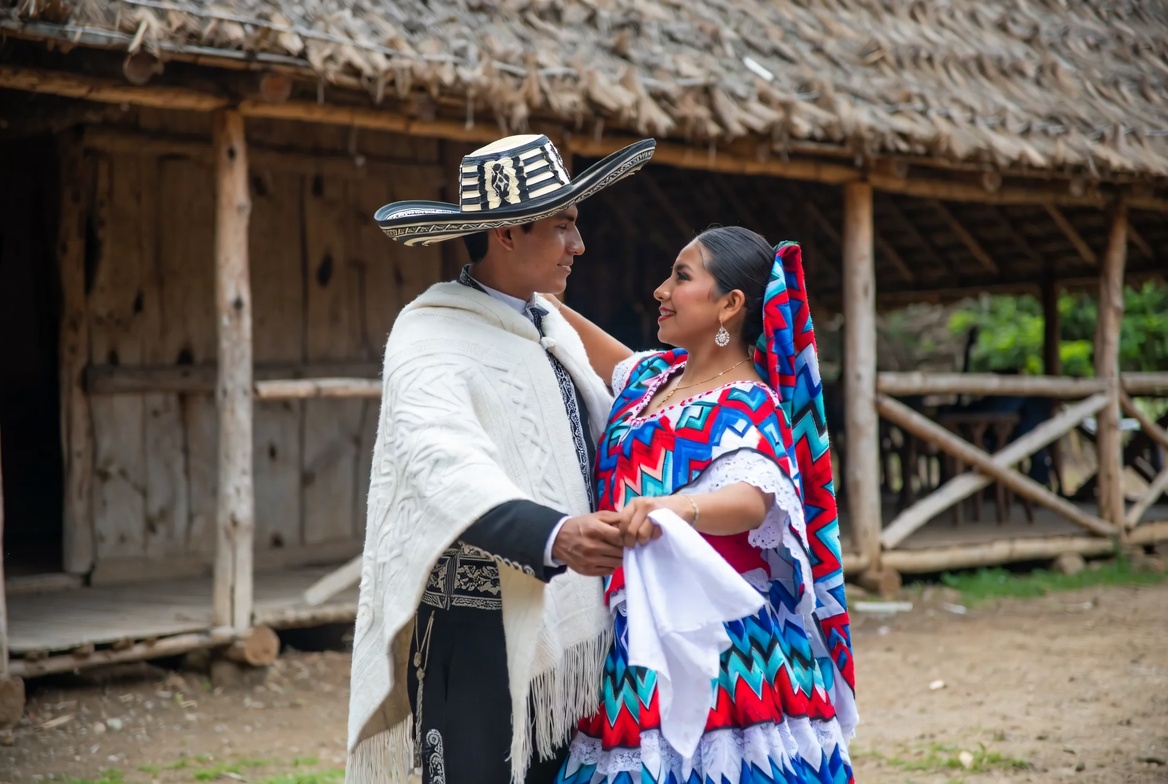
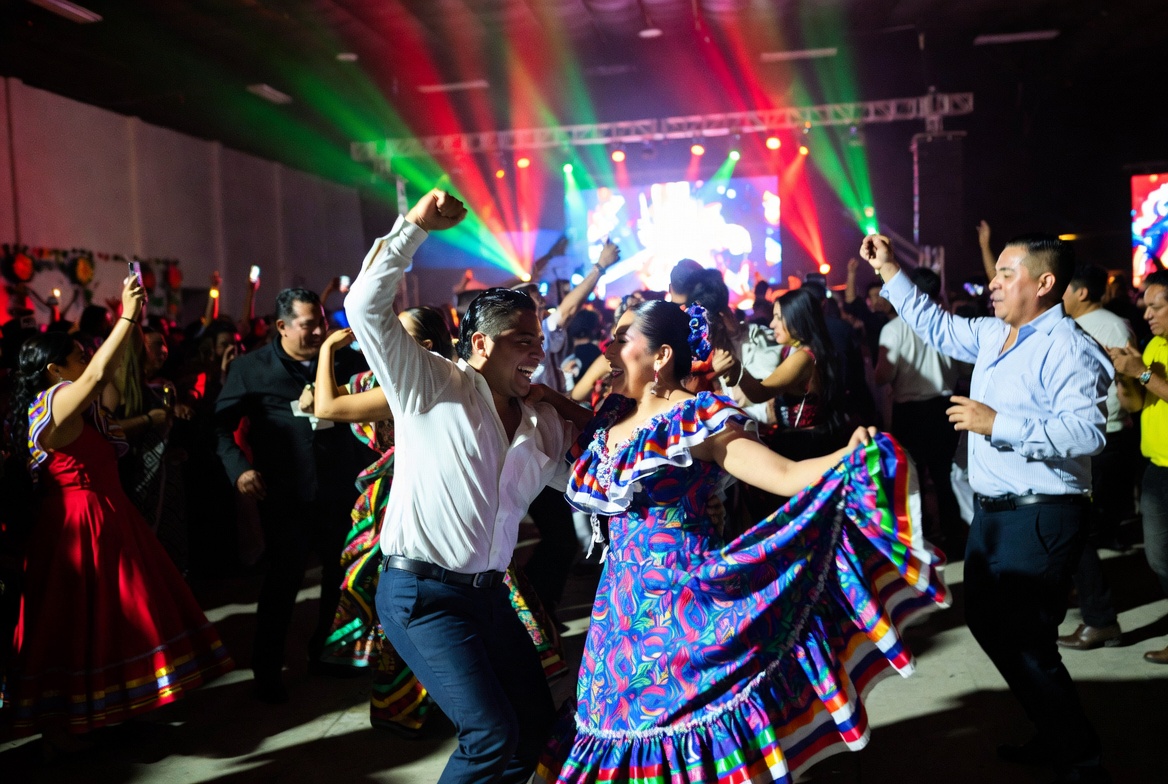 Bambuco: Traditional music and dance from the Andean region (Boyacá, Cundinamarca). Elegant, melancholic, and romantic. Couples dance with handkerchiefs while wearing ruanas and sombreros.
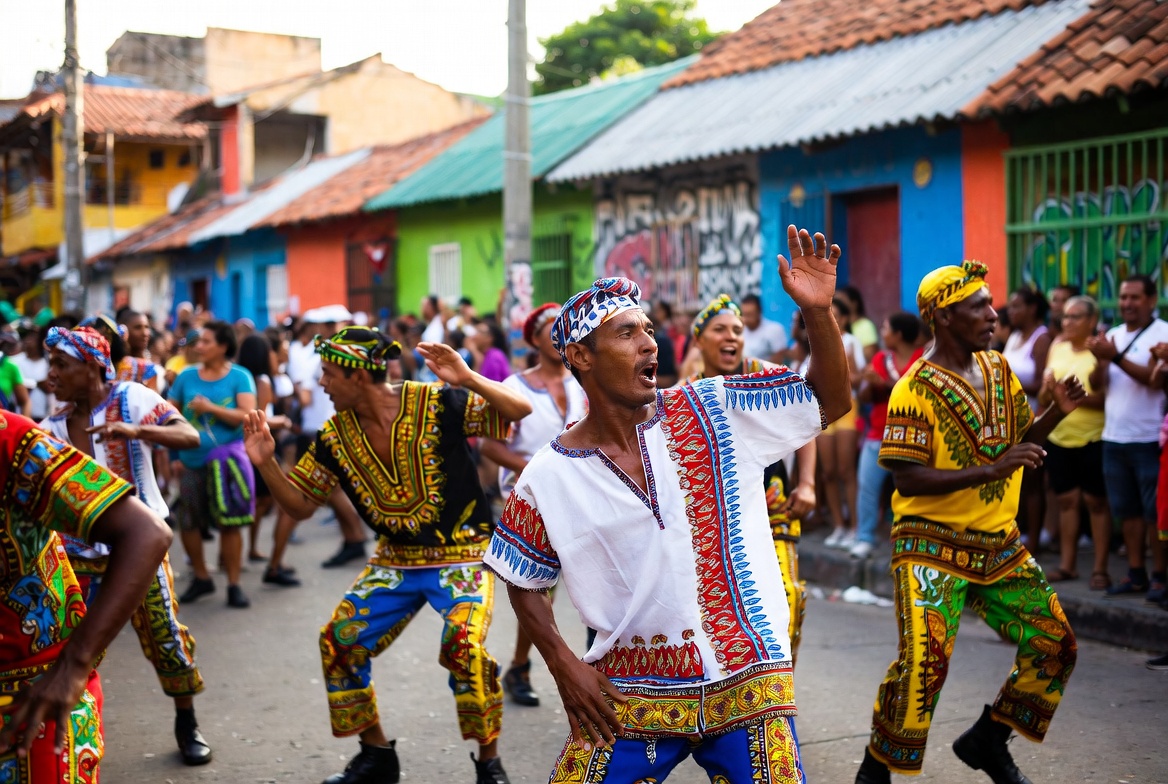
 Champeta: Energetic, urban Afro-Colombian style from Cartagena and Barranquilla. Heavy beats with African and Caribbean influences. Very popular in parties and street celebrations.
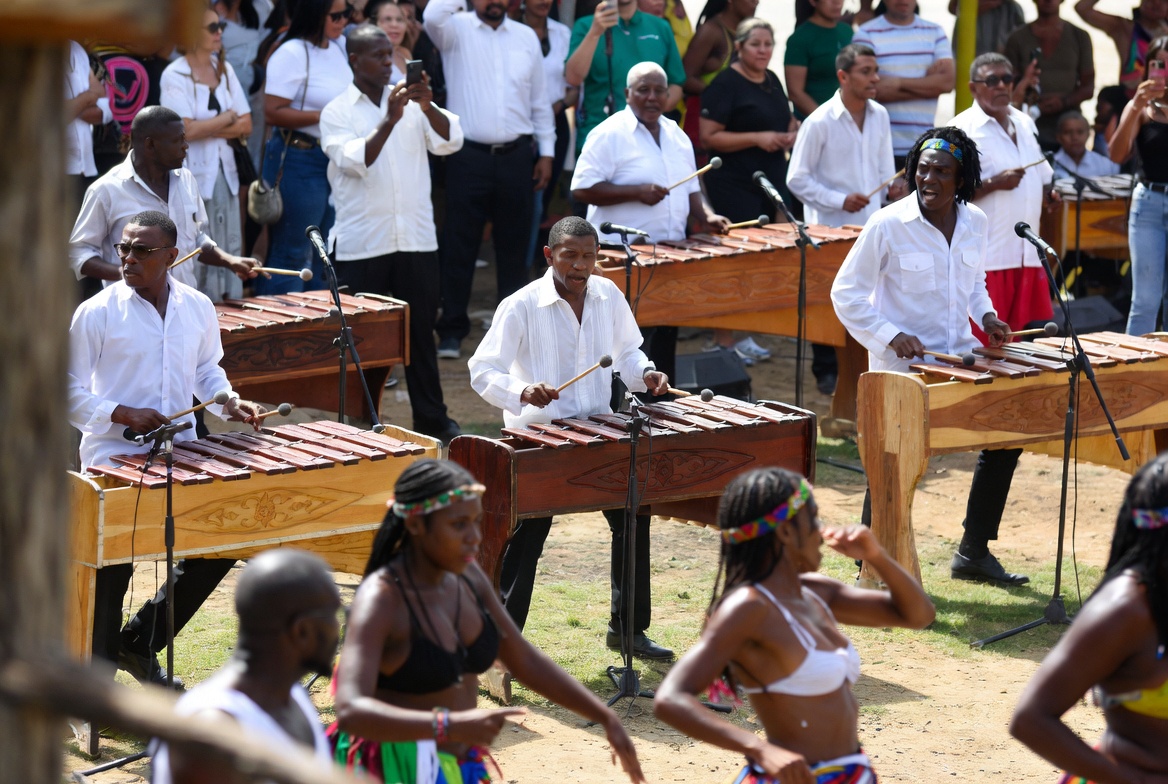
 Currulao (Marimba Music):
Traditional music of the Pacific coast (Chocó, Cauca). Features the marimba de chonta, drums, and powerful singing. Often accompanied by the Bunde or Jota dances.
 Mapalé: Highly energetic Afro-Colombian dance from the Caribbean coast. Mimics the movements of fish. Very rhythmic and physically demanding.
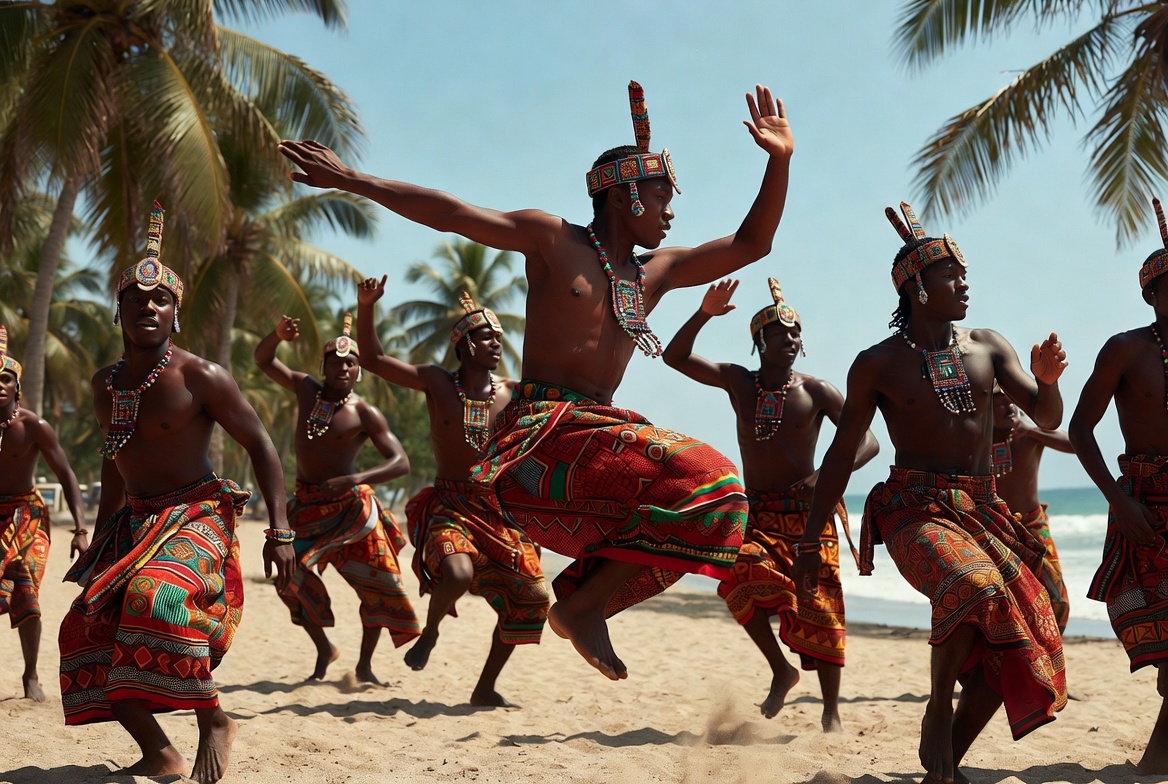 Porro & Fandango: Festive coastal dances often performed during carnivals and celebrations.