
Symbols of Hungary: History, Heritage & National Identity
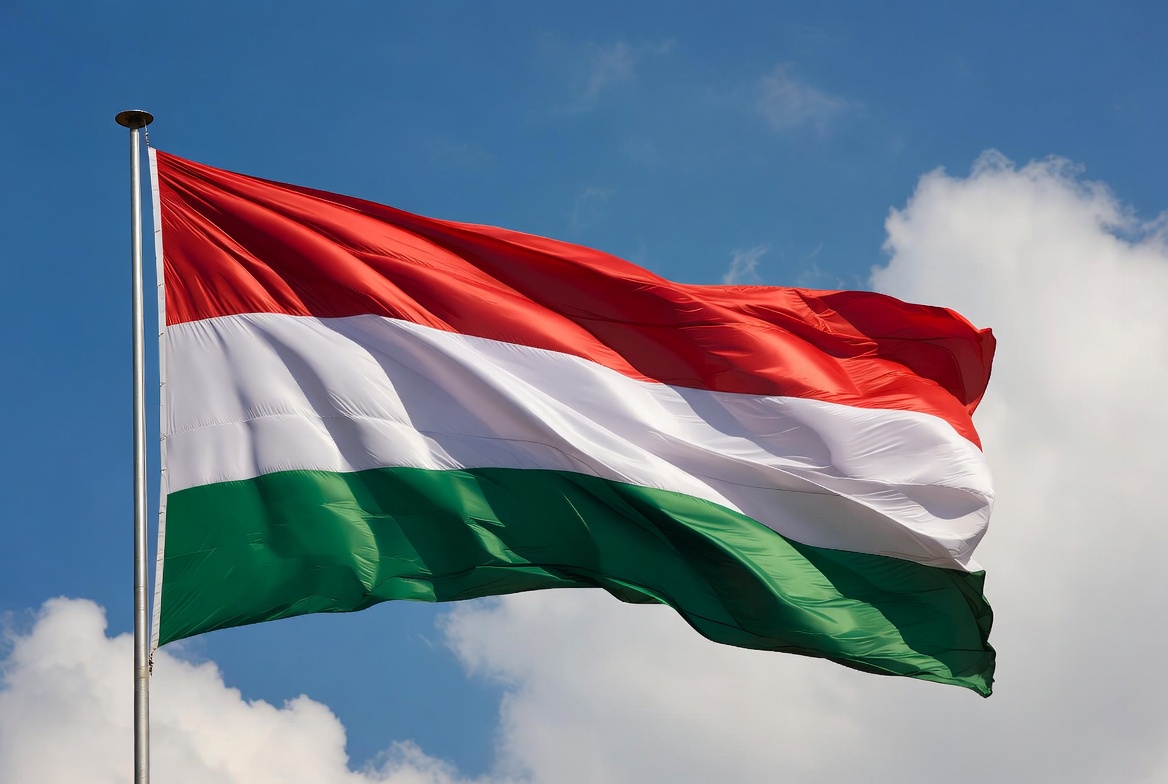
1. The Hungarian Flag (Red-White-Green)
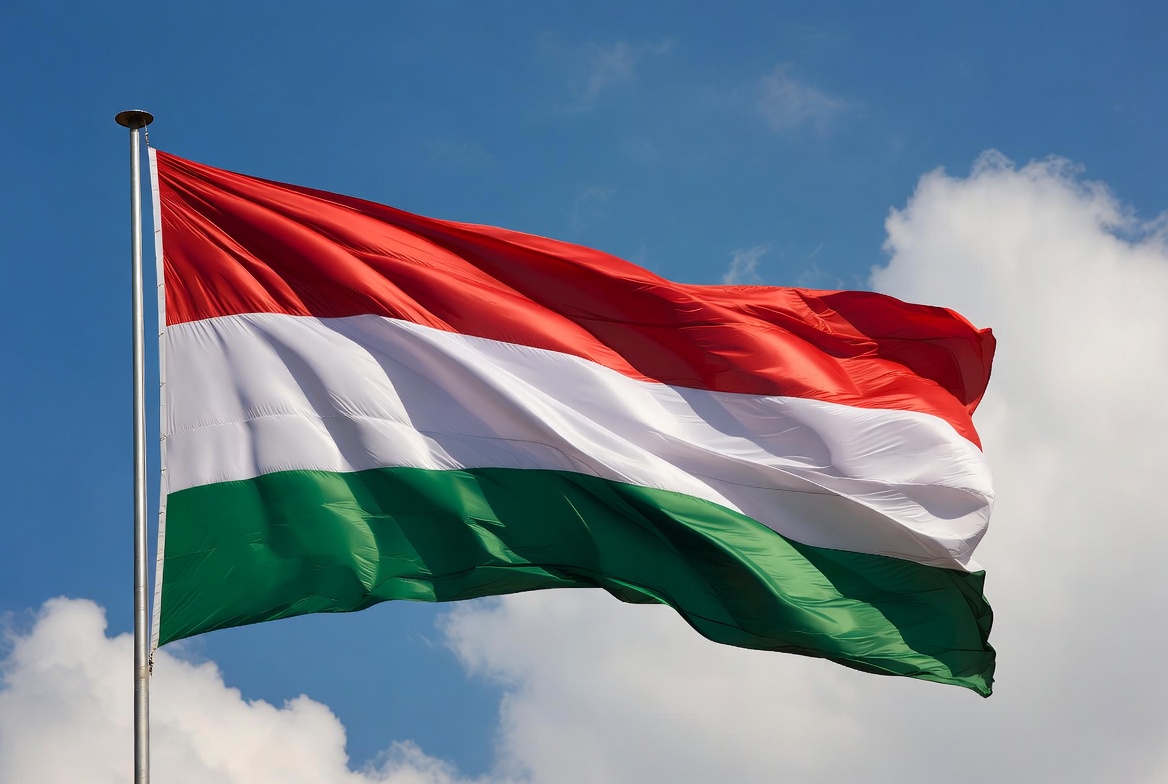
Colors meaning:
Red — Strength, courage, and the blood shed for the nation.
White — Faith, loyalty, and purity.
Green — Hope, fertility, and the land’s natural wealth.
The tricolor has been used since the 18th–19th centuries and became a powerful symbol during the 1848 Revolution.
2. The Coat of Arms (Címer)
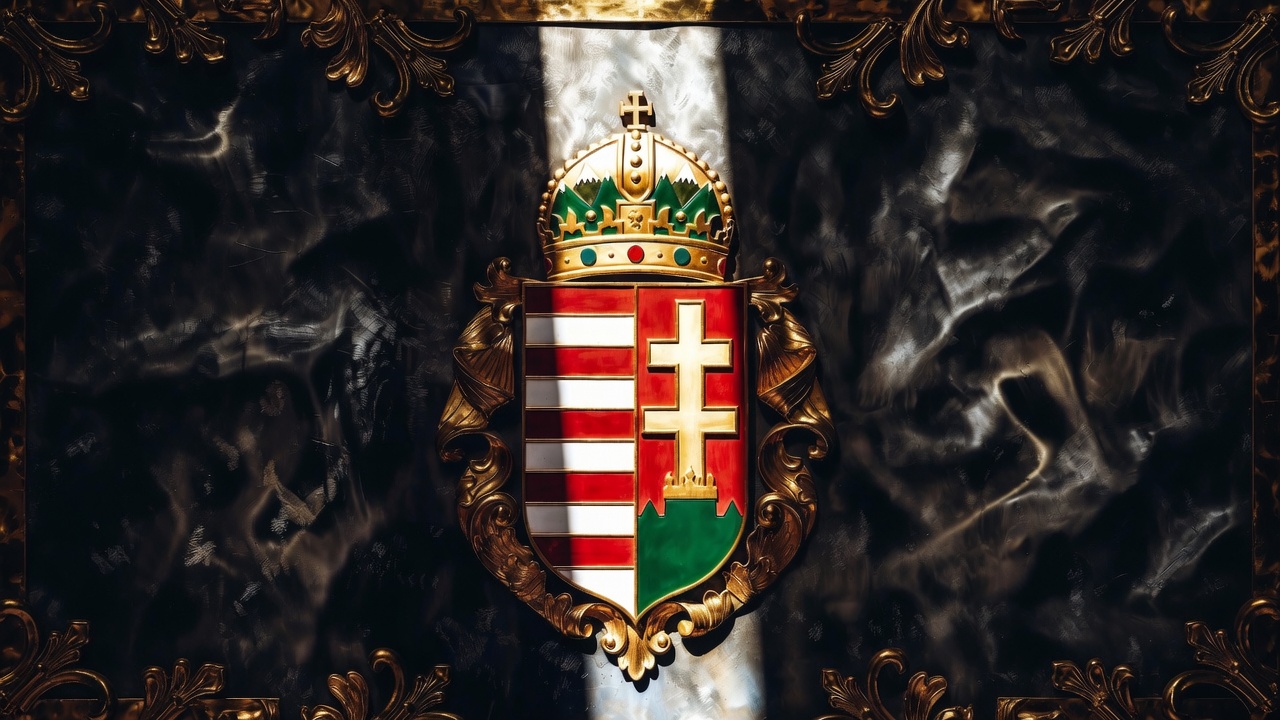
Features a double cross (Christian symbol), three hills (representing the Carpathian Mountains or the three historical regions), and the Árpád stripes (red and white horizontal stripes).
The Holy Crown of St. Stephen sits on top — the most sacred national relic.
3. The Holy Crown of Hungary (Szent Korona)
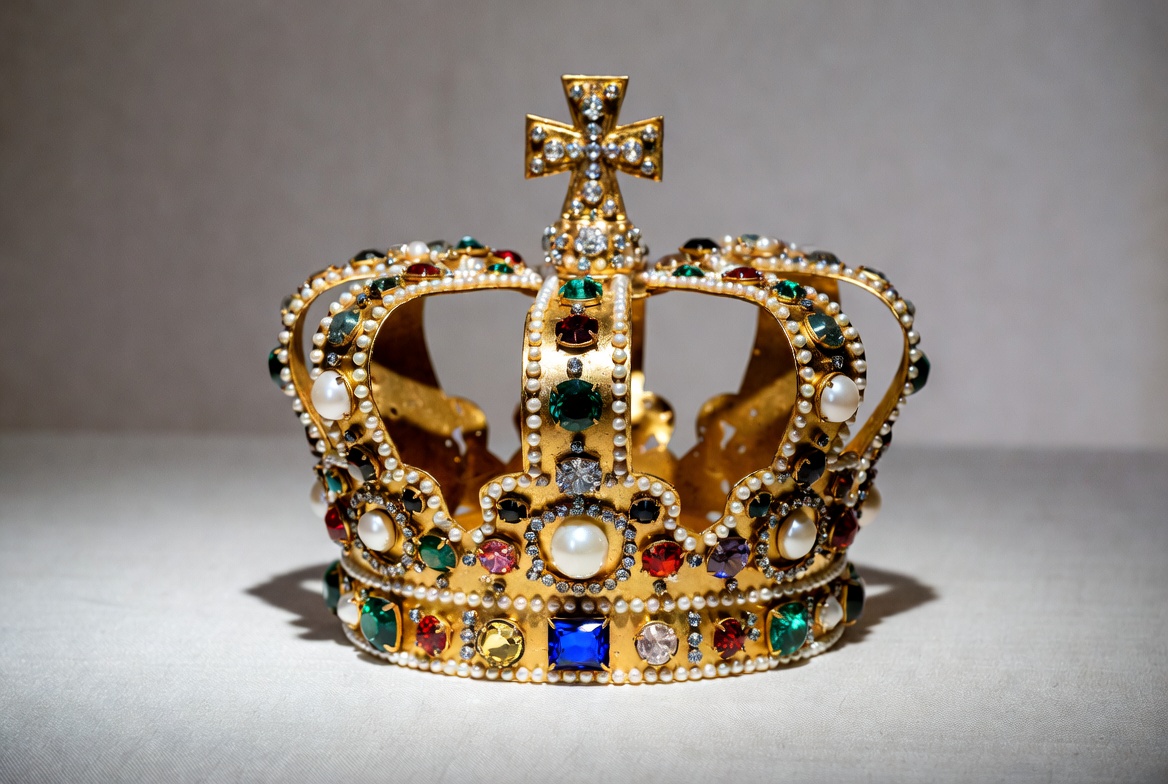
The most important national symbol.
Represents Hungarian statehood and sovereignty.
It is believed to have been used to crown St. Stephen, Hungary’s first king, in 1000 AD.
Kept in the Hungarian Parliament today.
4. The Turul Bird

A mythical falcon-like bird from ancient Hungarian (Magyar) mythology.
Symbol of power, strength, and divine guidance.
According to legend, the Turul appeared in dreams and led the ancient Magyars to their new homeland.
5. Árpád Stripes (Red & White)
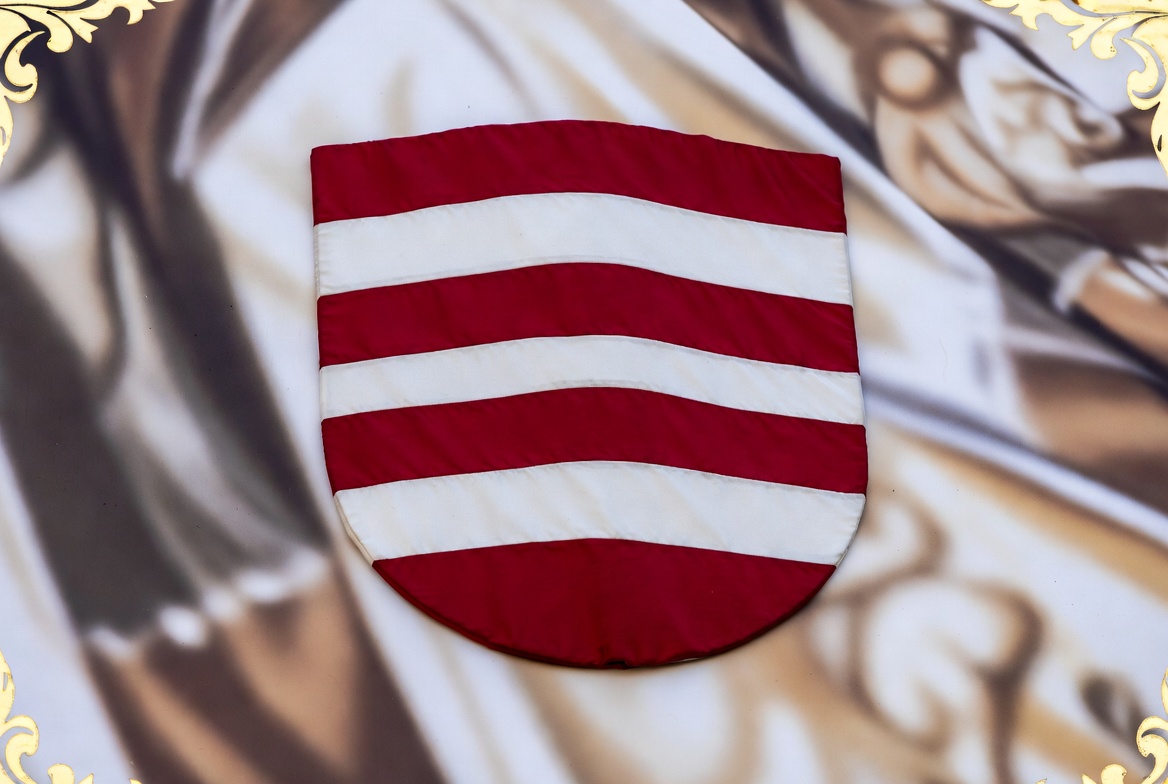
Ancient symbol of the Árpád dynasty (the first royal house of Hungary).
Represents continuity of Hungarian statehood and royal heritage.
6. Paprika
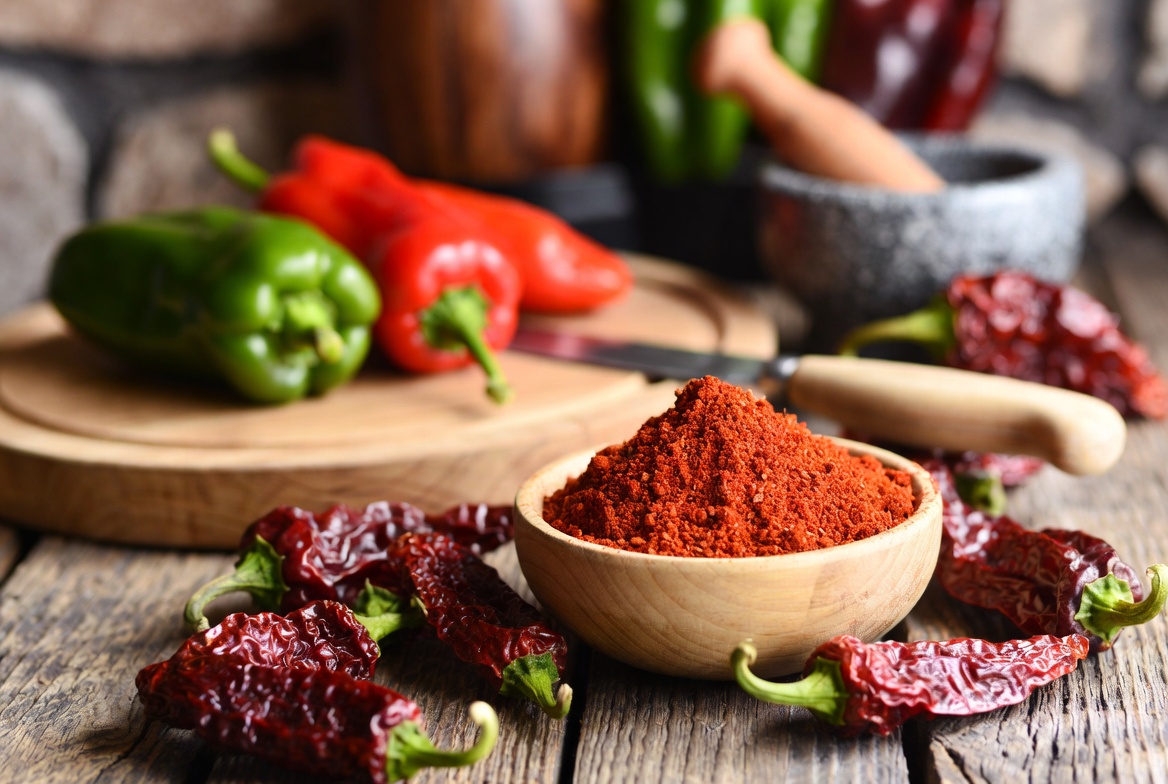
More than just a spice — it is a national symbol of Hungarian cuisine and identity.
Introduced by the Ottomans, it became central to Hungarian culture in the 19th century.
Symbol of hospitality, flavor, and national pride.
7. Folk Art & Embroidery
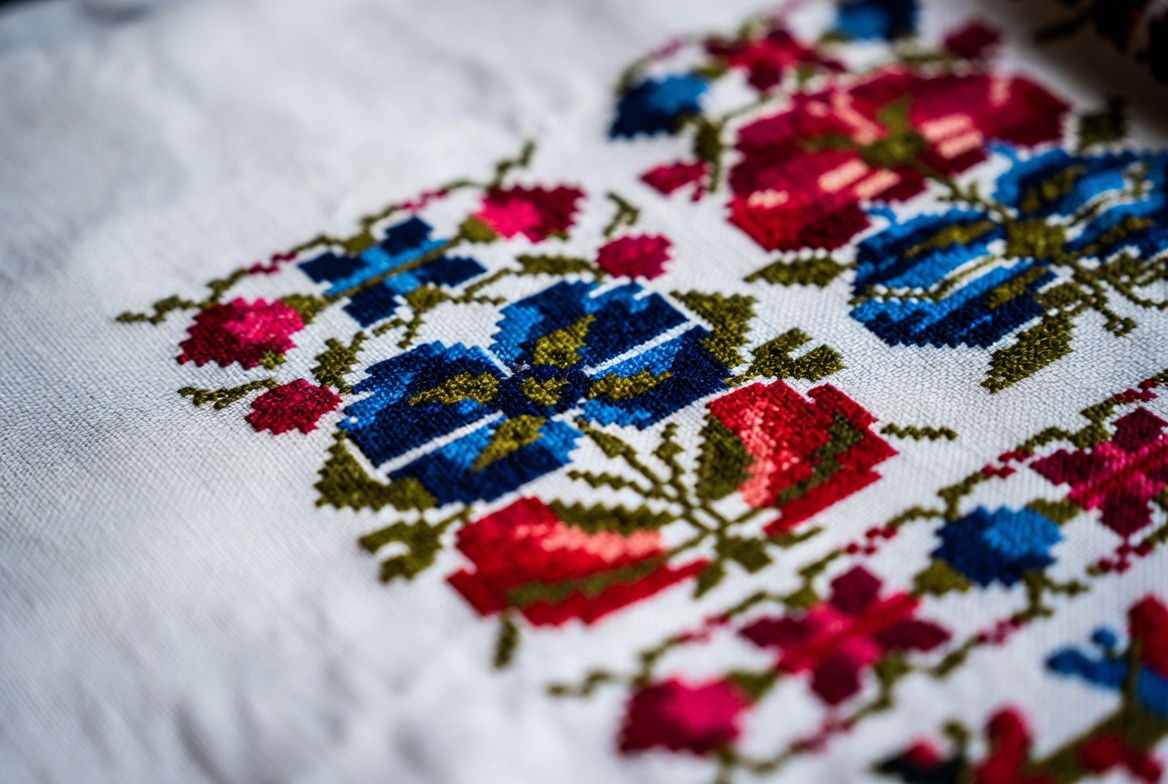
Traditional matyó embroidery from Kalocsa and Mezőkövesd features vibrant flowers and patterns.
Symbolizes creativity, regional identity, and connection to nature.
8. The Csikós (Hungarian Cowboy)
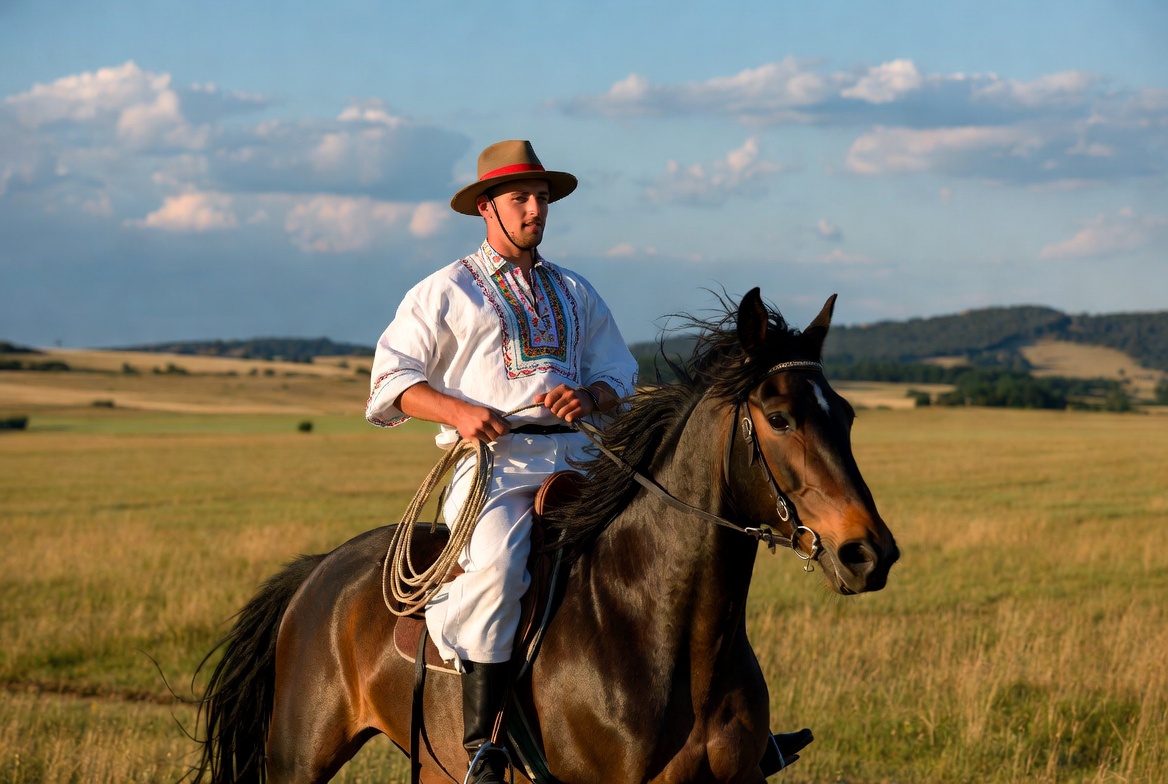
Represents the Puszta (great plain) culture and traditional horsemanship.
Symbol of freedom, strength, and the nomadic heritage of the Magyars.
Fun Fact: Hungarians are very proud of their symbols. You’ll see the national colors and the Holy Crown motif everywhere — on buildings, souvenirs, and even cakes!