استكشاف ثقافة الأكان: التقاليد والتاريخ
Ready to go Global?
Don't let language barriers stop your career growth.


ثقافة الأكان هي تعبير نابض عن هوية شعب الأكان، تمتد عبر غانا وساحل العاج. مع أكثر من 20 مليون متحدث، يُعرف الأكان...
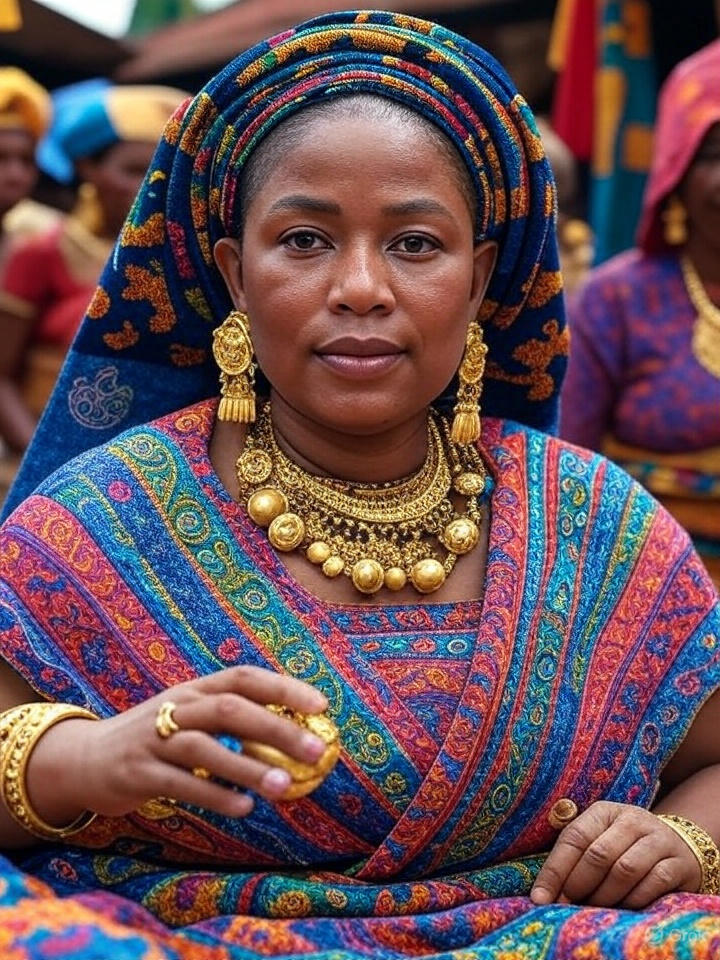
Akan culture is a vibrant expression of the Akan people’s identity, spanning Ghana and Ivory Coast. With over 20 million speakers, the Akan are known for their kingdoms, art, and social traditions. Their language, including dialects like Twi and Fante, carries stories of resilience and community. This article explores Akan culture, delving into its traditions and historical roots that continue to shape the region today.
Historical Origins of Akan Culture
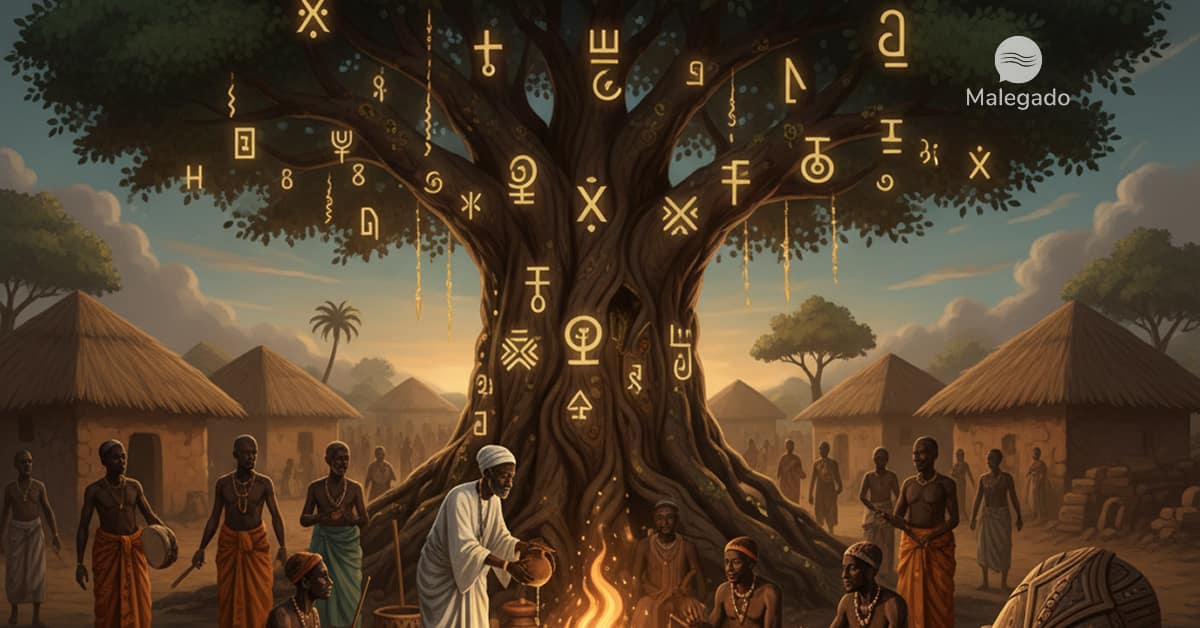
Akan culture traces its beginnings to the forest regions of West Africa, with evidence of settlements dating back centuries. The Akan formed powerful states like the Ashanti Empire, which rose in the 17th century. This empire was known for its gold trade and military strength, with kings called Asantehene leading with divine authority. Archaeological finds, such as gold weights and stools, highlight their early sophistication. This history underpins the enduring legacy of Akan culture.
The Role of Language and Oral Tradition
The Akan language is a vital part of their culture, rich with proverbs and folktales. Elders share stories of Anansi, the clever spider, teaching wisdom and humor. Sayings like “Sankofa” (Go back and get it) encourage learning from the past. These oral traditions preserve history and values, passed down through generations, keeping Akan culture vibrant.
Traditional Festivals and Celebrations
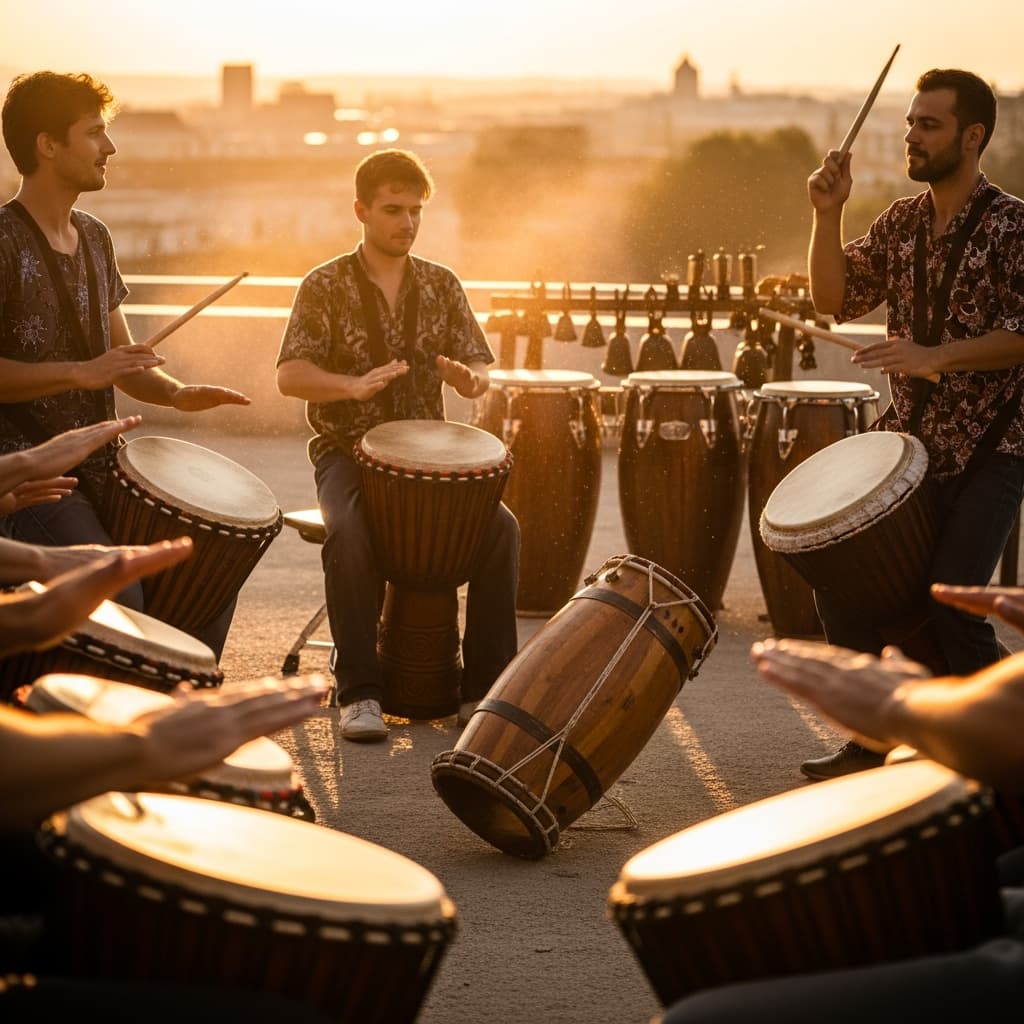
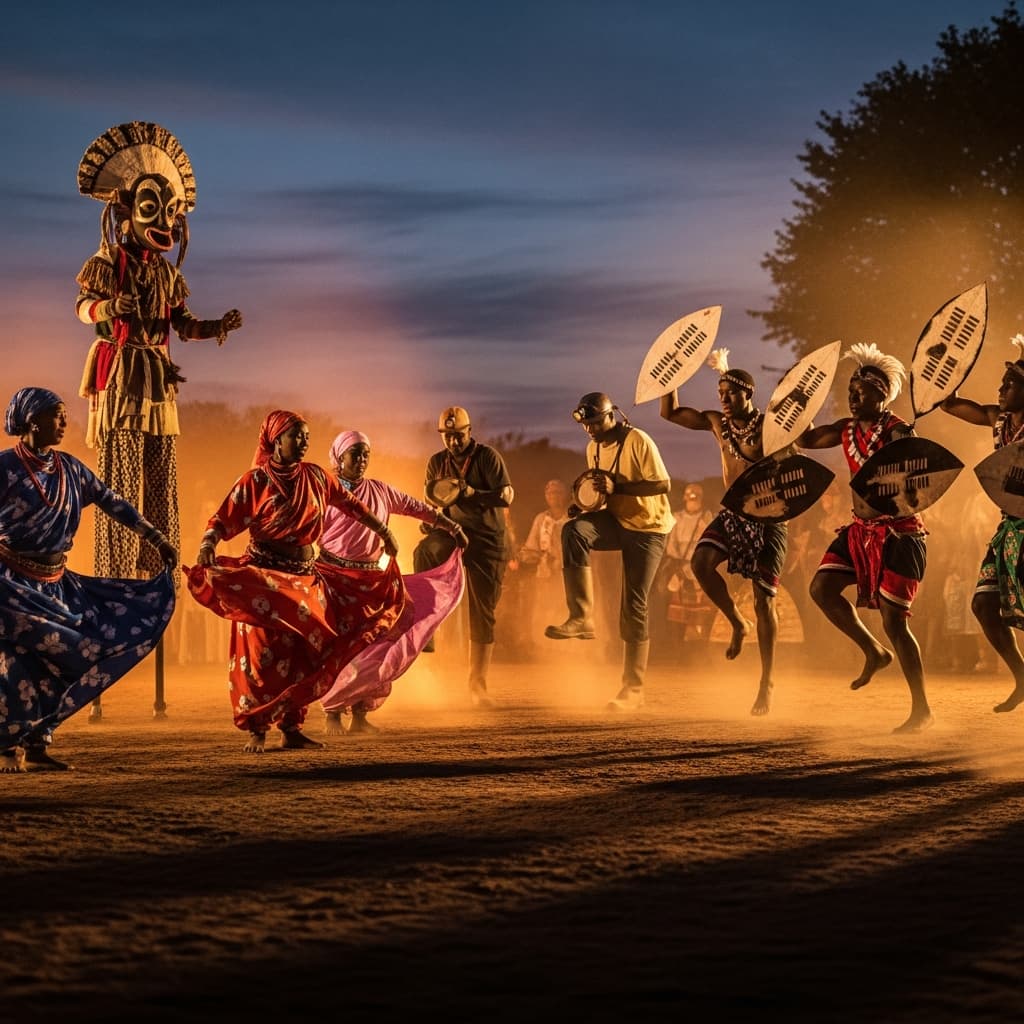
Festivals are a lively aspect of Akan culture. The Odwira festival, held by the Ashanti, cleanses the community and honors ancestors with dances and offerings. The Aboakyer festival in Effutu involves a deer hunt, symbolizing strength and unity. Drumming with instruments like the atumpan (talking drum) sets the rhythm, drawing people together. These celebrations reflect the Akan people’s spiritual and social life.
Art and Craftsmanship in Akan Culture
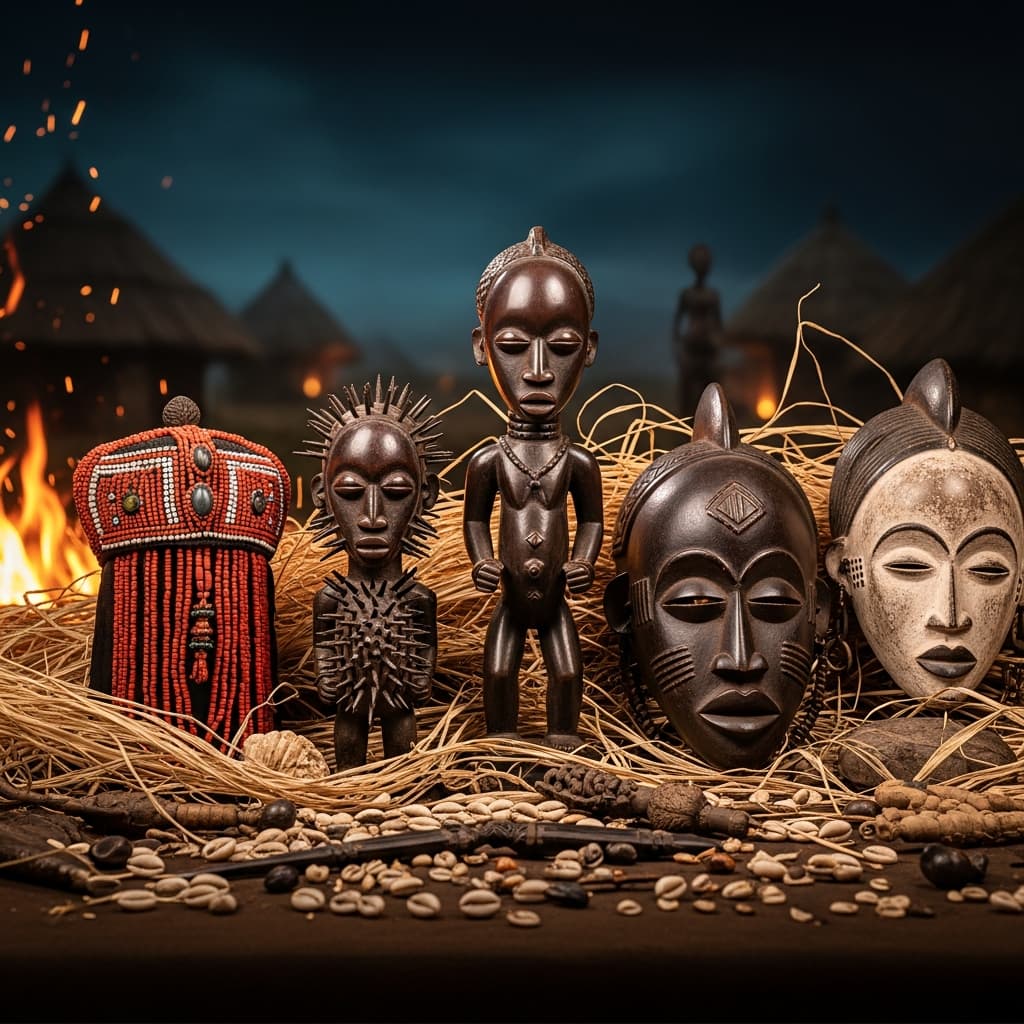
Akan culture shines in its artistic heritage. Gold weights, used for trade, are intricately designed with symbols. Adinkra cloth, stamped with proverbs like “Gye Nyame” (Except God), showcases textile skill. Woodcarvings, including stools for chiefs, carry spiritual meaning. These crafts, handed down through families, highlight the Akan people’s creativity and pride in their culture.
Family and Community Life
Family and community are central to Akan culture. Extended families live in compounds, with matrilineal descent tracing lineage through the mother’s line. Respect is shown through greetings like “Maakye” (Good morning) to elders. Villages hold meetings to make decisions, fostering unity. Marriage involves elaborate ceremonies, including the pouring of libations, strengthening social bonds. This structure supports Akan cultural continuity.
Religion and Spiritual Practices
Akan culture is deeply spiritual, with a belief in a supreme god, Nyame, and lesser deities. Traditional religion involves shrines to gods like Tano (river god). Libations with palm wine honor ancestors and seek guidance. Many Akan also practice Christianity, blending it with traditional beliefs. This spiritual richness shapes Akan culture’s rituals and worldview.
Food and Culinary Traditions
Akan cuisine reflects the region’s bounty. Dishes like fufu with groundnut soup or banku with tilapia use local ingredients like cassava and fish. Palm oil and spices add flavor, and meals are often shared communally. Cooking techniques, passed down through generations, are a savory part of Akan culture.
Influence of Akan Culture in the Diaspora
Akan culture reaches beyond Africa through the slave trade. In Jamaica and Suriname, Akan traditions influence music and dance, like the Kumina style. The Adinkra symbol “Sankofa” appears in global art, symbolizing reflection. This diaspora presence shows the resilience of Akan culture.
Challenges and Preservation Efforts
Akan culture faces pressures from urbanization and globalization. The rise of English and modern lifestyles can overshadow Akan language and traditions. Yet, preservation efforts are robust. Schools teach Twi, and cultural festivals promote arts and music. The diaspora also maintains traditions, ensuring Akan culture thrives.
Connecting with Akan Culture
To explore Akan culture, engage with its elements. Watch documentaries on the Ashanti Empire or listen to highlife music. Try cooking fufu or attend a local festival if possible. Visiting Ghana offers a chance to see royal palaces or markets firsthand. These experiences bring you closer to the Akan people’s rich traditions.
Learn Akan with Malegado
Akan culture’s traditions and history offer a captivating glimpse into Ghana and Ivory Coast’s soul. From ancient gold weights to vibrant festivals, its legacy endures. If you wish to learn the Akan language and dive deeper into this culture, Malegado can guide you. Malegado provides resources, courses, and cultural insights to support your journey. Visit Malegado to start exploring Akan culture today.
Conclusion
Exploring Akan culture reveals a world of rich traditions and history, from the art of Adinkra to the rhythms of the atumpan drum. The Akan people’s community life, spirituality, and cuisine reflect a heritage of resilience and creativity. Their influence spans the globe, keeping Akan culture alive. Malegado offers a path to learn Akan and connect with this vibrant legacy. Embrace the journey and discover the beauty of Akan culture.
Ready to go Global?
Don't let language barriers stop your career growth.