
Cultural symbols in British Columbia
CanadaEnglishBritish Columbia
British Columbia’s symbols are tied to the coast, the mountains, and the forests. They appear on flags, on buildings, and in daily talk. Families know them without needing a lesson.
Pacific dogwood
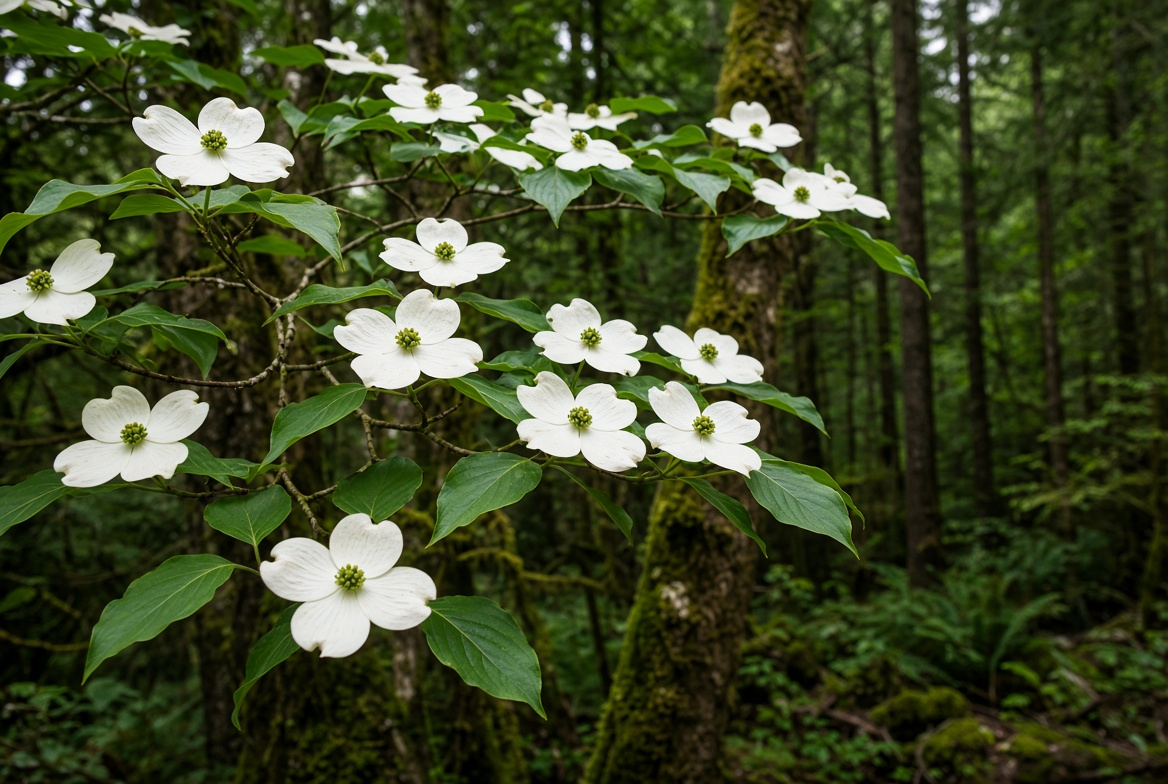 It is the provincial flower. White blossoms appear in spring.
- The four large petals look like a cross. A small green centre sits in the middle.
- It grows in the woods near the coast. People notice it on walks.
- It stands for the province on official papers and on some signs.
- The real flower is left alone. No one picks the ones in parks.
Mountains and forest
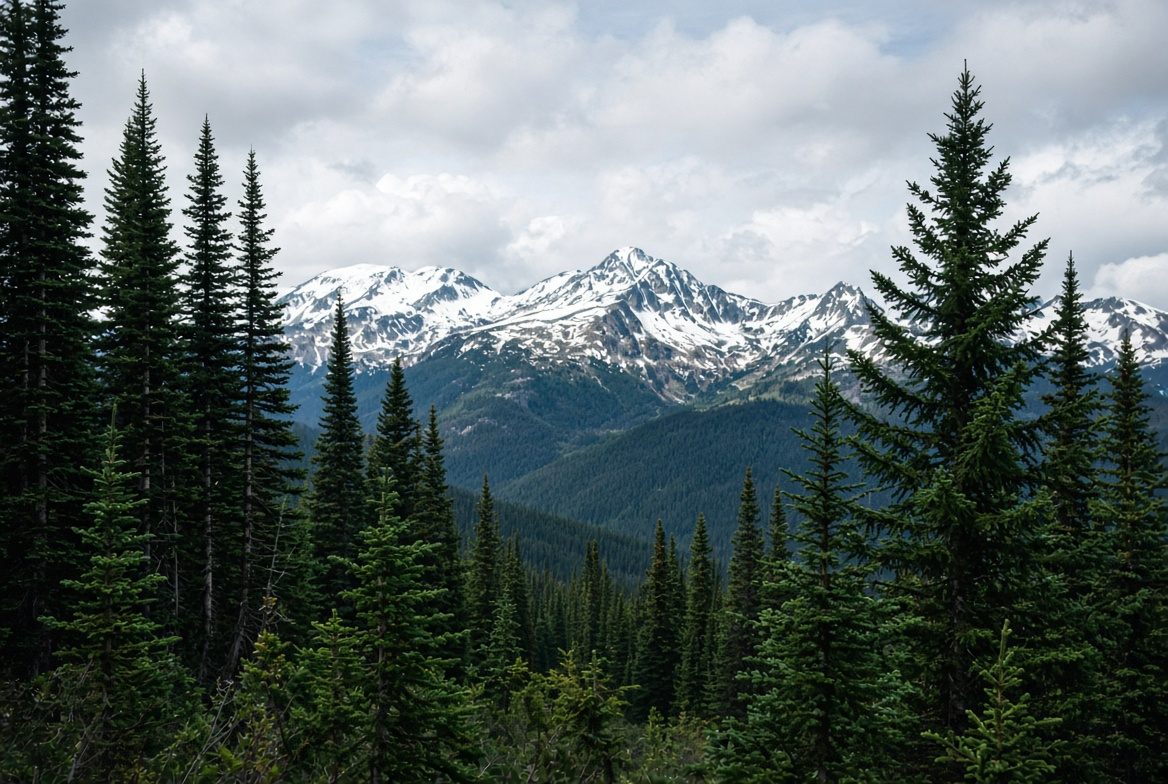 The mountains and the tall trees are the clearest mark of the place.
- They appear on postcards, on school walls, and in family photos.
- A cabin or a trail is part of the same idea. The land is close.
- People talk about “the mountains” as if everyone knows which ones.
- The symbol is used every day. It is not only for visitors.
Salmon
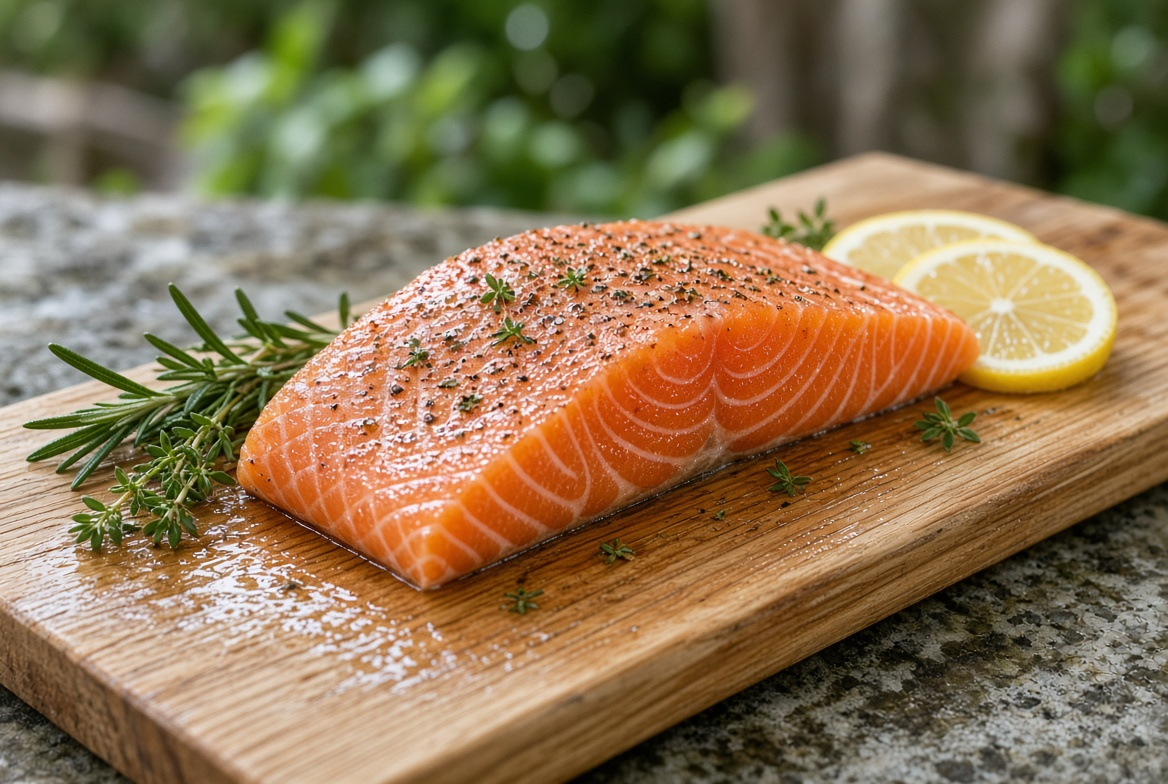 Salmon runs up the rivers each year. The fish is food and a sign of the coast.
- It is grilled, smoked, or cooked on a cedar board.
- Families still fish when the season opens. Children learn the rules.
- The fish appears on menus and on local art.
- It marks the seasons. Summer and fall bring the runs.
Totem poles
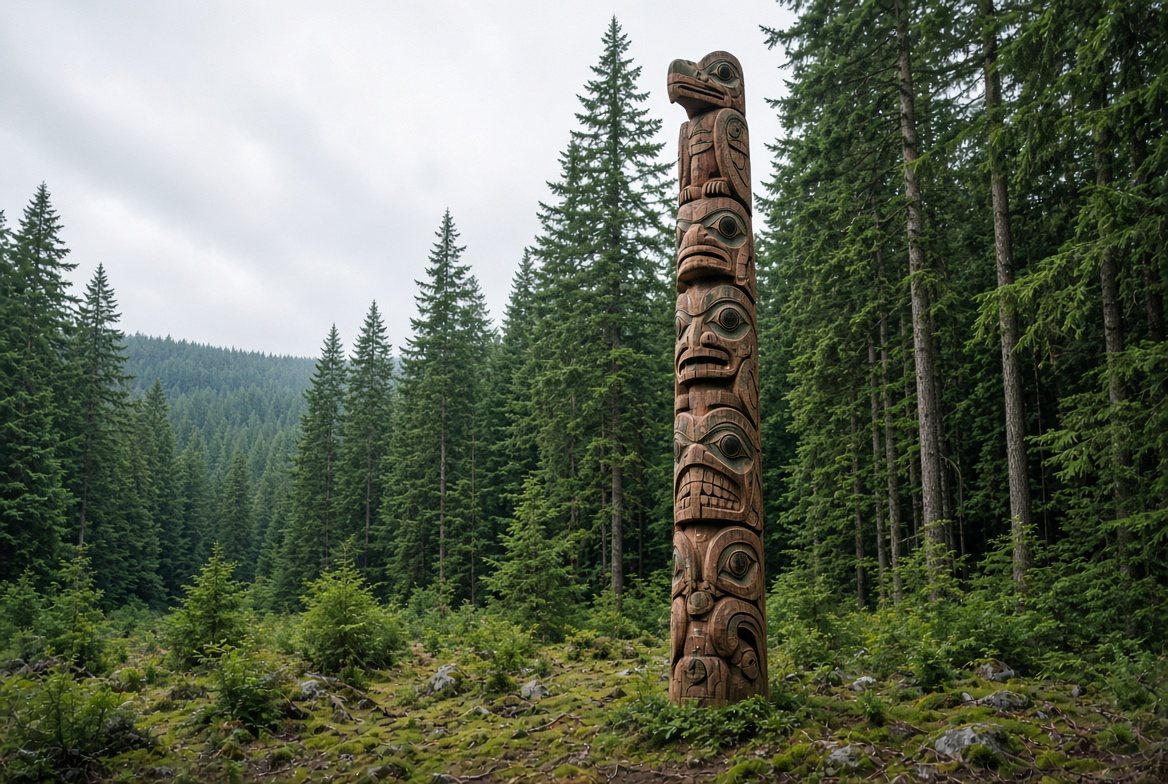 Carved cedar poles stand in parks, at museums, and in coastal towns.
- Animal and human figures are stacked from top to bottom.
- Each pole tells a family or clan story. The carver follows old forms.
- English-speaking communities see them as part of the shared landscape.
- Visitors look. They do not touch. New poles are still carved today.
British Columbia flag
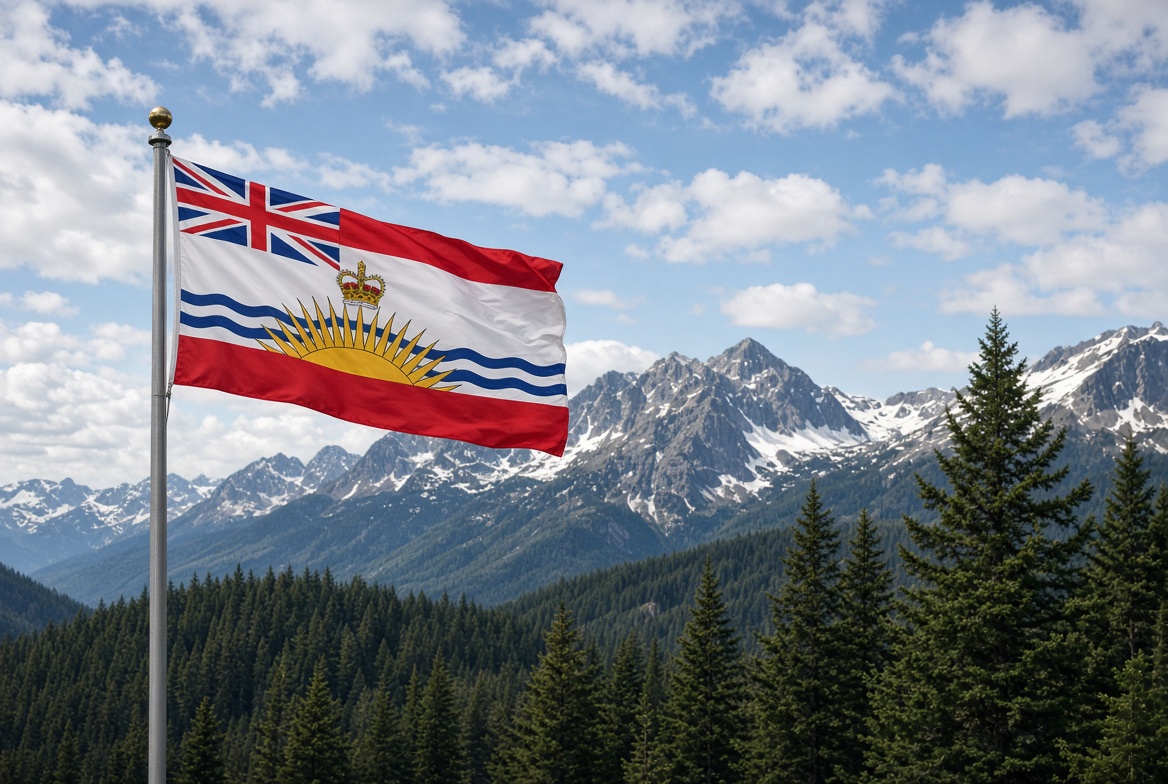
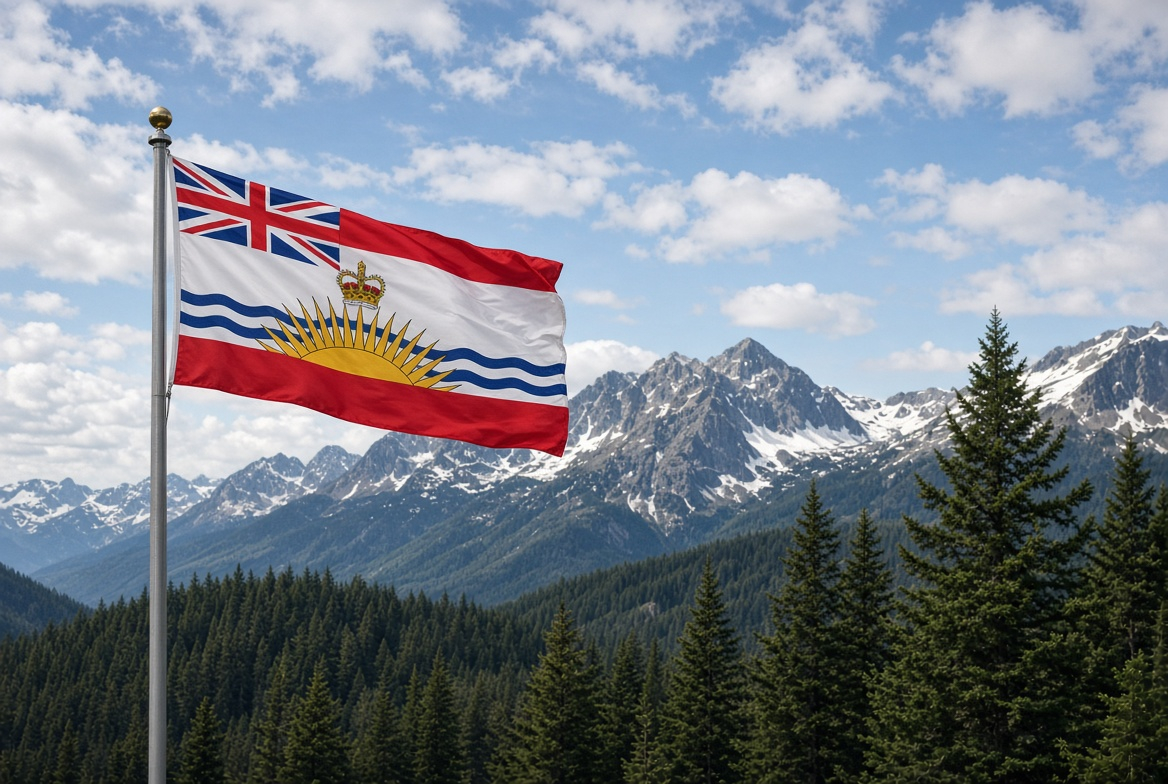 The flag shows a setting sun over blue and white waves. A crown sits above.
- The sun is gold. The waves stand for the Pacific Ocean.
- It flies on public buildings and at some homes on official days.
- Canada Day and BC Day bring more flags out.
- The Canadian maple leaf is used beside it. Both are known.
Outdoor life
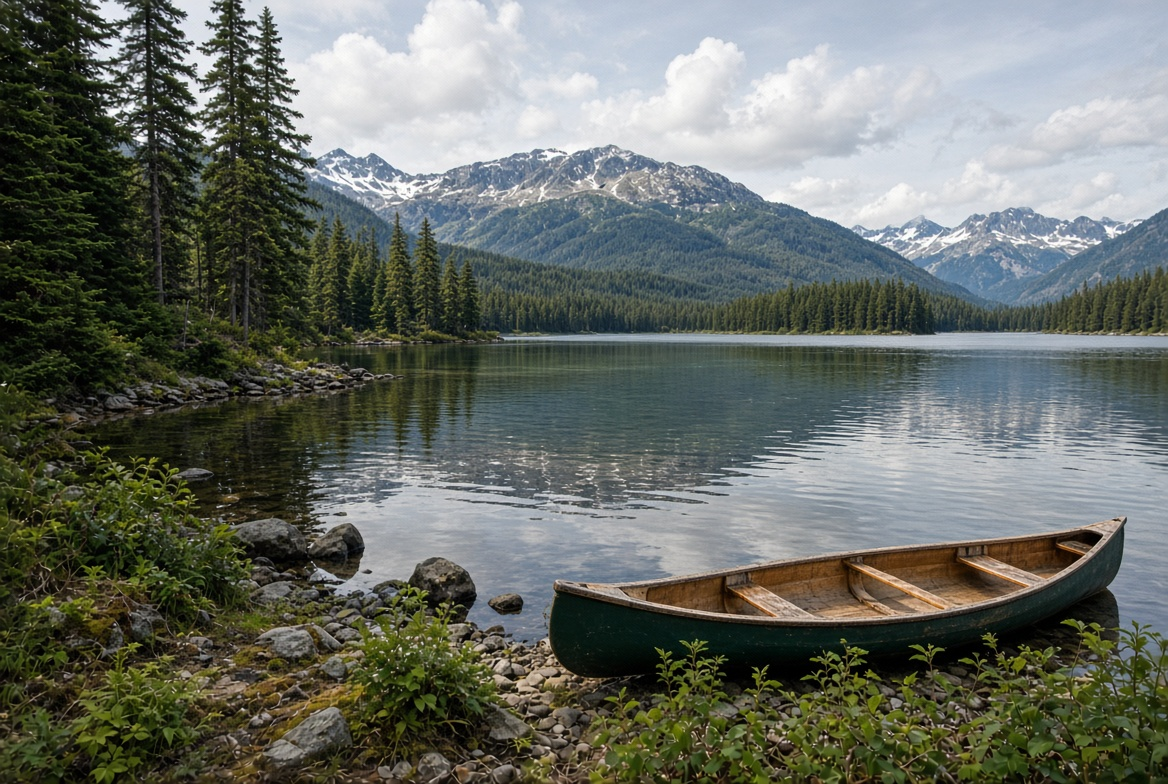 A canoe, a hiking pack, or a pair of boots stands for the way people spend free time.
- Cabins, lakes, and trails are part of ordinary weekends.
- The symbol is not official. It is lived.
- Children grow up with it. The gear is passed on.
- It keeps the link to the land that the other symbols also point to.
British Columbia Cultural symbolCanadaTotem polesPacific dogwood