
Cultural Symbols in Marathi India
In our Marathi culture, certain symbols carry deep historical, spiritual, and emotional significance. Here are some of the most important ones:
1. Bhagwa Dhwaj (Saffron Flag)
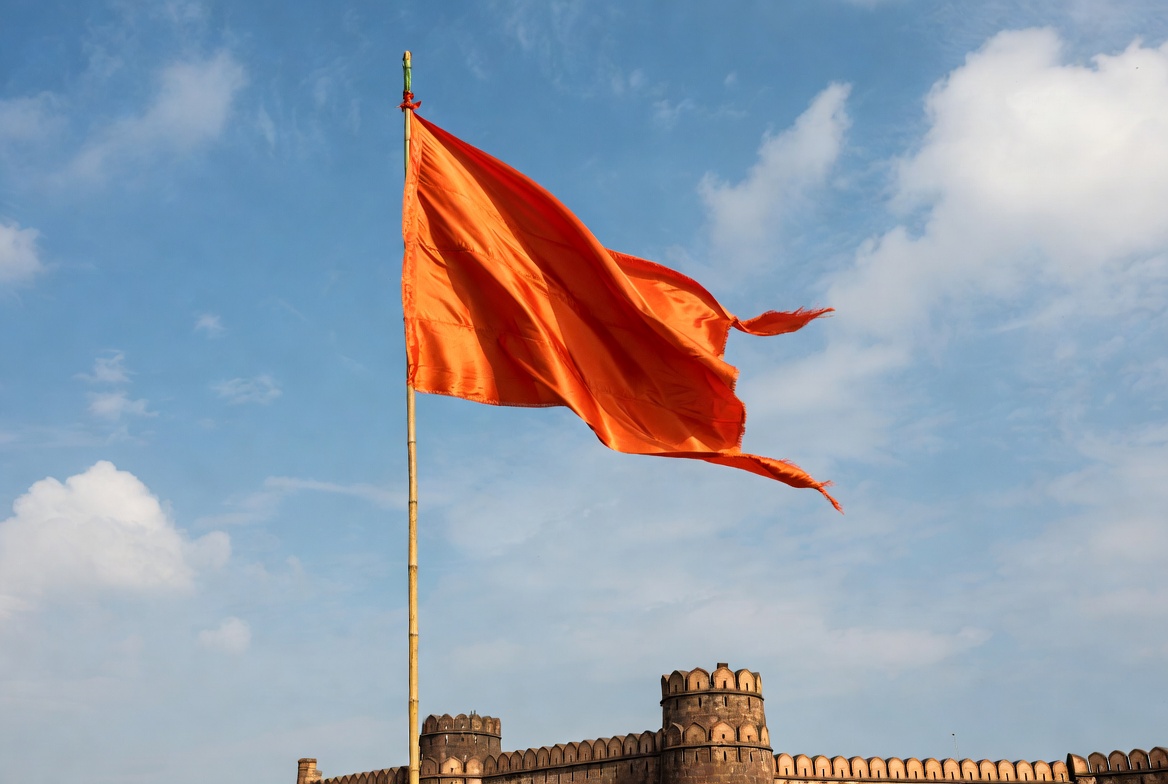
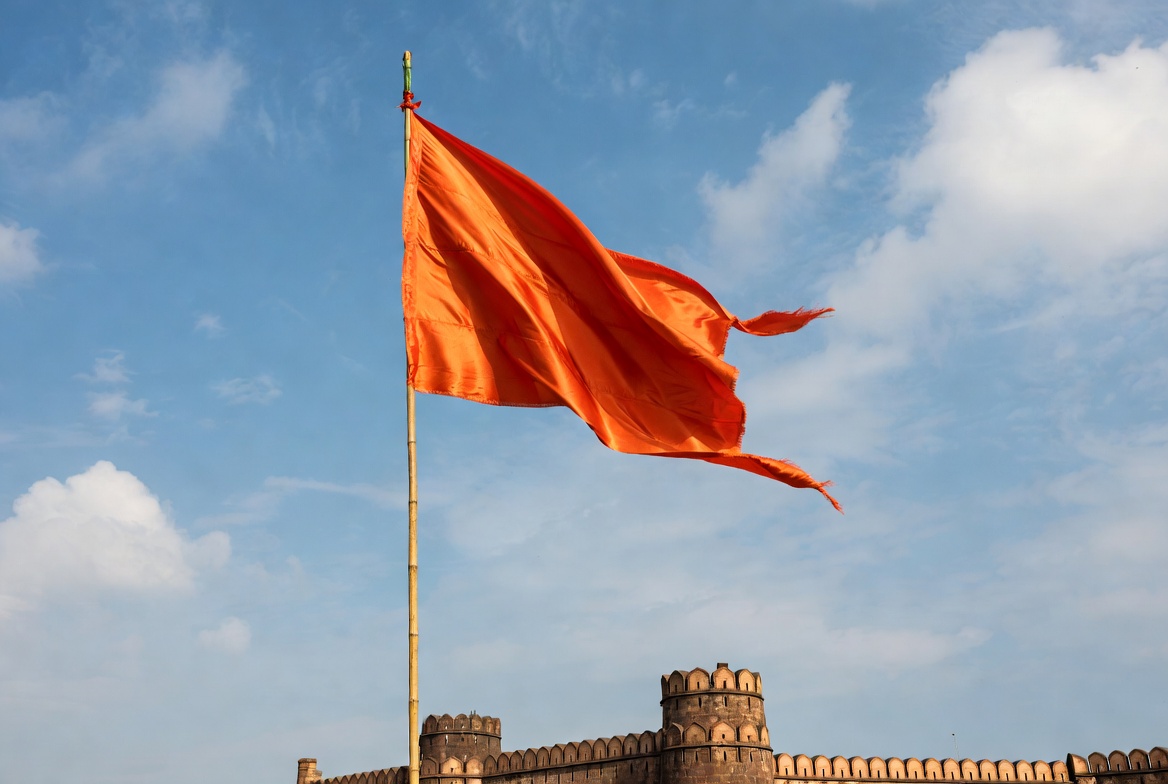
The iconic orange/saffron flag of Chhatrapati Shivaji Maharaj and the Maratha Empire.
It symbolizes courage, sacrifice, and the spirit of Swarajya (self-rule). It represents the fight for freedom and is still flown with pride during festivals and processions.
2. Warli Paintings
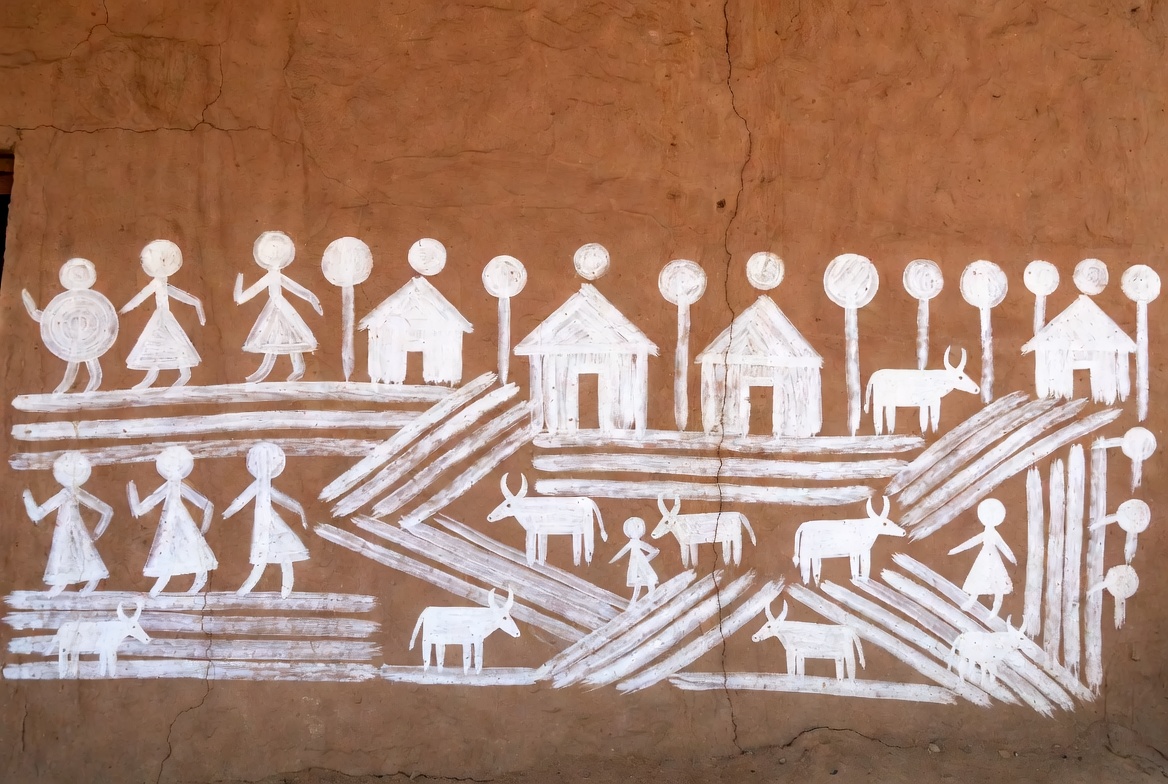
Traditional tribal art form using simple white geometric figures on mud walls.
Represents harmony with nature, community life, and rural traditions. It tells stories of farming, festivals, dances, and daily village life.
3. Paithani Saree
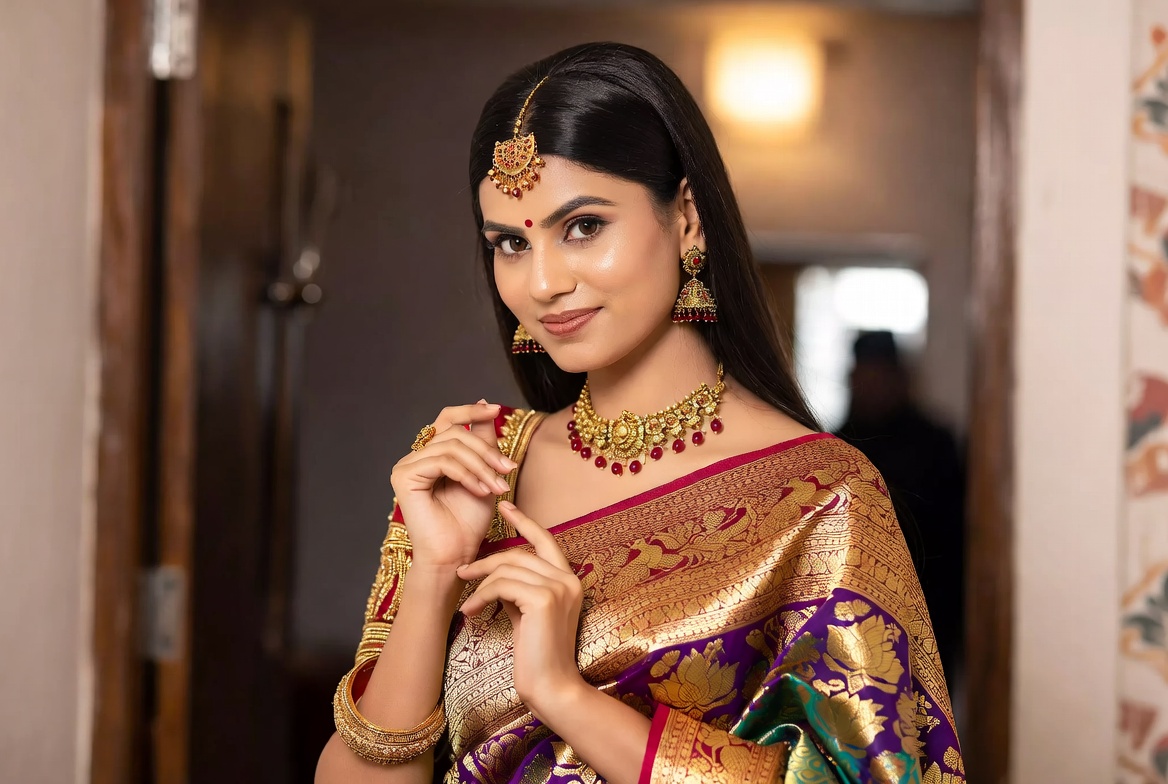
Handwoven silk saree with intricate gold zari borders and motifs (like peacocks, lotuses).
Symbol of Maharashtrian elegance, prosperity, and rich textile heritage. Often worn during weddings and special occasions.
4. Gudi (from Gudi Padwa)
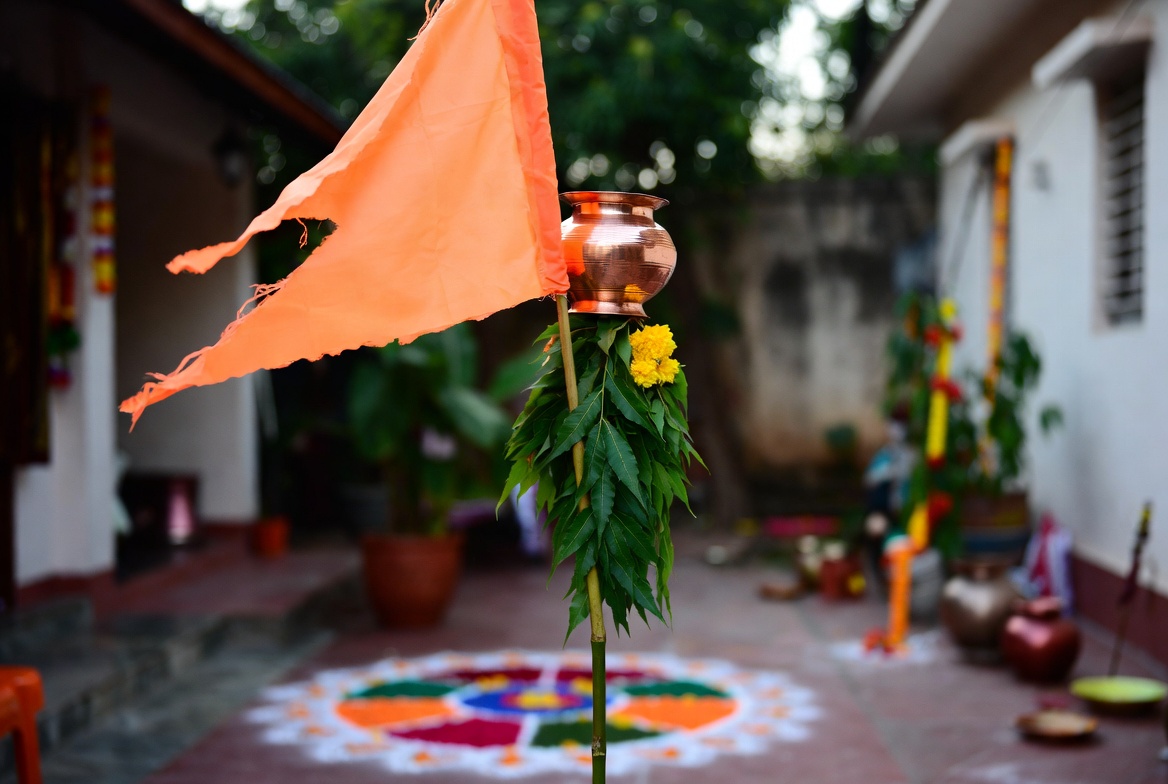
A bright cloth flag tied to a bamboo pole with a copper pot and neem leaves.
Represents victory, new beginnings, and the triumph of good over evil (Lord Rama’s return). It marks the Marathi New Year.
5. Modak
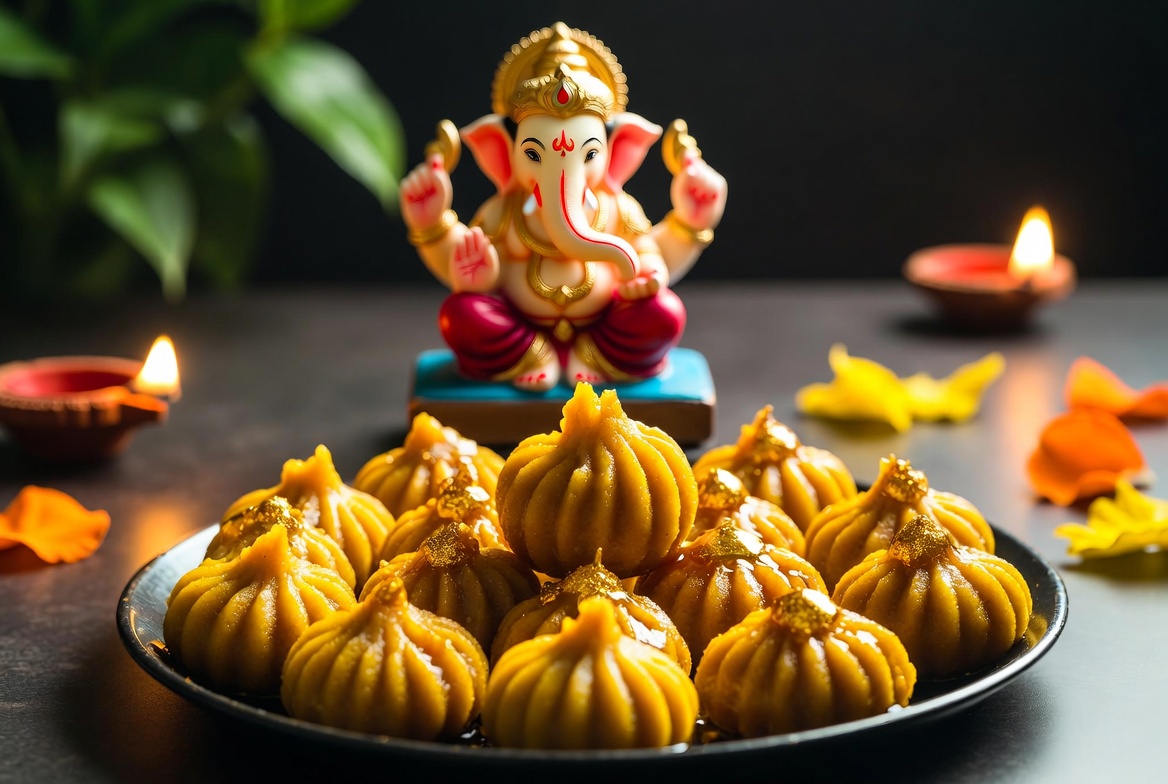
Sweet dumpling made of rice flour and jaggery-coconut filling.
The favourite sweet of Lord Ganesha. It symbolizes joy, prosperity, and devotion during Ganesh Chaturthi.
6. Tulsi Vrindavan
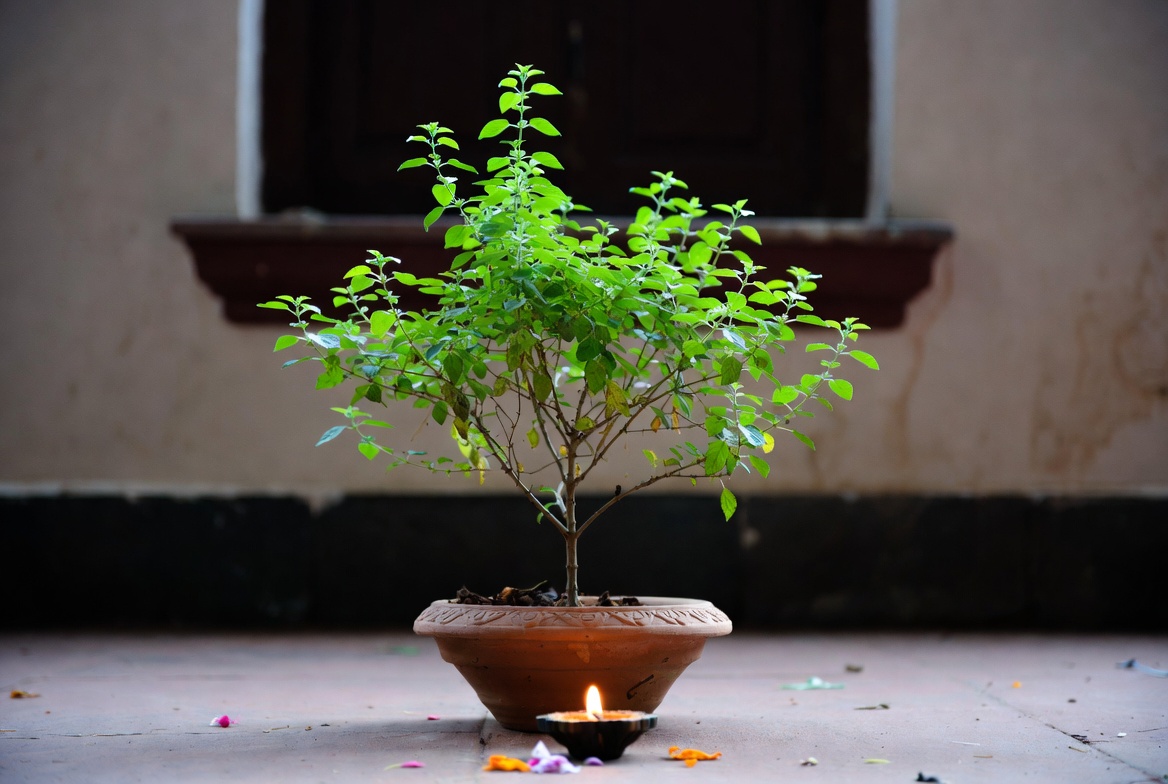
The sacred basil plant grown in every traditional Marathi home courtyard.
Represents purity, devotion to God, and health. Daily worship of Tulsi is a central part of our spiritual life.
These symbols connect us deeply to our history, faith, and identity as Maharashtrians. They are proudly displayed and celebrated in homes and communities.