
Cultural Symbols in Tamil India
Tamil culture is rich with powerful symbols that represent spirituality, prosperity, and heritage. Here are six of the most important:
1. Kolam (Rangoli)
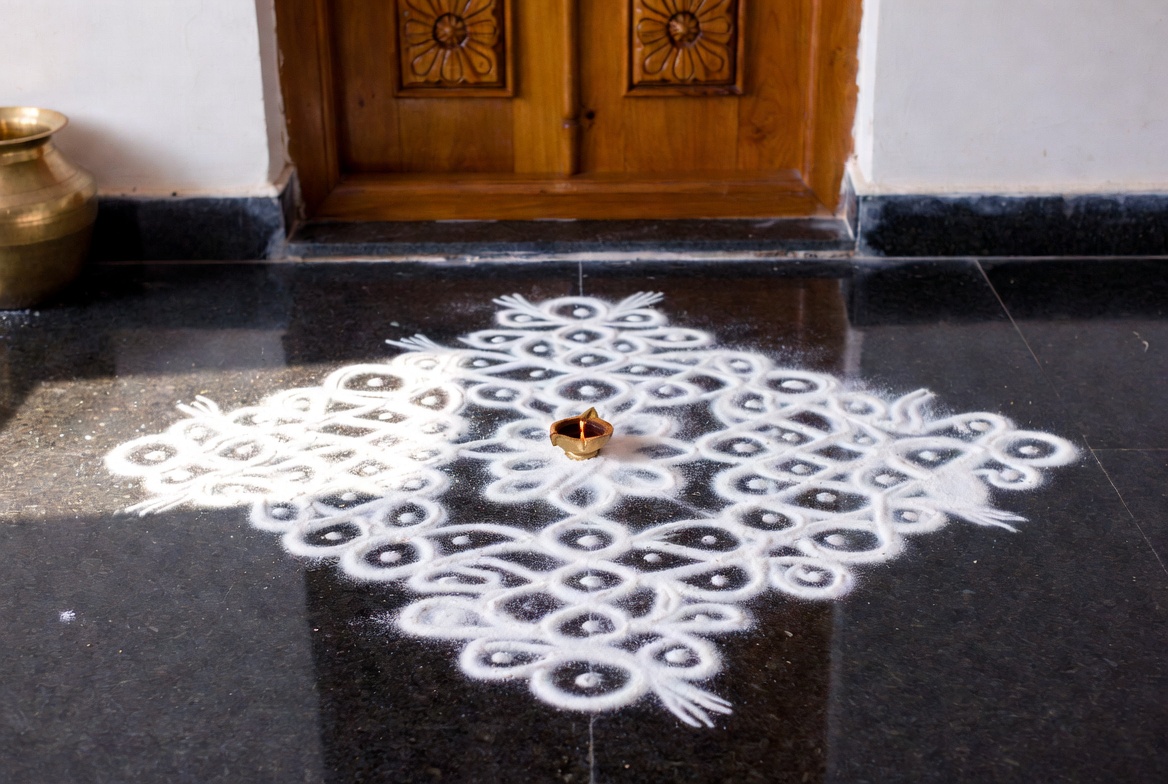
Intricate patterns drawn with rice flour at the entrance of homes every morning.
Significance: Symbolizes welcome, prosperity, and warding off evil. It also represents creativity and the impermanence of life.
2. Thali (Mangalsutra)
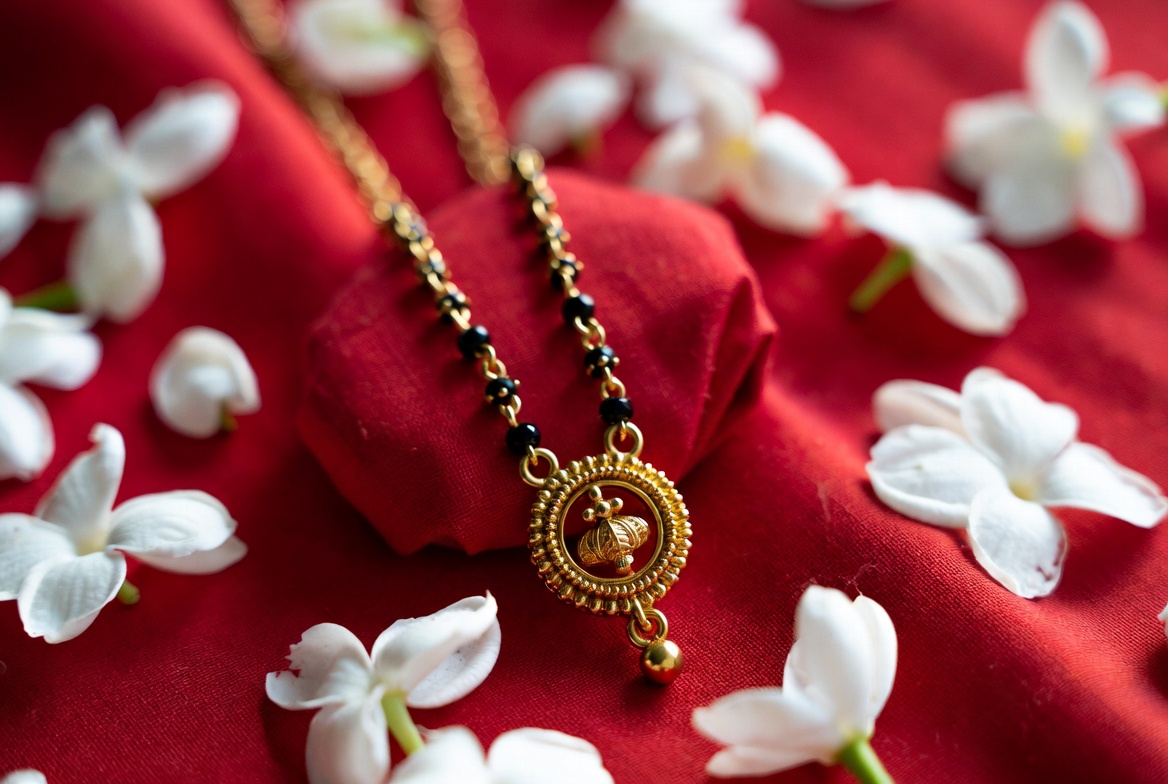
Sacred necklace tied by the groom around the bride’s neck during marriage.
Significance: Represents marital bond, love, and the wife’s sacred duty. The gold and black beads symbolize protection and longevity.
3. Nataraja (Dancing Shiva)
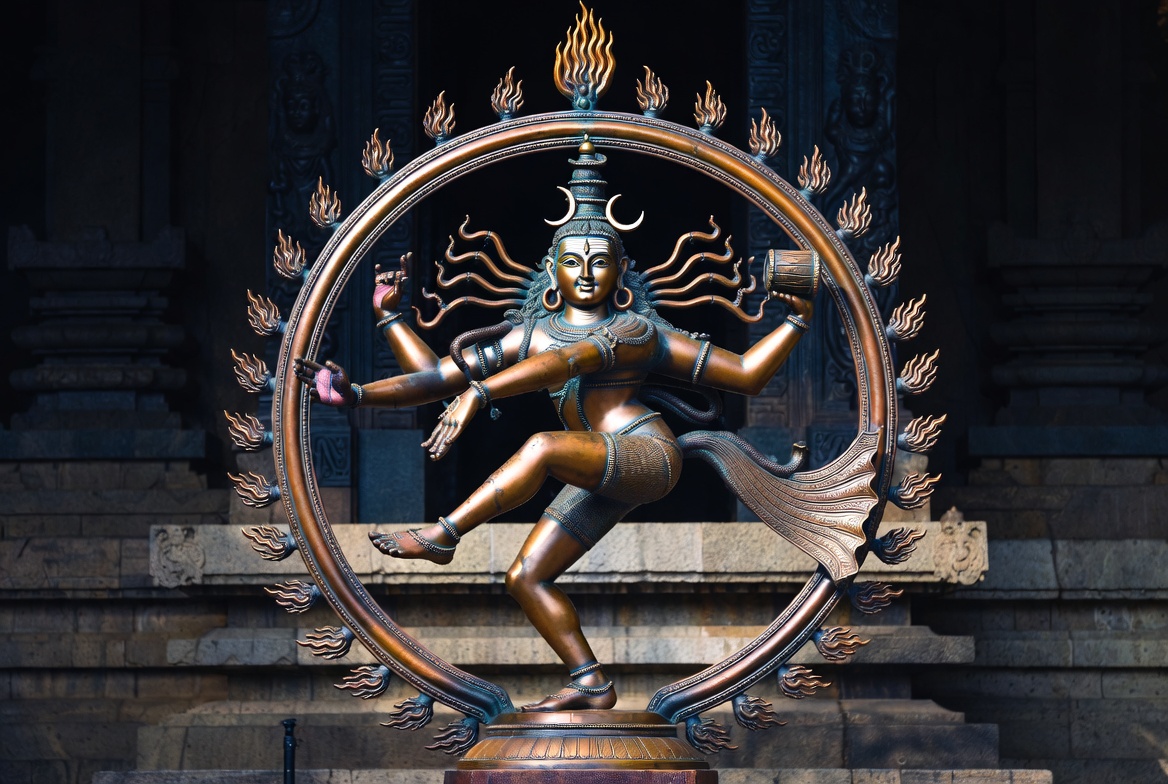
Lord Shiva performing the cosmic dance (Tandava).
Significance: Symbolizes the cycle of creation, preservation, and destruction in the universe. It is one of the most iconic representations of Tamil Shaivite philosophy and art.
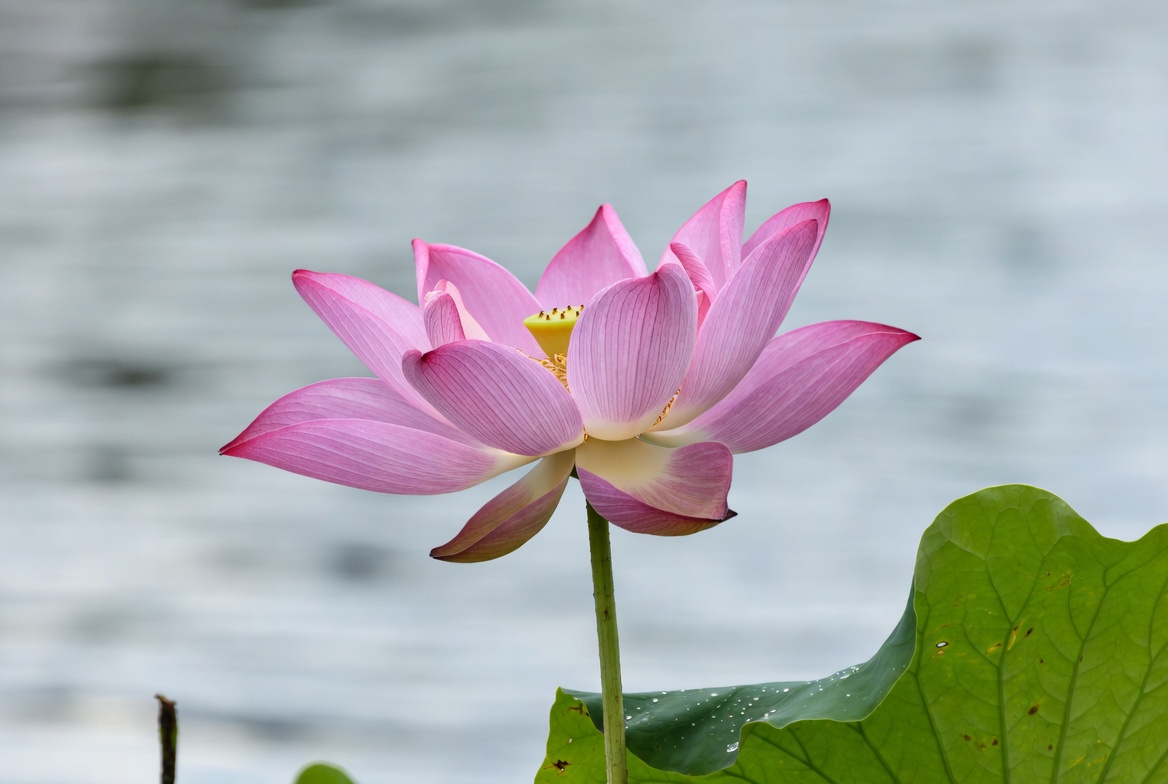
4. Lotus Flower
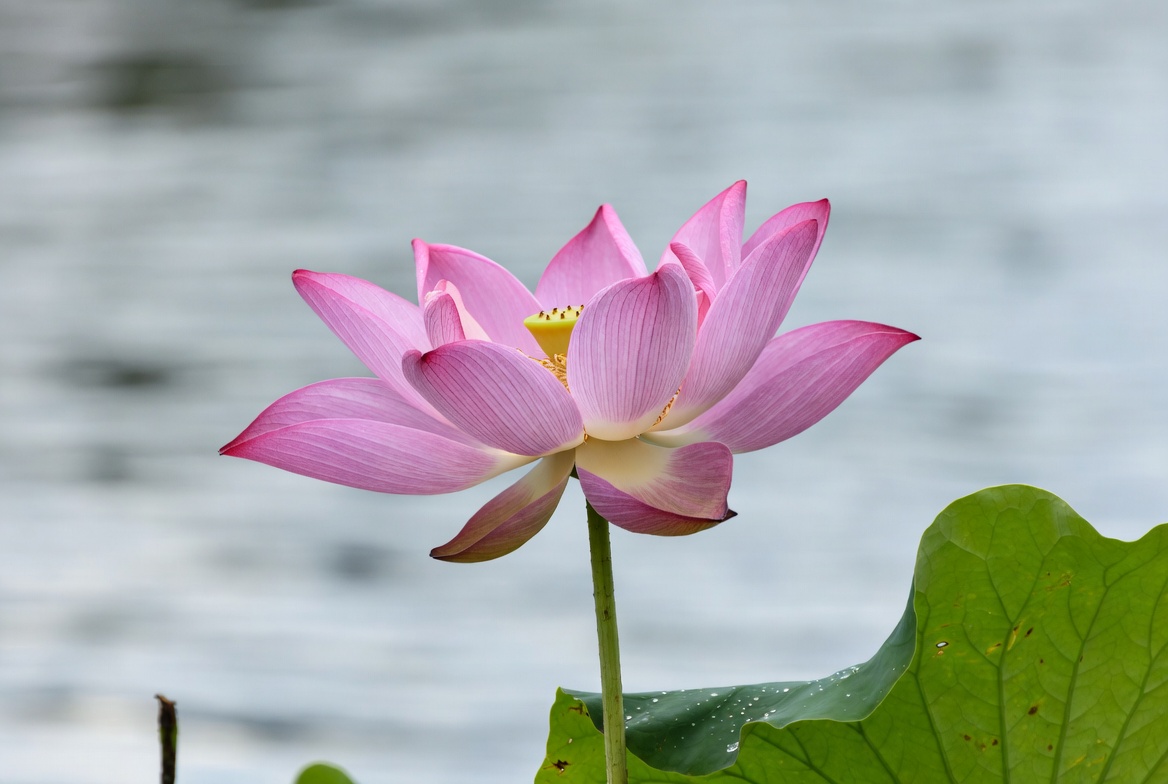
Often depicted in art, temples, and kolams.
Significance: Represents purity, beauty, and spiritual enlightenment — rising above mud to bloom beautifully, just as the soul rises above worldly attachments.
5. Vel (Spear of Lord Murugan)
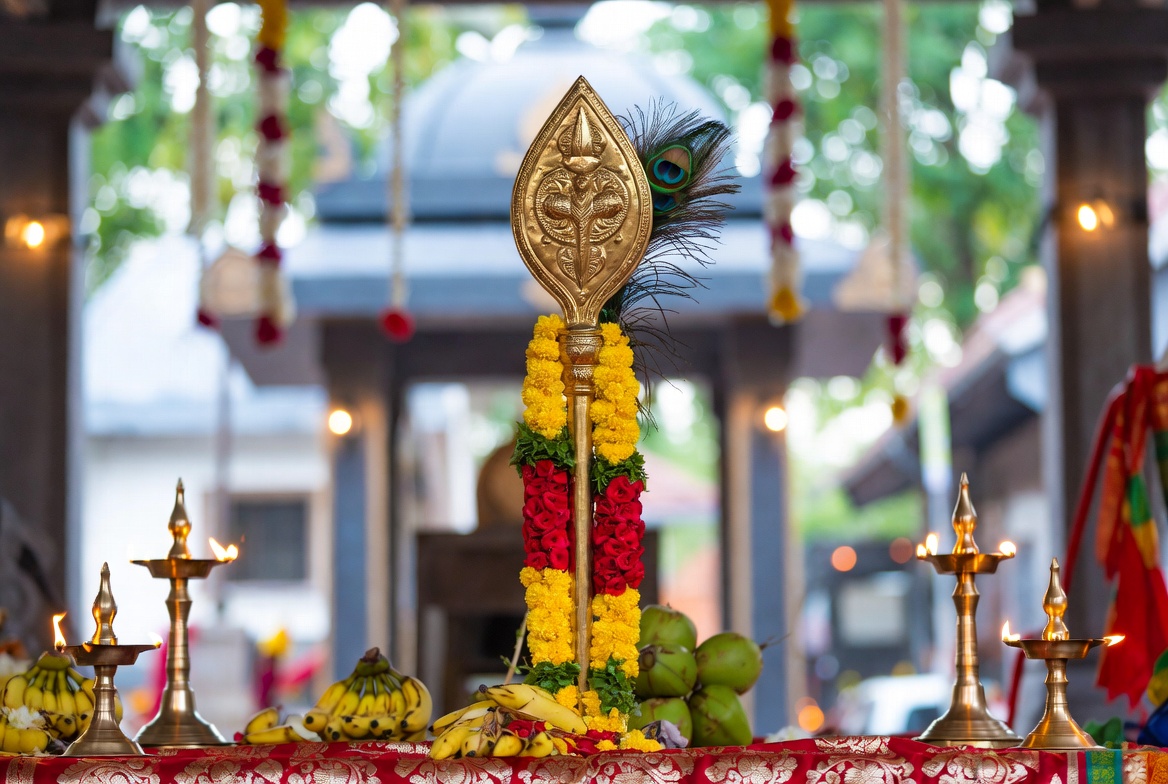
The divine weapon of Lord Murugan (Kartikeya).
Significance: Symbolizes wisdom, power, and victory over evil. It is a central symbol in Thaipusam and Tamil devotion to Murugan.
6. Pongal Pot (Sarkkarai Pongal)
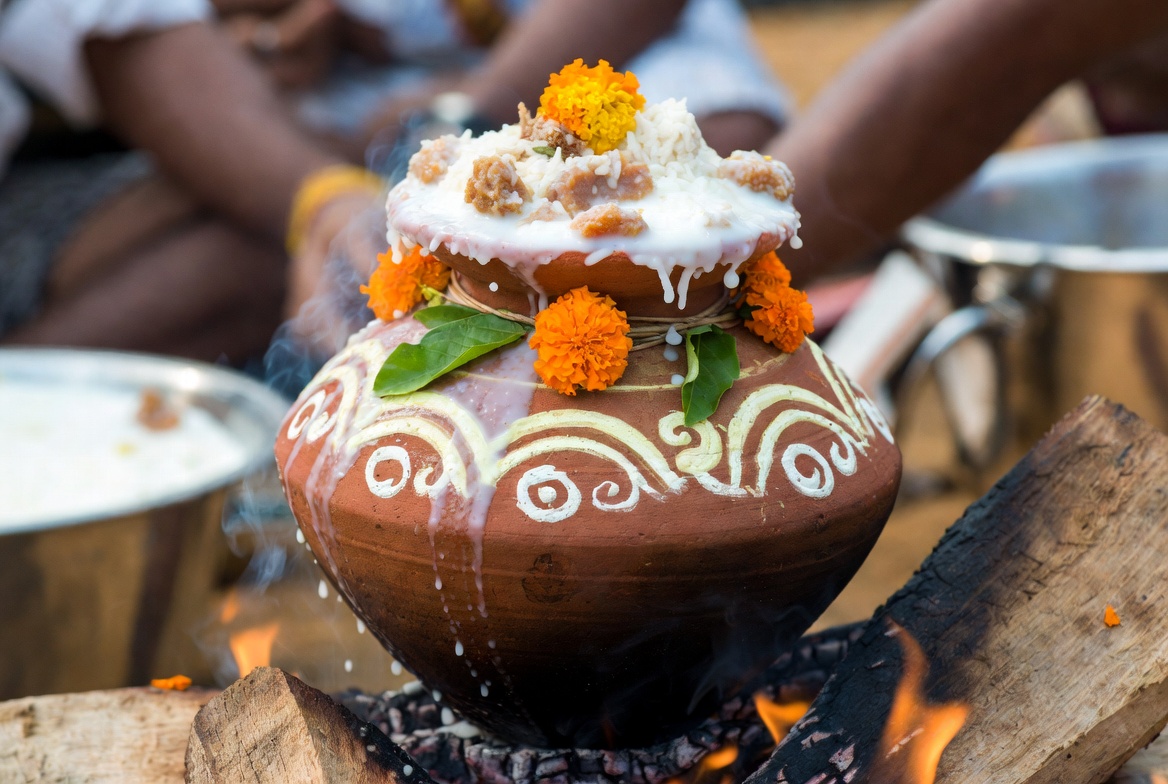
Overflowing pot of rice, jaggery, and milk during the Pongal festival.
Significance: Represents abundance, gratitude to nature (sun, earth, cattle), and prosperity. The overflowing milk symbolizes overflowing blessings.
These symbols are deeply woven into daily life, festivals, art, and rituals in Tamil culture.