
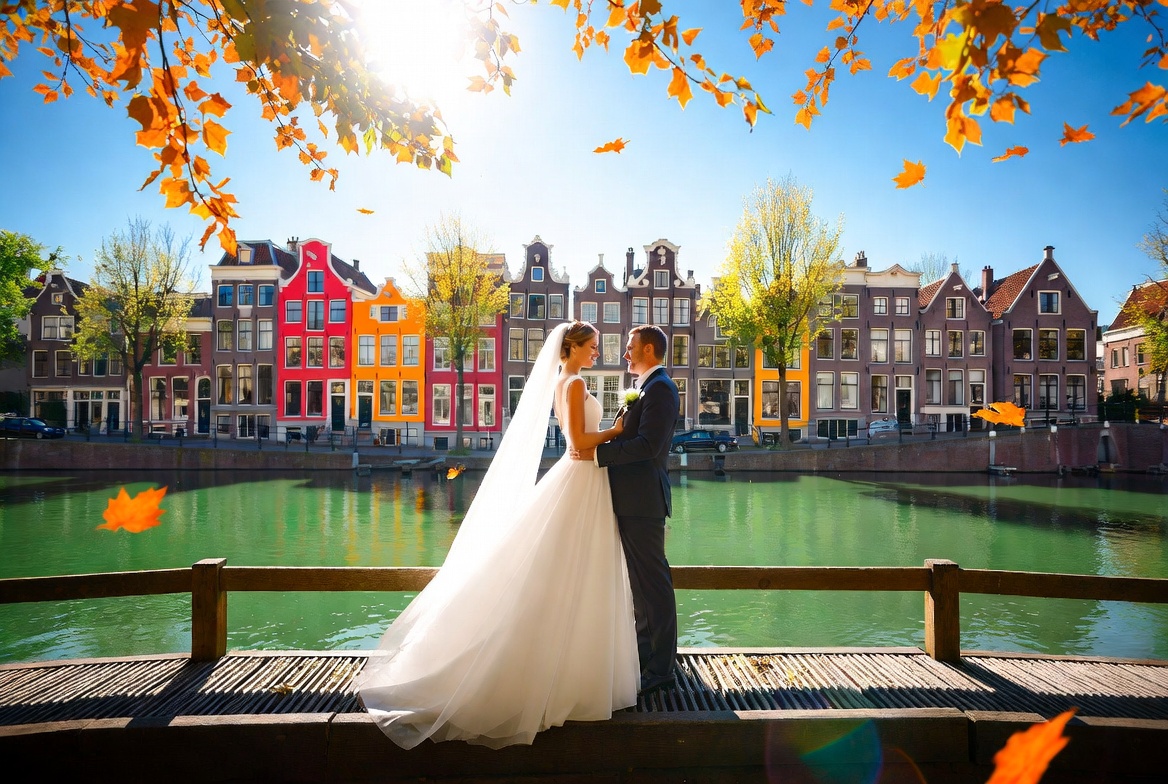
Dutch Wedding Traditions: Simplicity, Intimacy, and Celebration
Dutch weddings are known for being practical, intimate, and focused on family and close friends. Extravagance is avoided. Meaningful traditions are cherished.
1. Civil Ceremony is Mandatory
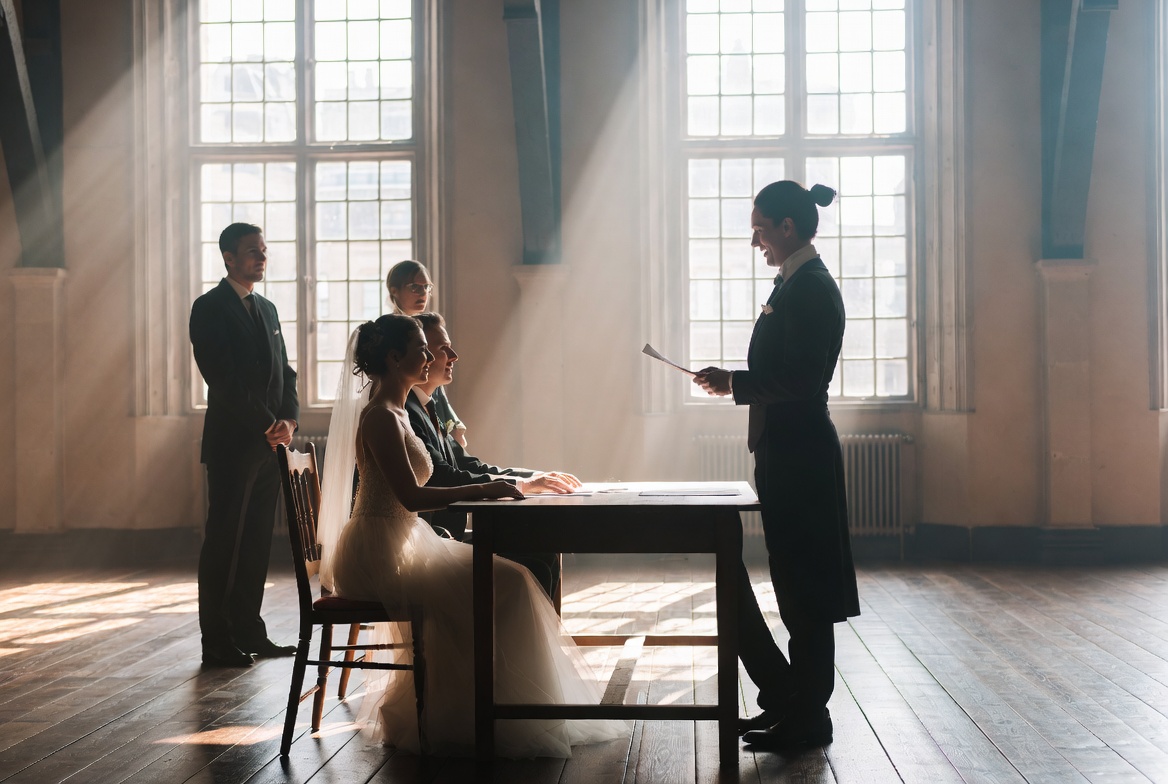
Every couple must marry at the town hall (gemeentehuis) first
Conducted by a civil registrar (ambtenaar van de burgerlijke stand)
Religious ceremonies (church) are optional and come after
This makes the marriage legally valid in the Netherlands
Same-sex marriage has been legal since 2001 (first country in the world)
2. Wedding Procession (Stoet)
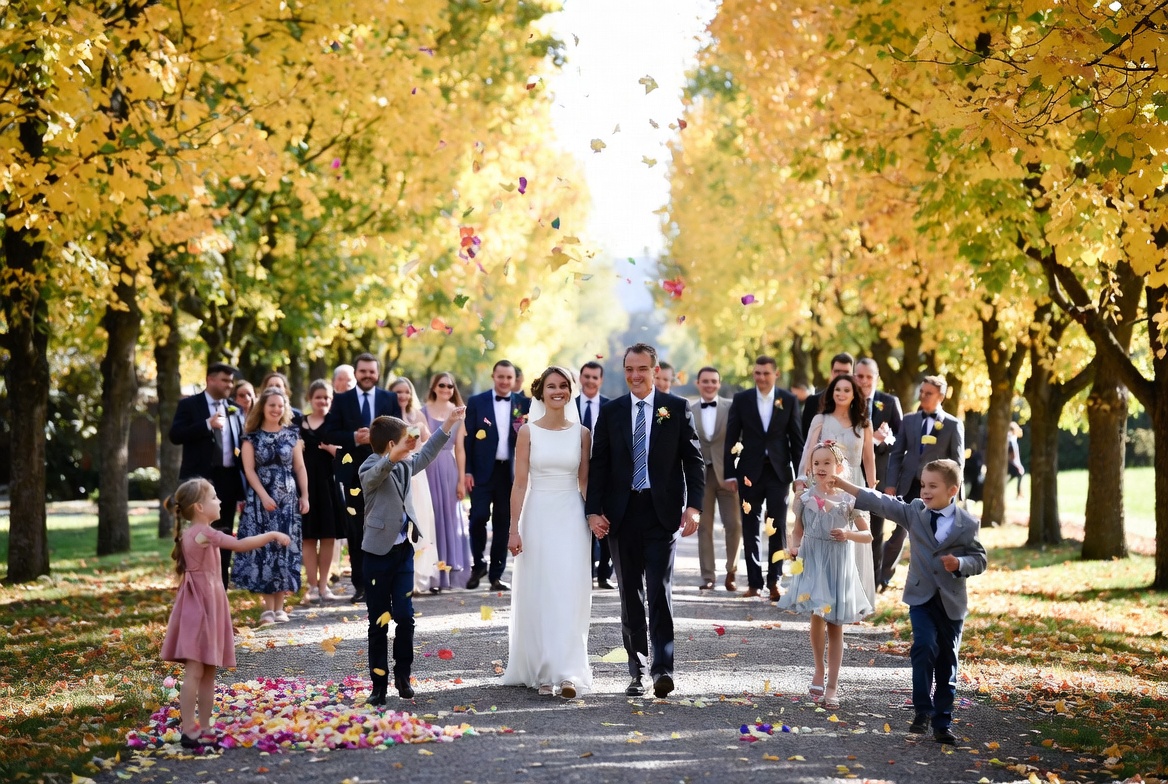
Guests walk or bike together to the ceremony venue
No loud car horns (considered rude in Netherlands)
Sometimes a vintage car is used (but quietly)
Children walk at the front throwing flower petals
Everyone arrives together as a group
3. The Wedding Cake (Bruidstaart)
Traditional Dutch wedding cake is a "banketstaaf" (almond paste pastry roll)
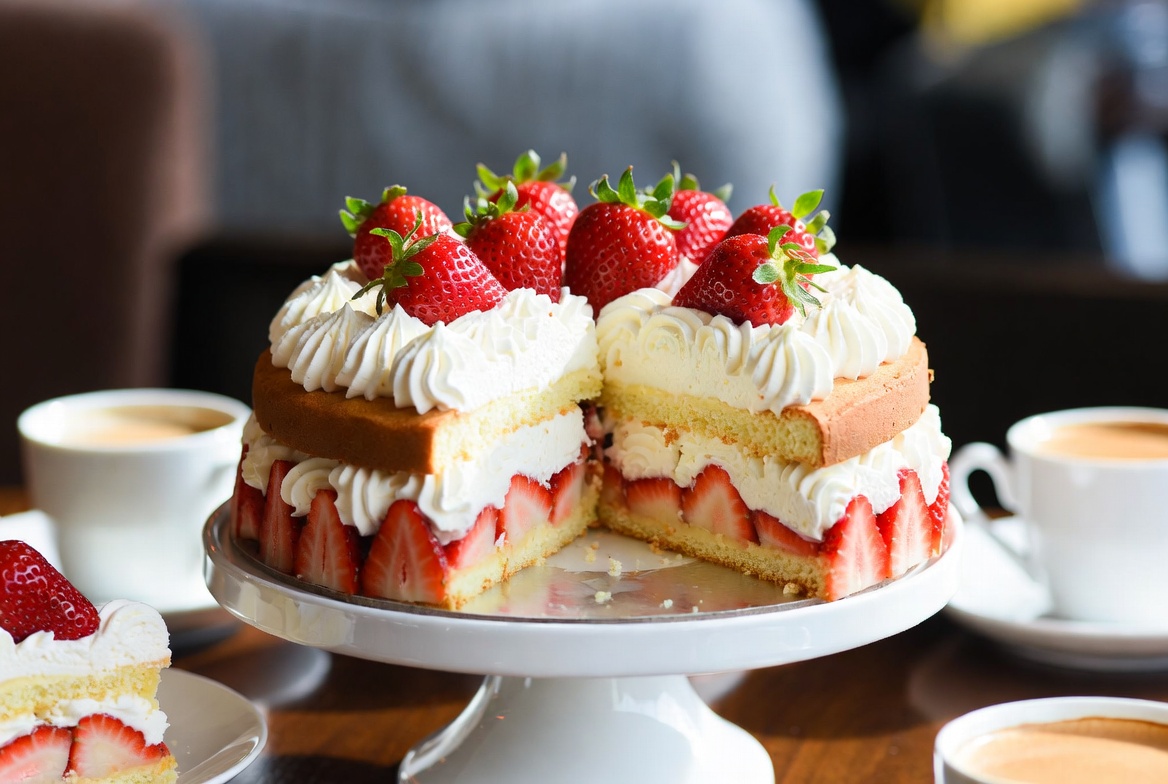
Or a multi-tiered "slagroomtaart" (whipped cream cake)
Cake is served with coffee after the ceremony
Guests take small pieces home (wrapped in paper napkins)
No cake smashing in face (considered wasteful and rude)
4. Wedding Gift Tradition (Cadeautjes)
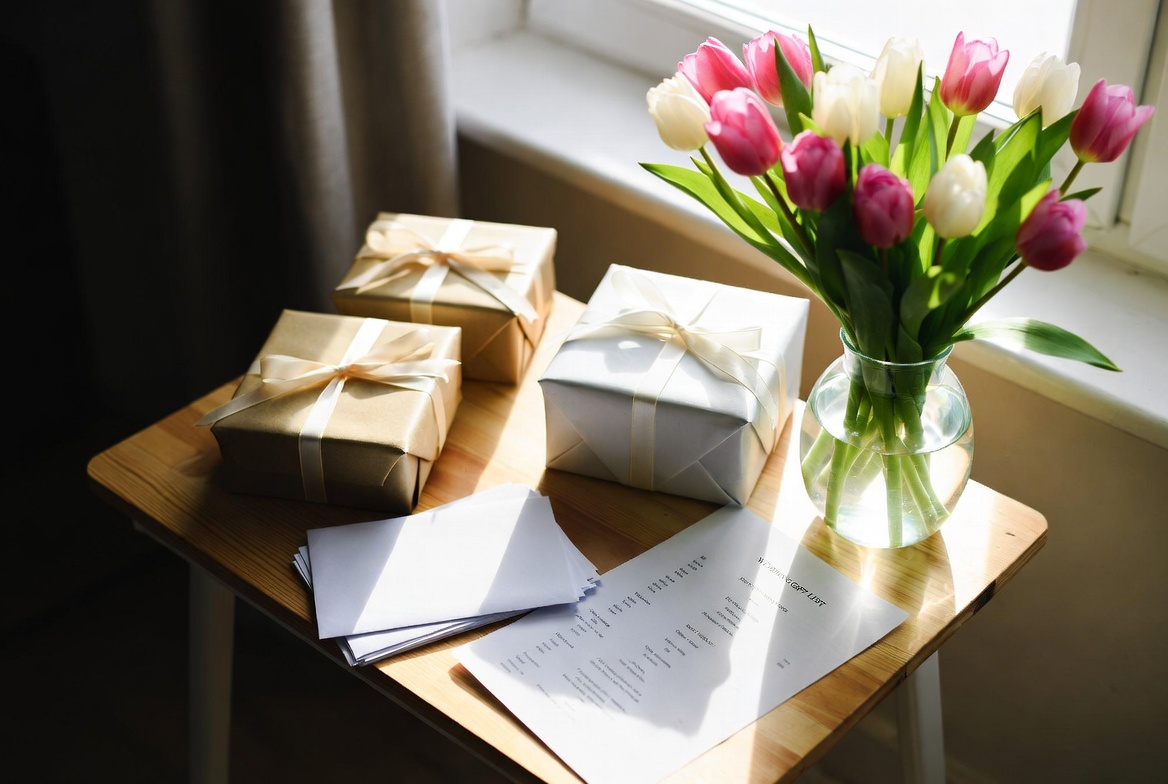
Dutch couples provide a "wish list" (cadeaulijst) at specific stores
Guests choose gifts from the list (avoiding duplicate or unwanted items)
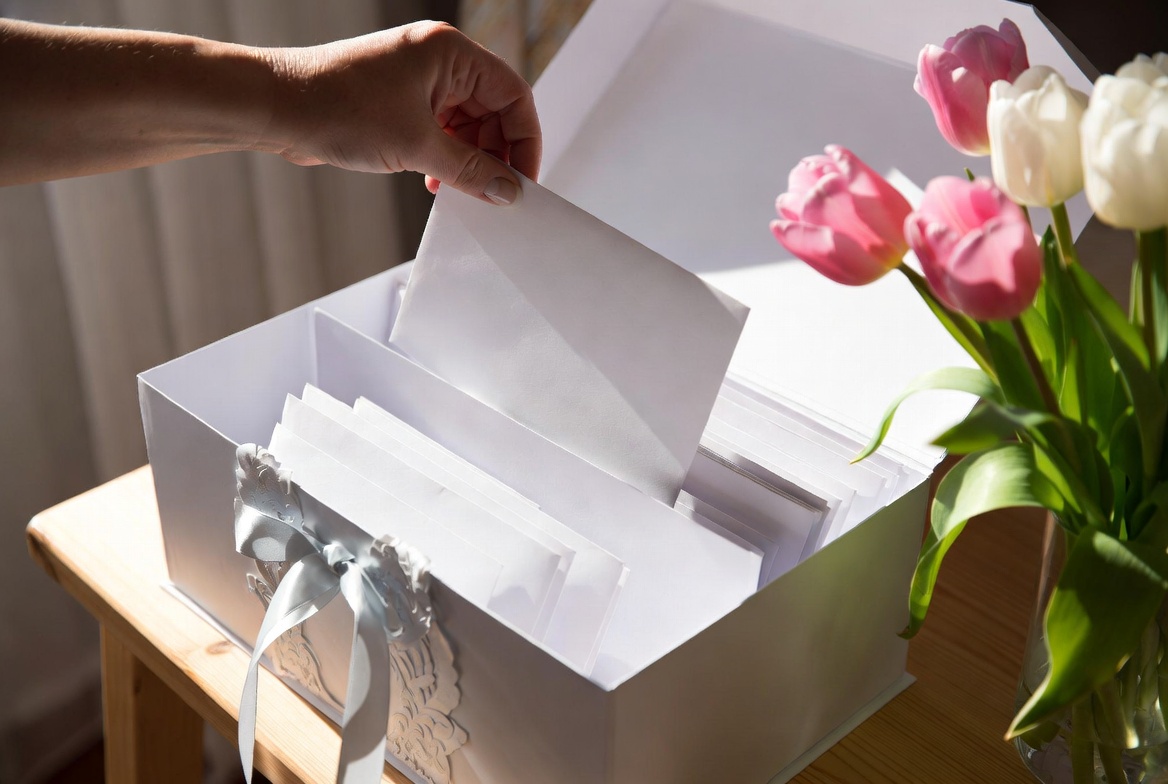
Cash gifts are common (given in an envelope, not pinned)
Never give cash openly (considered tacky)
Gift amounts are modest (50-100 euros typical from friends)
5. "Woo" Board (Niet Schreeuwen)
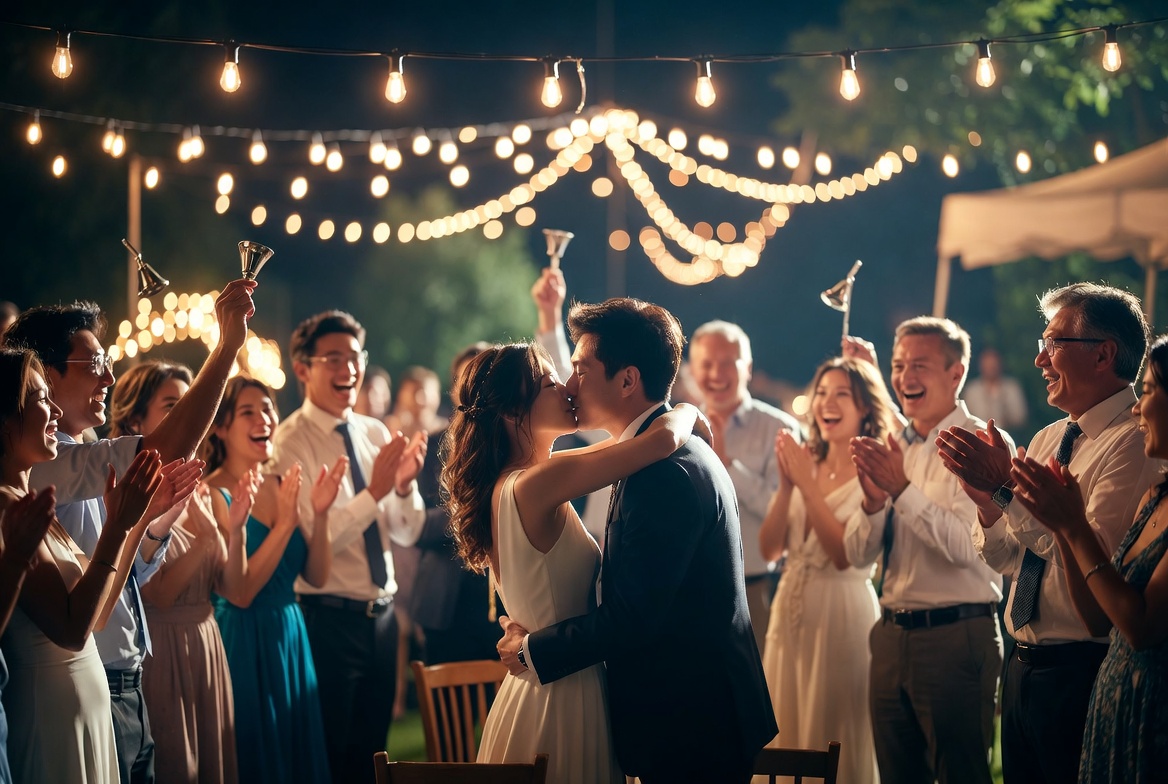
Traditional call to the couple to kiss
Guests tap spoons against glasses (or use a "woo" board)
"Woo" board is a wooden board with bells and whistles
Couple must stand on chairs and kiss
Very Dutch: loud without being wild
6. Polonaise (Dutch Wedding Dance)
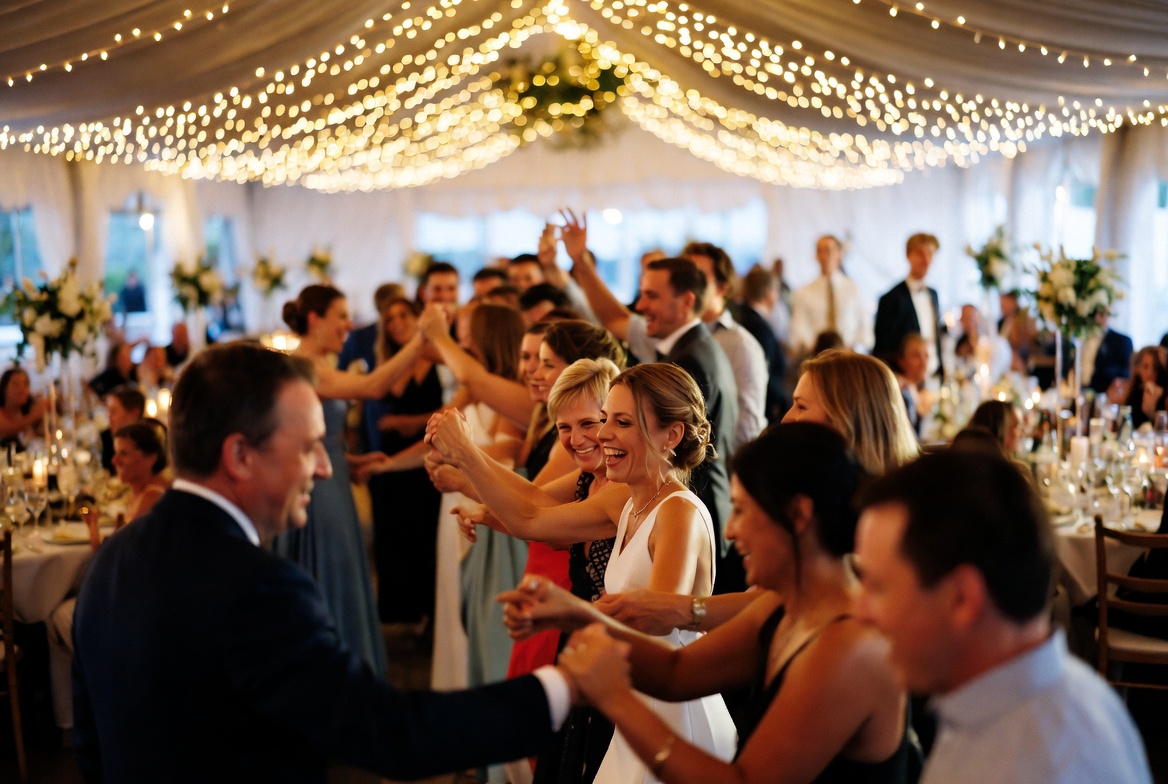
Traditional Dutch wedding dance where guests form a long snaking line
Everyone holds hands or places hands on shoulders
The line winds through the entire venue (tables, chairs, outside)
Music: often "Het Dorp" by Wim Sonneveld or "Aan de Amsterdamse Grachten"
Very joyful and chaotic
7. The Wedding Night (Middle-class Tradition)
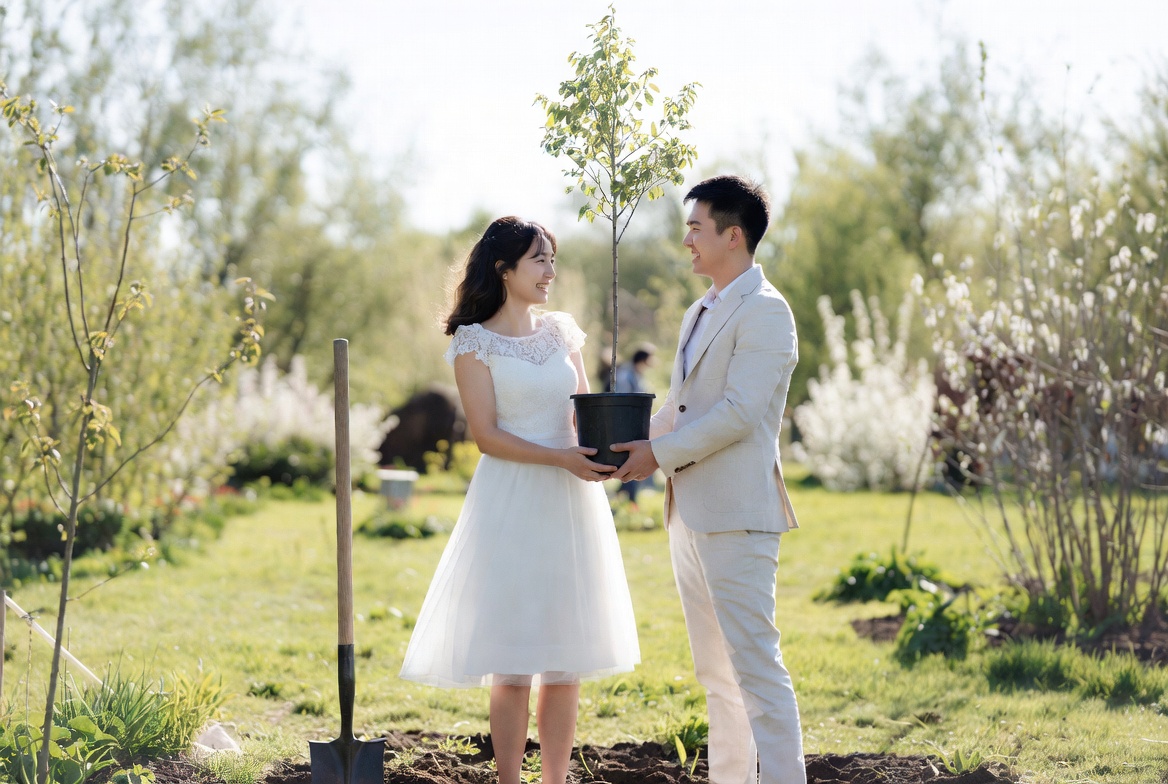
Traditional Dutch custom: couple plants "bruidsboom" (bridal tree) in their garden
Usually a lime or oak tree (symbolizing lasting love)
Tree grows as their marriage grows
Urban couples plant in pot on balcony
Still practiced in villages
8. Guest Contribution System
Guests are not expected to pay for wedding costs
But close family may contribute to specific items (cake, flowers)
No "dollar dance" or money pinning (considered rude)
Cash gifts are given discreetly in envelopes
Contribution is voluntary, not expected
9. Family & Community Focus
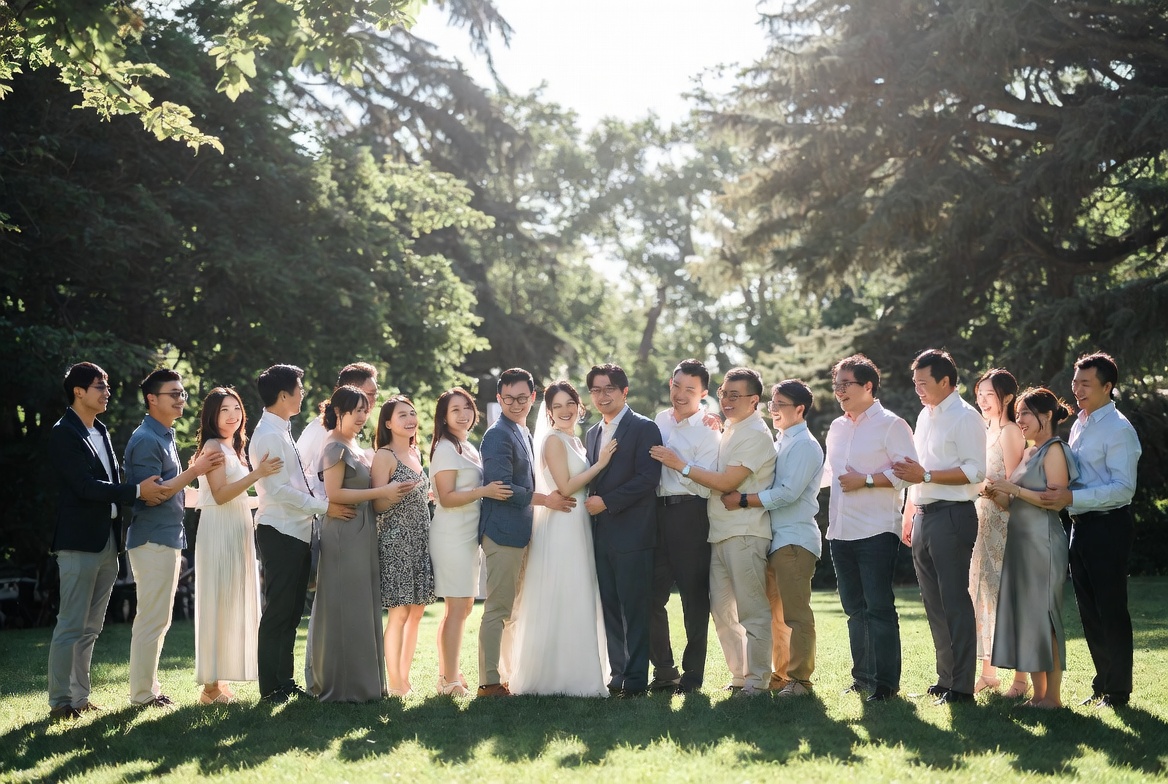
Dutch weddings are small (usually 50-80 people)
Only close family and friends invited
Extended family and colleagues are not automatically included
Children are always welcome (no "child-free" weddings)
Wedding is about intimacy, not showing off