
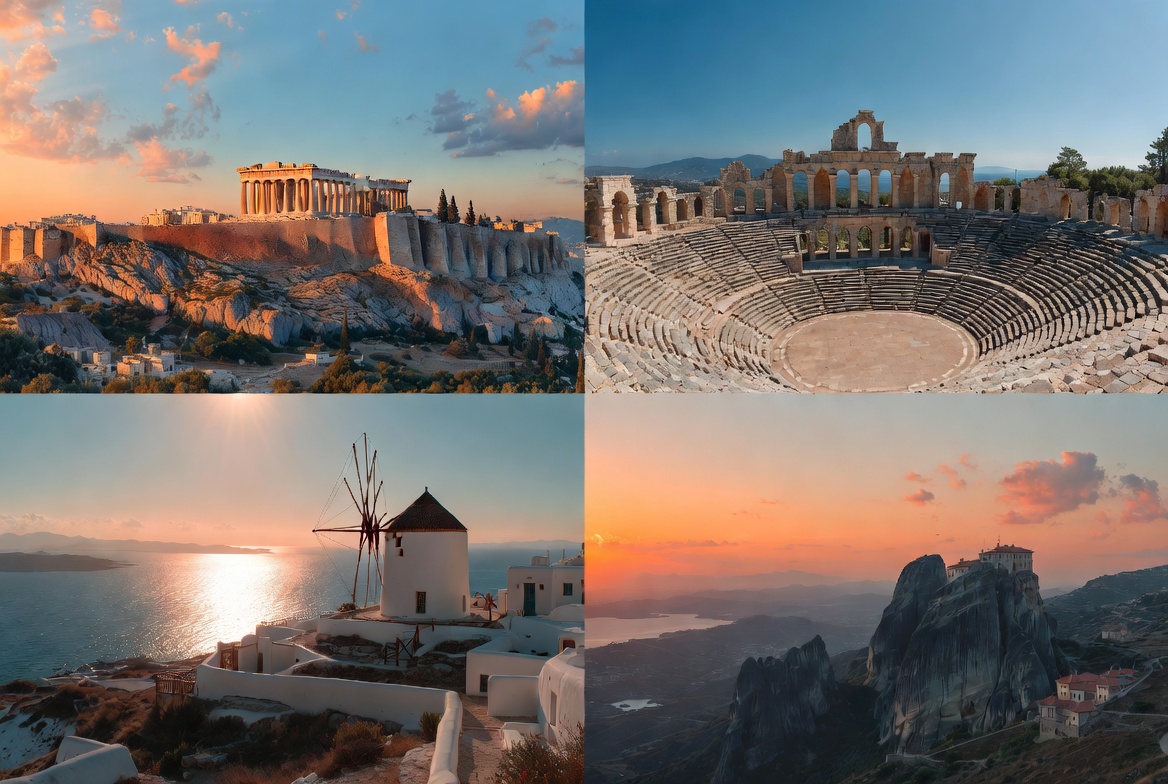
Greek Historical Landmarks & Significance: A Tourist's Guide to Boundaries
Greece has landmarks from 5,000 years of history — from the Acropolis to ancient Olympia to medieval monasteries. Knowing these landmarks helps tourists understand Greek pride and respect sacred boundaries.
1. Acropolis and Parthenon (Athens)
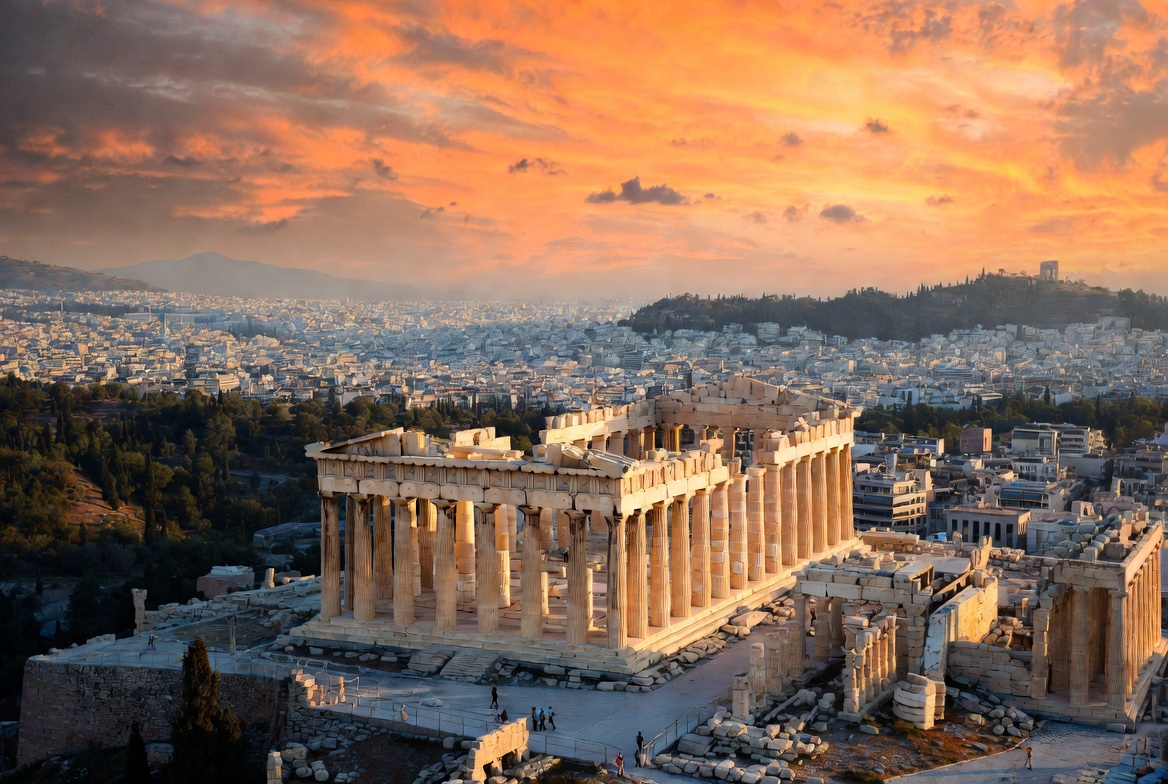
Built 447-432 BCE (Pericles' Golden Age)
Dedicated to goddess Athena (protector of Athens)
Parthenon is world's most famous ancient Greek temple
Symbol of democracy, philosophy, art, and Western civilization
Still under restoration (scaffolding since 1975)
No climbing on marble ruins (fines apply)
2. Ancient Olympia (Peloponnese)
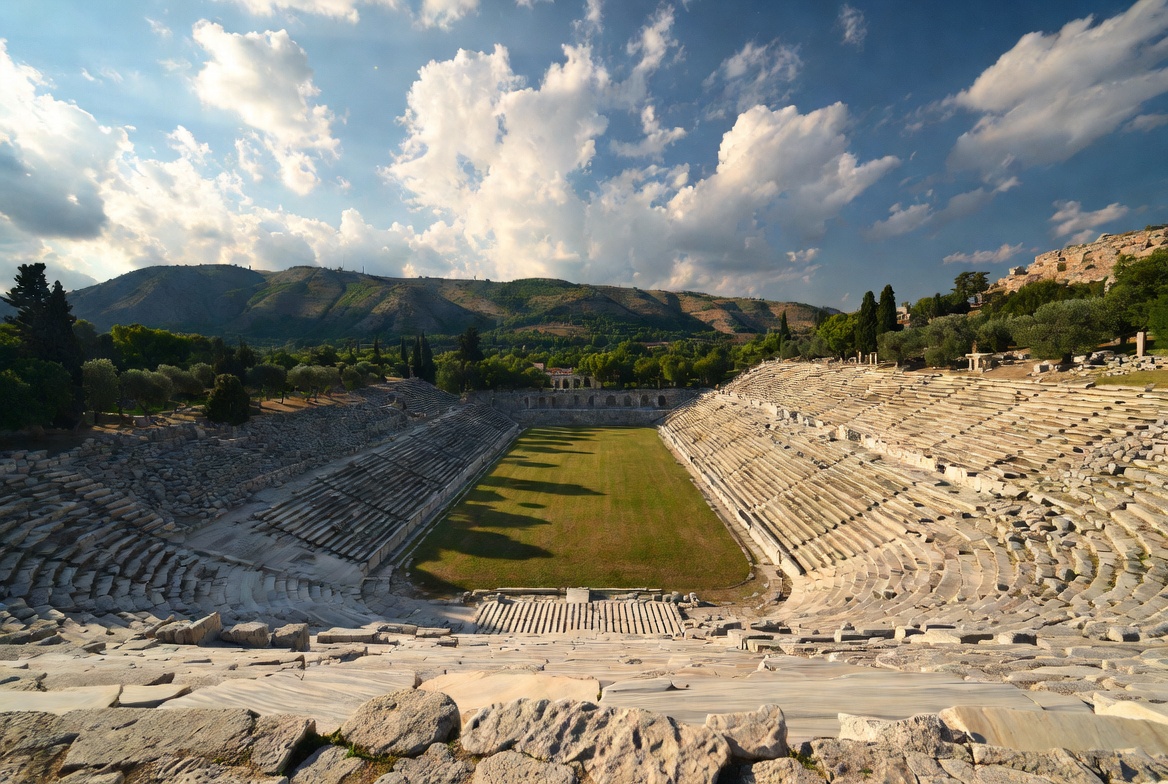
Site of first Olympic Games (776 BCE)
Held every 4 years for 1,000+ years
Olympic flame still lit here (using sun rays)
Statue of Zeus was one of Seven Wonders of Ancient World
Stadium track still visible (runs 192 meters)
No running on ancient track (preservation)
3. Delphi (Mount Parnassus)
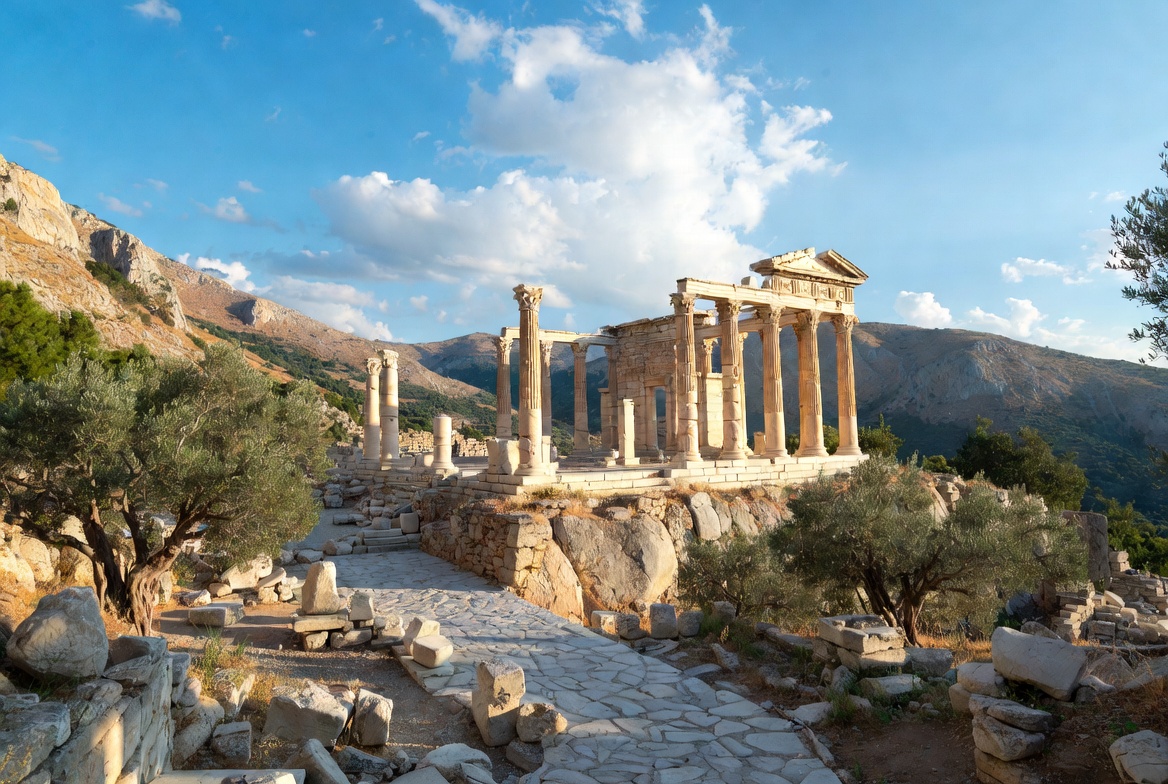
Site of famous Oracle of Delphi (1400 BCE - 400 CE)
People traveled from all over ancient world to ask questions
Priestess (Pythia) gave prophecies while inhaling sacred vapors
Considered "navel (center) of the world" by ancient Greeks
Temple of Apollo ruins still stand
No climbing on altar stones
4. Meteora Monasteries (Thessaly)
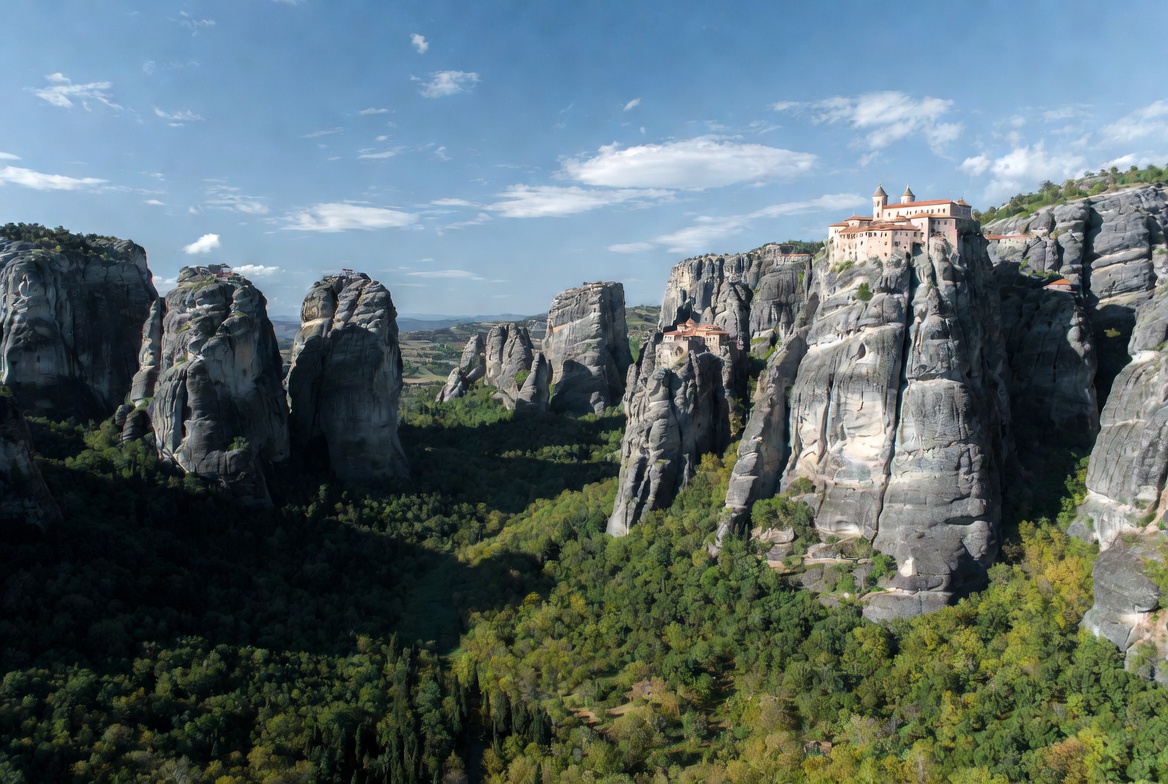
Monasteries built on top of massive stone pillars (600+ feet high)
First monastery built in 14th century (monks seeking isolation)
Originally accessible only by rope ladders and nets
24 monasteries originally built, 6 remain active today
One of most photographed places in Greece
Dress code strictly enforced (no shorts for men or women)
5. Epidaurus Theatre (Peloponnese)
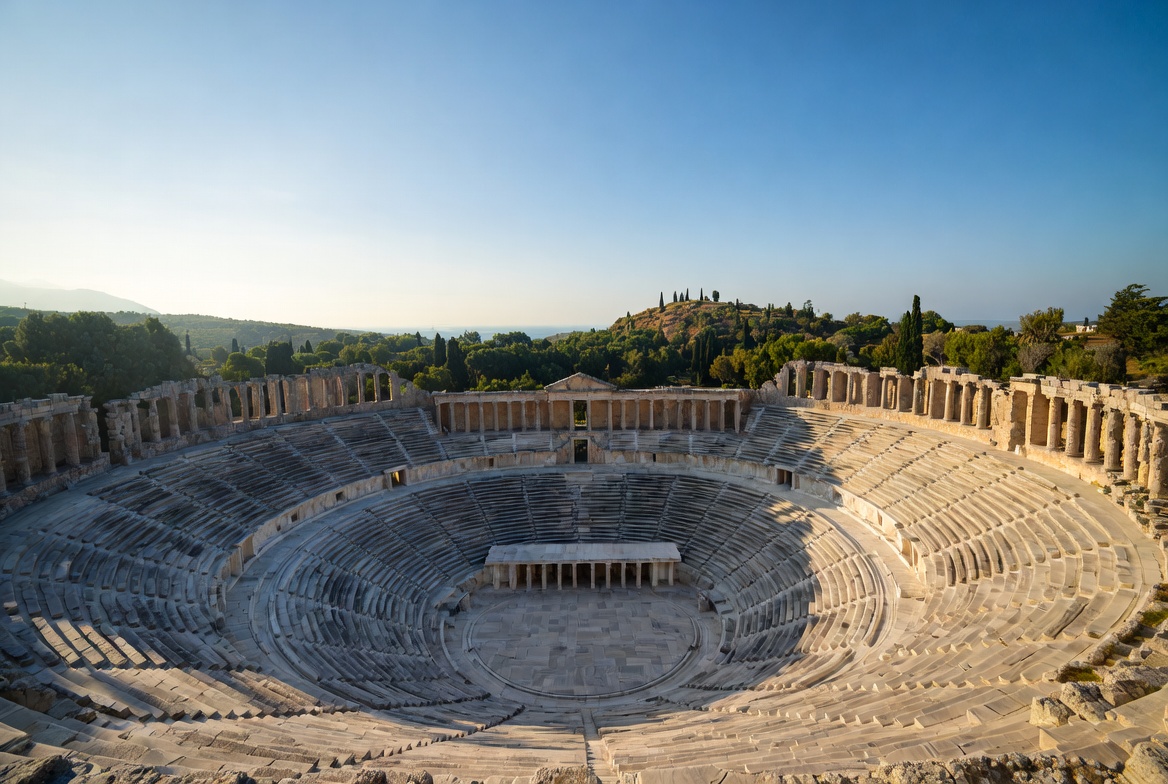
Built 340 BCE (holds 14,000 people)
Most preserved ancient Greek theatre
Perfect acoustics (whisper on stage heard in last row)
Still used for performances every summer (Athens-Epidaurus Festival)
No sitting on stone seats during non-performance hours (preservation)
Climbing on stage area not allowed
6. Knossos Palace (Crete)
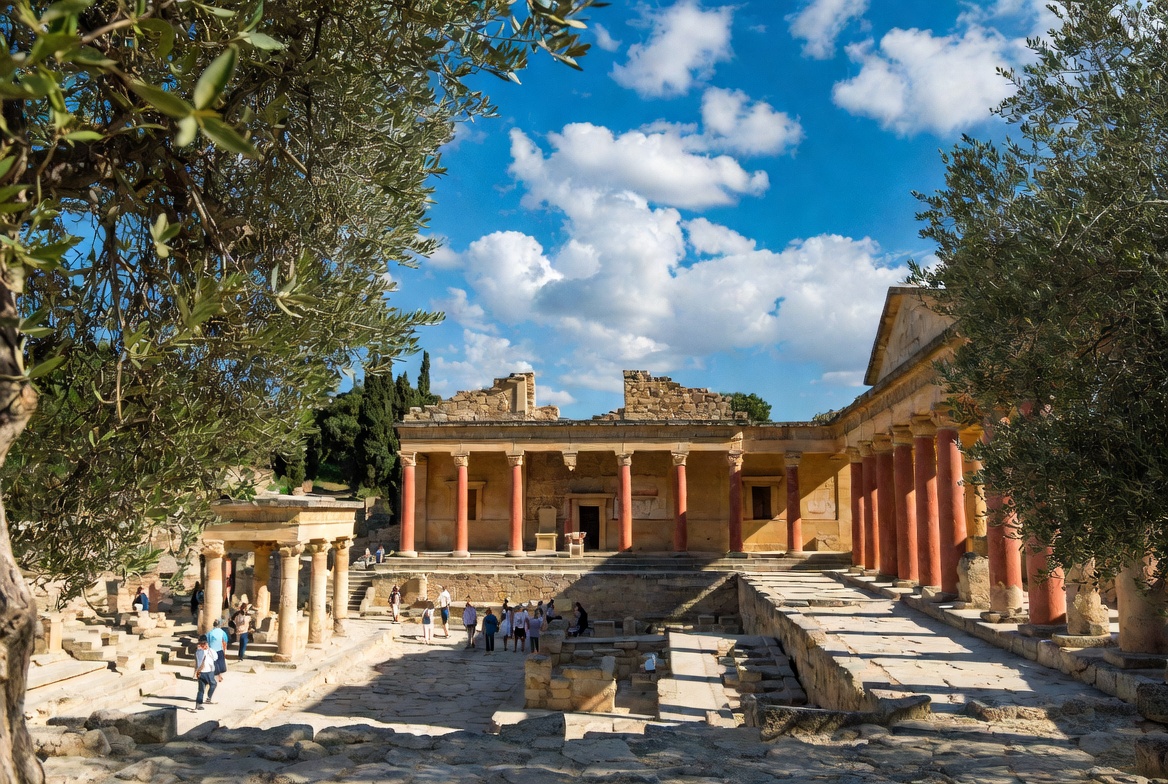
Built 1900 BCE (Minoan civilization)
Europe's oldest city (3,900+ years old)
Associated with myth of Minotaur (half-man, half-bull in labyrinth)
Restored in early 1900s (some reconstructions controversial)
Throne room has alabaster seat (oldest throne in Europe)
No touching restored frescoes
7. Mycenae (Peloponnese)
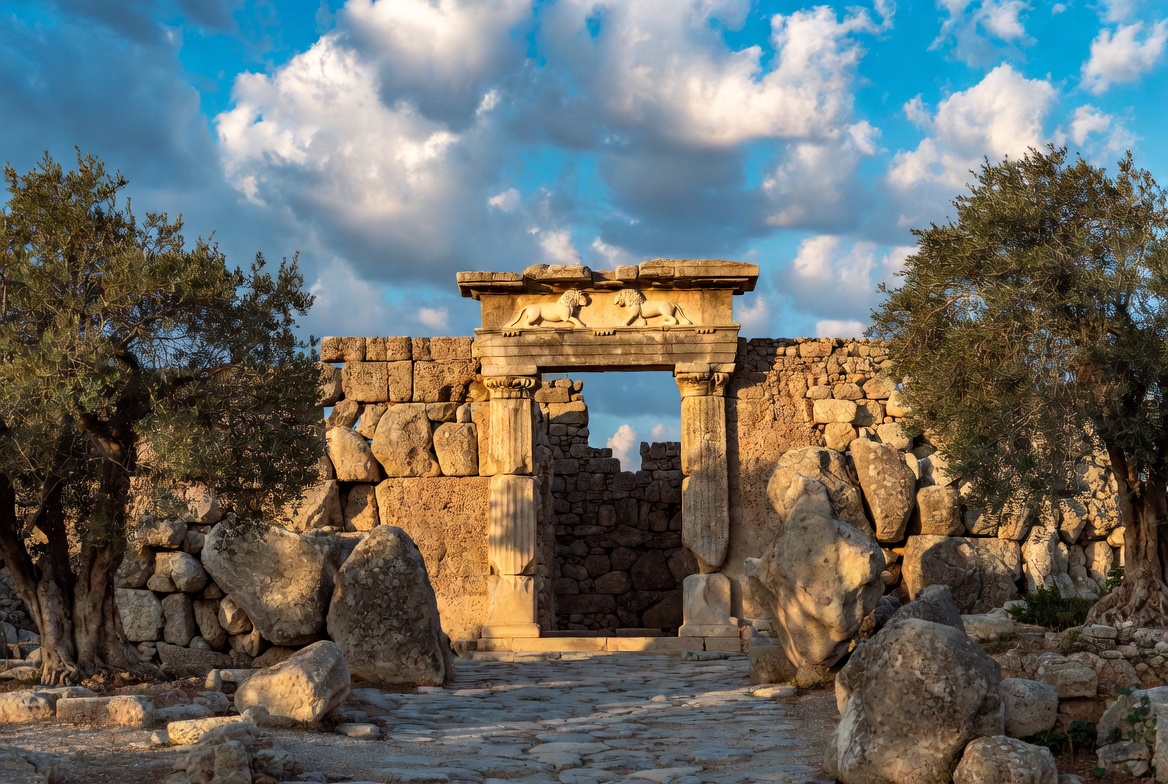
Major center of Greek civilization (1600-1100 BCE)
Home of King Agamemnon (leader of Trojan War)
Famous Lion Gate entrance (oldest monumental sculpture in Europe)
Beehive tombs (tholos) with massive stone blocks
Cyclopean walls (stones so large believed built by Cyclops)
No climbing on tomb stones