
Greek Wedding Traditions: Stefana, Koumbaro, and Dancing
Greek weddings are not one day. They involve engagement rituals, a sacred ceremony with crowns, and a reception that lasts until sunrise. Family and faith are at the center.
1. Engagement and Dowry Traditions
Groom asks bride's father for permission
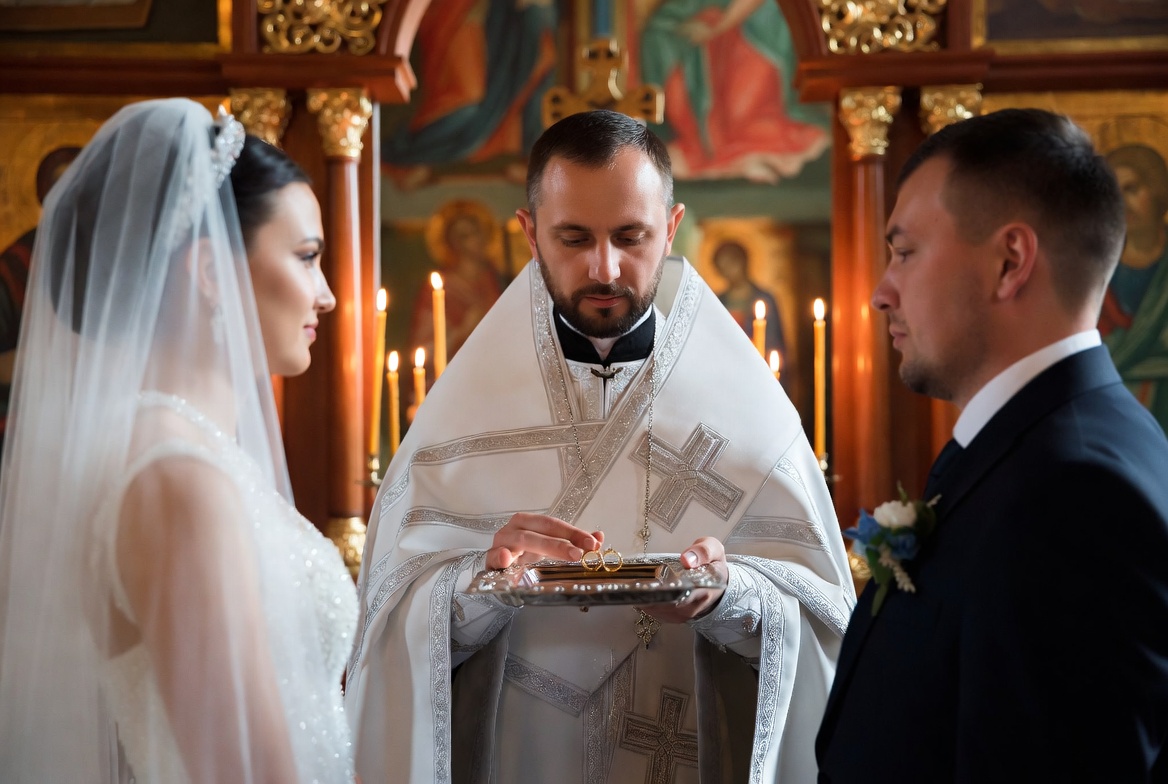
Rings are blessed by priest (engagement ceremony)
Bride's family traditionally prepared dowry (linens, household items)
Bed-making ceremony: friends and family prepare the marital bed
Money or gifts placed under mattress for good luck
2. Wedding Preparation Rituals
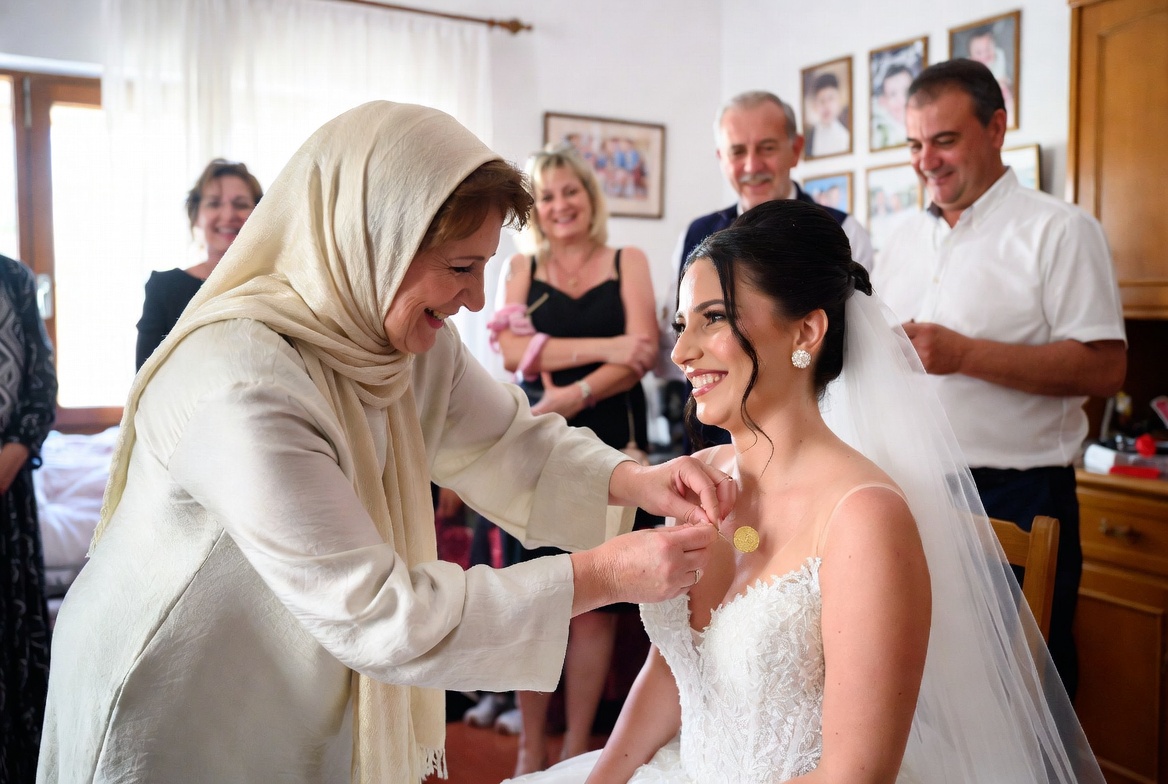
Friday before wedding: "Pinning ceremony" (koumbaro pins flowers and money on bride's dress)
Bachelor and bachelorette parties (night before)
Groom's shoes: bridal party writes names or draws on shoes
Bride writes single friends' names on bottom of her shoes (so they marry soon)
Groom's mother prepares bridal bed
3. Wedding Day: Groom's Preparation
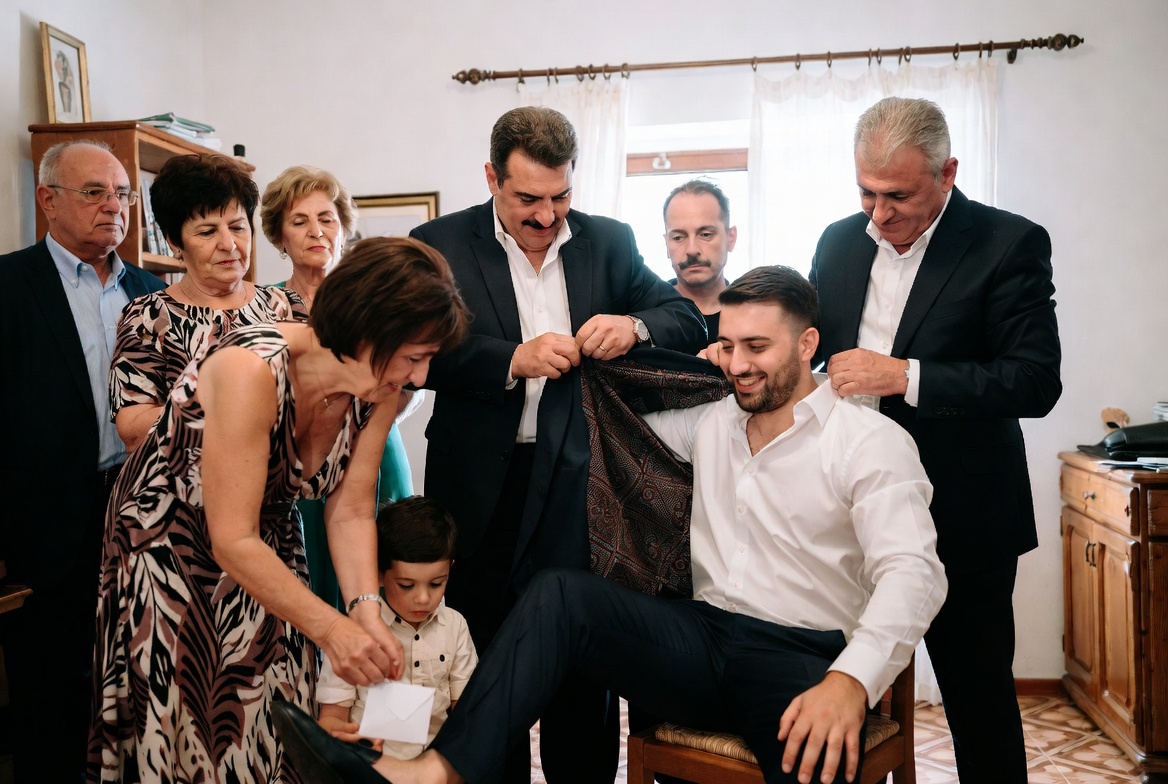
Groom shaves and gets dressed
Friends and family help with cufflinks and jacket
Groom pays bride's dowry to father (symbolic)
Groom's mother places money in his shoes for good luck
Procession to church begins
4. Wedding Day: Bride's Preparation
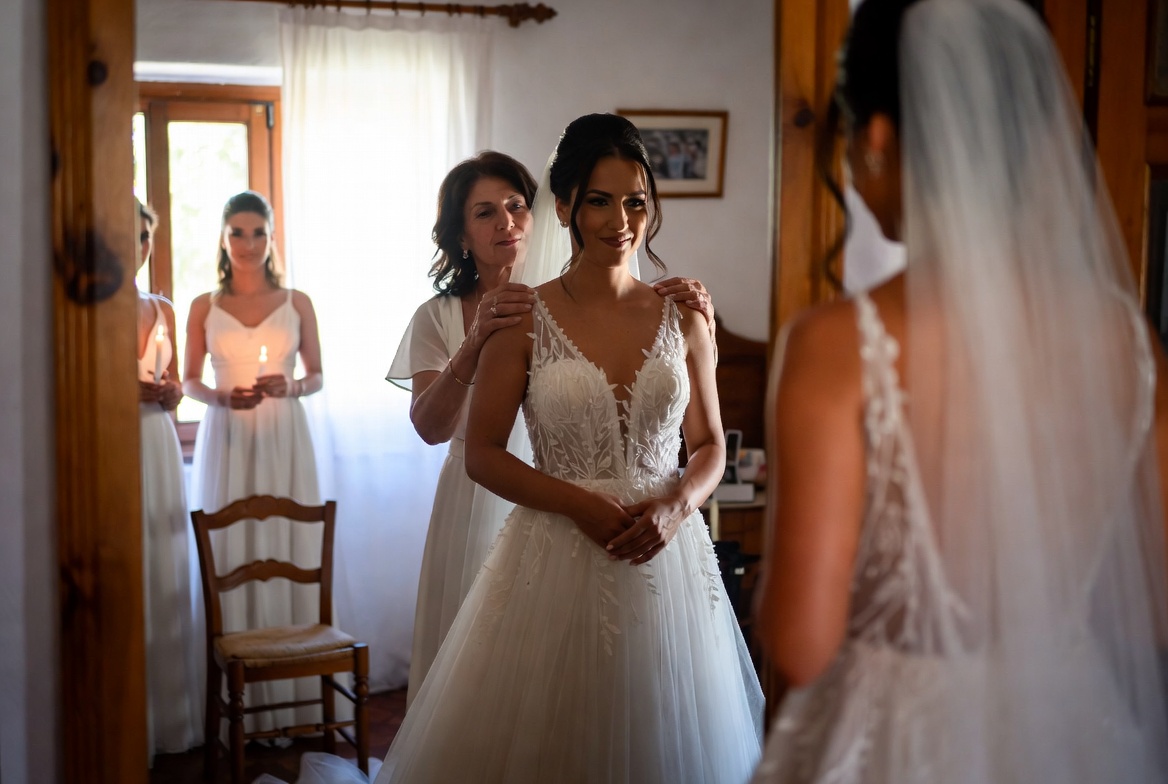
Bride's mother helps her put on dress (cannot see groom before ceremony)
Bridesmaids hold candles and baskets of rice or petals
Bride writes single friends' names on bottom of her shoes
Bride steps on groom's foot during ceremony (symbol of dominance - playful)
Bride is escorted to church by father
5. The Ceremony: Crowning (Stefana)
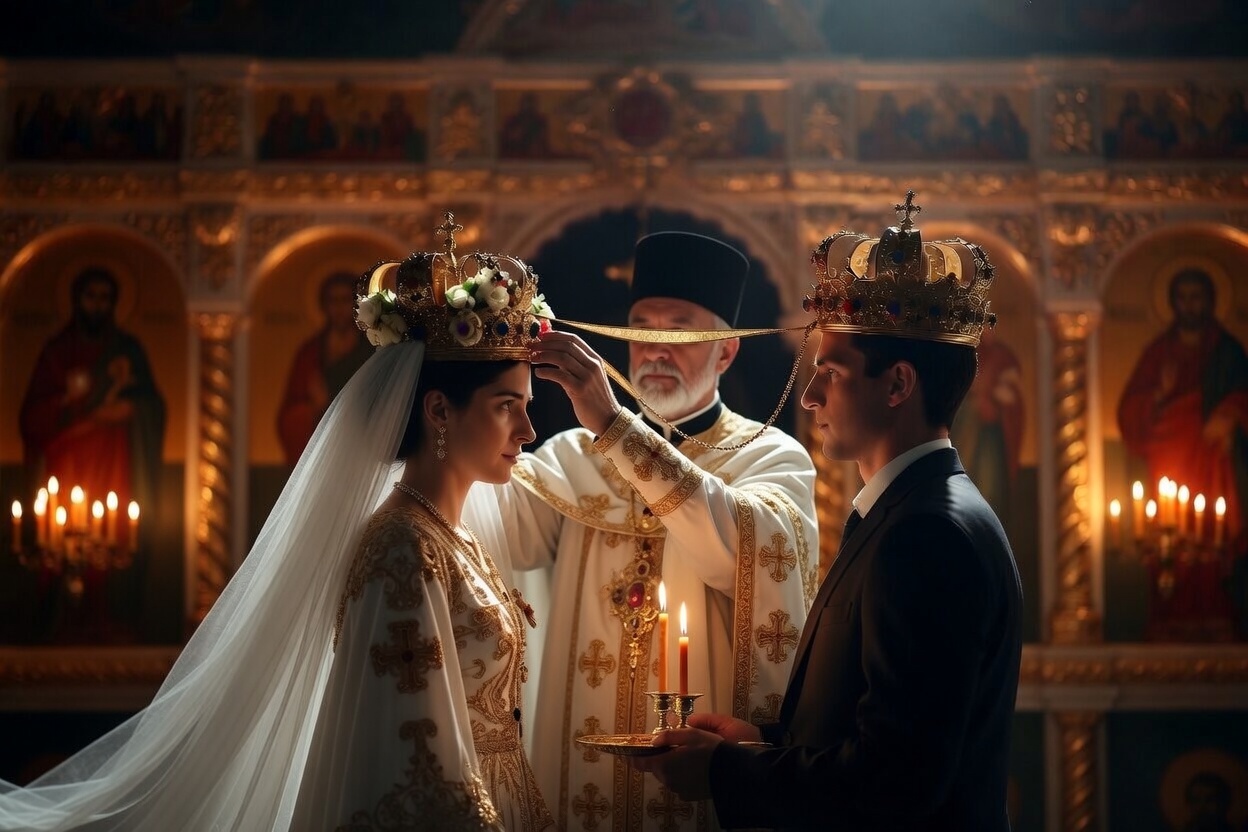
Most sacred Orthodox ritual
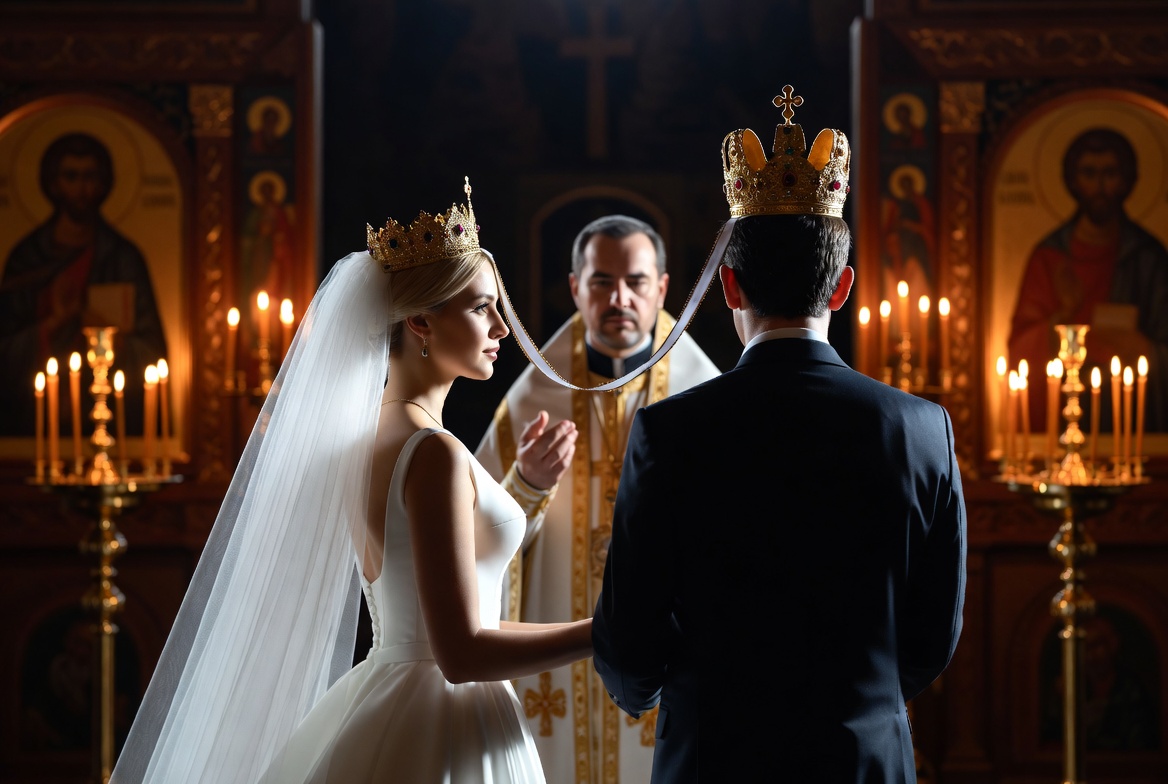
Koumbaro (sponsor) exchanges wedding crowns between bride and groom three times
Crowns (stefana) are made of flowers, gold, or silver
Crowns represent glory and honor given by God
Ribbon connecting crowns symbolizes unity
6. The Ceremony: Common Cup
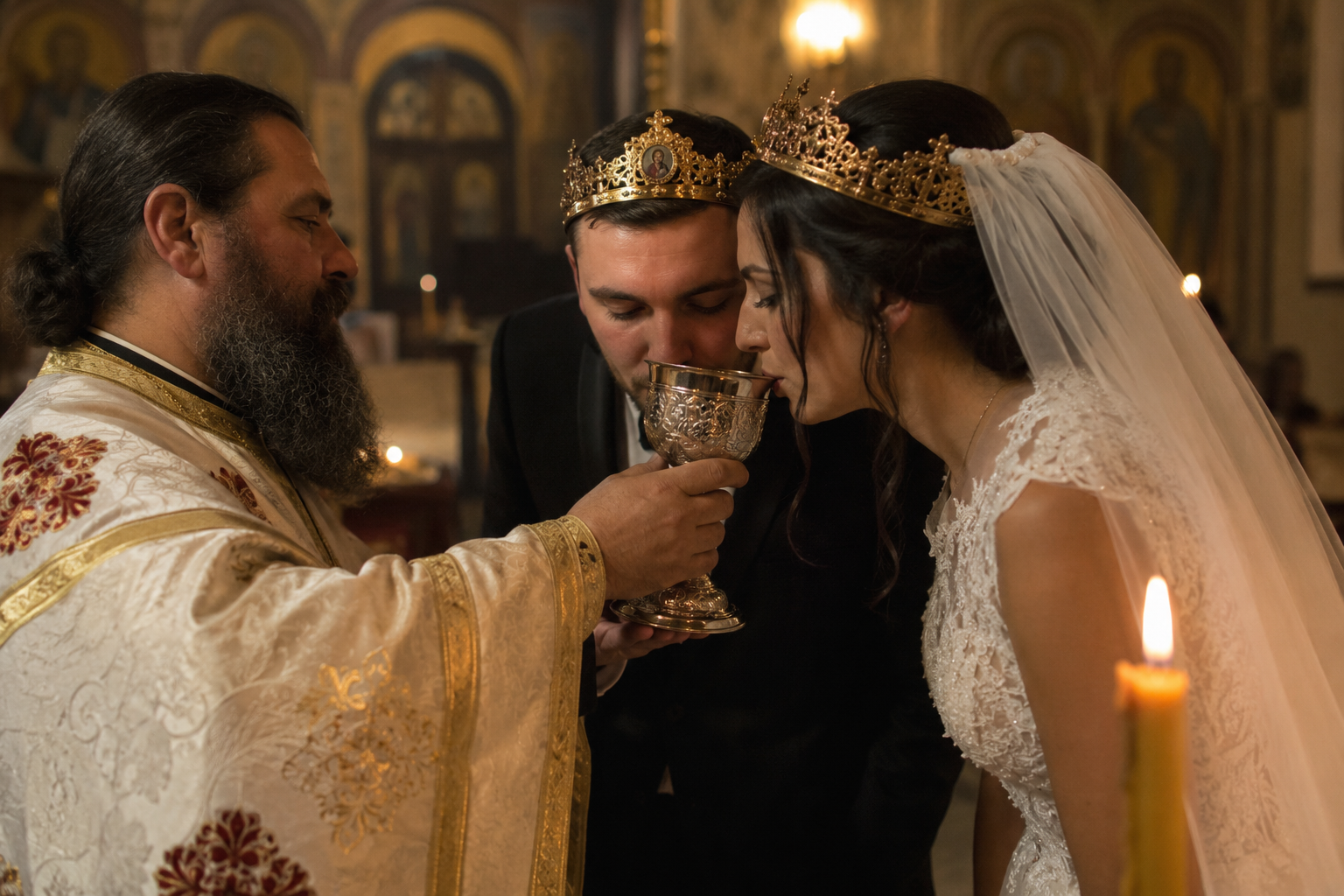
Priest gives bride and groom wine from a single cup (three sips each)
Represents sharing life's joys and sorrows together
Wine symbolizes blood of Christ
Cannot refuse (bad luck)
Bride and groom drink from same cup without hands
7. The Ceremony: Procession Around the Altar
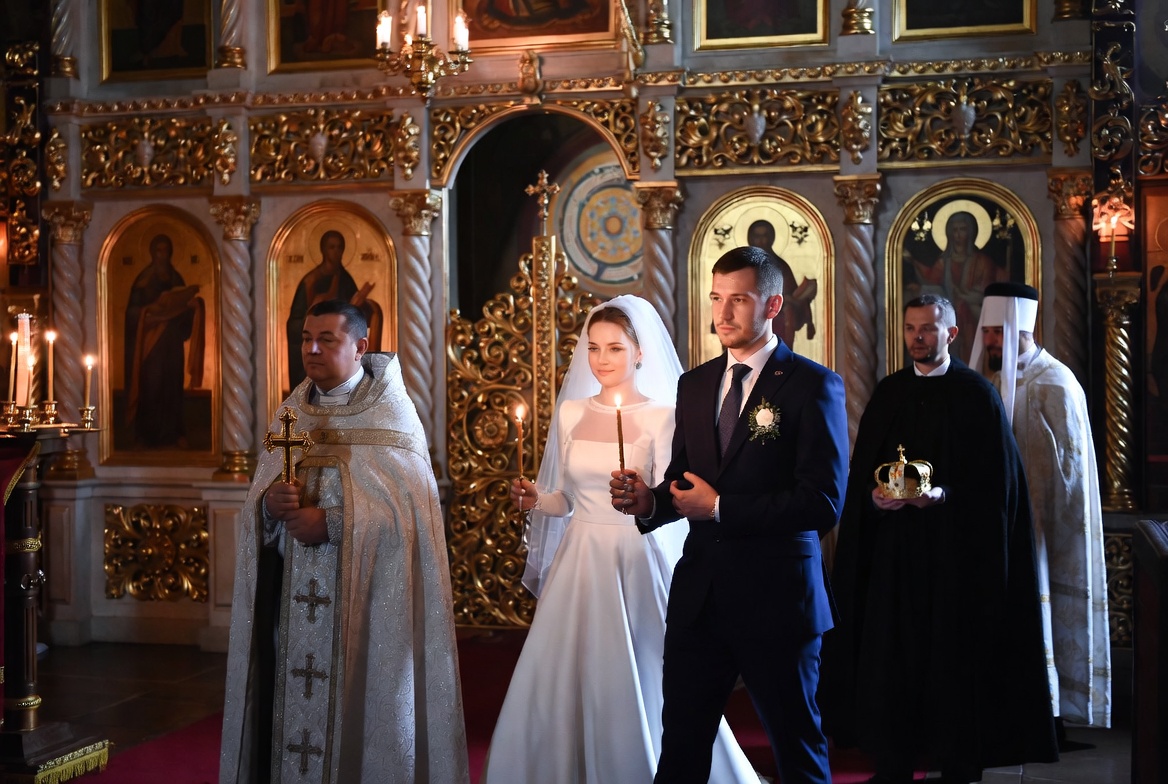
Priest leads bride and groom around altar three times
Represents their first steps as a married couple
Koumbaro follows holding the crowns
Guests hold candles during procession
Ancient tradition from 4th century
8. The Ceremony: Removal of Crowns
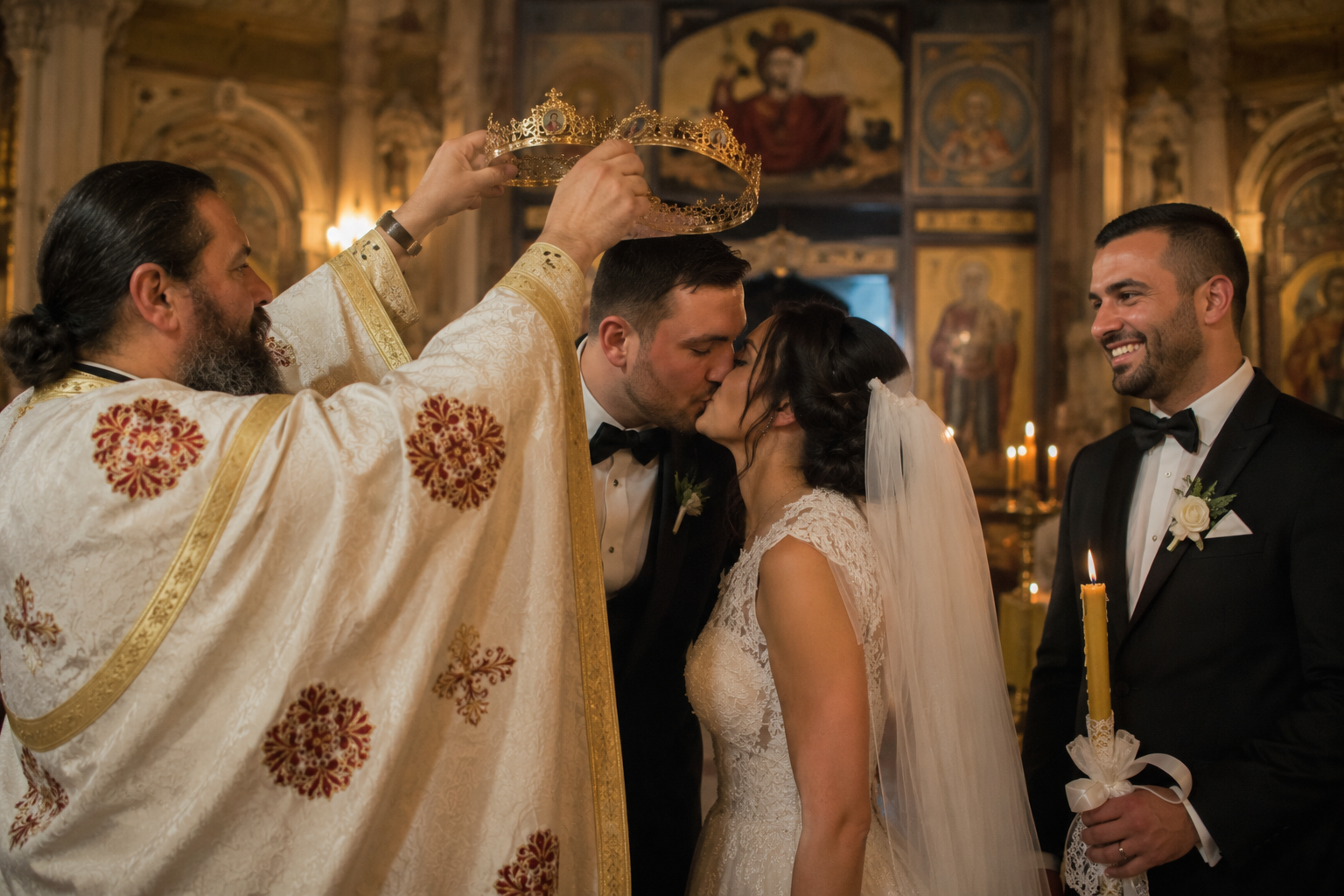
Koumbaro removes crowns from bride and groom's heads
Priest asks God to give them long life
Guests shout "Axios!" (They are worthy)
Couple kisses after crowns removed
Marriage is now complete
9. The Reception: Kalamatiano Dance
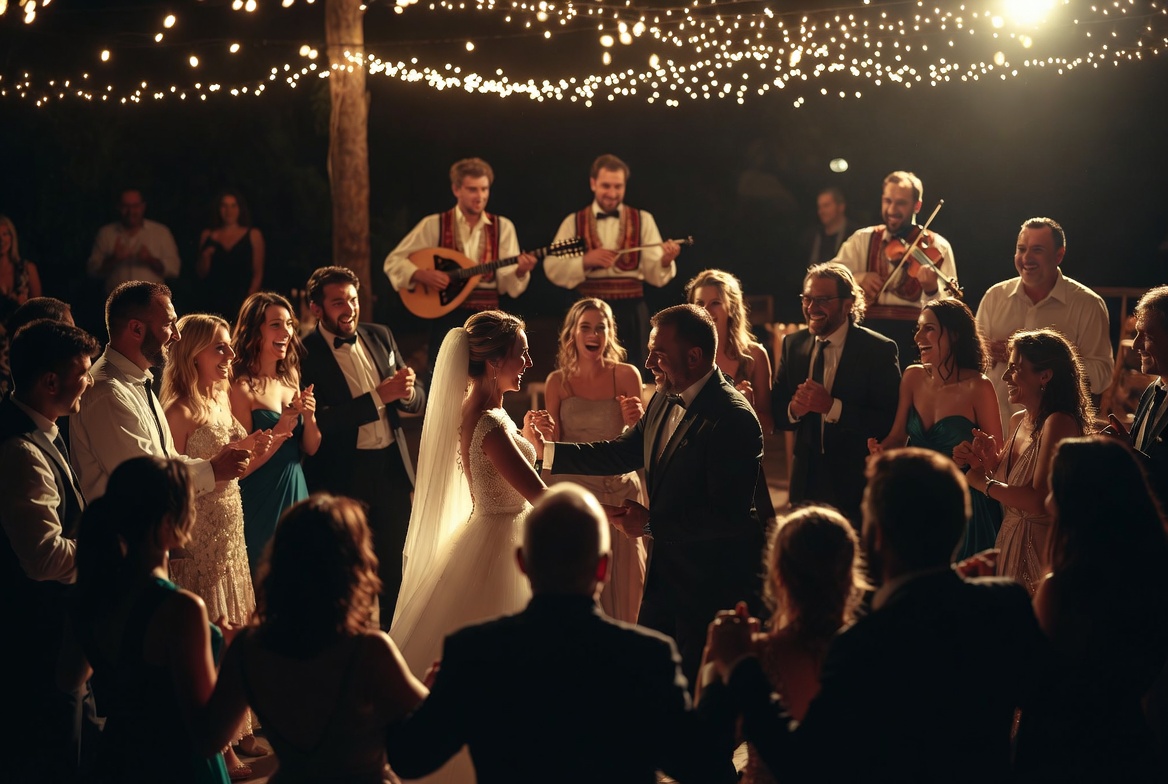
First dance of bride and groom
Traditional circle dance (Kalamatiano) follows
Guests hold hands and dance in circle
Money pinned on bride and groom during dancing
Dance continues until late night
10. The Reception: Breaking Plates (Past Tradition)
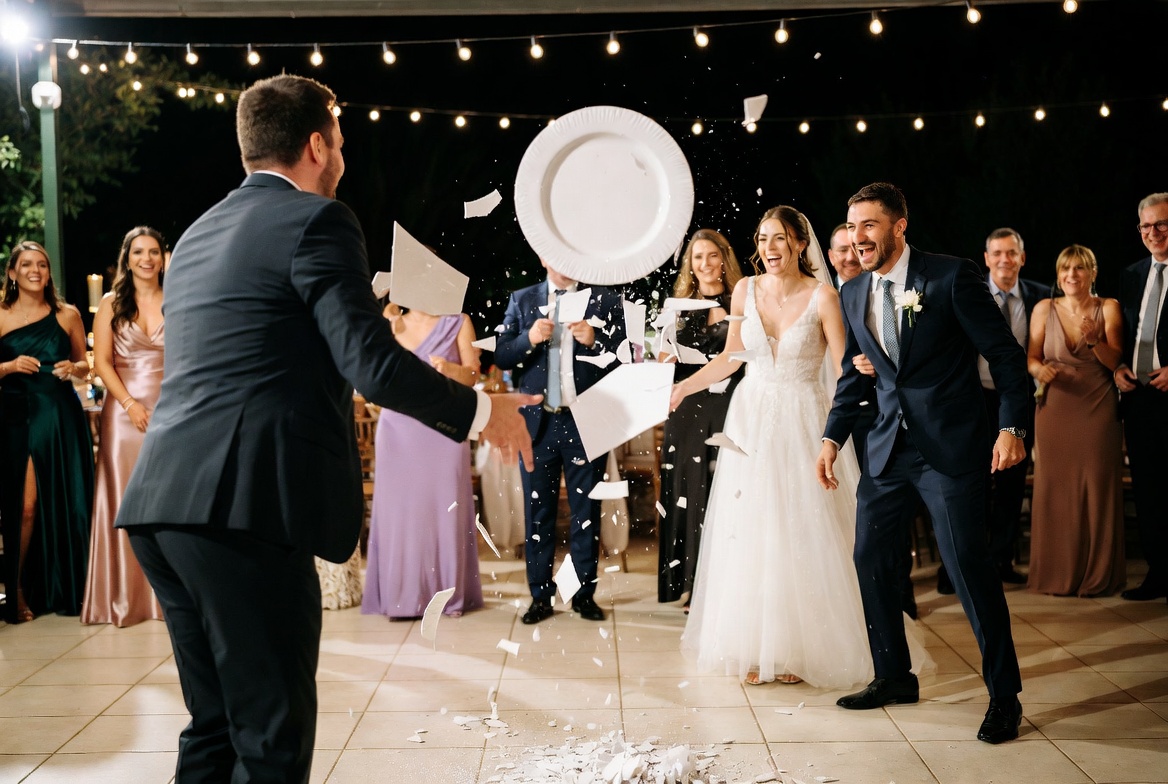
Historically: plates smashed on floor for good luck
Now mostly replaced with throwing flowers or confetti
Some islands still practice with plaster plates (safe)
Loud noise scares away evil spirits
Tourists sometimes see staged version
11. The Reception: Wedding Cake Cutting
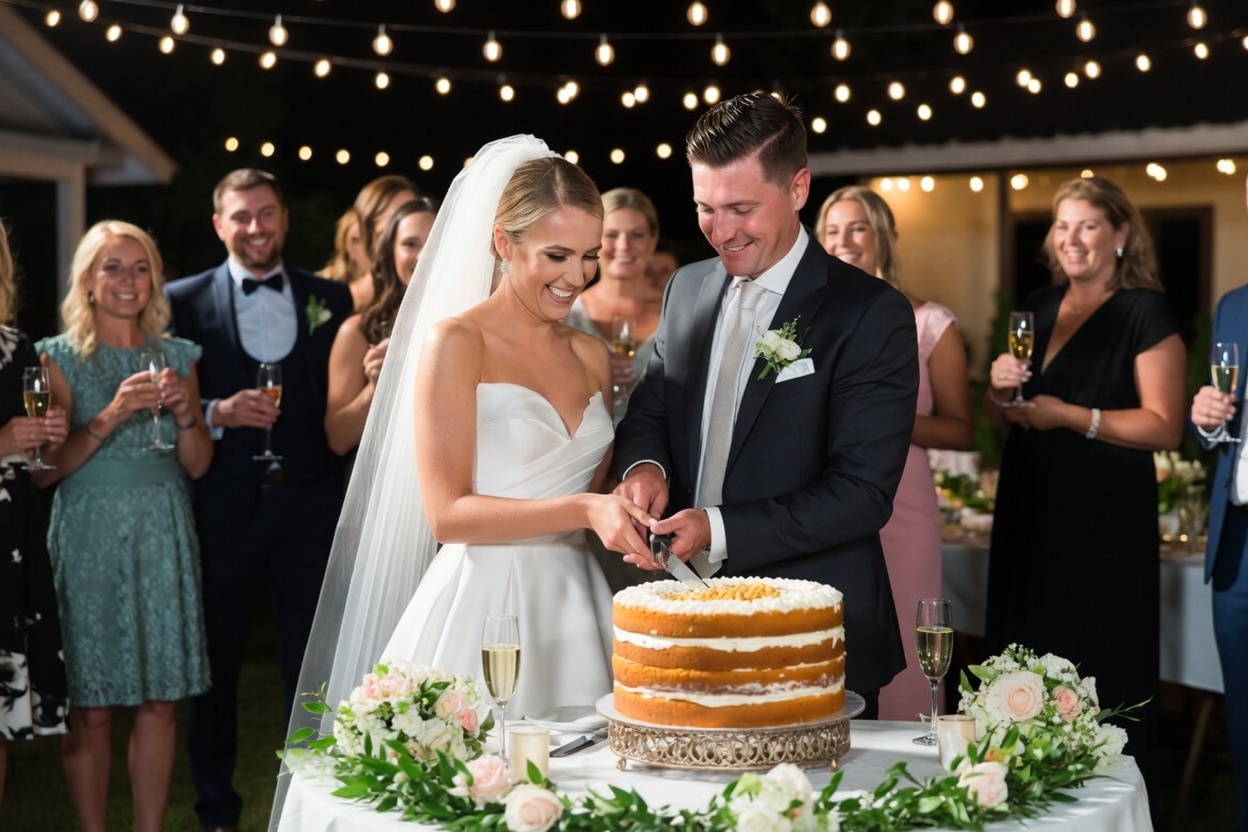
Traditional Greek wedding cake is layered with honey and nuts
Bride and groom cut together (first slice)
Feed each first bite (symbol of caring)
Guests receive small pieces in boxes
Cake sometimes soaked in wine
13. After the Wedding: Honey and Walnuts
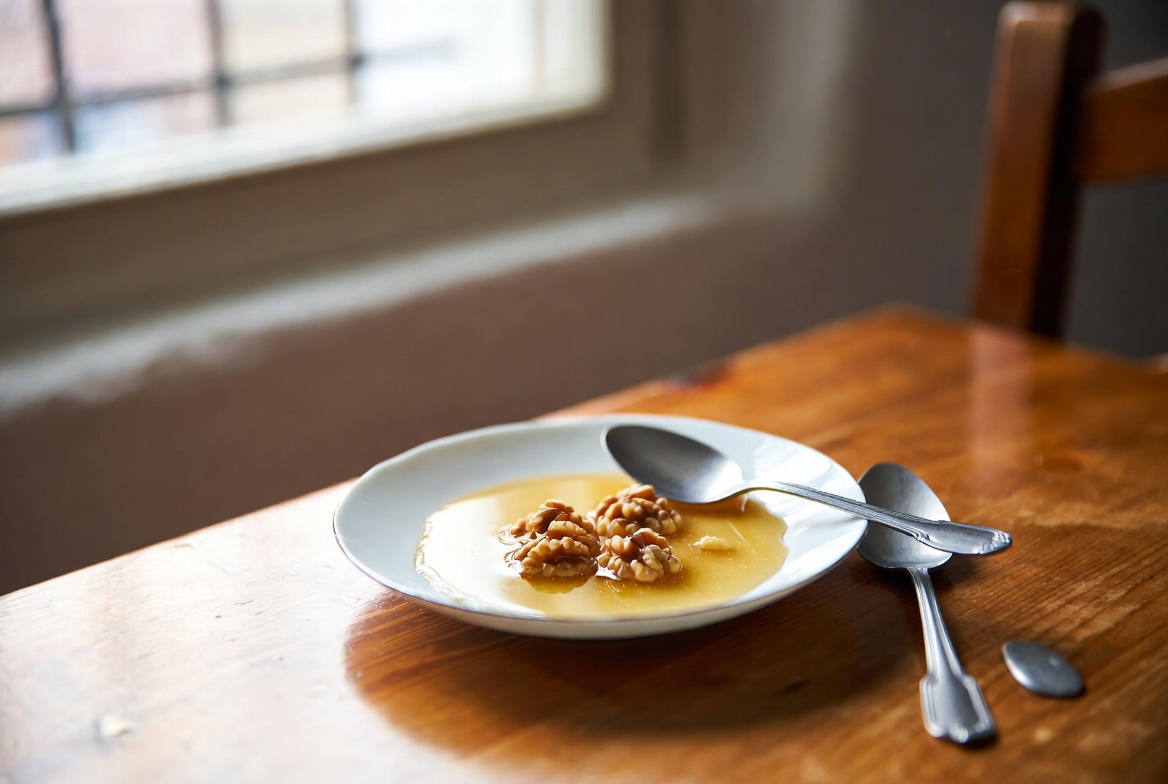
Bride's mother welcomes couple next morning
Serves honey and walnuts
Symbolizes sweet and rich life together
Couple visits new home for first time
Housewarming gifts from family