
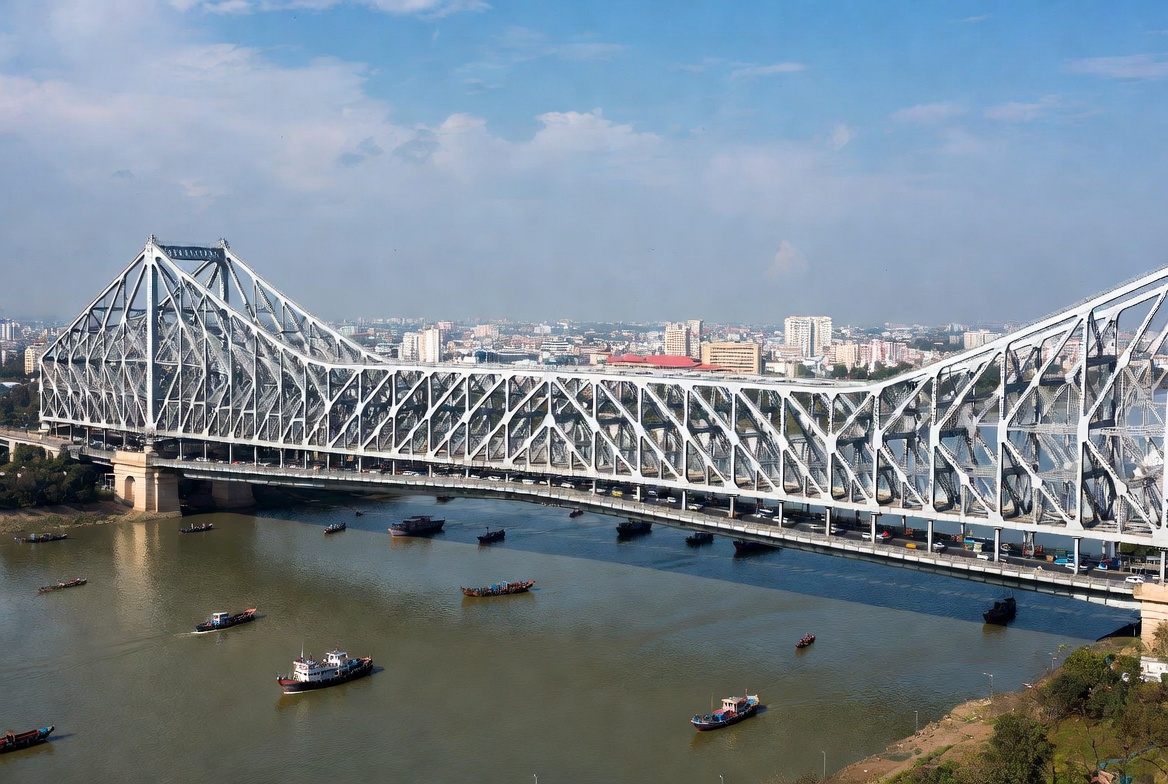
Historical Landmarks in Bengali India
Bengal has a rich and layered history spanning ancient kingdoms, colonial rule, and the freedom struggle. Here are 6 of the most important historical landmarks:
- Victoria Memorial (Kolkata): A magnificent marble building built in memory of Queen Victoria. It symbolizes the British colonial era in India and now houses a museum showcasing Kolkata’s history.
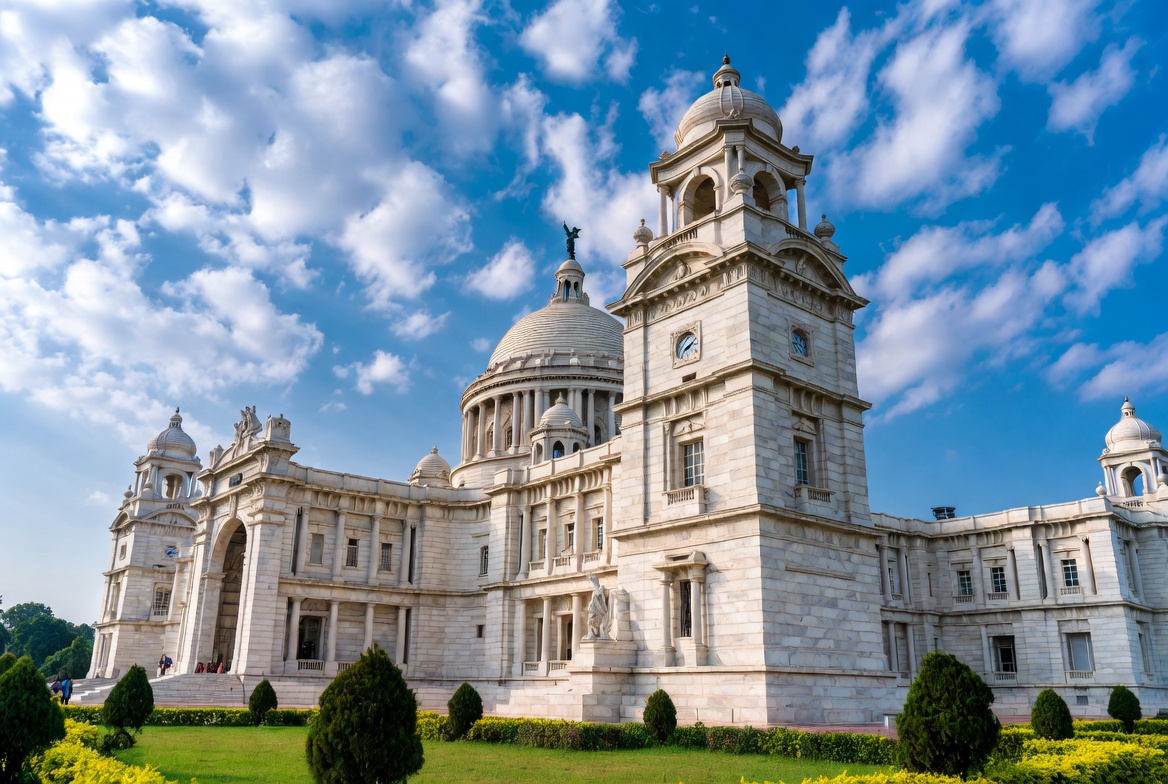
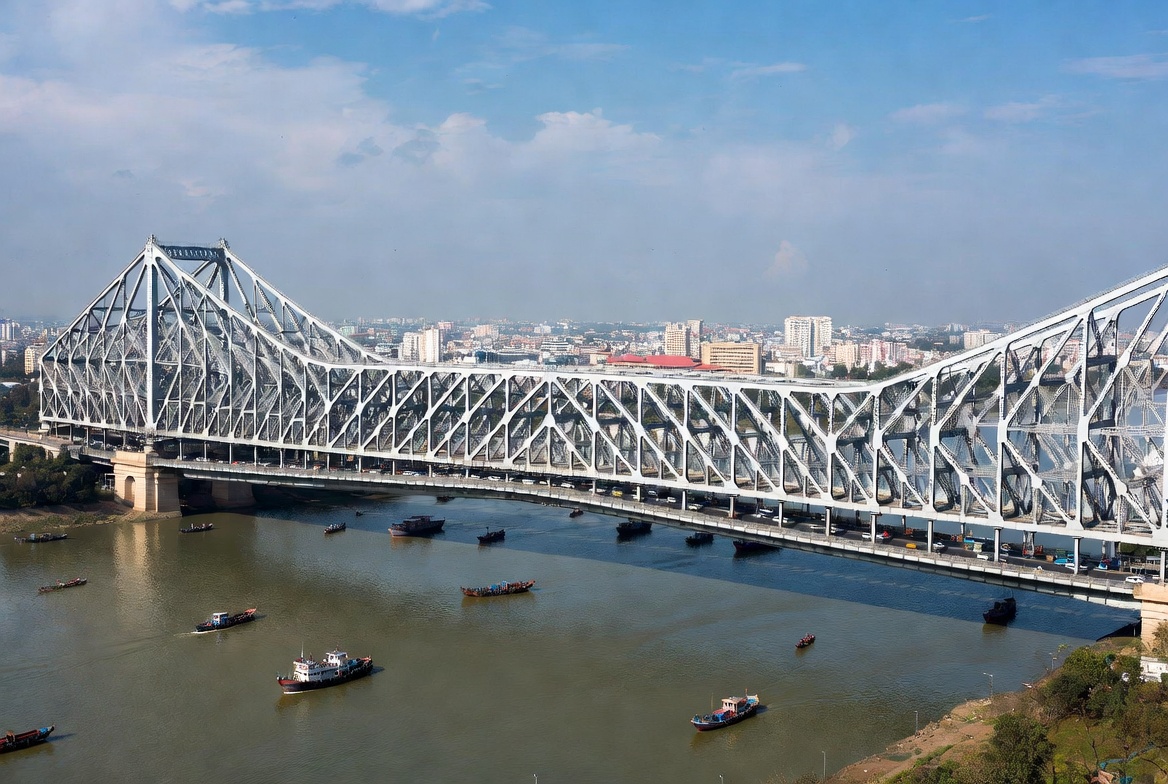
2. Howrah Bridge (Kolkata): One of the longest cantilever bridges in the world and an iconic symbol of Kolkata. Built in 1943, it represents engineering marvel and the city’s bustling life.
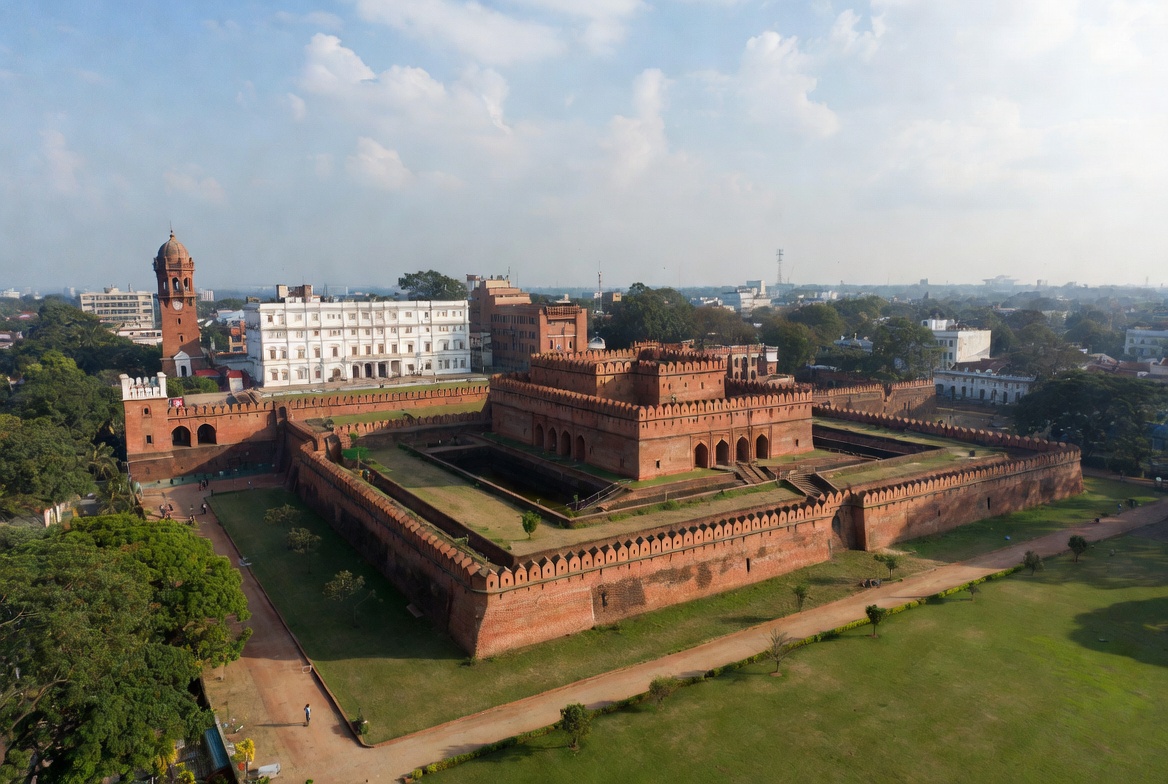
3. Fort William (Kolkata): The historic British fort that served as the headquarters of the British East India Company. It played a major role in the establishment of British rule in India.
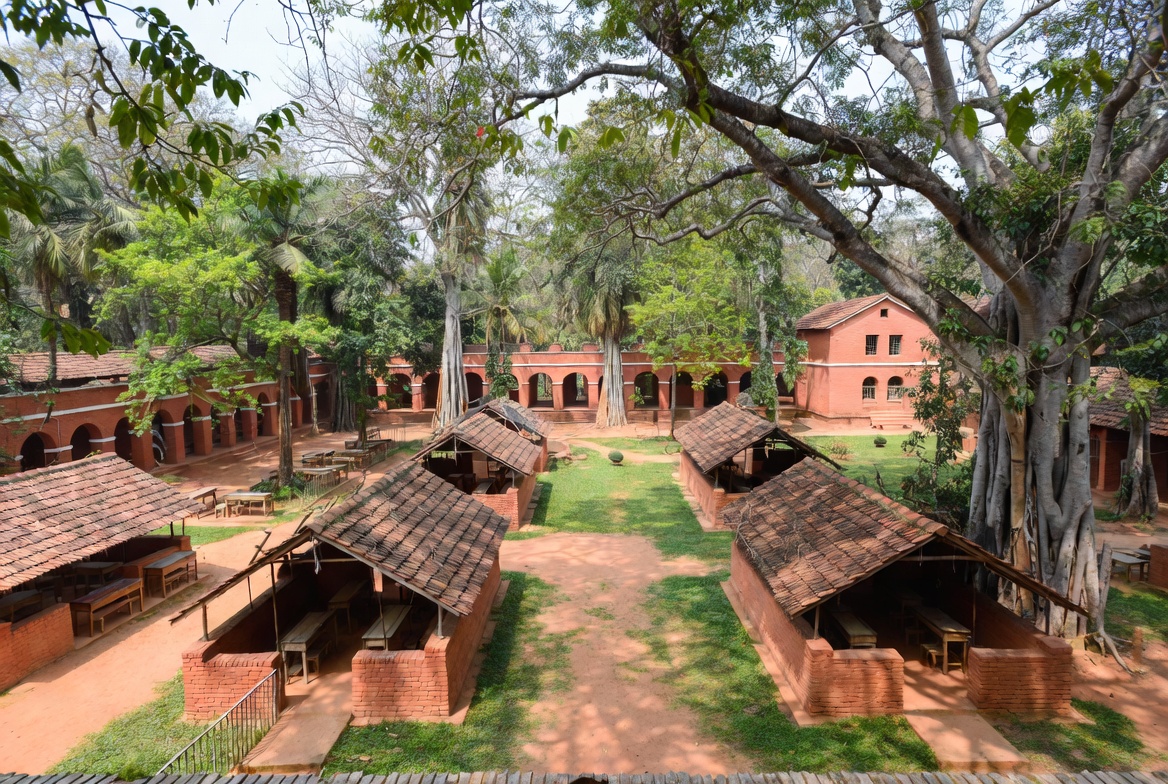
4. Shantiniketan (Birbhum): Founded by Rabindranath Tagore. A UNESCO World Heritage Site known for its open-air education system, cultural festivals, and promotion of arts and literature.
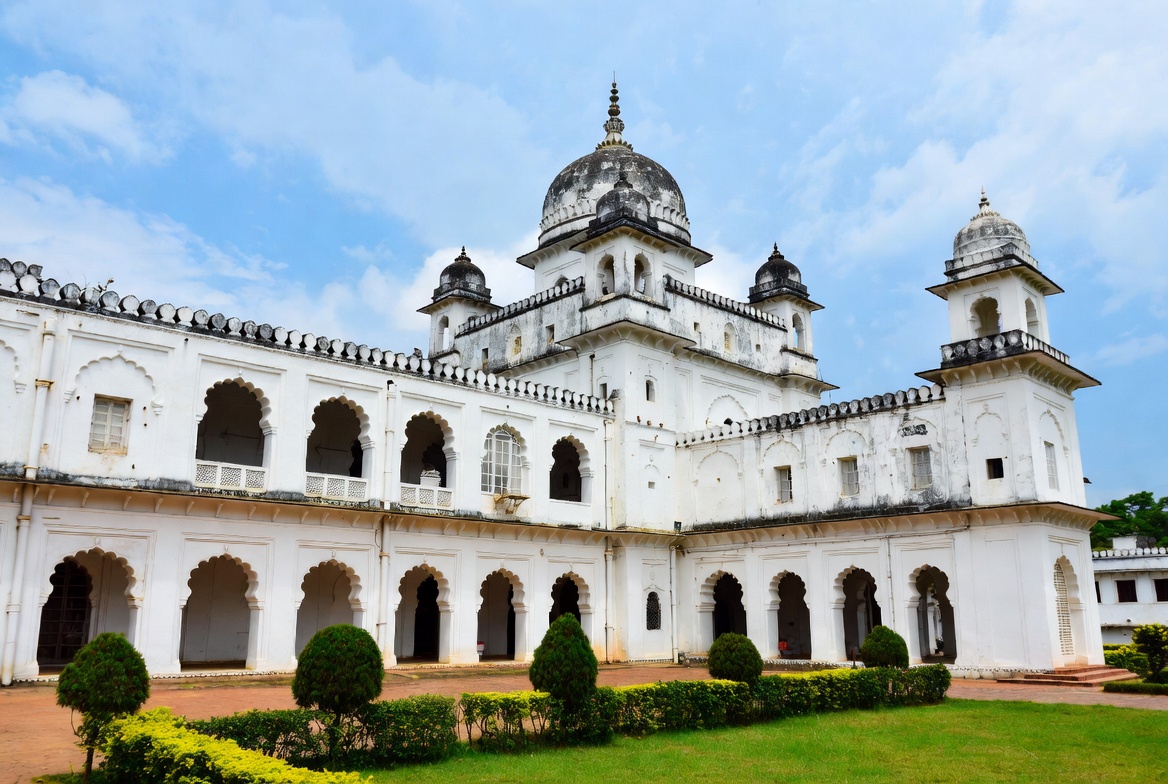
5. Hazarduari Palace (Murshidabad): The grand palace of the Nawabs of Bengal with a thousand doors (hazarduari). It represents the Nawabi era and houses priceless artifacts and a library.
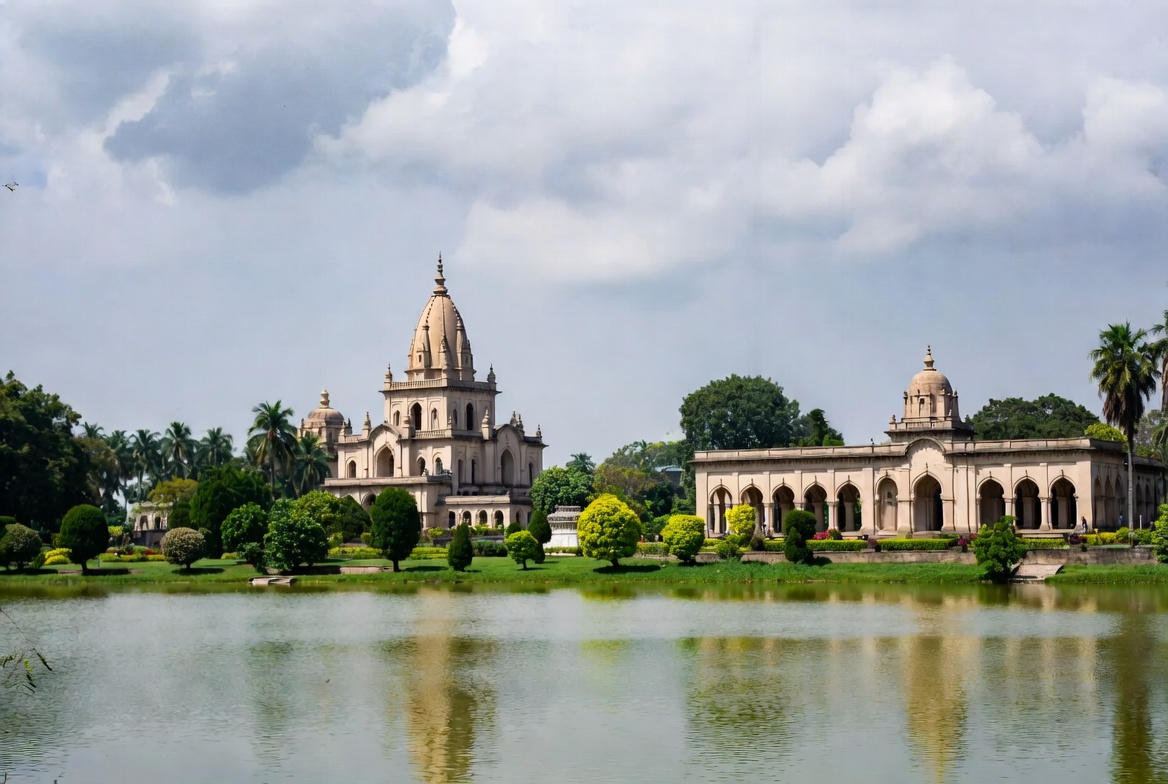
6. Belur Math (Howrah): The headquarters of the Ramakrishna Mission, founded by Swami Vivekananda. It symbolizes spiritual harmony and the blend of Indian spirituality with modern service.
These landmarks reflect Bengal’s journey through ancient wisdom, colonial history, cultural renaissance, and spiritual legacy.