
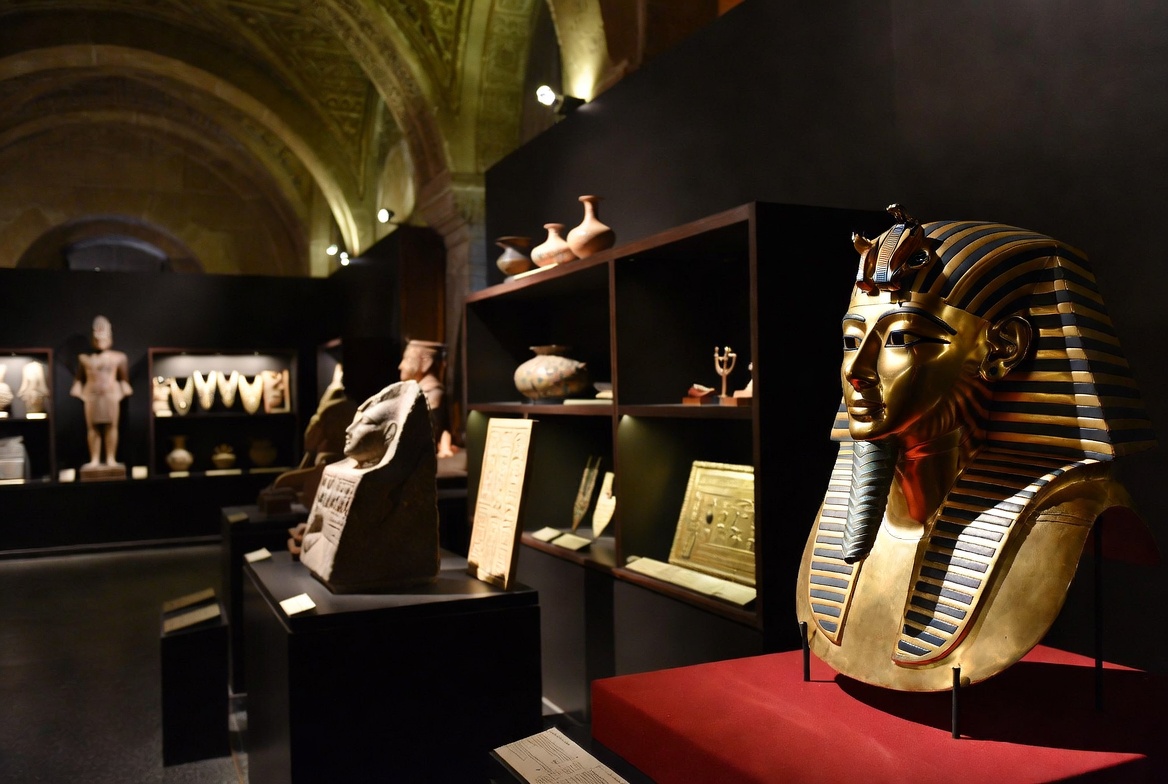
Historical Landmarks in Egypt
Egypt is home to some of the world’s most awe-inspiring ancient monuments. Here are the most important historical landmarks:
1. The Pyramids of Giza & the Great Sphinx
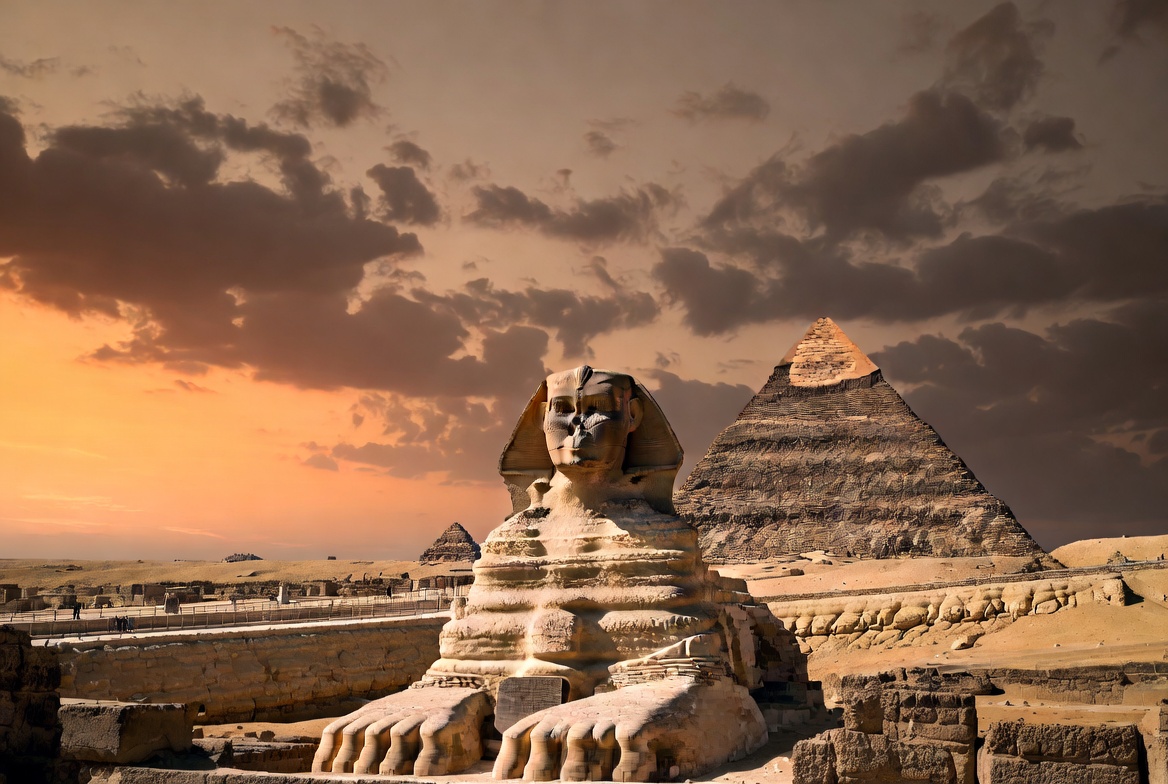 The only surviving wonder of the ancient world. Built around 2580–2560 BCE as tombs for Pharaohs Khufu, Khafre, and Menkaure. The Great Sphinx, with a lion’s body and a pharaoh’s head, guards the pyramids and symbolizes strength and wisdom.
2. Valley of the Kings (Luxor)
The burial place of many New Kingdom pharaohs, including Tutankhamun. The tombs are famous for their intricate wall paintings and hieroglyphics that tell stories of the afterlife.
3. Karnak Temple Complex (Luxor)
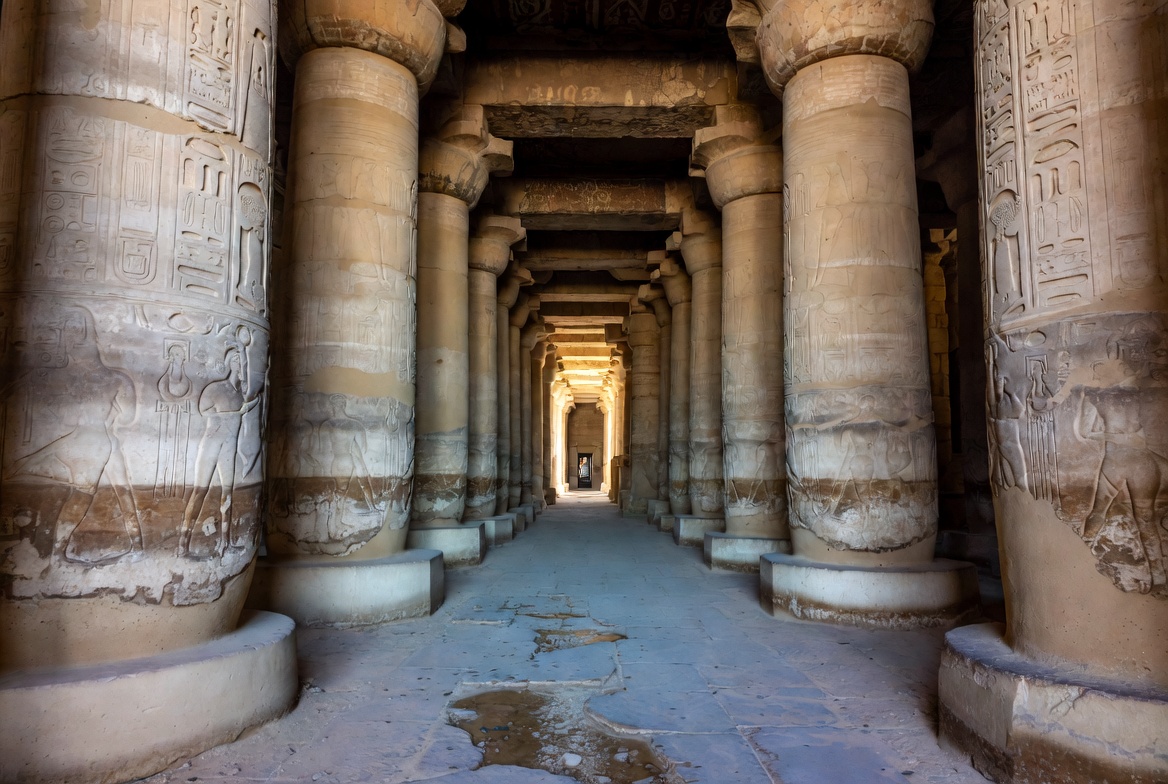
One of the largest religious complexes ever built. Dedicated mainly to the god Amun-Ra, it was expanded over 1,300 years by many pharaohs. It features massive columns and obelisks.
4. Abu Simbel Temples
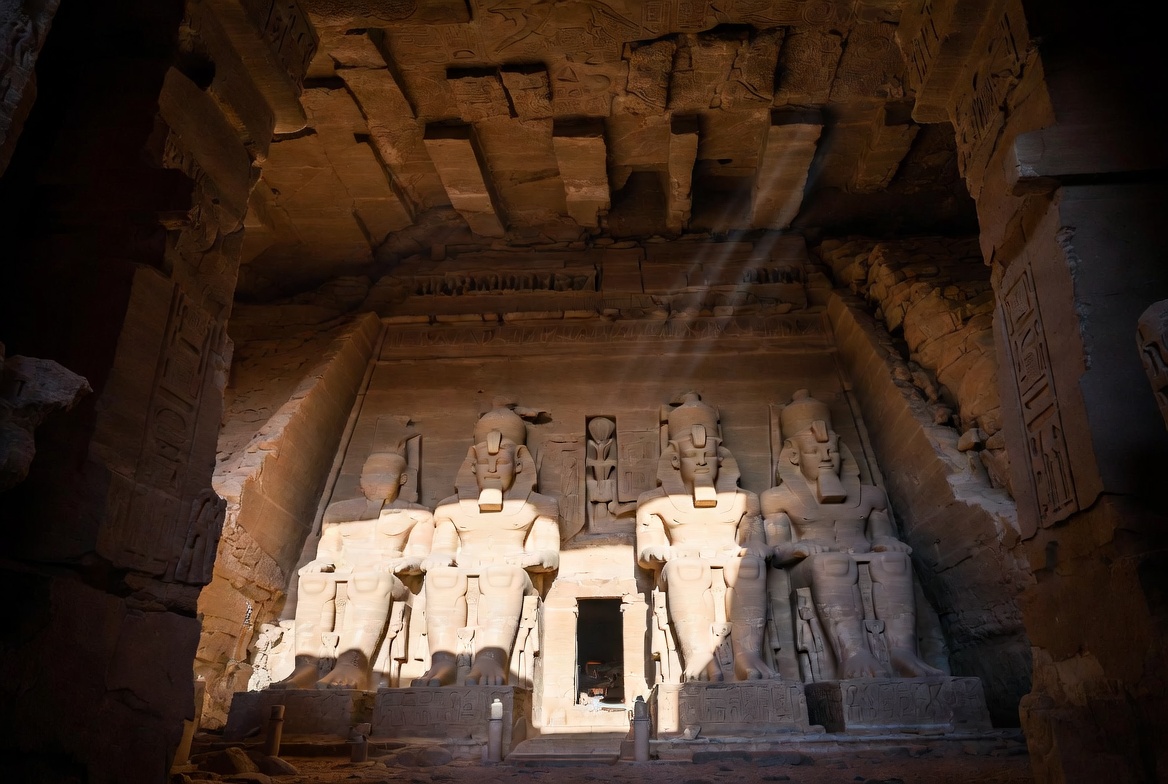
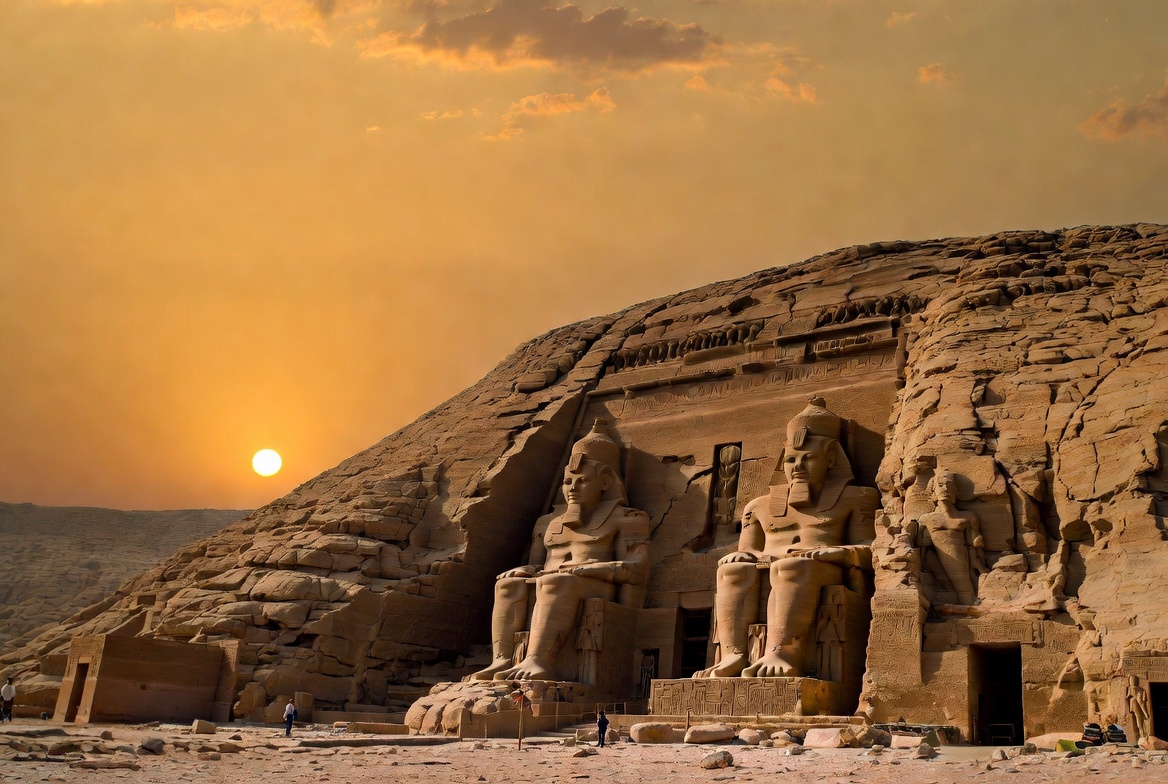
Built by Pharaoh Ramses II. The two massive rock-cut temples showcase Egypt’s power and are famous for the giant statues of Ramses. They were relocated in the 1960s to save them from flooding by the Aswan Dam.
5. Luxor Temple
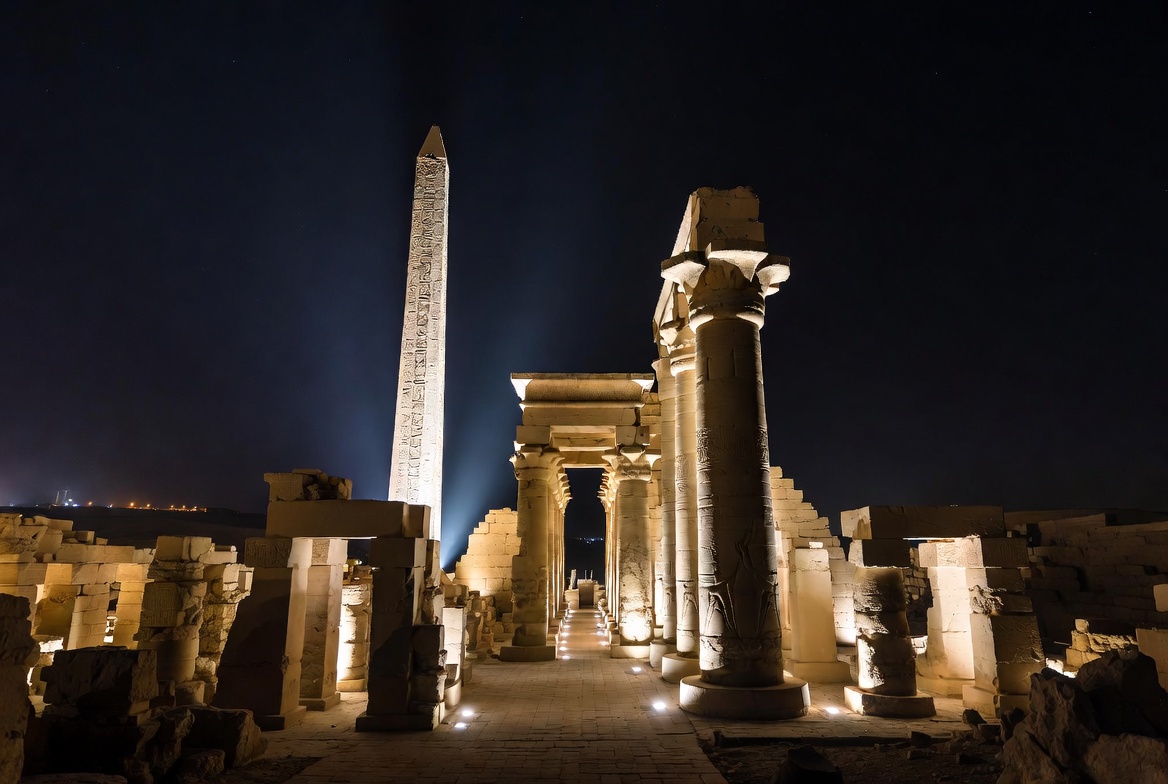
Known as the “Temple of the Southern Sanctuary.” Built over centuries and connected to Karnak by a sphinx-lined avenue. It was used for important religious festivals.
6. The Step Pyramid of Djoser (Saqqara)
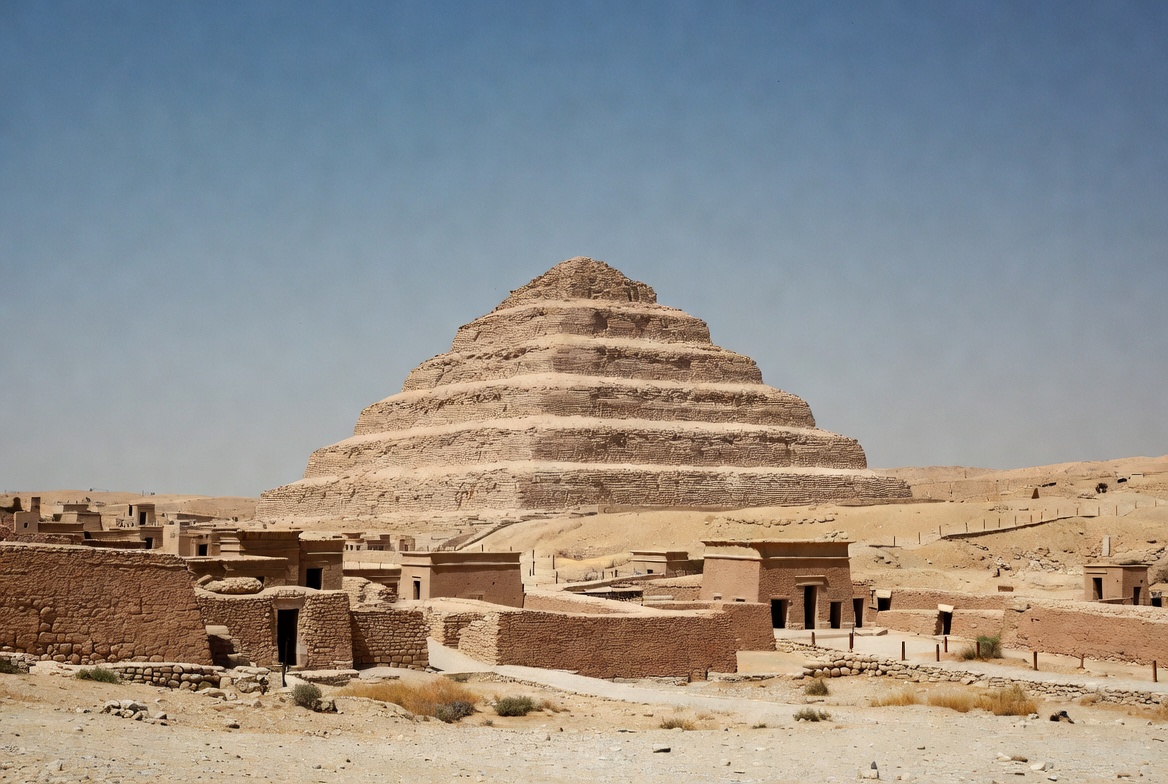
The world’s first large-scale stone monument, built around 2630 BCE. Designed by the architect Imhotep, it marked the beginning of the pyramid-building era.
7. The Egyptian Museum in Cairo
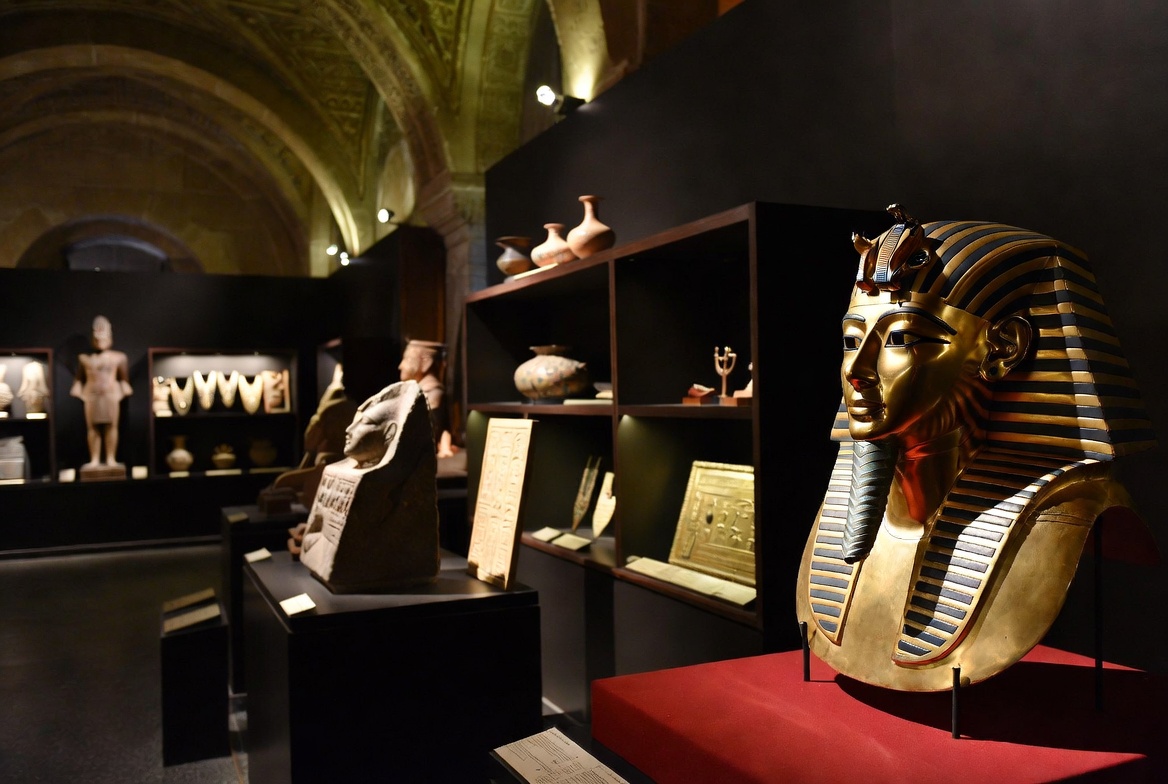
Houses the world’s largest collection of ancient Egyptian artifacts, including the treasures of Tutankhamun (golden mask, sarcophagus, and jewelry).
8. Citadel of Saladin (Cairo)
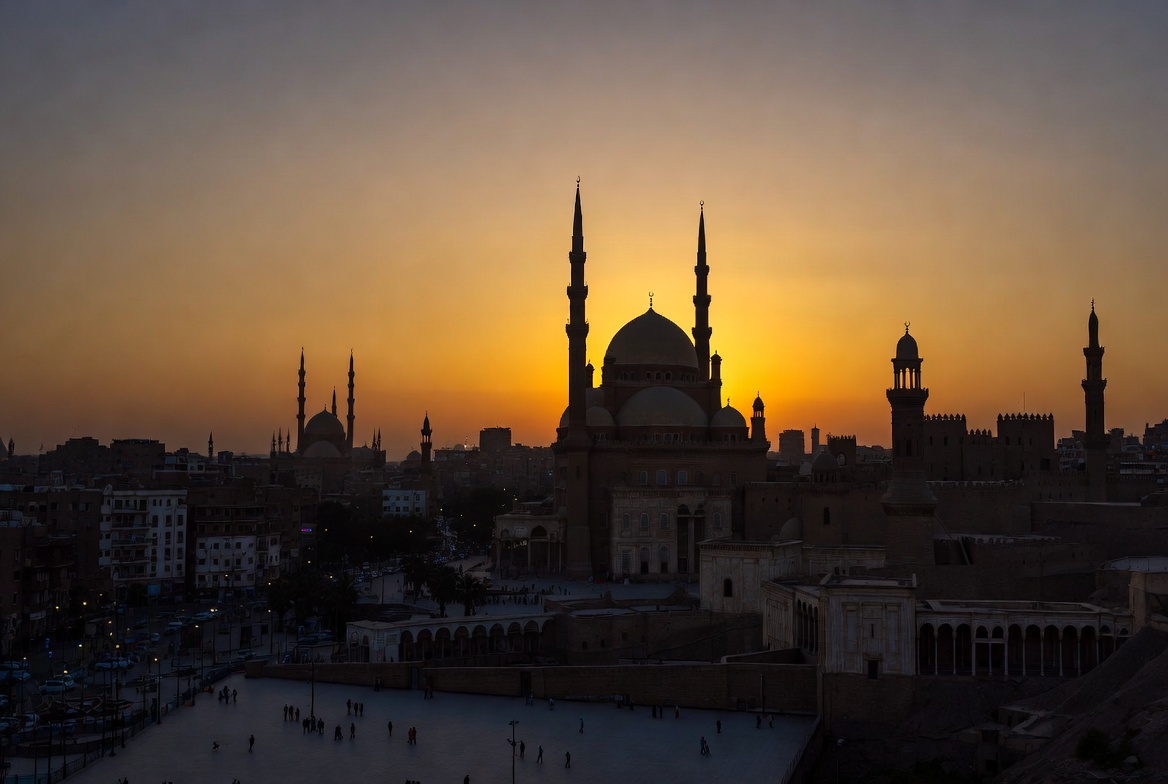
A medieval Islamic fortress built in the 12th century by Sultan Saladin. Offers stunning views of Cairo and contains beautiful mosques like the Muhammad Ali Mosque.
These landmarks tell the story of over 5,000 years of Egyptian civilization — from the time of the pharaohs to the Islamic era.