
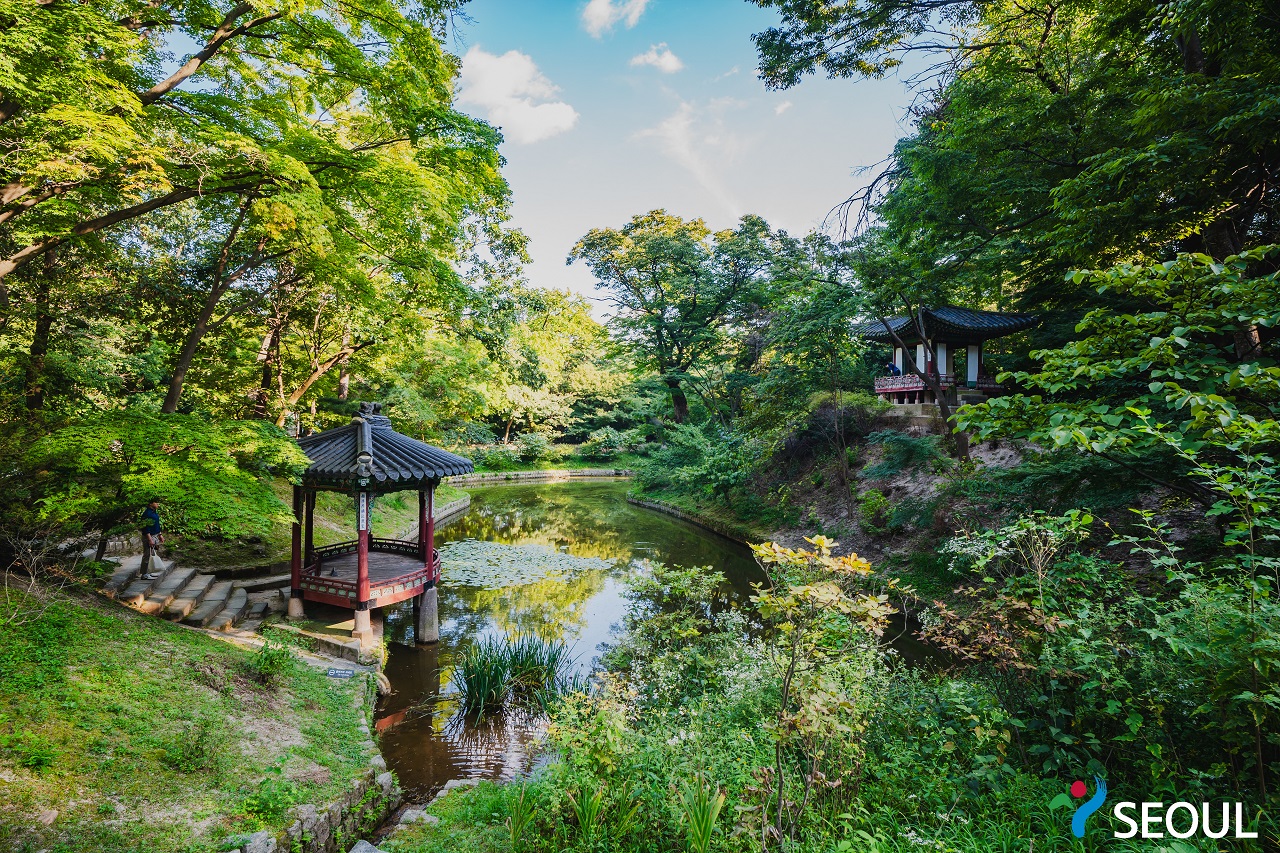
Historical Landmarks in Korea & Their Significance
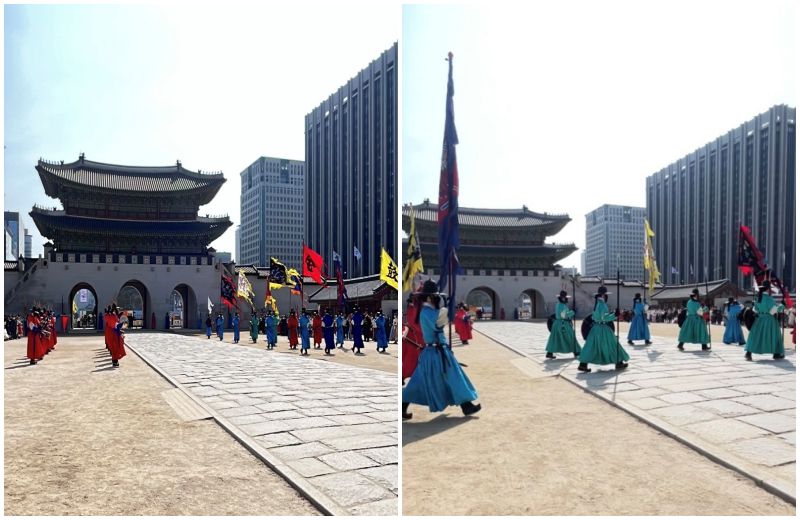
Gyeongbokgung Palace (Seoul) is the largest and most important Joseon Dynasty palace (1395). Symbol of royal power and Korean sovereignty. Main site for the changing of the guard ceremonies.
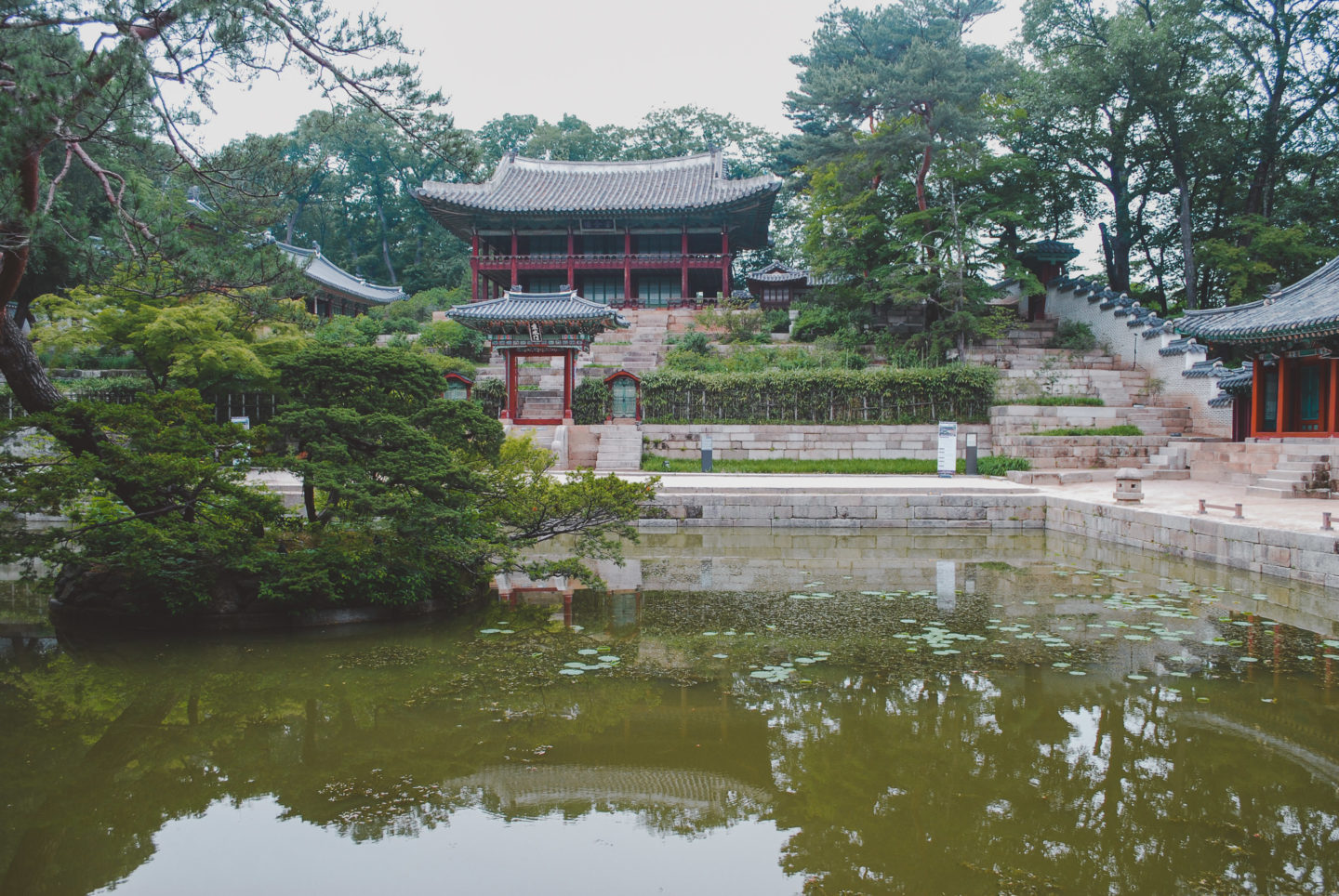
Changdeokgung Palace & Huwon Garden, a UNESCO World Heritage site. Famous for its beautiful secret garden. Represents harmony between humans and nature in Korean architecture.
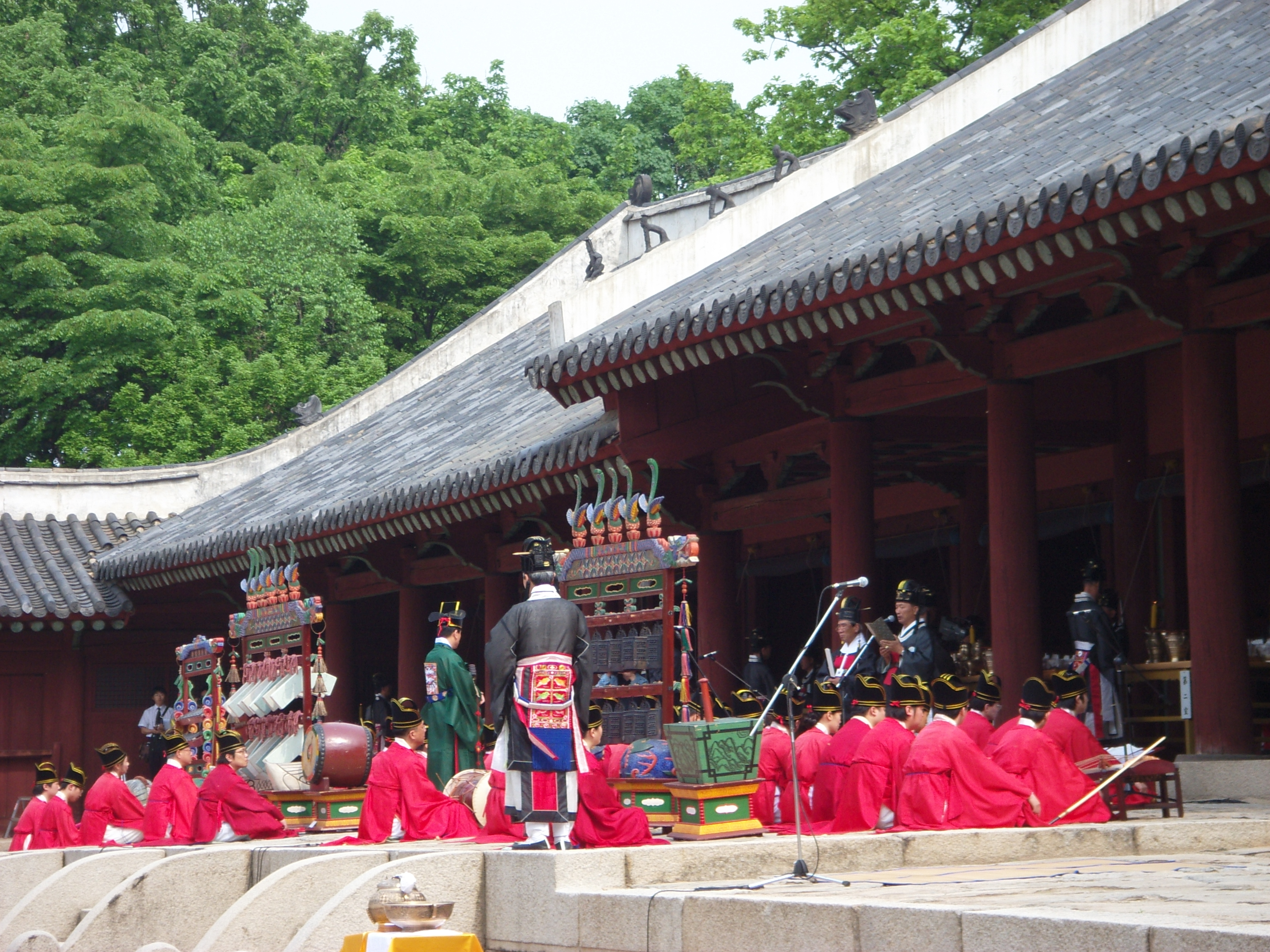
Jongmyo Shrine (Seoul) is a UNESCO site dedicated to ancestral rites for Joseon kings. Most important Confucian shrine; it shows deep Korean respect for ancestors.
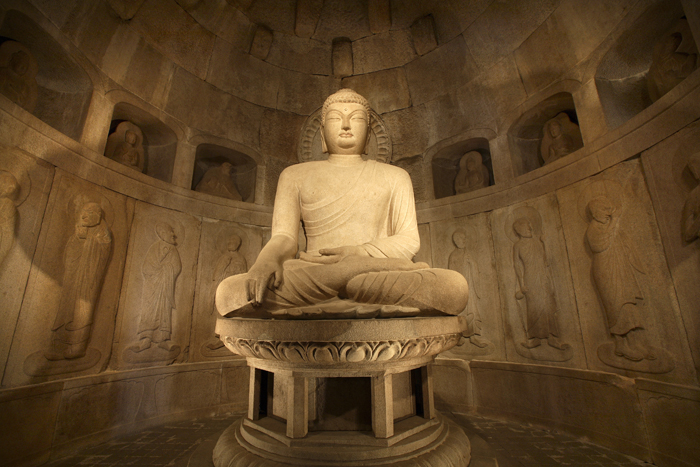
Bulguksa Temple & Seokguram Grotto (Gyeongju) 8th-century Silla Kingdom masterpieces. UNESCO sites symbolizing the Buddhist golden age and advanced stone craftsmanship.
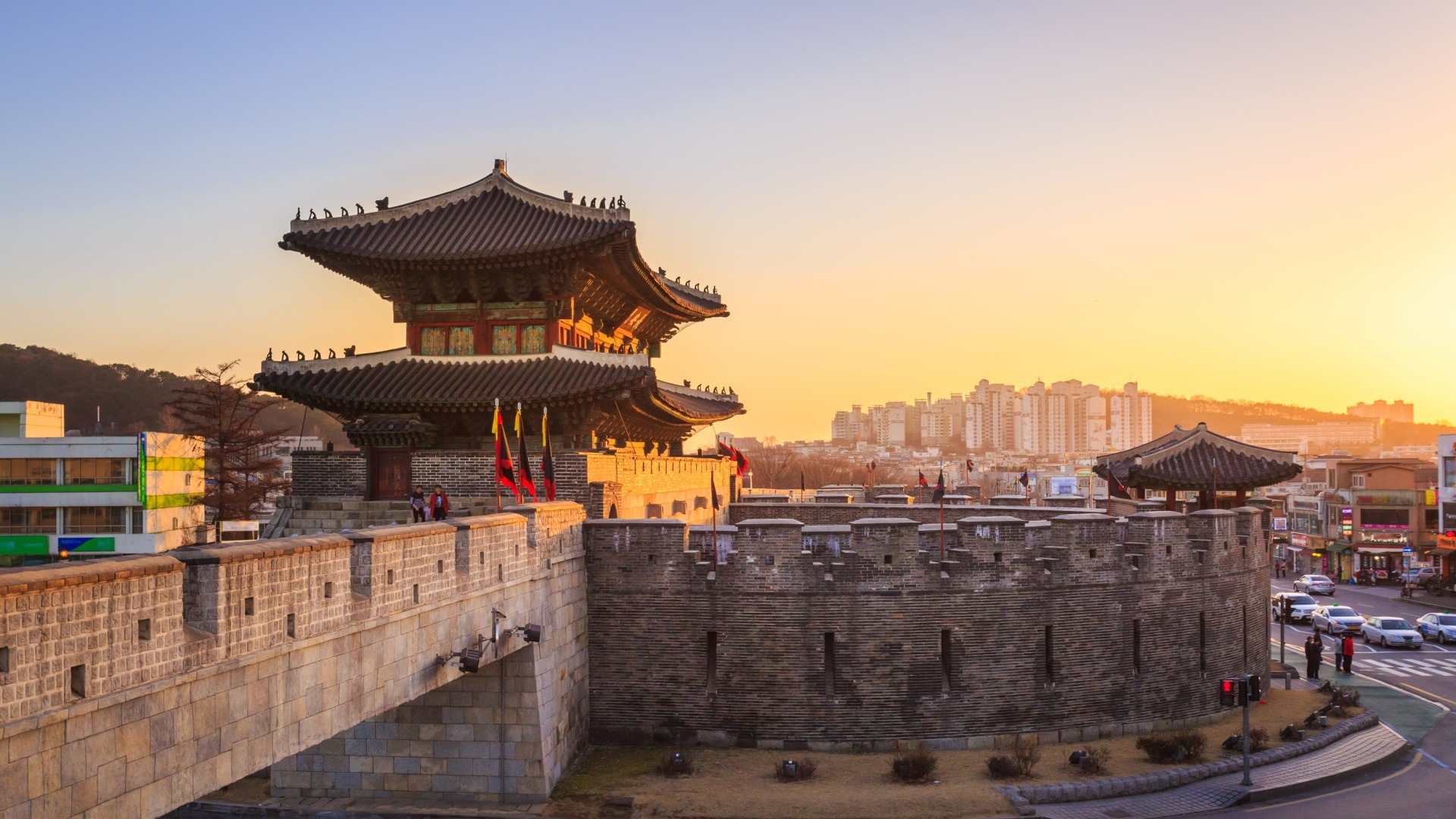
Hwaseong Fortress (Suwon) Late 18th-century defensive wall. UNESCO site showcasing advanced military engineering and Confucian ideals.
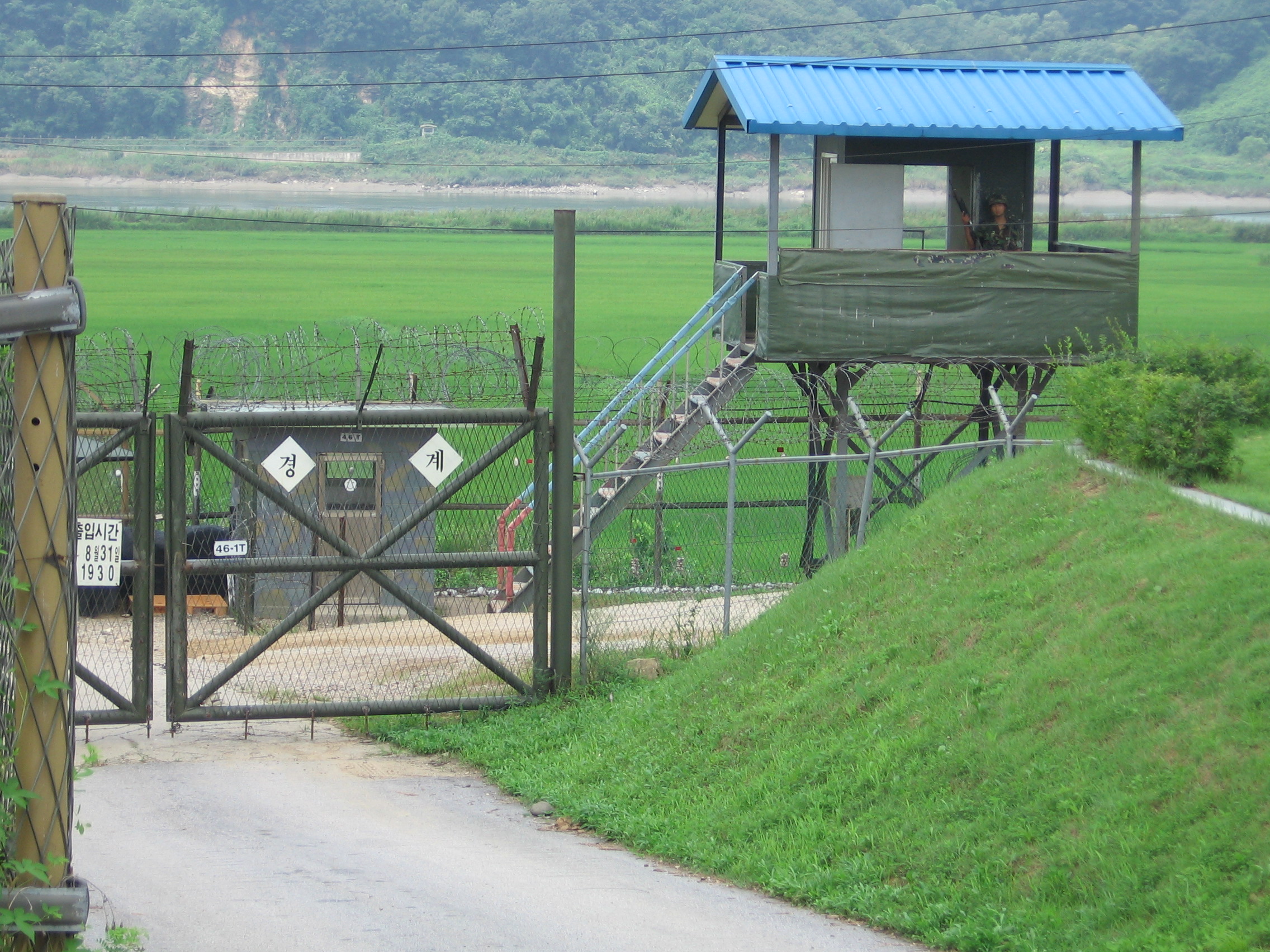
DMZ (Demilitarized Zone) Border between North & South Korea. Represents the painful division of the Korean peninsula since 1953 and the desire for peace/reunification.
Tourist Tip:
Most landmarks are well-preserved and offer hanbok rentals for photos. They highlight Korea’s long history of dynasties, Buddhism, Confucianism, and resilience.