
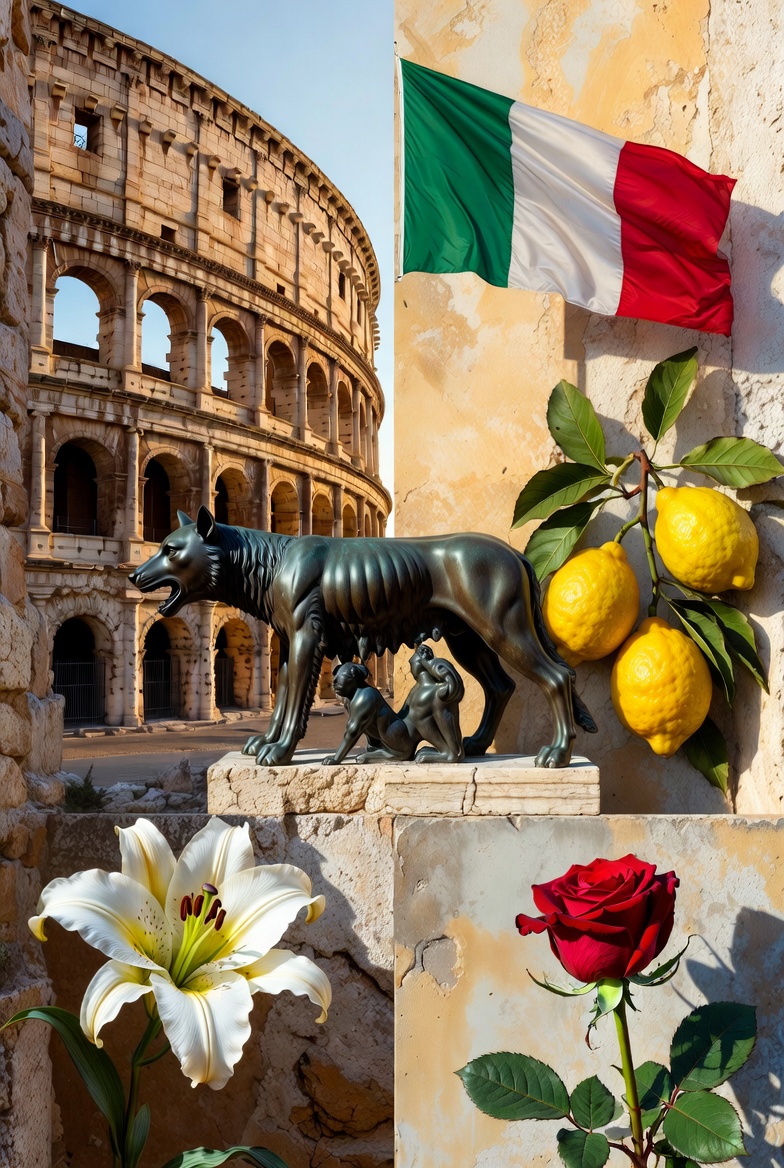
Italian Cultural Symbols & Meanings: Rules Tourists Must Know
Italy has ancient symbols and strict unwritten rules. Tourists who ignore them look rude. Learn these before you go.
1. The Italian Flag (Il Tricolore)
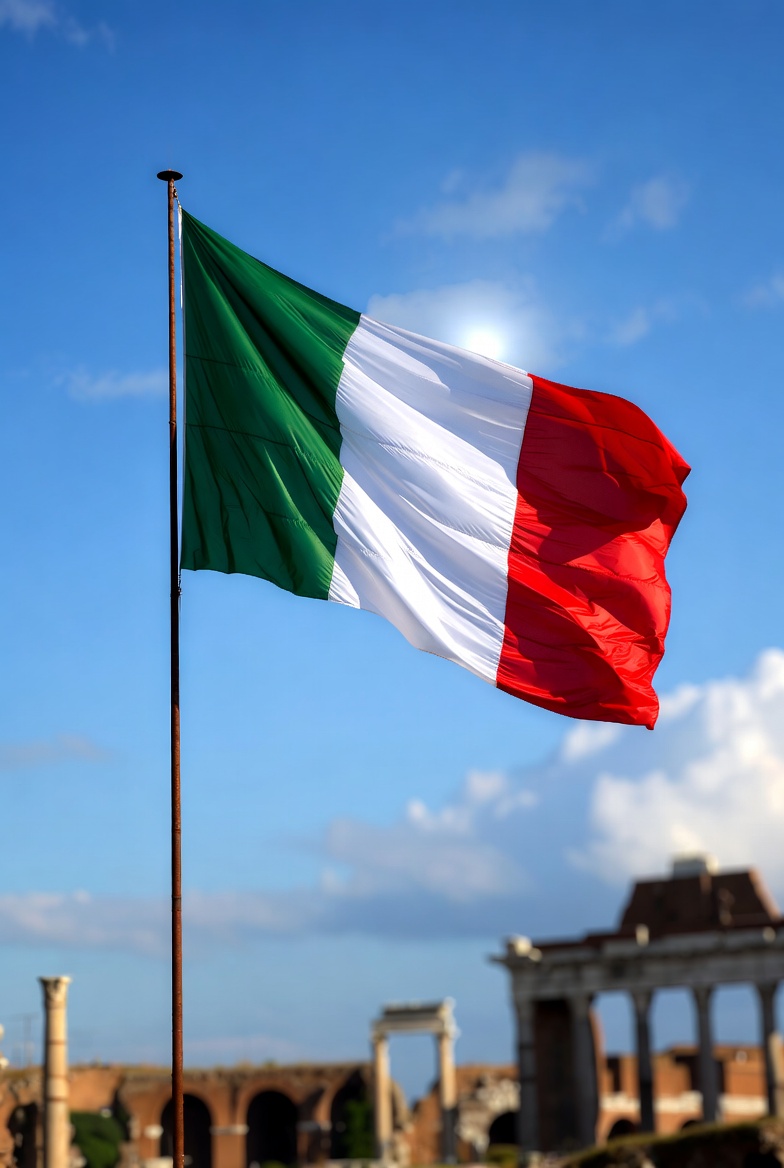
Three vertical stripes: green (hope), white (faith), red (love). Never disrespect the flag.
Green represents the country's hills and plains
White represents the Alps mountains
Red represents blood shed for independence
Never let the flag touch the ground
Displayed on all national holidays
2. The She-Wolf (Lupa Capitolina)
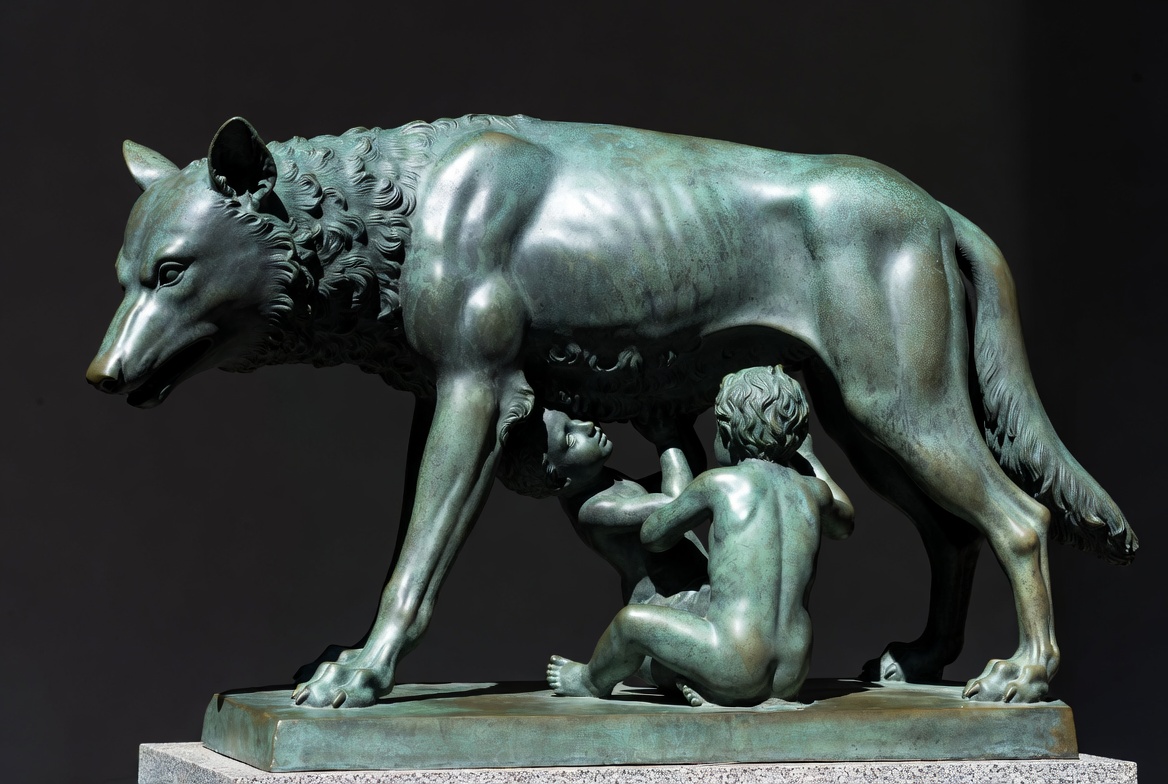
A wolf feeding twin babies (Romulus and Remus). The symbol of Rome. Represents strength and survival.
Romulus founded Rome in 753 BC
The wolf saved the twins from death
Statues found all over Rome
Represents motherly protection and ferocity
Official emblem of the city of Rome
3. The Evil Eye (Malocchio)
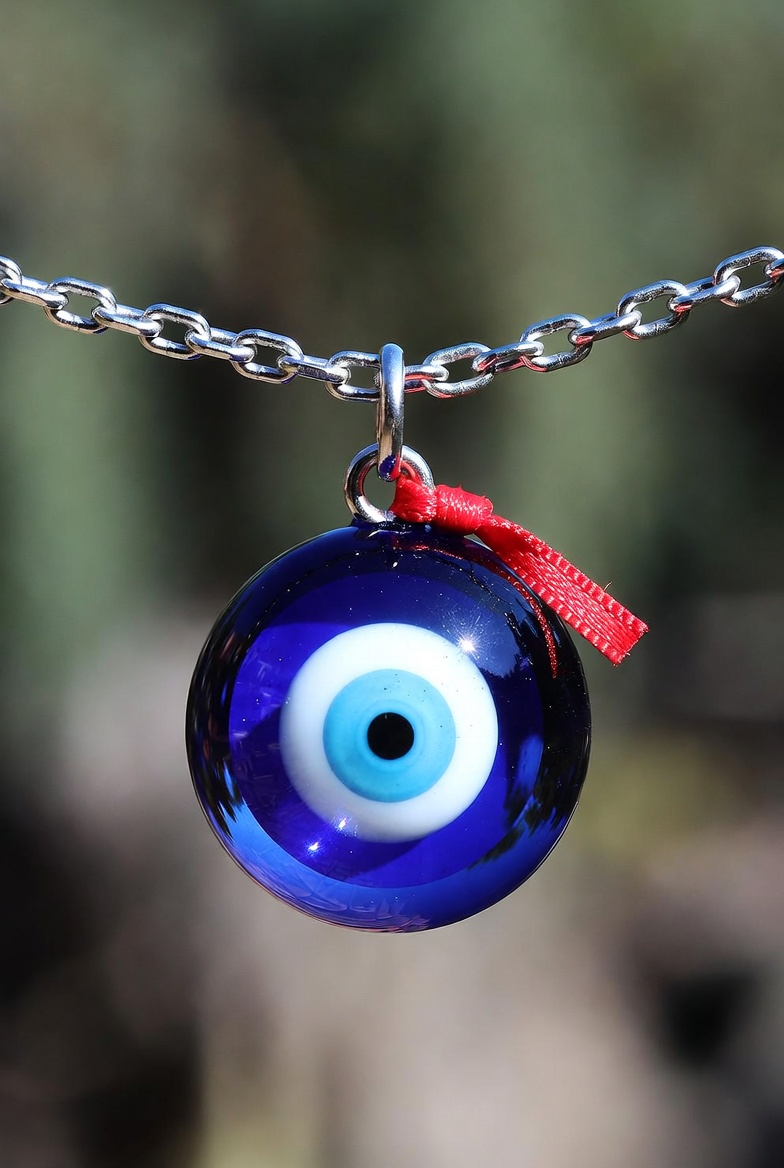
A dark blue eye symbol worn as jewelry. Protects against curses and bad luck sent by jealous people.
Tourists should buy one as a souvenir
Hang it in your car or home
If someone stares too long, they may curse you
Horn-shaped charms (cornicello) also protect
Never gift it without a small coin in return
4. The White Lily (Giglio)

A white lily flower. Symbol of Florence and the Virgin Mary. Represents purity, beauty, and Renaissance art.
Florence is called "City of the Lily"
Found on Florence's flag and coat of arms
Associated with the Medici family
Used in religious ceremonies
Never pick wild lilies in public gardens
5. The Lemon (Limone)
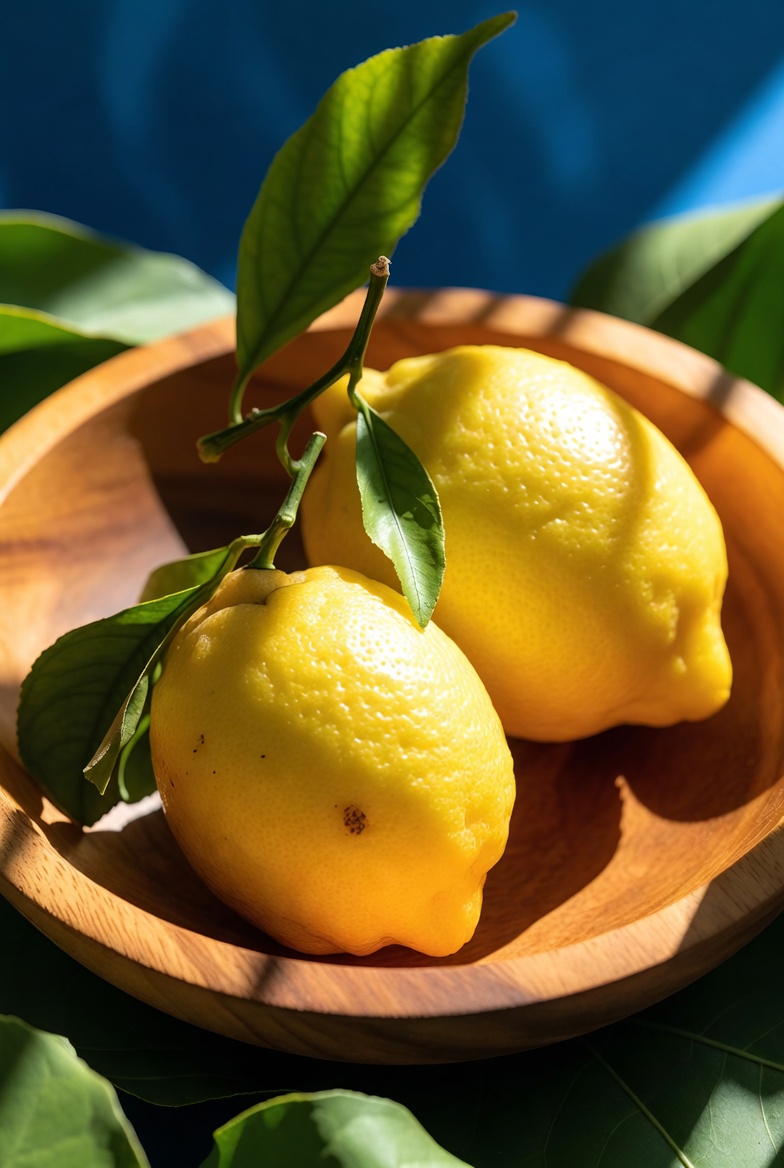
A bright yellow lemon with leaves. Symbol of southern Italy (Amalfi Coast, Sicily, Sorrento). Represents sunshine, hospitality, and wealth.
Lemon trees outside every southern home
Offering a lemon means welcome
Throwing a lemon means rejection
Limoncello is the national drink of the south
Never refuse a lemon offered by a local
6. The Red Rose (Rosa Rossa)
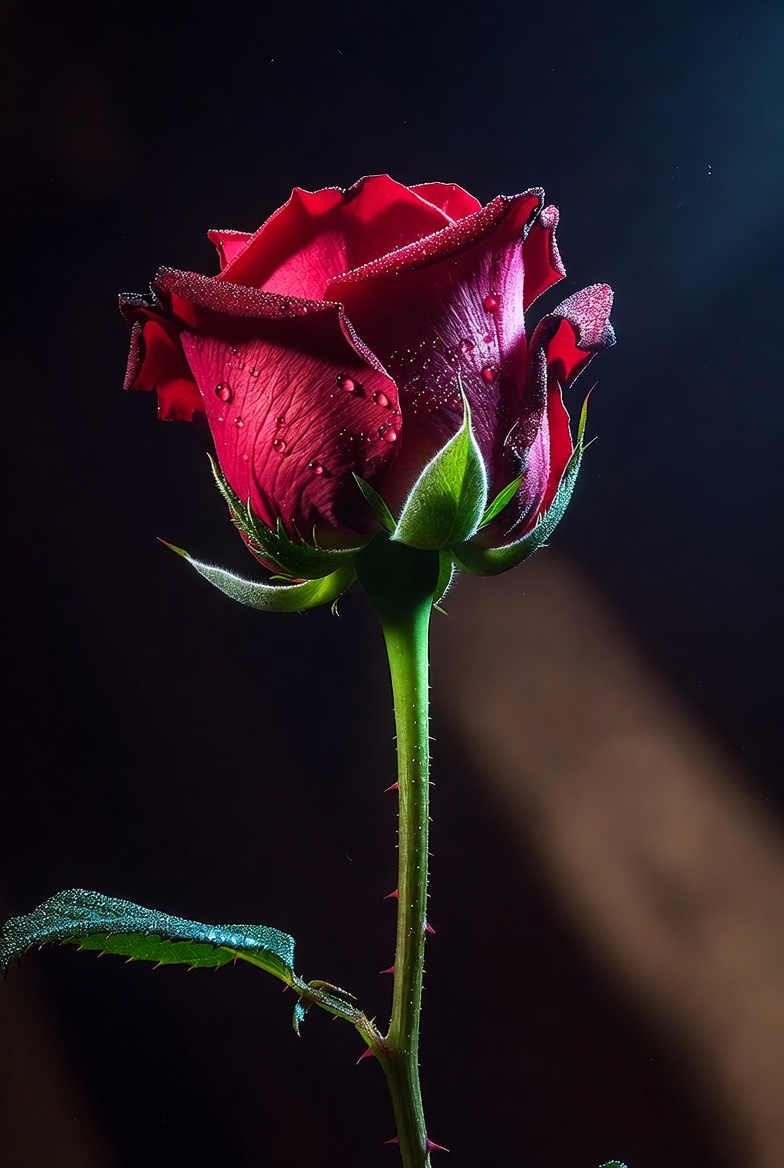
A single red rose. Symbol of romantic love and secret societies. Represents passionate Italian love.
Giving one rose means "I love you only"
Never give an even number of roses (bad luck)
Yellow roses mean jealousy
White roses mean funeral mourning
Rose petals thrown at wedding couples
7. No Wearing Shoes Inside Homes
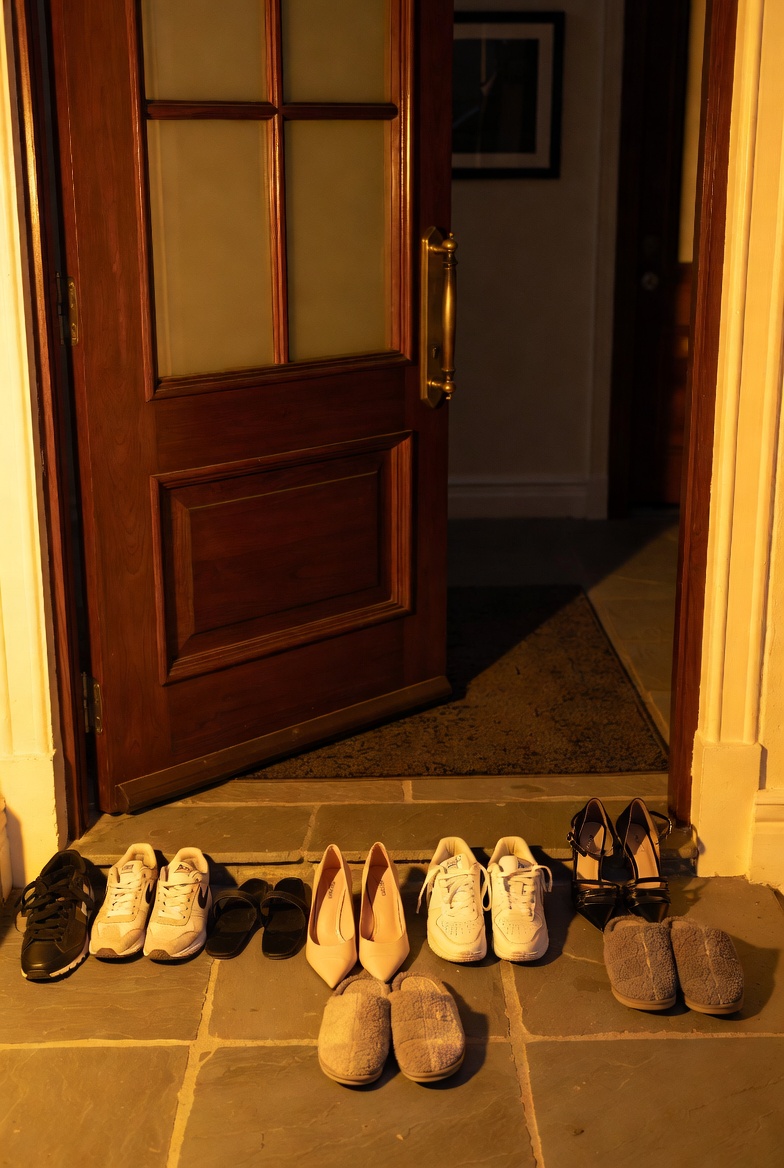
Italians never wear outdoor shoes inside their homes. Guests must remove shoes at the door.
House slippers are usually offered
Walking barefoot is also acceptable
Never argue about removing shoes
This rule applies even for brief visits
Dirty shoes on clean floors is deeply offensive
8. No Pizza for Dinner? No – Tourists Get Confused
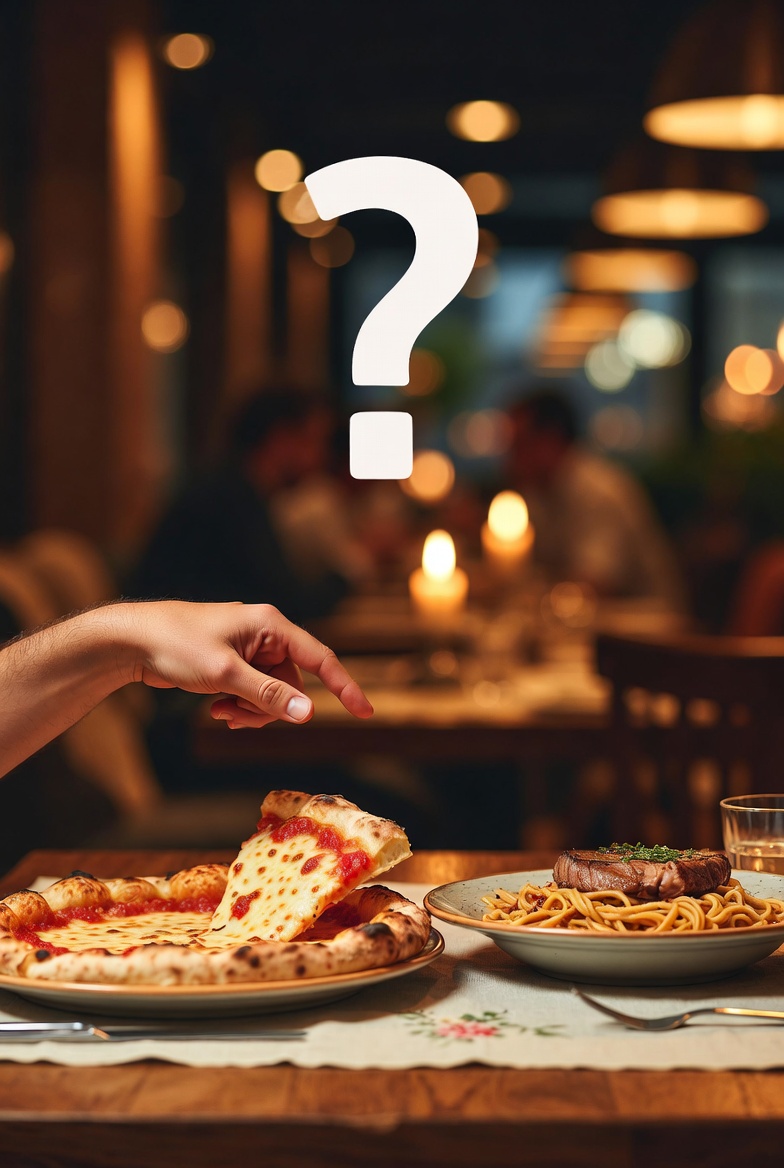
Italians eat pizza mostly for lunch or late night snack. Full dinners are multi-course meals.
Pizzerias open at 12 PM for lunch
Dinner pizza is acceptable but rare
Real dinner starts with pasta, then meat
Pizza alone is not a complete Italian dinner
Locals will not judge you, but they will silently disagree
9. No Cappuccino After 11 AM
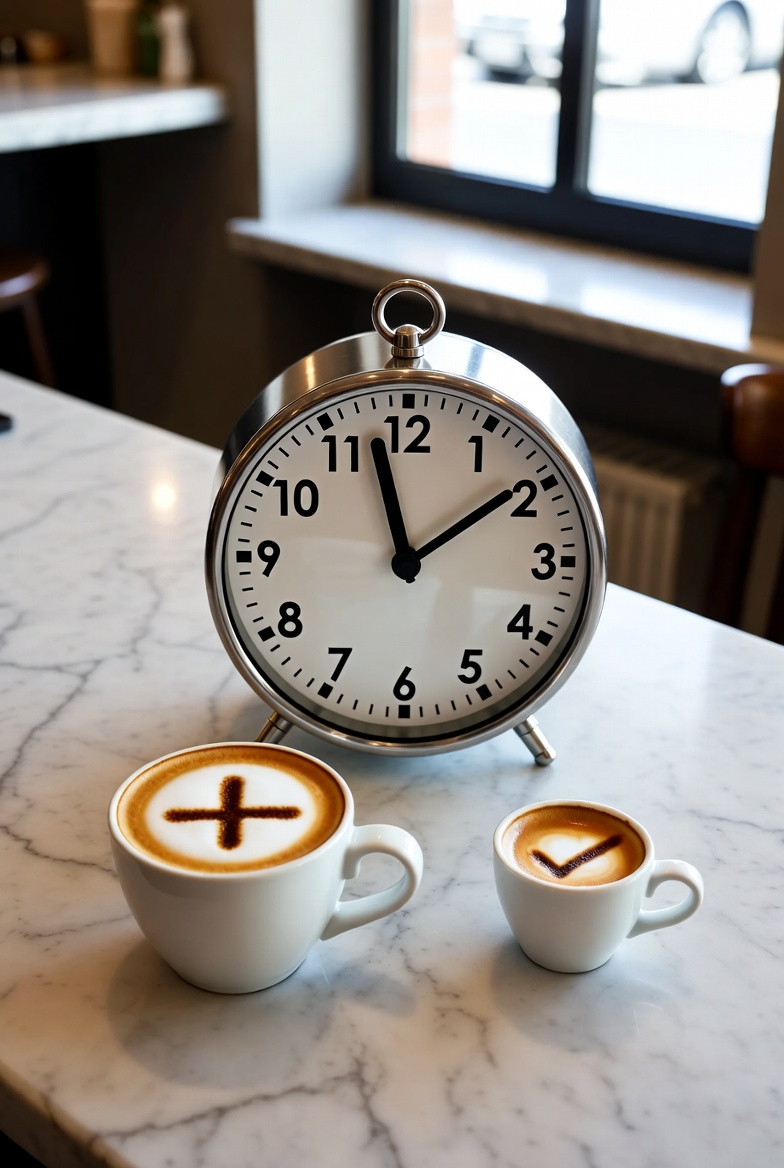
Cappuccino is breakfast only. Milk after a meal upsets Italian digestion (in their belief).
Order cappuccino only before 11 AM
After meals, order espresso
Latte means milk (ask for caffè latte)
Never ask for flavored syrups
Drinking cappuccino at 10 PM is a crime in Italian eyes
10. No Shorts in Churches
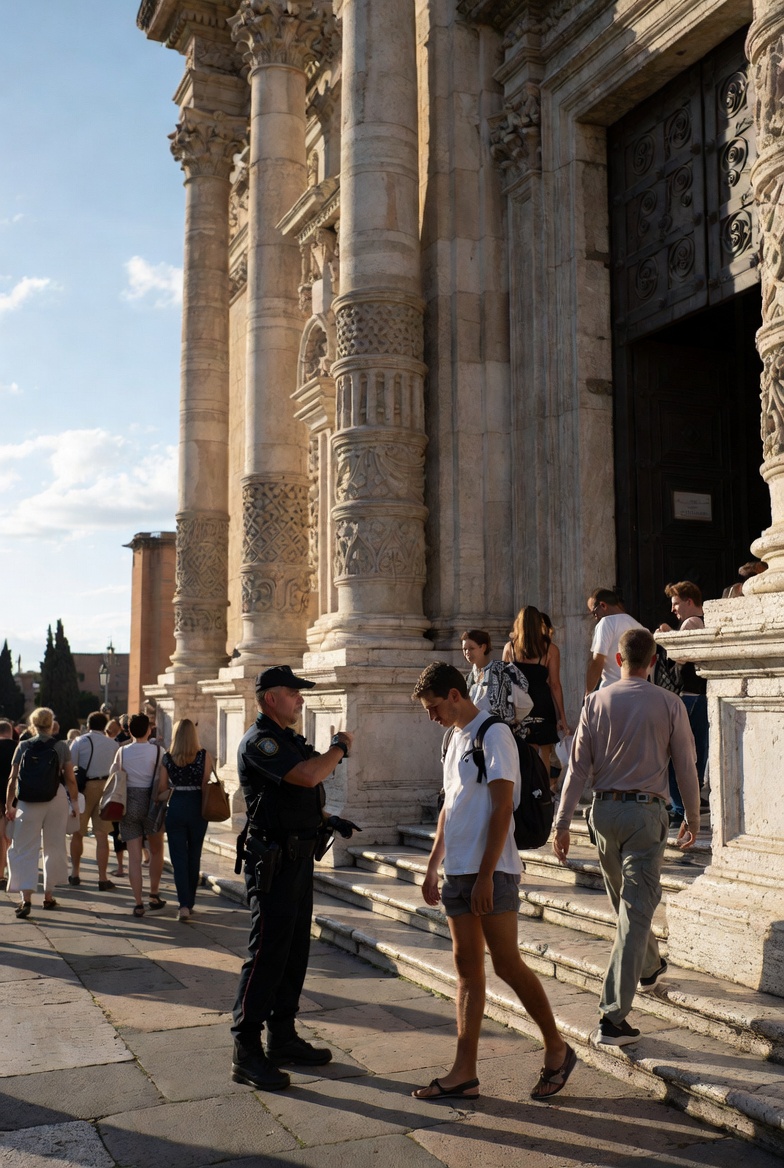
Men and women cannot enter Italian churches with exposed shoulders or knees. Cover up or be refused entry.
Carry a scarf to cover shoulders
Wear pants or long skirts, not shorts
St. Peter's Basilica strictly enforces this
Guards will block you at the door
No exceptions for tourists