
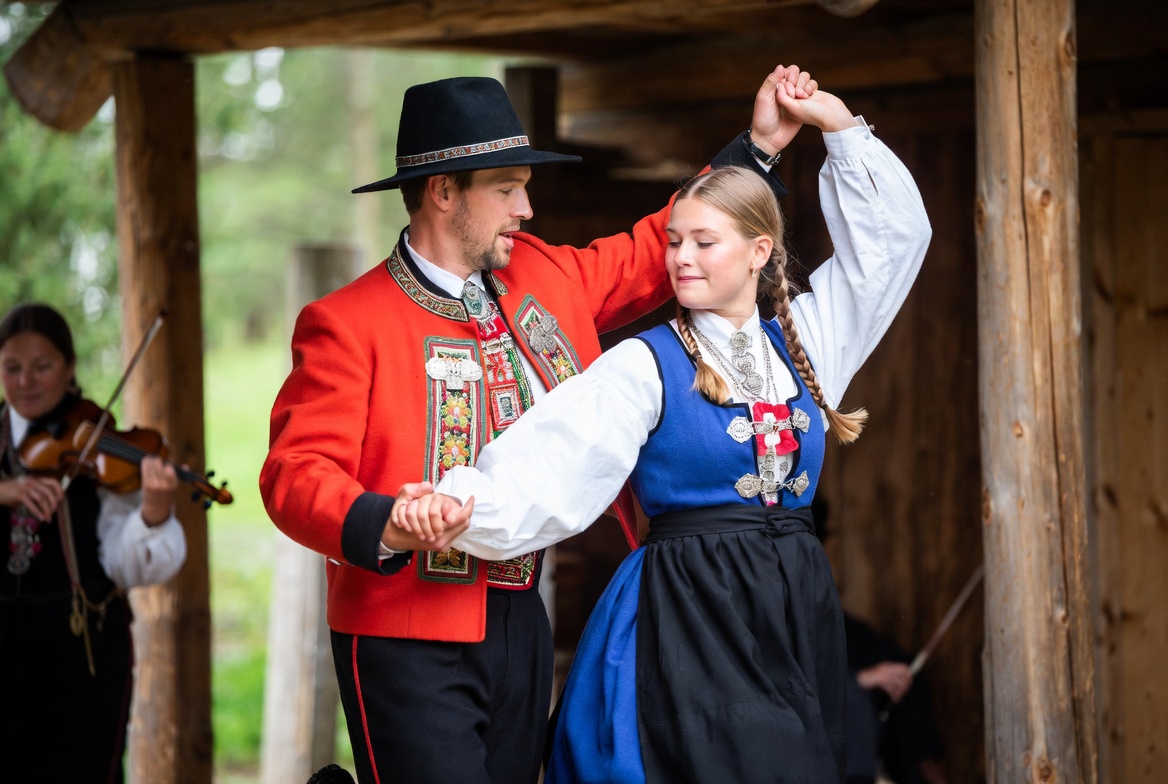
Melody and Movement: Exploring Norway's Enduring Music and Dance Traditions
Music and dance are essential expressions of identity, weaving together stories of the past with the vibrant spirit of today. They provide a unique window into the soul of a culture, reflecting traditions, community bonds, and the deep connection to nature.
1. The Dynamic Hardanger Fiddle (Hardingfele)
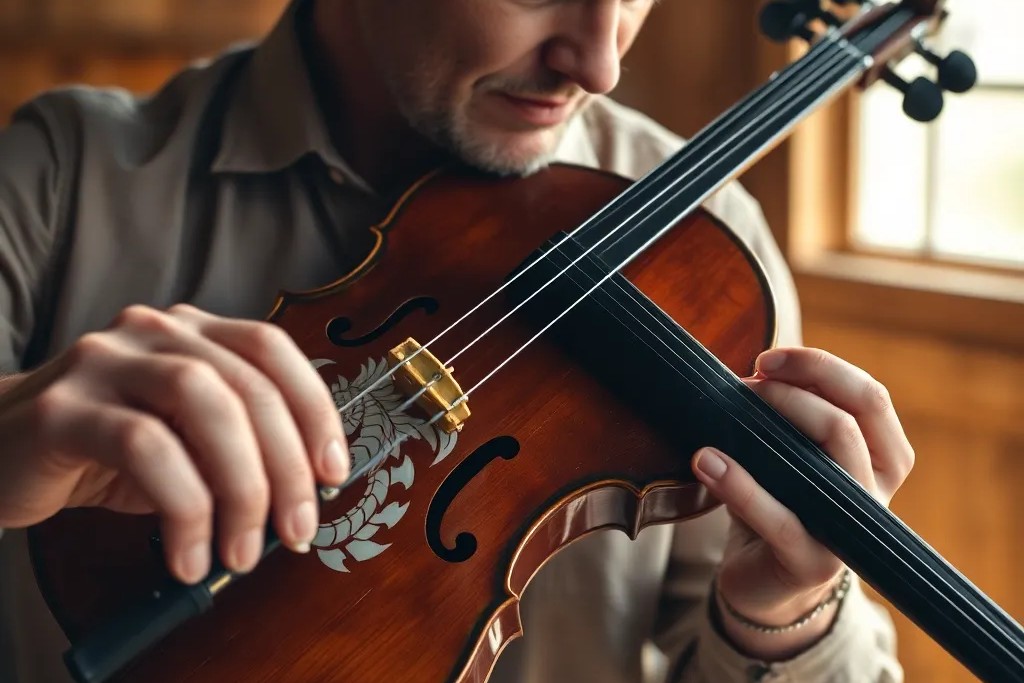
The Hardanger fiddle is a distinctive instrument, central to many traditional music styles. Its unique sound is created by sympathetic strings vibrating beneath the main strings, adding a rich resonance.
Features four main strings and four or five sympathetic strings.
Known for its rich, echoing, and resonant sound.
Often adorned with elaborate carvings and mother-of-pearl inlay.
Integral to folk dances like springar and gangar.
2. Halling: A Dance of Strength and Agility
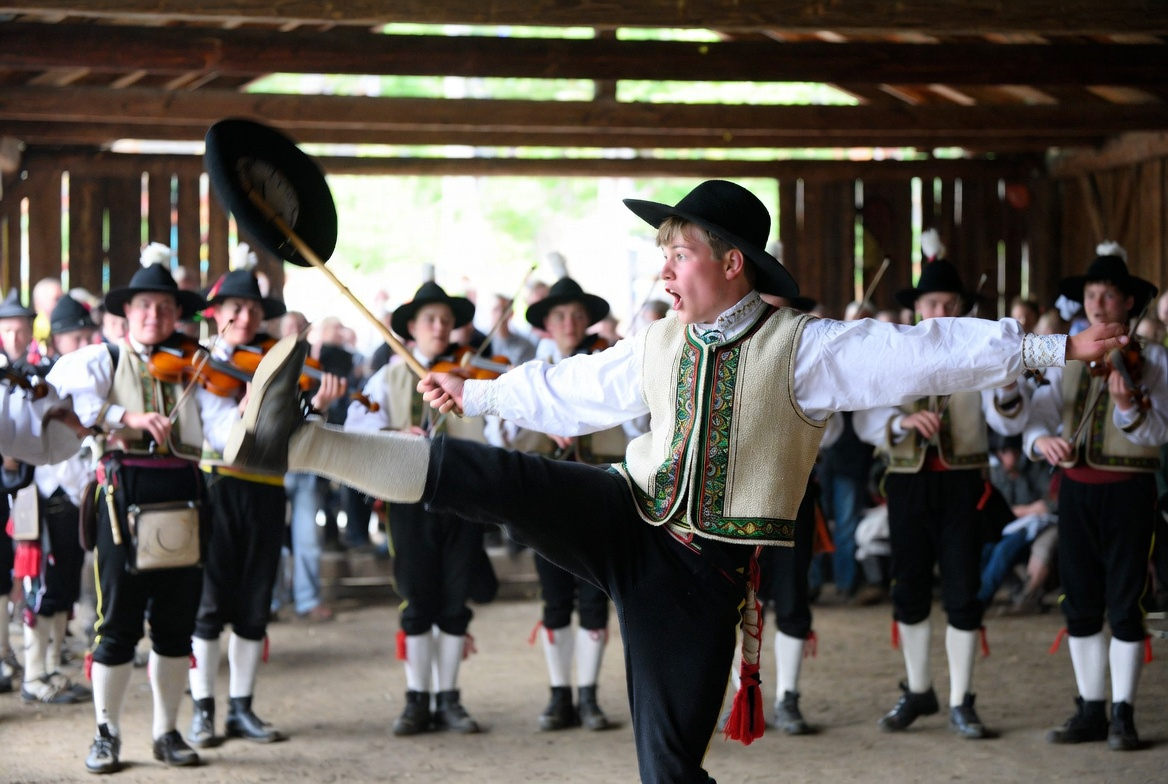
Halling is a captivating solo dance, traditionally performed by men, known for its acrobatic elements and displays of physical prowess. It embodies a blend of strength, balance, and spirited improvisation.
A traditional male solo dance, often energetic and acrobatic.
Features impressive kicks, spins, and jumps.
The "hallingkast" involves kicking a hat from a stick.
Symbolizes vitality, skill, and masculine vigor.
3. Springar and Gangar: Partner Dances of Tradition
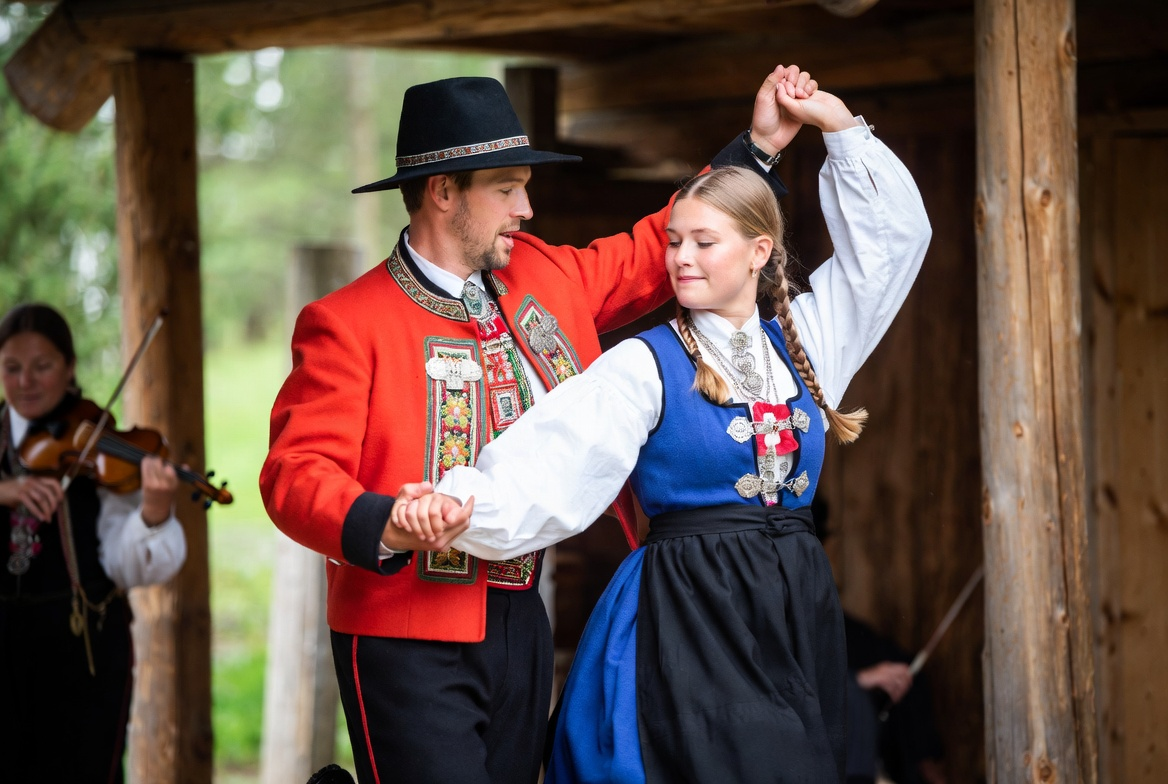
Springar and Gangar are lively partner dances, each with distinct rhythms and regional variations. They are a beloved part of social gatherings, requiring close communication and improvisation between dancers.
Springar is a fast-paced, three-beat partner dance.
Gangar is a more deliberate, two-beat partner dance.
Dancers often improvise, showcasing individual style.
Popular at weddings, festivals, and community events.
4. Joik: The Sámi Musical Expression
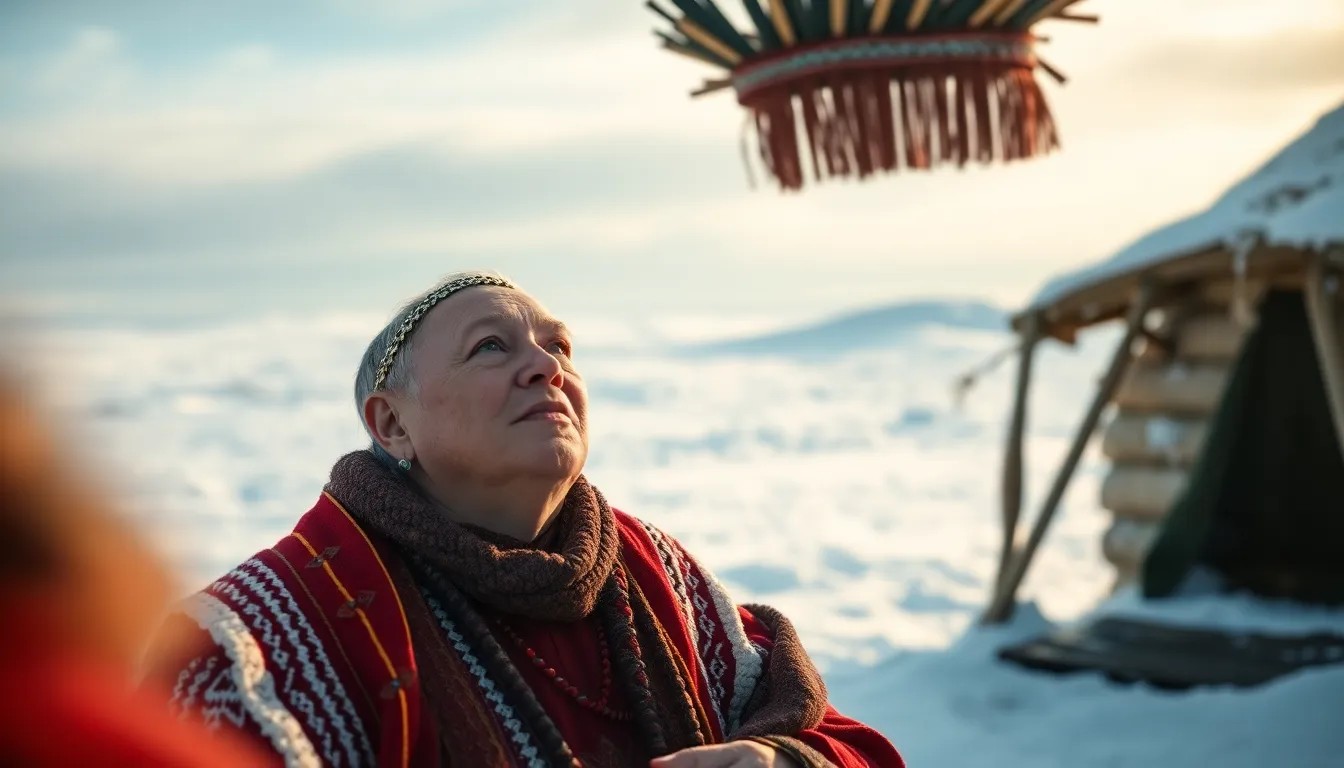
Joik is the ancient and spiritual song tradition of the Sámi people, the indigenous population. It is not just a song, but an evocation of a person, animal, or place, often improvised and deeply personal.
An ancient vocal tradition of the indigenous Sámi people.
Evokes a person, place, or animal rather than telling a story.
Often characterized by a unique, repetitive, and improvisational style.
Holds deep spiritual and cultural significance.
5. Contemporary Fusion and Preservation
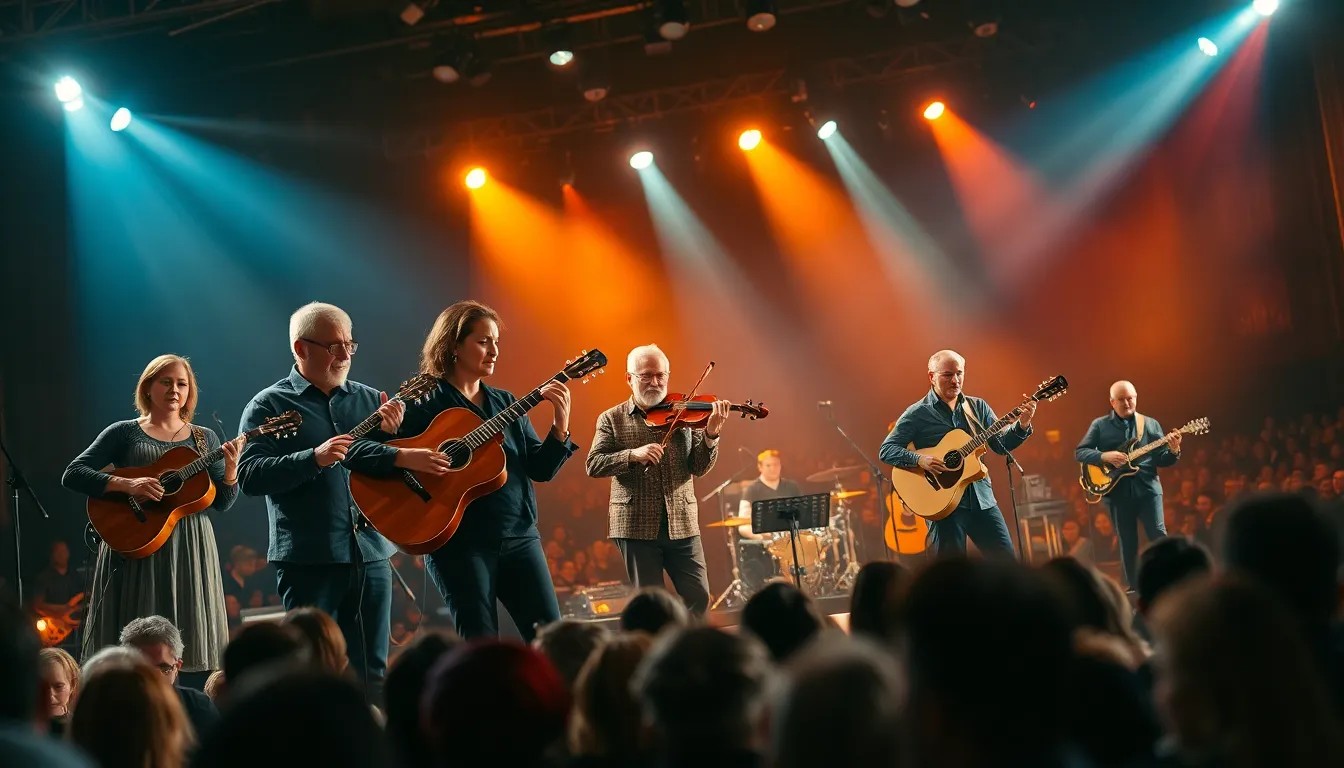
Today, traditional music and dance forms are not only preserved but also innovated upon. Musicians and dancers find new ways to express their heritage, ensuring its relevance for future generations.
Traditional music is often fused with modern genres.
Festivals showcase both authentic and contemporary folk acts.
Youth groups and schools teach traditional dances.
Folk arts continue to evolve while honoring roots.
6. The Role of Folk Festivals and Gatherings
Folk festivals and local gatherings are vital for keeping music and dance traditions alive. These events provide platforms for performance, learning, and sharing cultural heritage across generations.
Festivals bring communities together through shared traditions.
Opportunities for artists to perform and connect.
Important for passing on knowledge to younger generations.
Visitors experience authentic cultural celebration.