
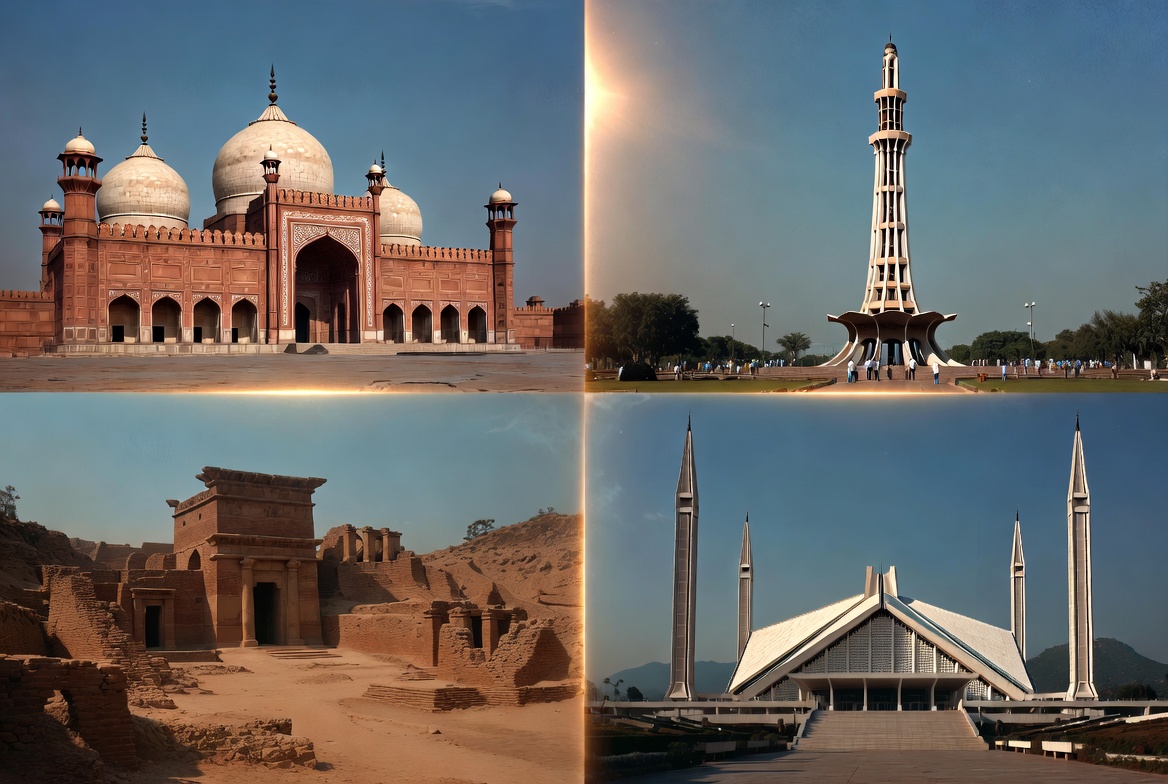
Pakistani Historical Landmarks & Significance: A Tourist's Guide
Pakistan has landmarks from the Indus Valley civilization, Mughal Empire, and British rule. Knowing them helps tourists understand Pakistani pride and respect sacred spaces.
1. Badshahi Mosque (Lahore)
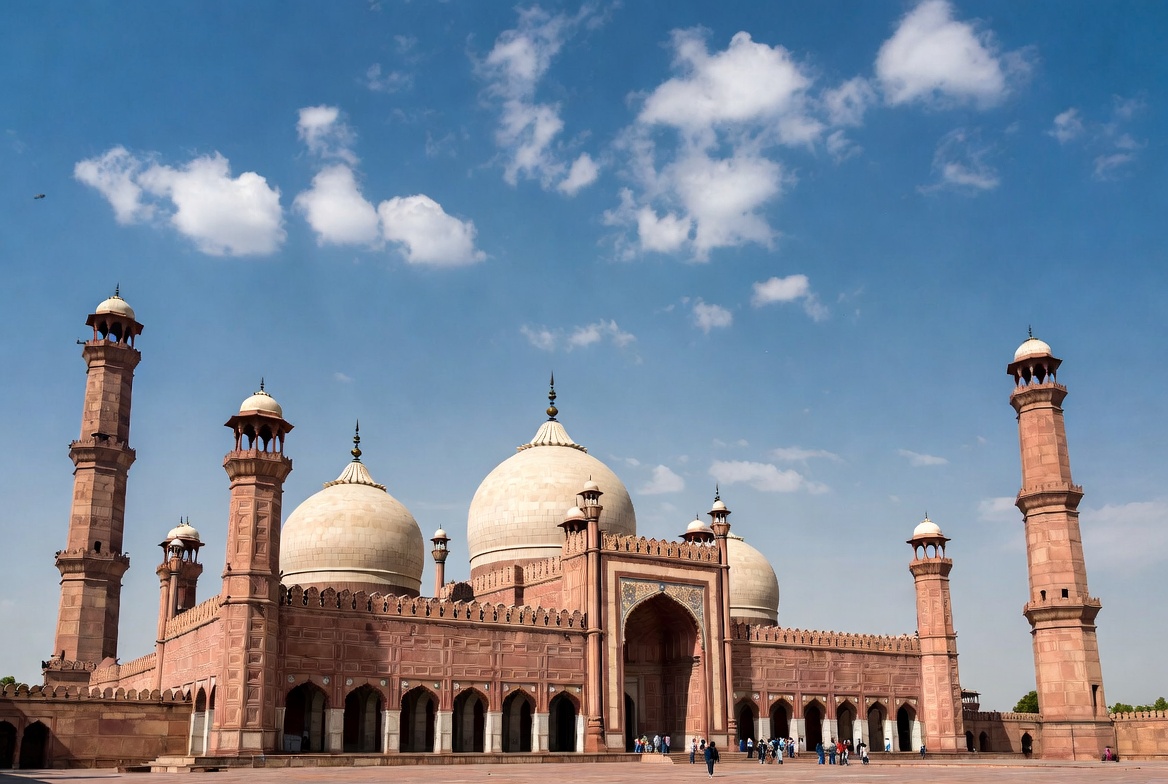
Built in 1673 by Mughal Emperor Aurangzeb
Located in Lahore (Punjab province)
Second largest mosque in Pakistan
Can hold 100,000 worshippers
Red sandstone with white marble domes
Women must cover hair before entering
Remove shoes before stepping on courtyard
2. Minar-e-Pakistan (Lahore)
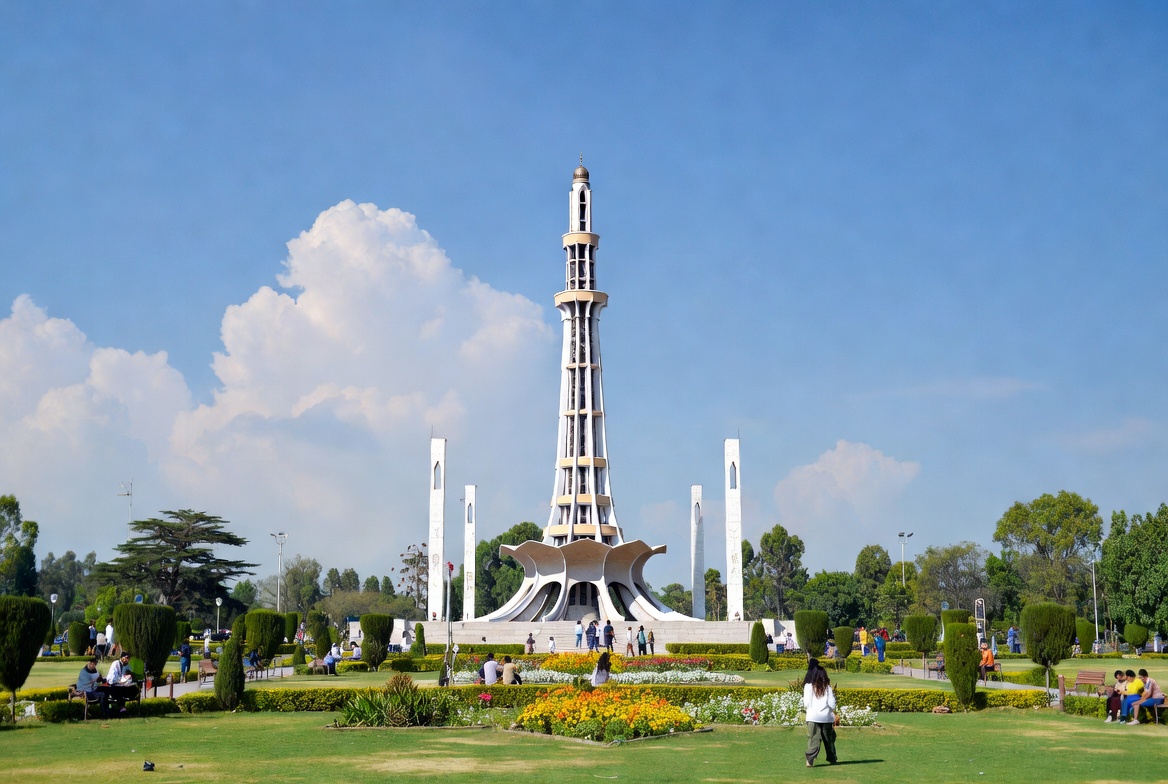
White tower built in 1968
Located in Lahore's Iqbal Park
Marks where Pakistan Resolution was passed in 1940
Tower is 62 meters tall (203 feet)
Lights up green and white at night
Very important national symbol
People visit on Independence Day (14 August)
3. Mohenjo-Daro (Sindh)
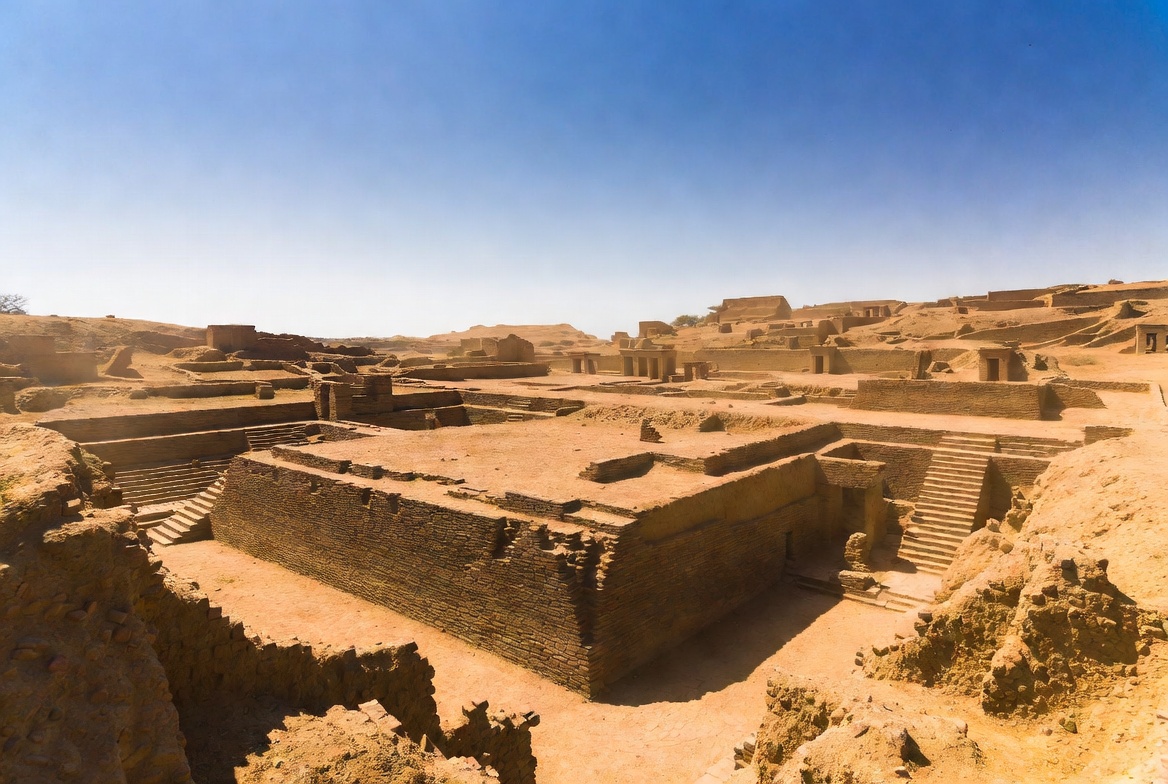
Built 4,500 years ago (2500 BCE)
Located in Larkana district (Sindh province)
One of the oldest cities in the world
Part of Indus Valley Civilization
Discovered in 1922 (buried for 4,000 years)
UNESCO World Heritage Site
Never climb on ancient walls (fragile)
4. Faisal Mosque (Islamabad)
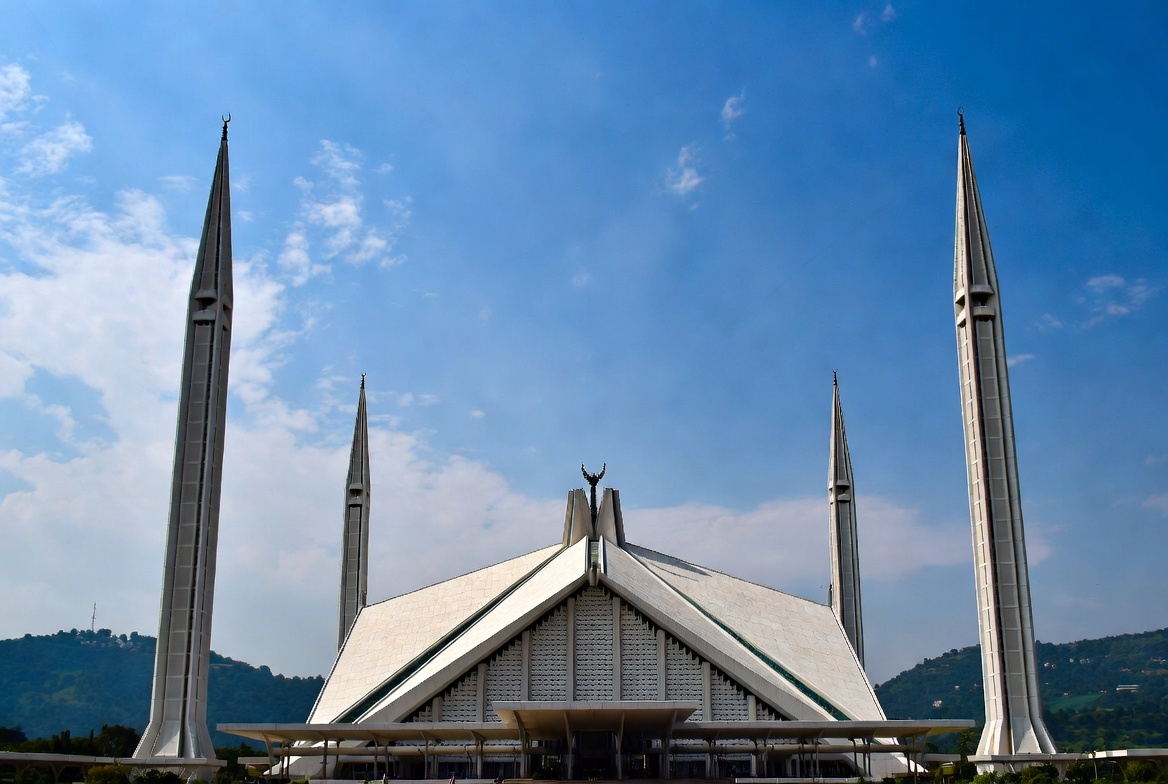
Built in 1986. Located in Islamabad (capital)
Largest mosque in Pakistan (can hold 300,000 people)
No dome (looks like a desert tent)
Four 90-meter tall minarets
Named after King Faisal of Saudi Arabia (who funded it)
Surrounded by Margalla Hills (very beautiful)
Women must cover hair before entering
5. Lahore Fort (Shahi Qila)
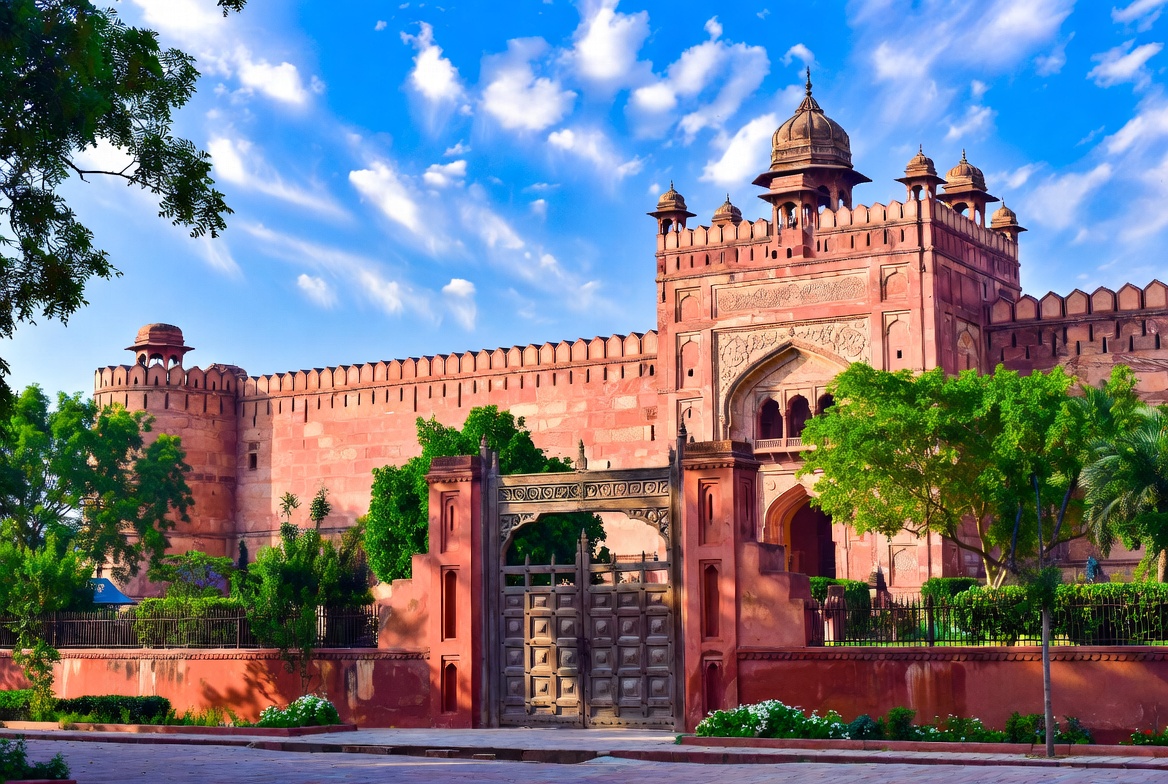
Built over 1,000 years ago (Mughal era)
Located next to Badshahi Mosque (Lahore)
Sheesh Mahal (Palace of Mirrors) inside
Walls covered with tiny mirrors and paintings
UNESCO World Heritage Site
Elephant steps (wide steps for elephants to climb)
Never touch mirror walls (oils damage them)
6. Rohtas Fort (Jhelum)
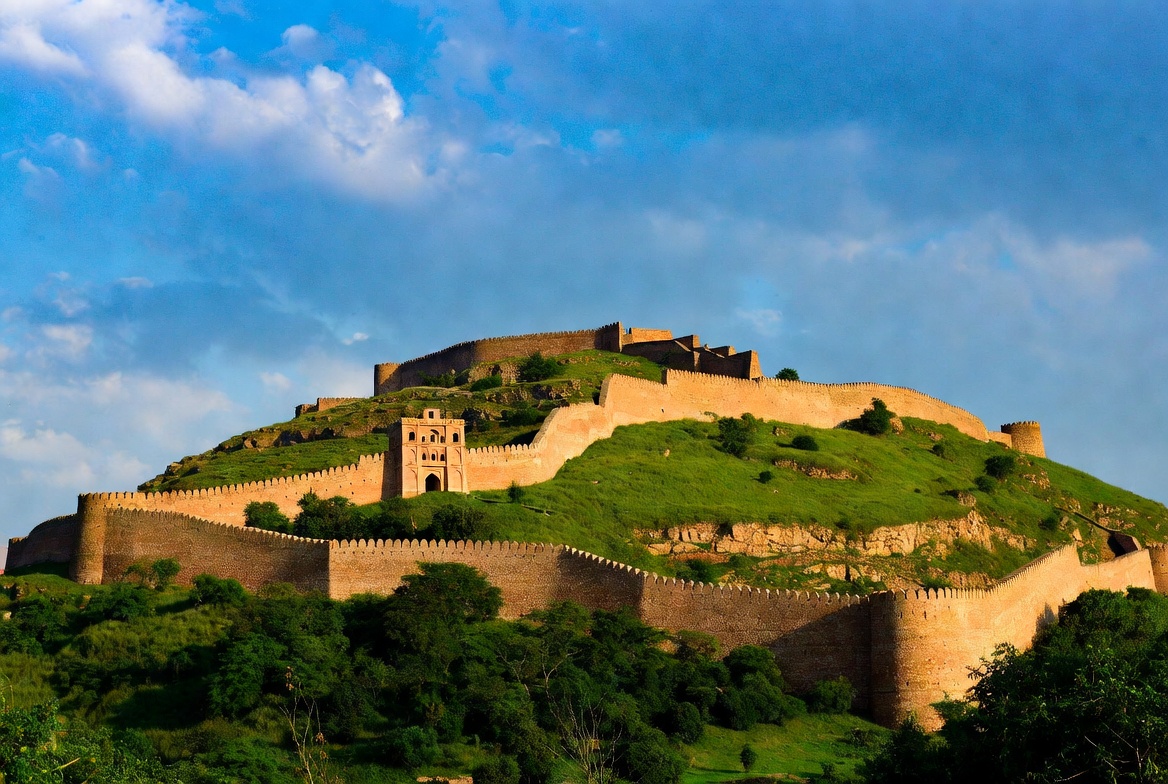
Built in 1541 by Afghan King Sher Shah Suri
Located near Jhelum (Punjab province)
Never captured by any army (never defeated)
12 gates. 68 bastions. 4 kilometers of walls.
Built to stop Mughal Emperor Humayun from returning
UNESCO World Heritage Site
Very steep climb (wear good shoes)