Polish Historical Landmarks & Significance: A Tourist's Guide to Boundaries
PolandPolishMinsk
Poland has landmarks from medieval times, World War II, and industrial history. Knowing them helps tourists understand Polish pride and respect sacred spaces.
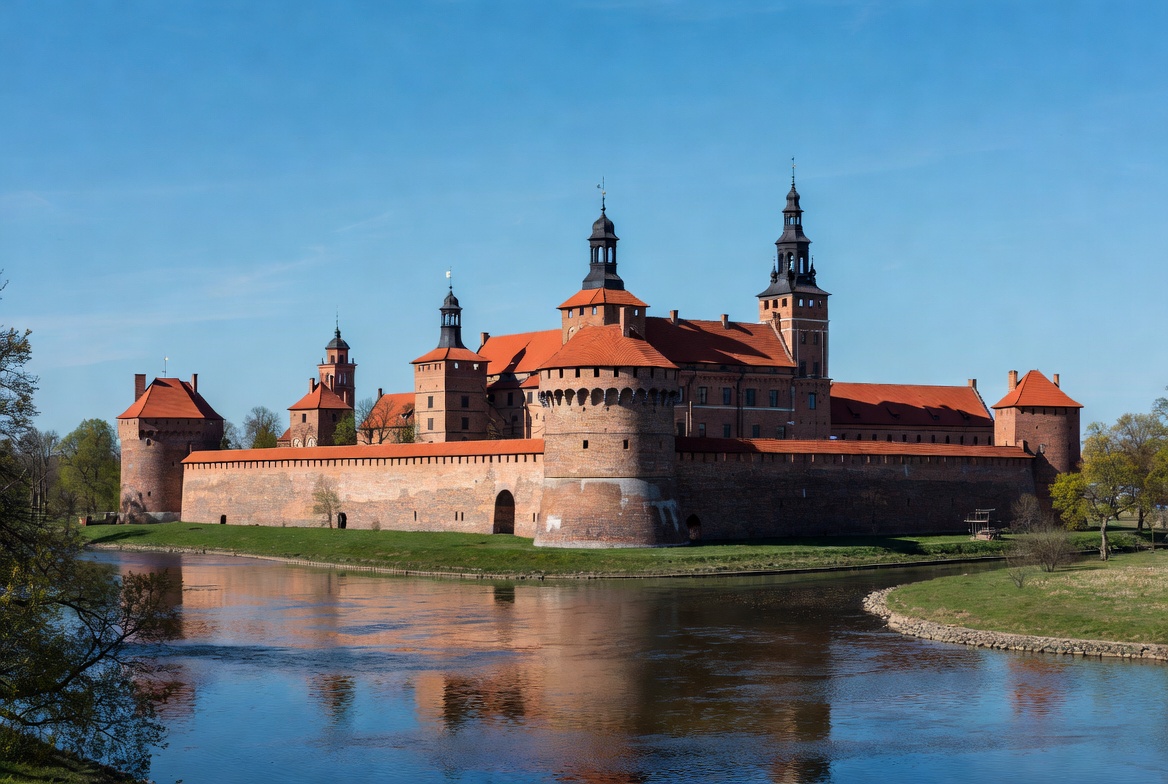
1. Malbork Castle (Zamek w Malborku)
- Built 1274-1406 by the Teutonic Knights
- Largest brick castle in the world (over 4.5 million bricks)
- Covers 21 hectares, three sections: High, Middle, and Low Castle
- Served as headquarters of the Teutonic Order (1309-1457)
- UNESCO World Heritage Site (inscribed 1997)
- Houses medieval armor, weapons, and amber collections
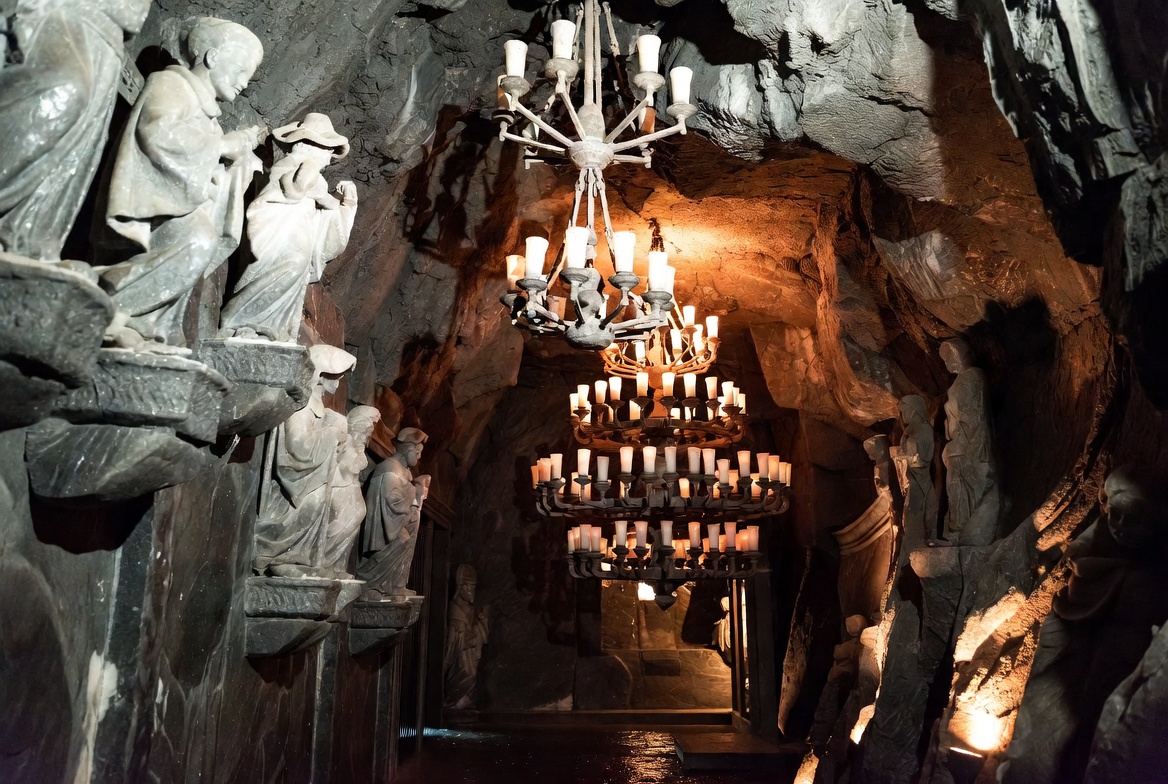
 2. Wieliczka Salt Mine (Kopalnia Soli Wieliczka)
- Began operation in the late 13th century; closed in 1996
- Over 700 years of continuous salt production
- Contains 9 levels, reaching 327 meters (1,073 ft) underground
- Tourist route: 2 miles, about 800 steps, lasting 2–3 hours
- St. Kinga’s Chapel carved entirely from salt rock (completed 1964)
- Visitors can taste the salty walls (a long‑standing tradition)
- UNESCO World Heritage Site (inscribed 1978)
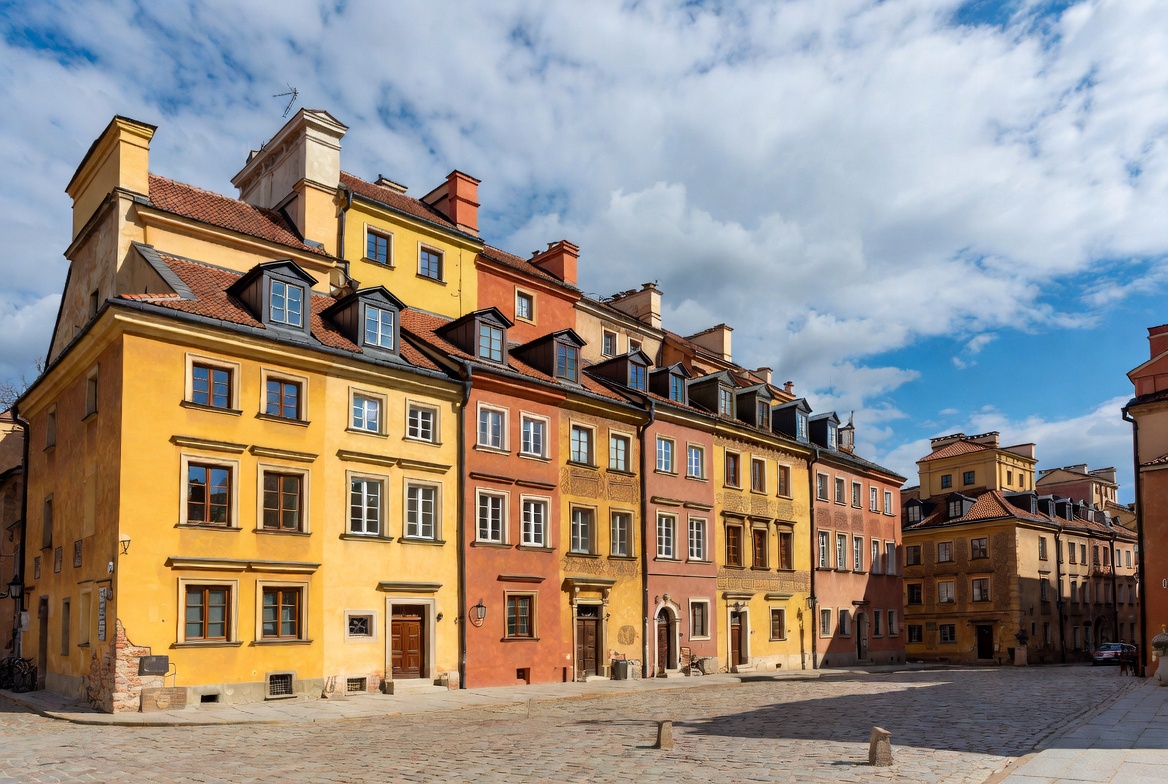
 3. Warsaw Old Town (Stare Miasto)
- Deliberately destroyed by Nazis in 1944 (85% of buildings demolished)
- Rebuilt 1945-1966 using original rubble, photos, and 18th-century paintings
- Reconstruction based on 26 detailed city paintings by Bernardo Bellotto
- Symbol of Polish resilience and determination
- UNESCO World Heritage Site (inscribed 1980, exceptional reconstruction case)
- Royal Castle, Old Town Market Square, city walls with Barbican
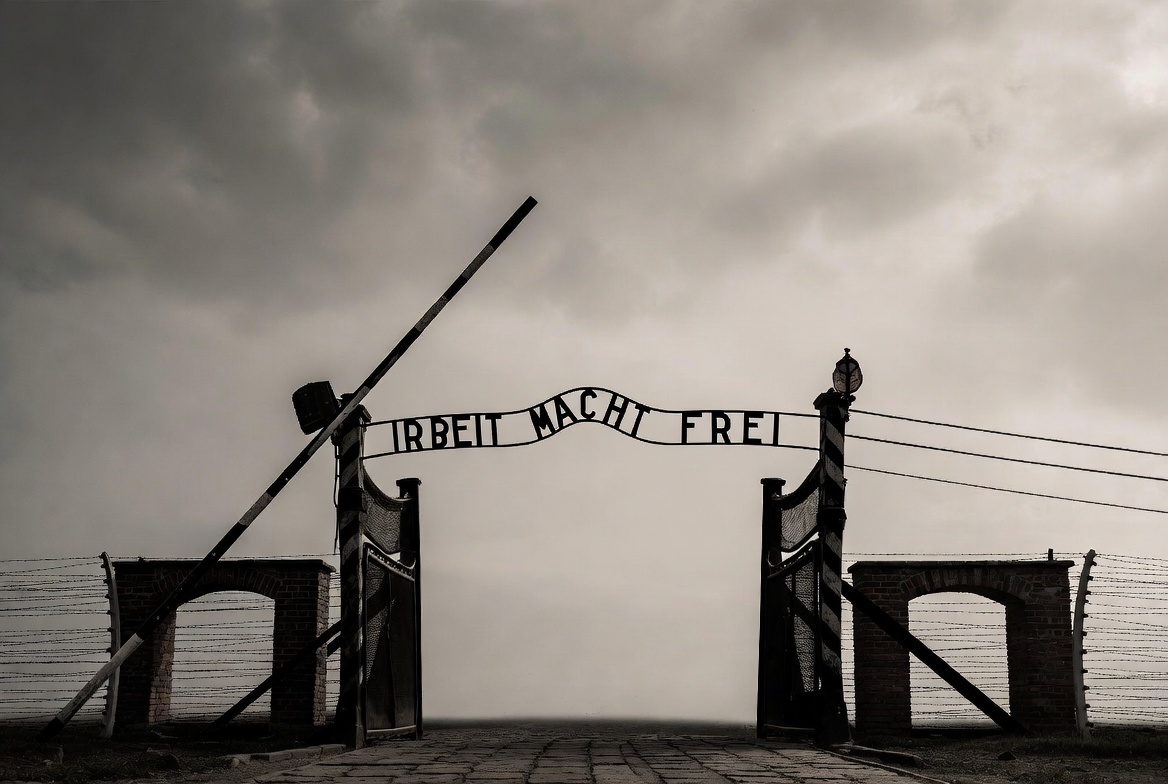
 4. Auschwitz-Birkenau (Oświęcim)
- Largest Nazi concentration and extermination camp complex (1940-1945)
- 1.1 million people murdered (1 million Jews, plus Poles, Roma, Soviet POWs)
- Auschwitz I: original camp with museum exhibitions (prisoner blocks, gas chamber)
- UNESCO World Heritage Site (inscribed 1979)
- Free admission, advance reservation mandatory (2-3 months ahead)
- No cheerful photos, no eating, maintain silence
 5. Centennial Hall (Hala Stulecia, Wrocław)
- Built 1911-1913 by architect Max Berg
- Reinforced concrete dome (largest of its time, 67m span)
- Pioneering example of modern engineering (before concrete was widely used)
- Designed for exhibitions showcasing Lower Silesia's economic achievements
- UNESCO World Heritage Site (inscribed 2006)
- Surrounding area includes Japanese Garden and Wrocław Zoo