Polish Traditional Festivals & Celebrations: A Tourist's Guide
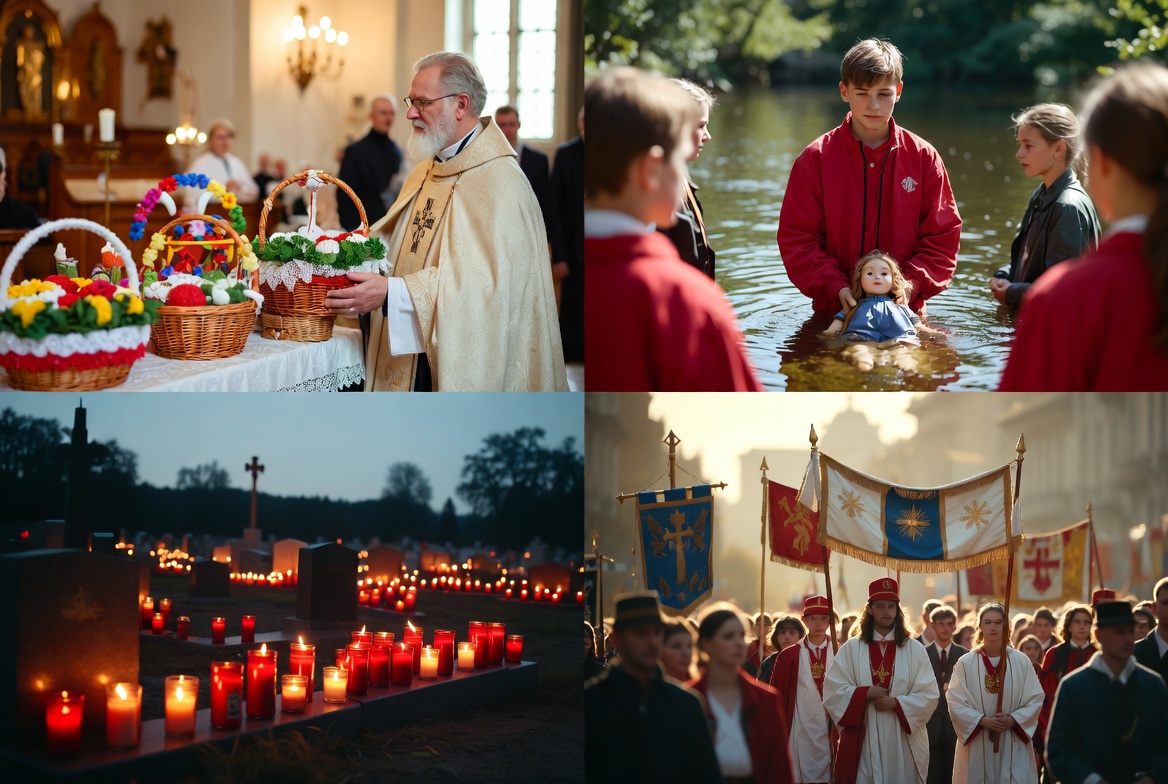
Poland has religious festivals, pagan traditions, and seasonal celebrations. Some involve blessing baskets, drowning dolls, and candlelit cemeteries.
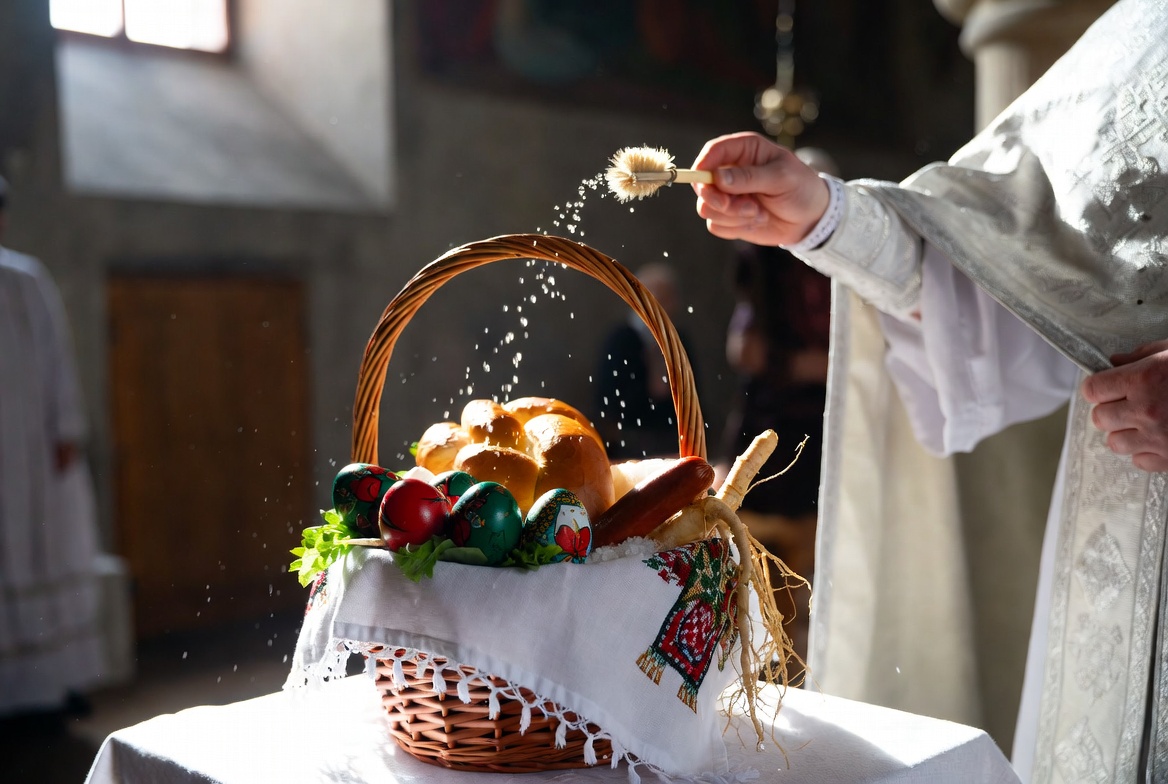
1. Święconka (Easter Basket Blessing)
Celebrated on Holy Saturday (day before Easter Sunday)
Families bring baskets to church for blessing
Basket contains: eggs (pisanki), sausage, bread, salt, horseradish, cake
Priest sprinkles holy water on baskets
Food cannot be eaten until Easter Sunday breakfast
Very popular in villages and cities
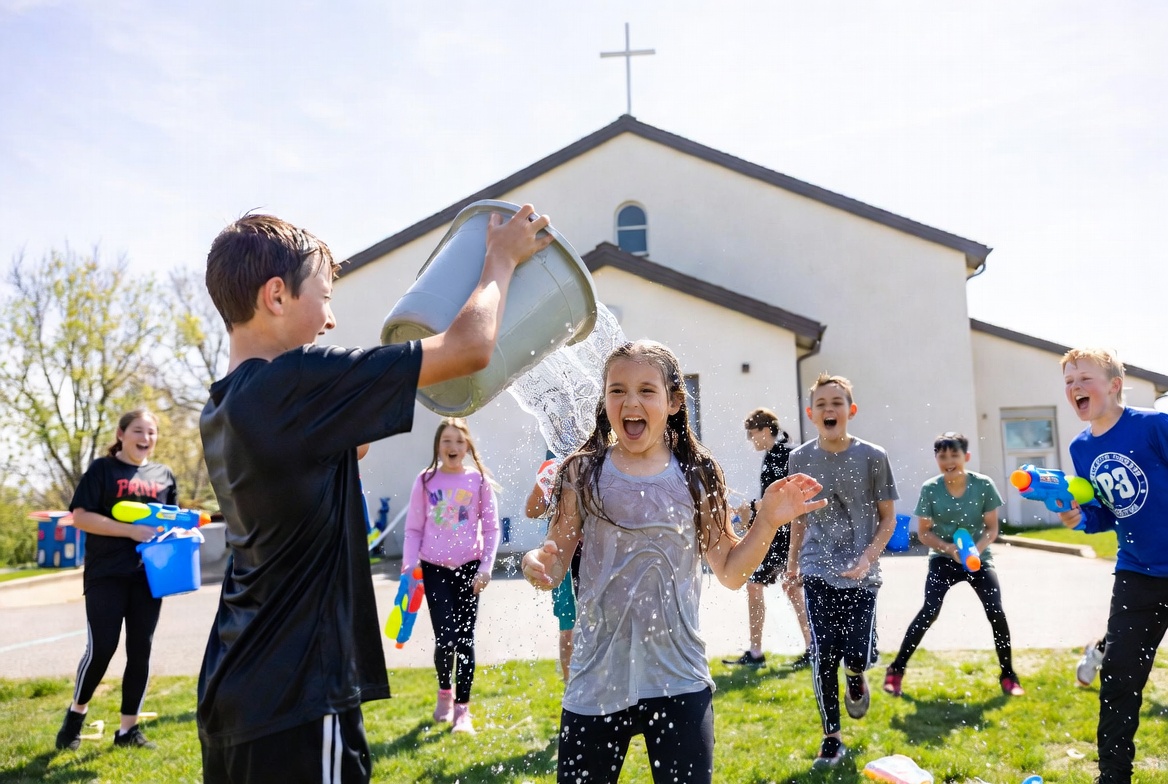
2. Śmigus-Dyngus (Wet Monday)
Celebrated on Easter Monday (day after Easter)
Boys pour water on girls (buckets, water guns, squirt bottles)
Girls can retaliate on Tuesday (next day)
Ancient pagan spring ritual (water = purification, fertility)
Very popular with children and teenagers
Tourists will get wet (expect it)
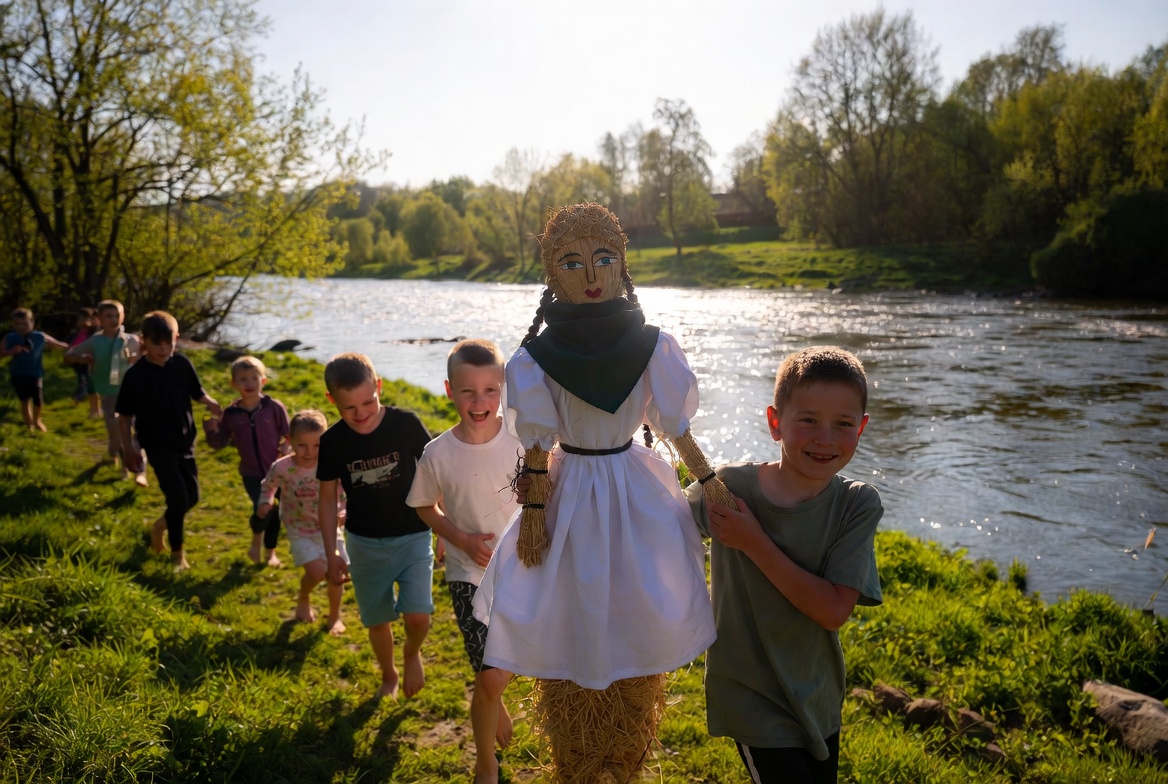
3. Topienie Marzanny (Drowning of Marzanna)
Celebrated on March 21 (first day of spring)
Children make straw doll (Marzanna) wearing traditional clothes
Doll represents winter, death, and illness
Parade to river or lake
Doll is thrown into water (drowning winter)
Sometimes burned before drowning (double destruction)
Ancient Slavic pagan tradition (pre-Christian)
4. Wszystkich Świętych (All Saints' Day)
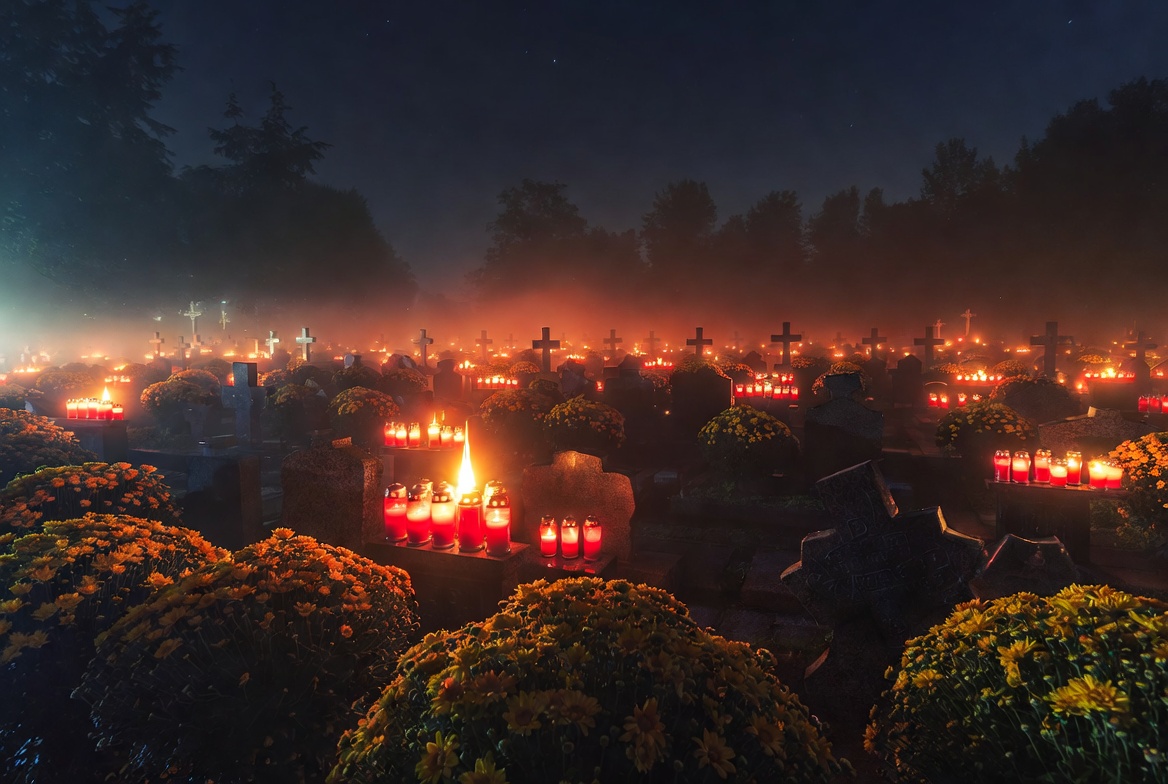
Celebrated on November 1 (national holiday)
Families visit cemeteries (even from far away)
Graves cleaned, flowers placed (chrysanthemums), candles lit (znicze)
Millions of candles burn across Poland (beautiful from above)
Quiet, reflective, not sad (celebrating lives of deceased)
Cemeteries open until late night
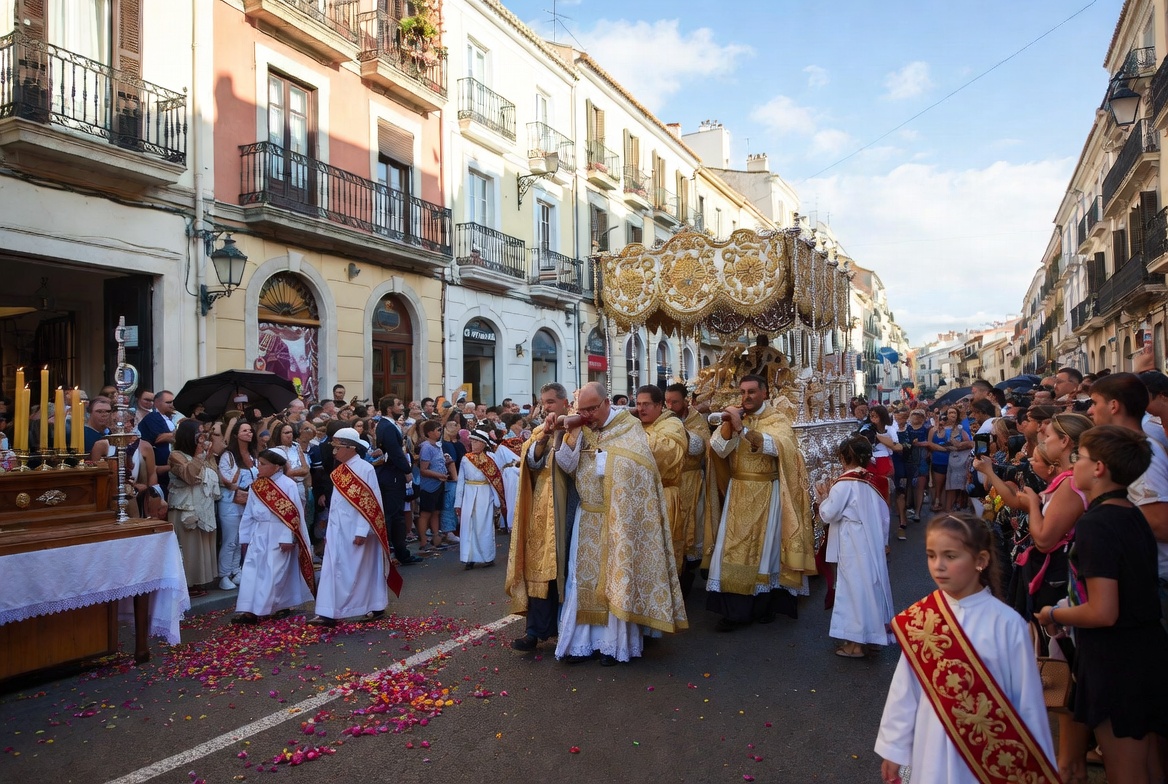
5. Boże Ciało (Corpus Christi)
Celebrated in June (Thursday, 60 days after Easter)
Colorful processions through city streets
Four altars set up outdoors (people stop and pray at each)
Children throw flower petals on the route
Priests carry Blessed Sacrament under canopy
Very popular in small towns (streets decorated)