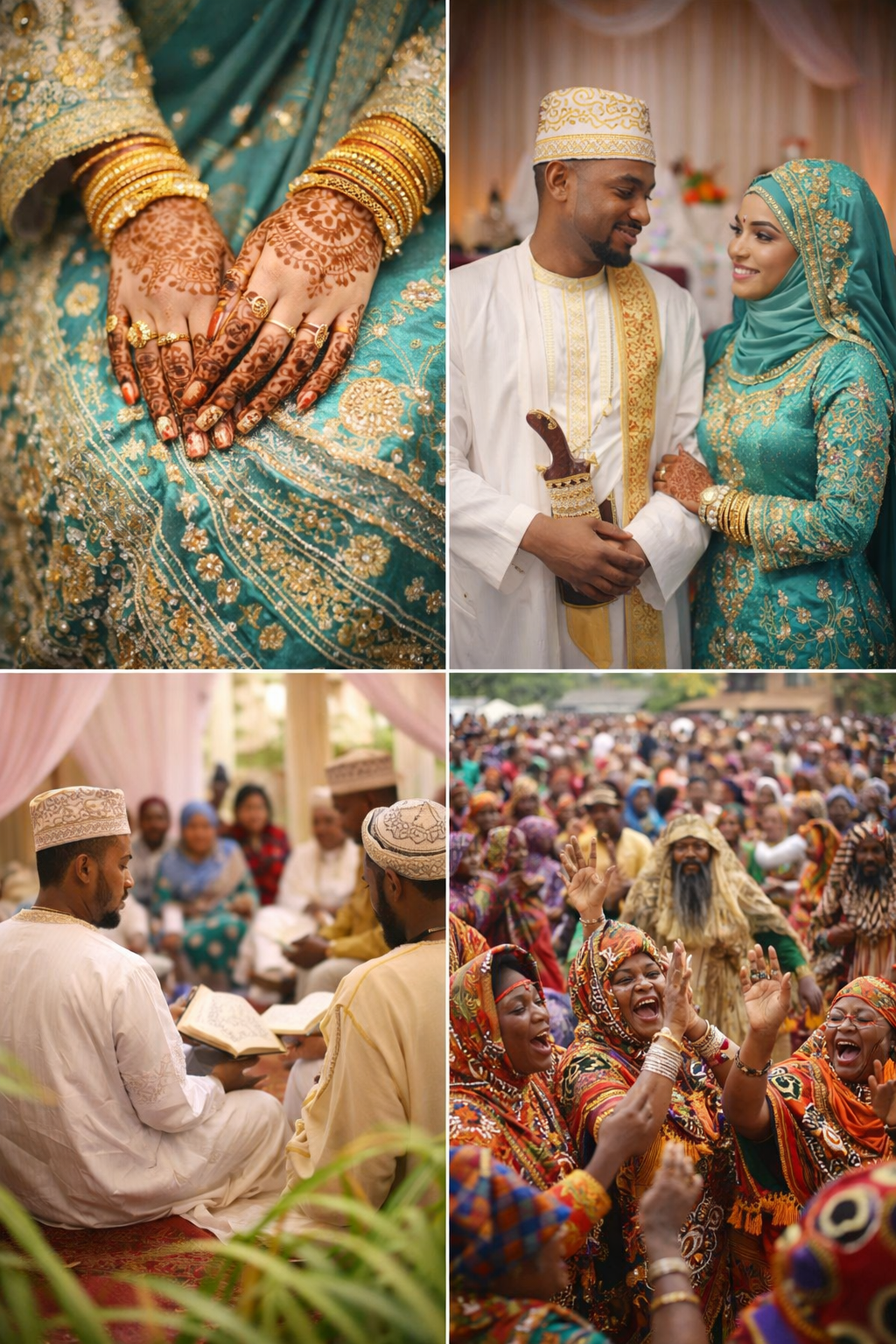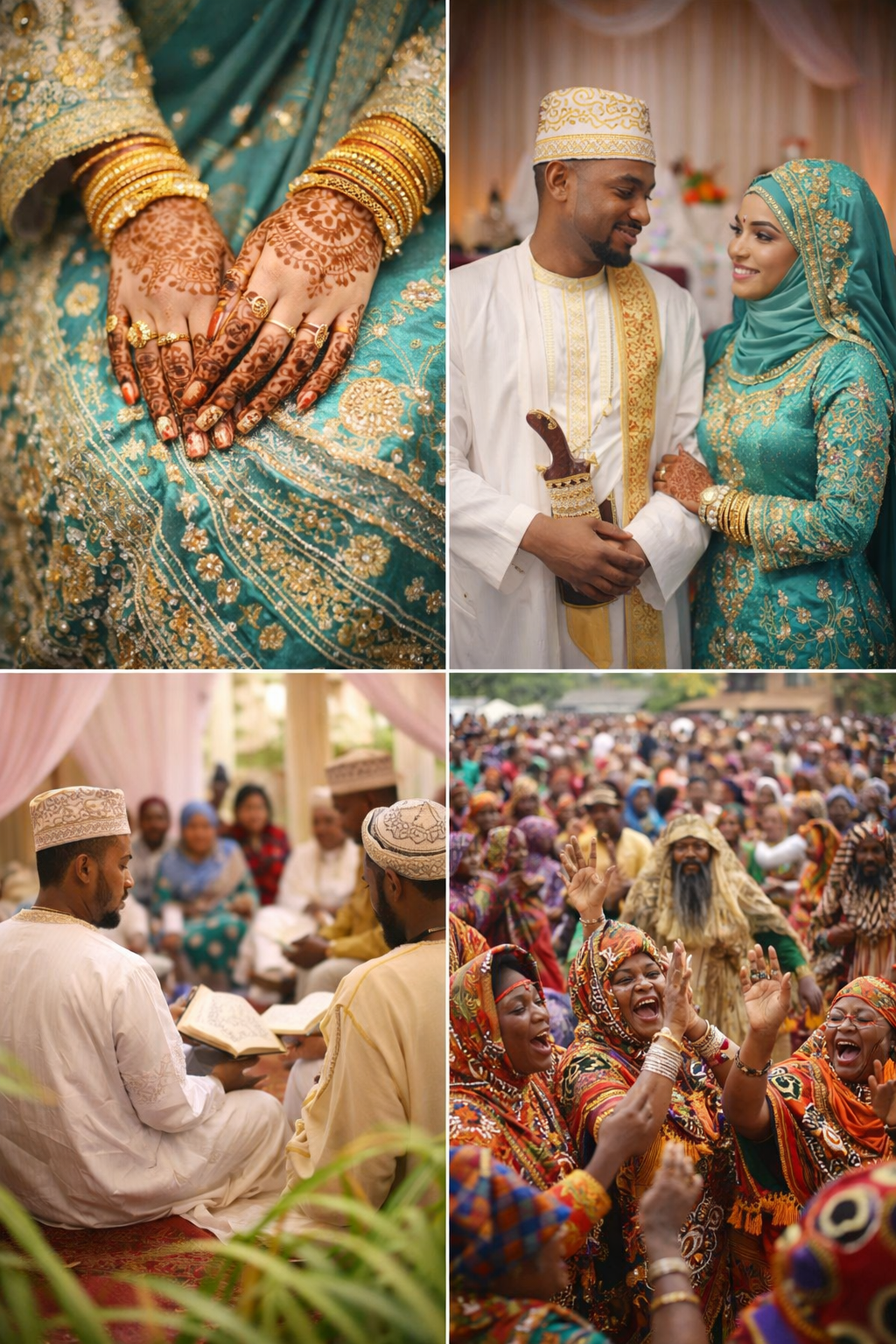
Swahili Traditional Wedding Customs
Swahili weddings, common along the East African coast (Kenya, Tanzania, Zanzibar, and parts of Mozambique), are vibrant, multi-day celebrations that beautifully blend African coastal traditions, Islamic practices, and Arab influences. They emphasize family honor, community participation, modesty, beauty, and joy.
1. Matchmaking & Family Negotiations
Marriages are traditionally family-guided rather than purely individual choices.
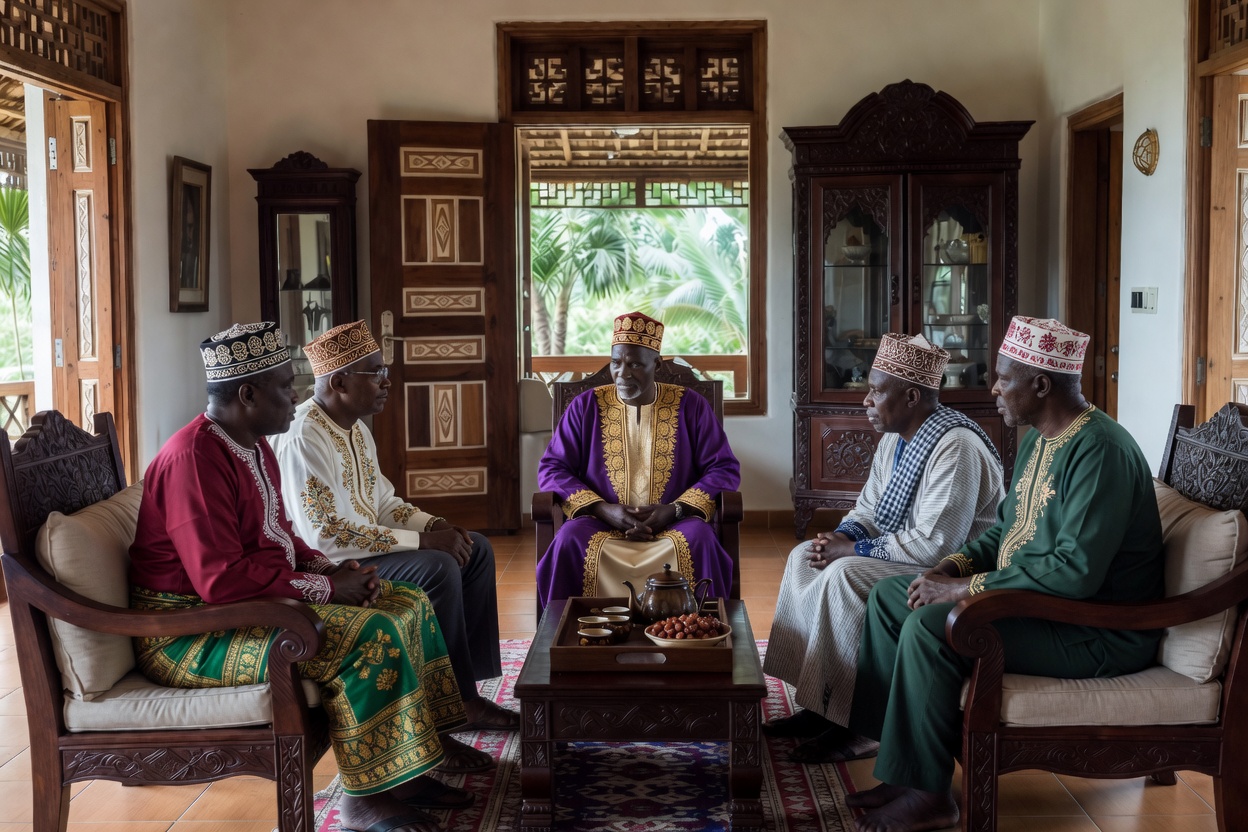
Elders from the groom’s family visit the bride’s family to formally express their intention.
Discussions focus on the couple’s character, family reputation, values, and compatibility.
Great importance is placed on respect, diplomacy, and humility during these visits.
2. Mahari (Bride Price / Dowry)
The groom provides mahari — a symbolic gift to the bride and her family.
It may include money, gold jewelry, clothing, or household items.
Mahari represents the groom’s responsibility and appreciation, not the “purchase” of a bride.
In Islamic Swahili contexts, this is often formalized during the religious marriage contract.
3. Henna Night (Usiku wa Henna)
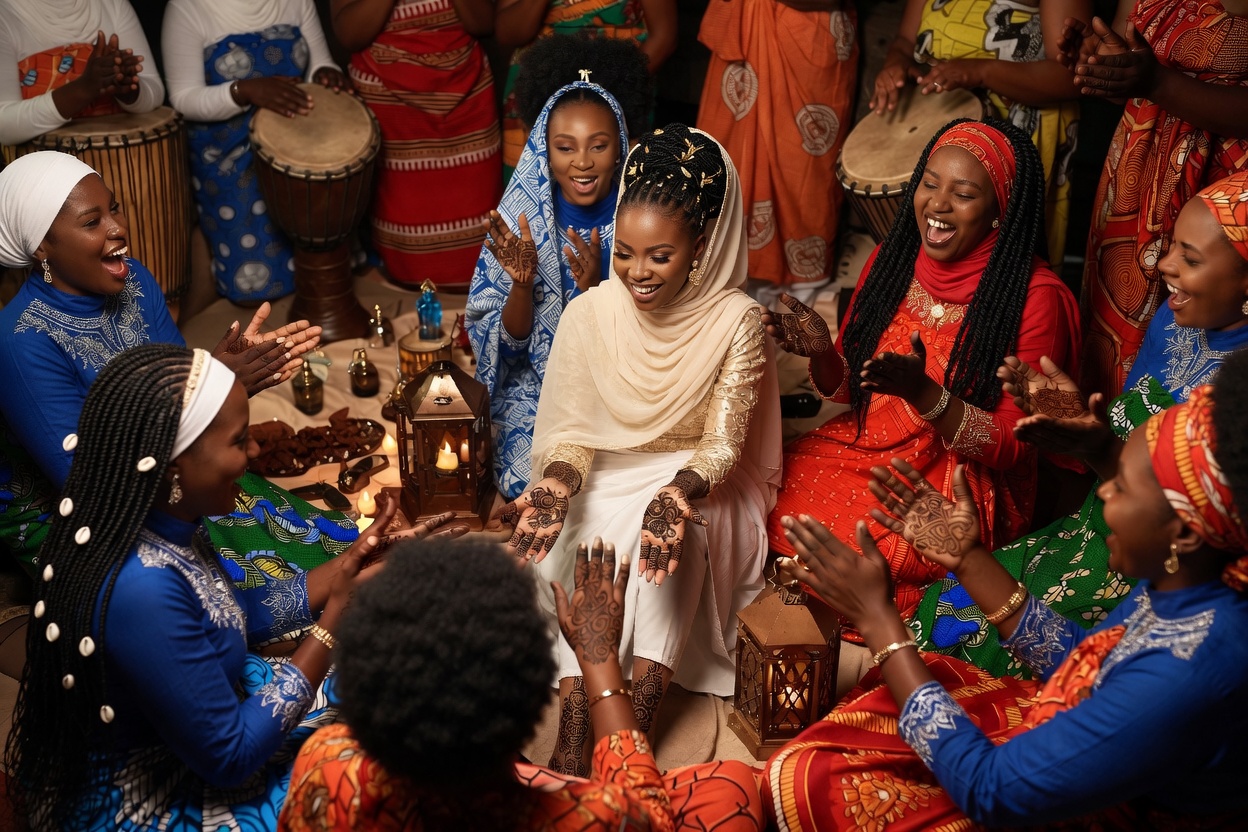
A joyful women-only celebration held the night before the wedding.
The bride’s hands and feet are adorned with intricate henna designs.
Features singing, drumming, dancing, perfume rituals, and wise advice from older women.
Symbolizes beauty, blessings, and the bride’s transition into married life.
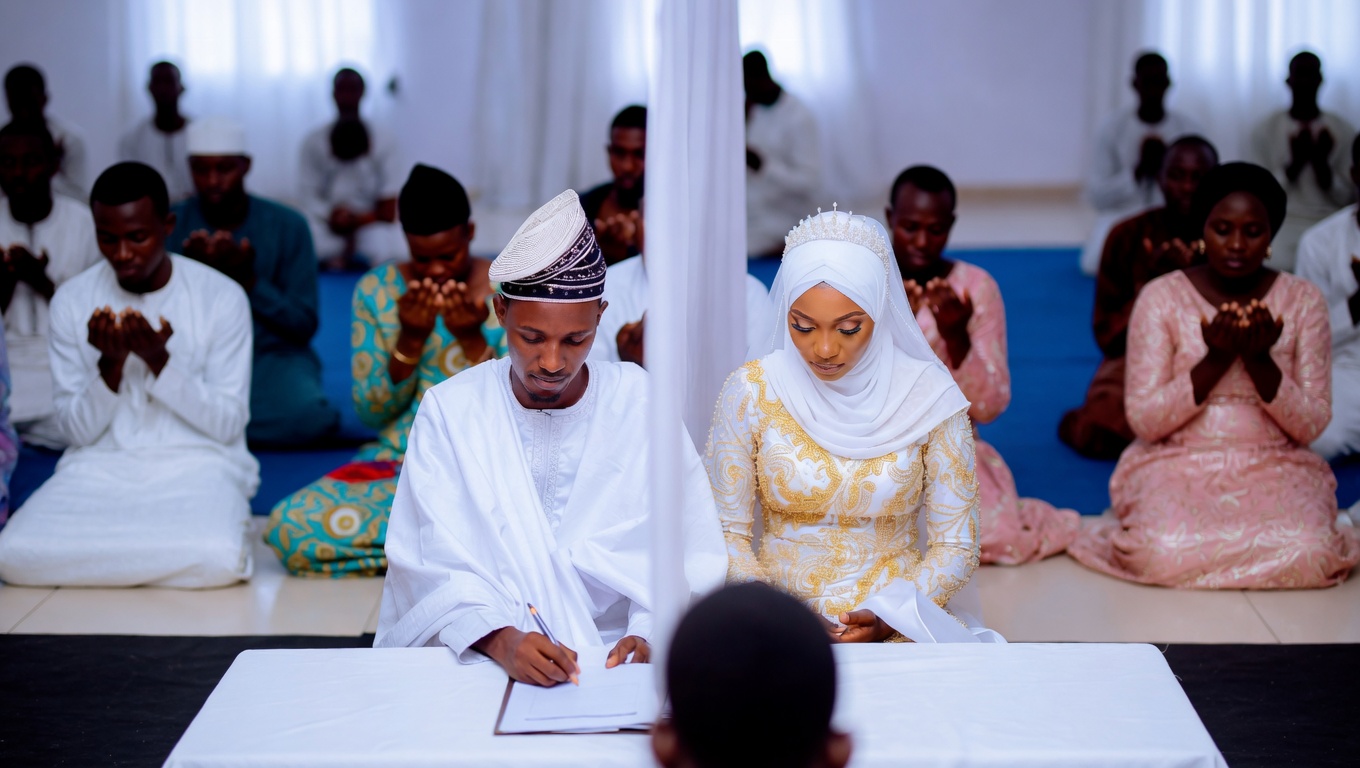
4. Religious Ceremony (Nikkah)
The formal Islamic marriage contract conducted by an imam.
Usually held at a mosque or the bride’s home.
The groom publicly accepts the marriage contract in the presence of witnesses.
Emphasis is placed on modesty, prayer, and the legal/spiritual validity of the union.
5. Traditional Attire
Bride:
Beautiful kanga or kitenge fabrics
Embroidered dresses
Gold jewelry
Head coverings or elegant veils
Groom:
Kanzu (long white robe)
Kofia (embroidered cap)
Sometimes a cloak or sash
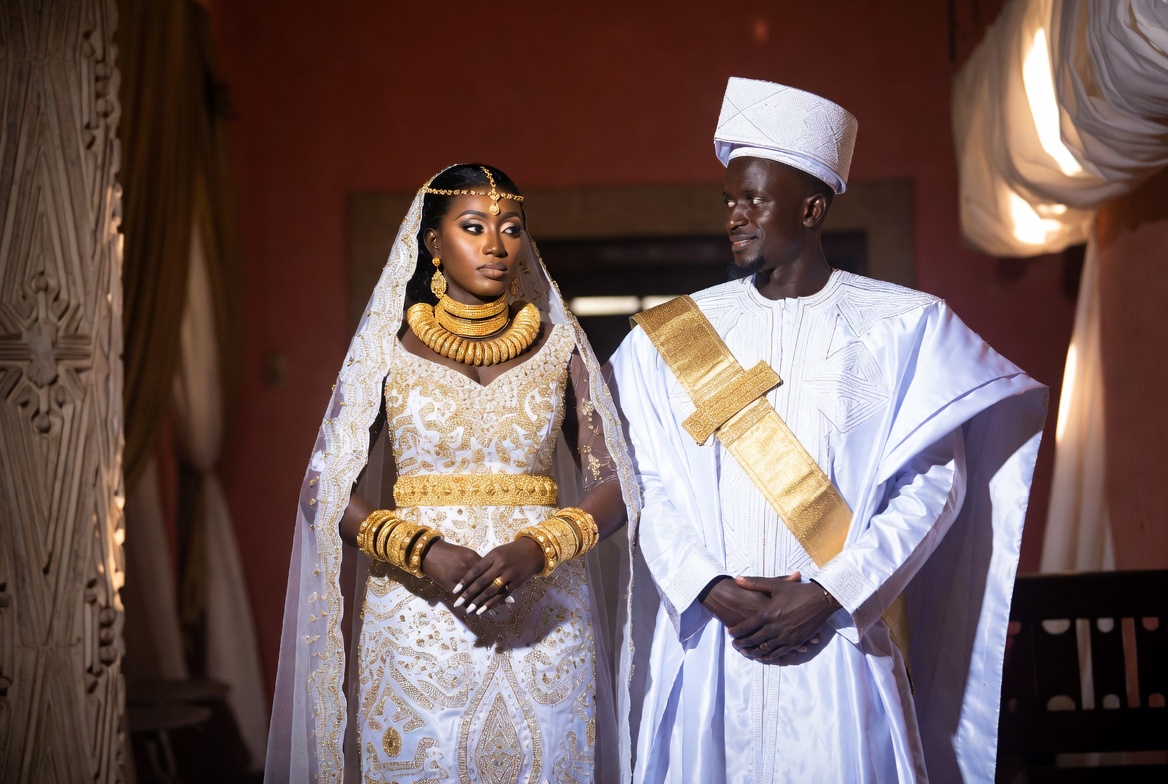
Common colors: White, gold, turquoise, and deep royal tones.
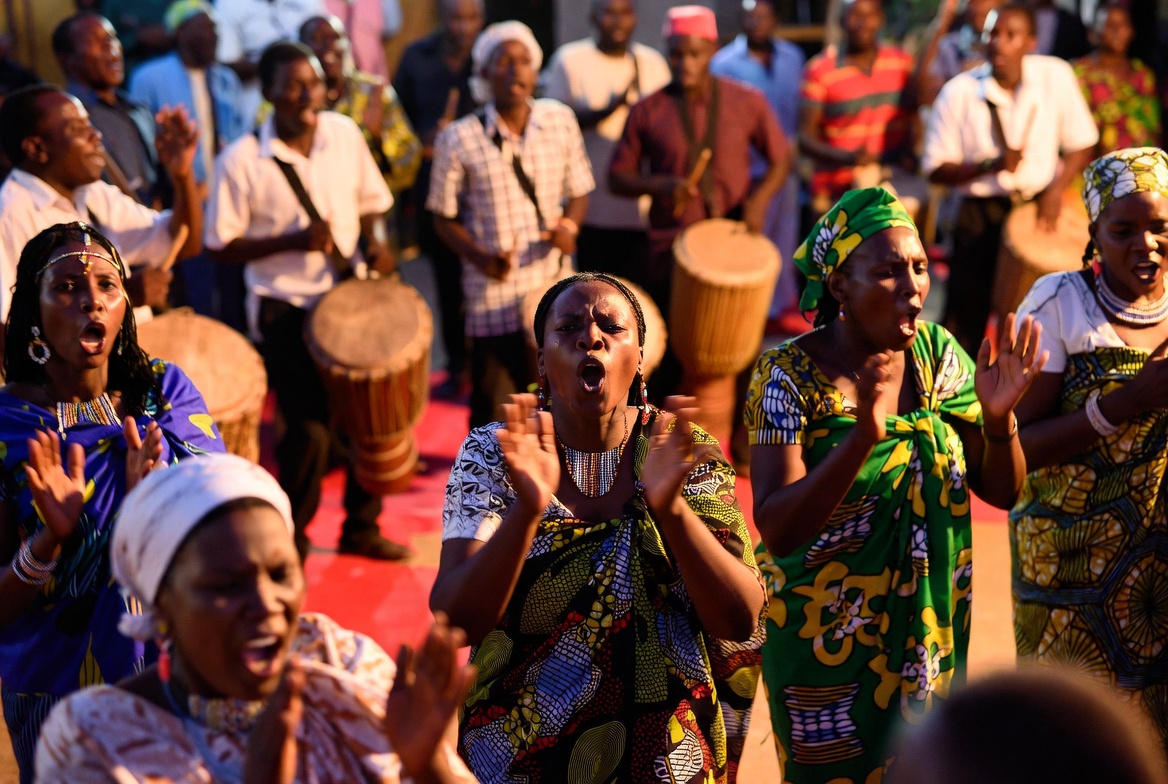
6. Music, Dance & Poetry
Taarab music (a poetic blend of Arab, African, and Indian influences) is central.
Women perform traditional songs offering marital advice.
Drumming, clapping, poetic praise, and ululation (high-pitched celebratory sounds) fill the air.
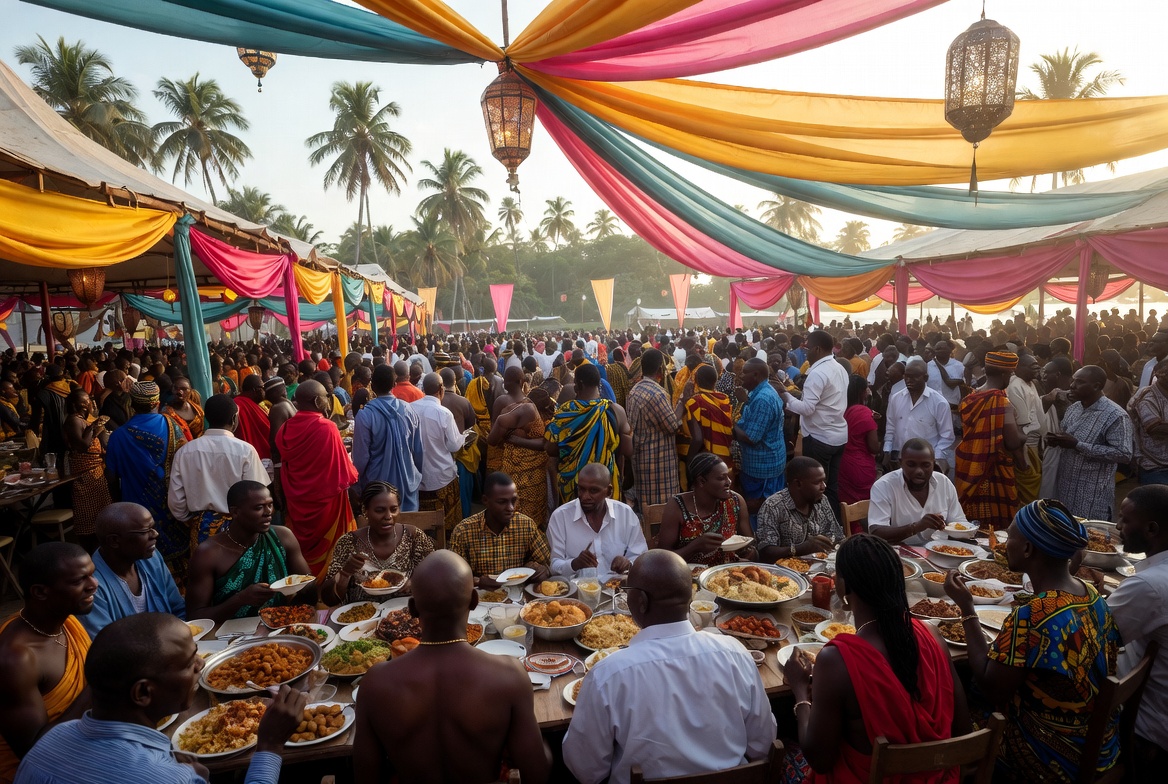
7. Community Feast (Walima)
A grand public reception held after the Nikkah.
Guests enjoy rich Swahili coastal dishes such as:
Pilau or biryani rice
Coconut-based stews
Fried fish
Sweet pastries and spiced tea
Generous hospitality is a major cultural value — feeding guests well is a point of pride.
8. Gender-Separated Celebrations
Many pre-wedding events are gender-separated (women-only or men-only).
This respects Islamic traditions of modesty while allowing free cultural expression through song, dance, and advice.
9. Blessings from Elders
Elders offer prayers, moral guidance, and wisdom to the couple.
These blessings are considered spiritually protective.
Respect for ancestry and elder wisdom remains central throughout the wedding.
Swahili weddings are not just a union of two people — they are a celebration of family, faith, community, and cultural heritage.
المعرض