
The Gion Festival: Japan’s Timeless Celebration of Culture and Community
The Gion Festival – Japan’s Grand Celebration of Tradition
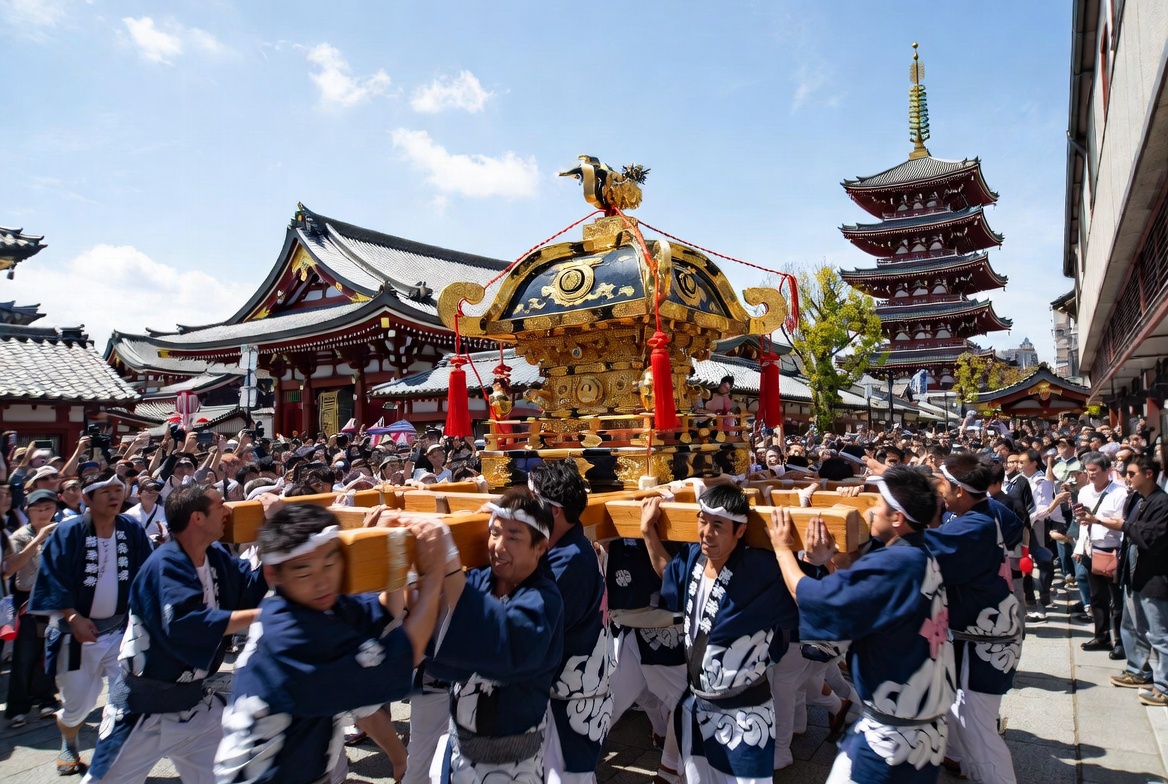
One of the most important and famous cultural festivals in Japan is the Gion Matsuri, a centuries-old celebration held in the historic city of Kyoto. This festival is deeply connected to Japanese spirituality, community unity, and traditional arts.
When the Festival Takes Place
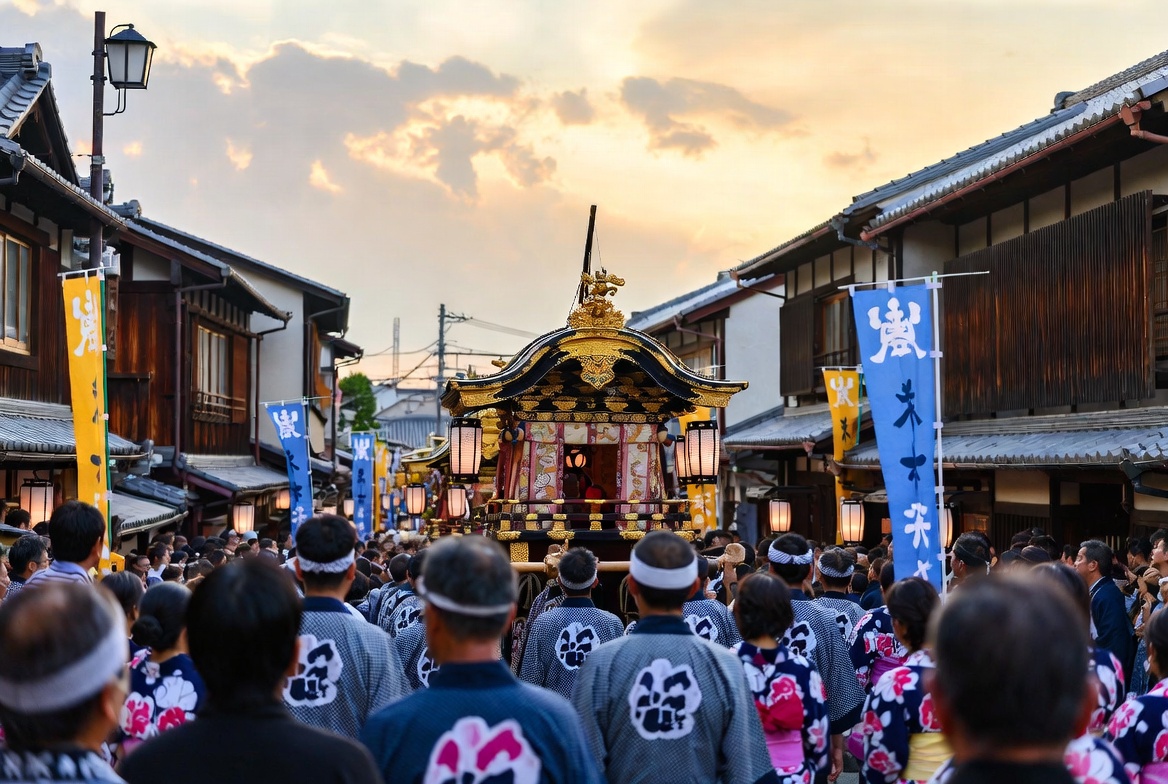
The Gion Festival takes place every year throughout the month of July, with the biggest events happening around:
July 17 – Main Float Procession (Yamaboko Junko)
July 24 – Second Float Procession
The evenings before the parades are especially lively and are known as Yoiyama nights.
Where It Takes Place
The festival is celebrated in:
Kyoto
Most activities happen around:
Downtown Kyoto
Shijo Street
Karasuma Street
Yasaka Shrine
The shrine is considered the spiritual center of the festival.
The History Behind the Festival
The Gion Festival began more than 1,000 years ago during a time when Japan was suffering from disease and epidemics. People believed evil spirits were causing the illnesses, so religious ceremonies were organized to pray for protection and peace.
Over time, the event grew into a major cultural festival that celebrates:
purification,
protection,
gratitude,
and community harmony.
Today, it is one of Japan’s most treasured traditions.
What Happens During the Festival
Massive Float Parades
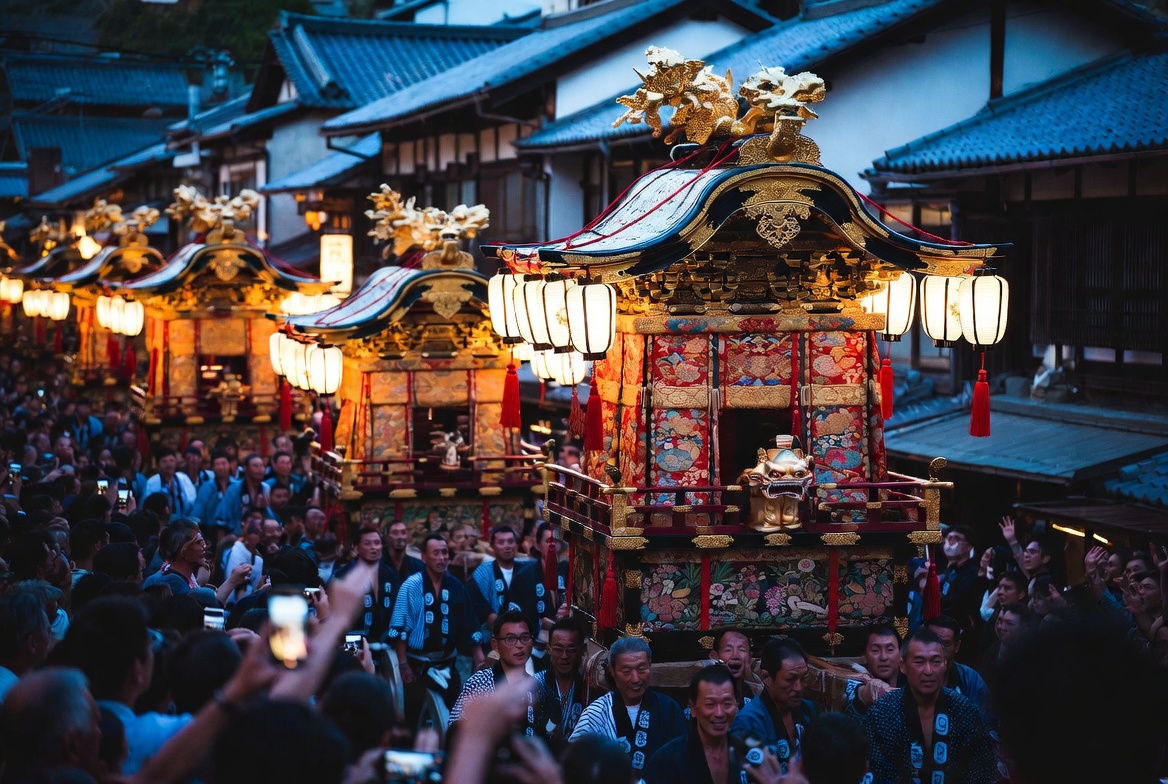
The highlight of the festival is the parade of giant wooden floats called:
Yamaboko
Some floats are as tall as buildings and are beautifully decorated with:
lanterns,
fabrics,
carvings,
and traditional artwork.
Teams of men pull the floats through the streets while musicians play traditional Japanese music.
Traditional Clothing
Many people wear:
Yukata (light summer kimono)
traditional sandals
colorful festival accessories
Families, tourists, elders, and children all participate, making the streets feel joyful and united.
Street Celebrations
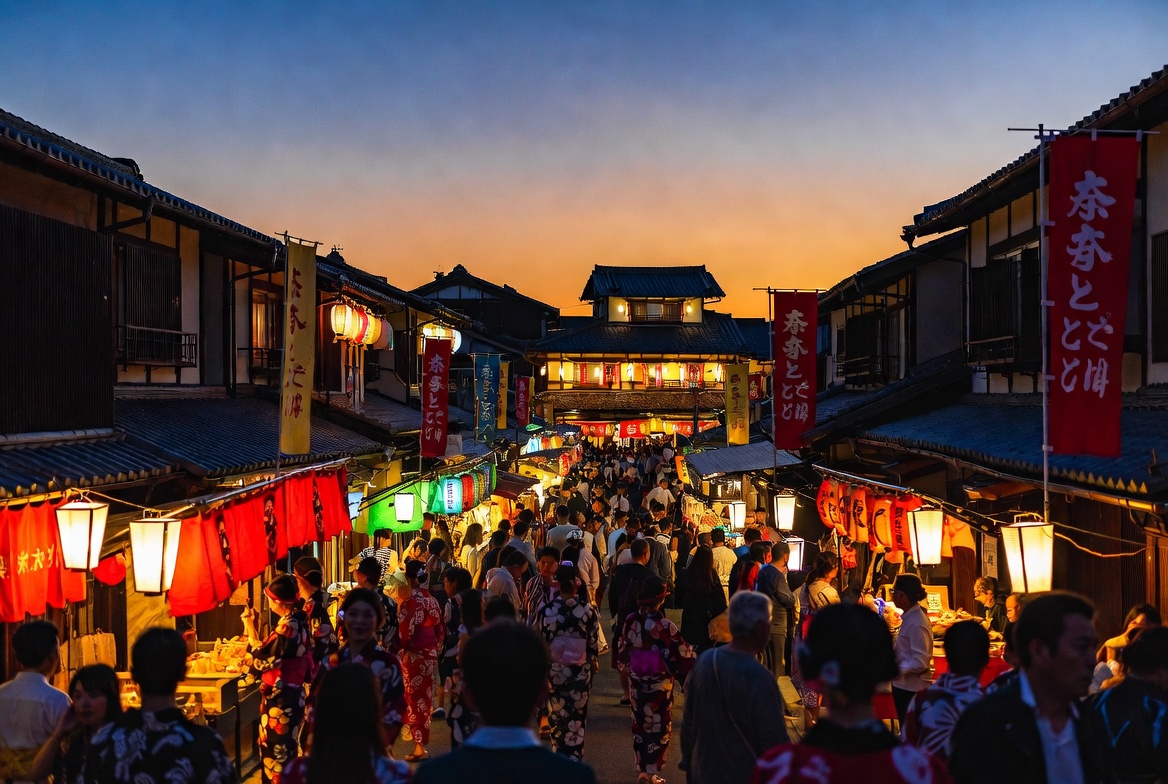
During the evenings:
streets are closed to cars,
lanterns light up the city,
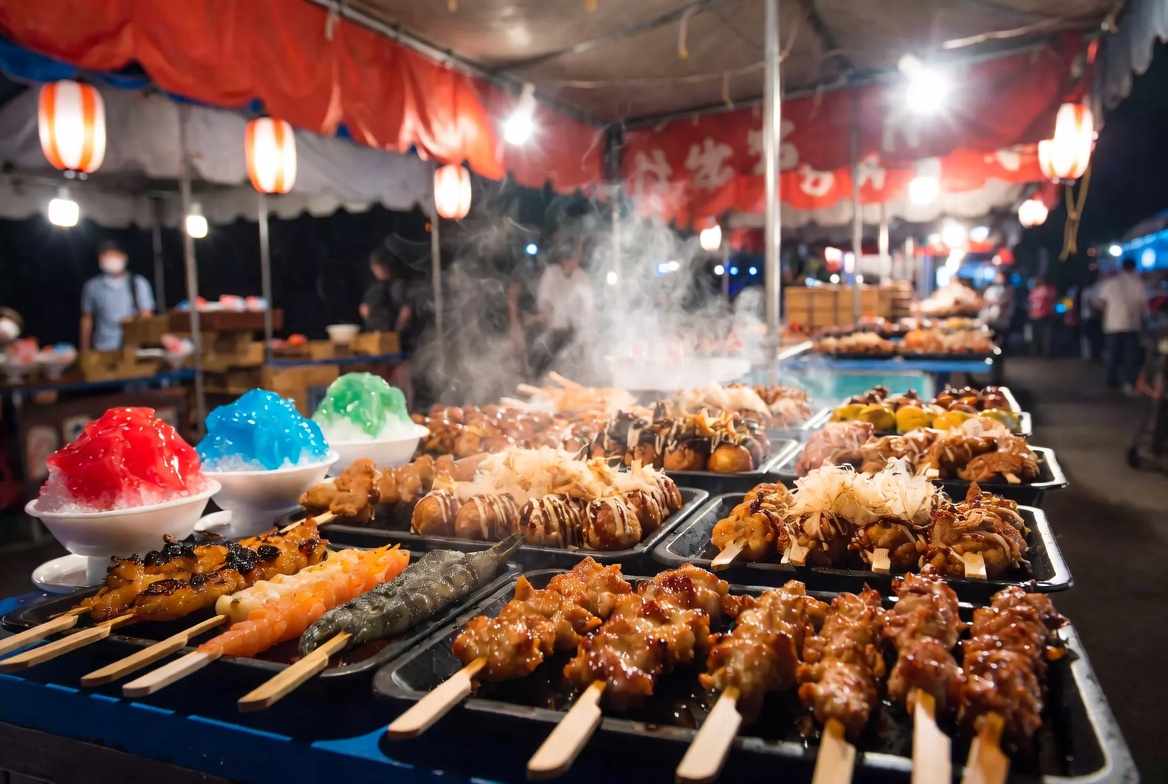
food stalls fill the roads,
and people gather to celebrate.
Popular festival foods include:
grilled seafood,
yakitori,
takoyaki,
shaved ice,
and sweet snacks.
Traditional music and performances can be heard throughout the city.
People Involved in the Festival
The Gion Festival involves almost the entire community, including:
local families,
shrine priests,
musicians,
craftsmen,
dancers,
volunteers,
business owners,
and visitors from around the world.
Many families pass down festival responsibilities from one generation to another, making the celebration a strong symbol of cultural preservation.
Cultural Importance of the Festival
The Gion Festival is important because it represents:
unity,
respect for tradition,
spiritual cleansing,
and community cooperation.
It also helps preserve Japanese traditional arts such as:
float building,
textile decoration,
music,
dance,
and ceremonial practices.
For many Japanese people, the festival is not just entertainment — it is a living connection to their ancestors and cultural identity.
A Special Atmosphere
At night, Kyoto glows with lantern light, music, and the sound of celebration. The mixture of history, spirituality, and joy creates a magical atmosphere that attracts millions of visitors every year.
The Gion Festival remains one of the clearest examples of how Japan continues to honor its traditions while bringing communities together through celebration.