
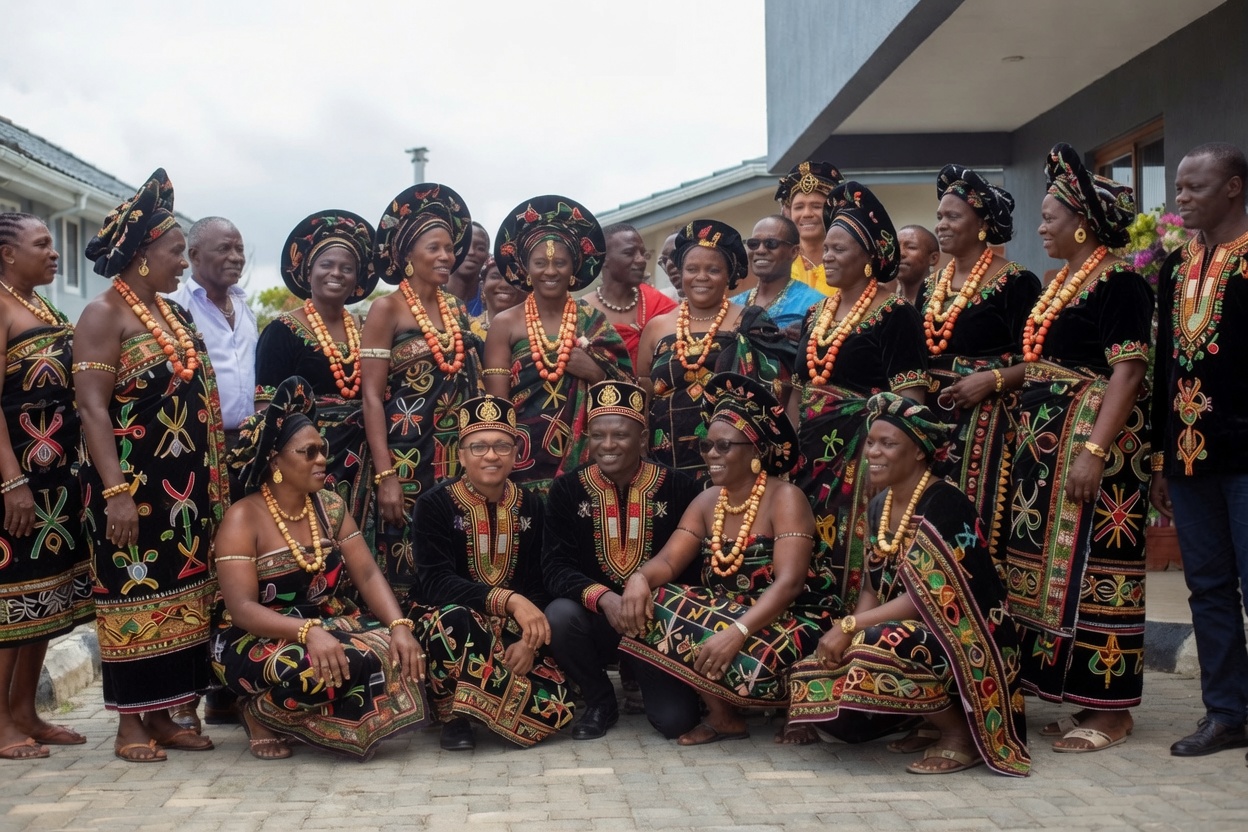
The Mankon Traditional Dance Festival (Abinefo / Abinemfor / Fon's Annual Danc
The Mankon Traditional Dance Festival, often referred to as the Fon's Annual Dance or Abinefo/Abinemfor, is one of the most vibrant and significant cultural events in the Mankon Fondom (Kingdom) in Bamenda, Northwest Region of Cameroon. It is a grand celebration of heritage, unity, leadership, and the rich artistic traditions of the Grassfields people.
When and Why It Happens
The festival typically takes place during the December and New Year period, lasting up to a week. This timing allows many Mankon people living in the diaspora to return home. It provides a rare opportunity for the community to gather at the Fon’s Palace, interact closely with the Fon (traditional ruler), and publicly display and renew their cultural identity.
The event serves multiple purposes:
- Honoring the Fon and the ancestral spirits.
- Strengthening social bonds across quarters and families.
- Showcasing the kingdom’s dance groups, musicians, and masquerades.
- Preserving and transmitting traditions to younger generations.
- Celebrating life, resilience, and communal joy, especially after periods of mourning or during transitions.
Key Features of the Festival
1. Vibrant Dance Performances
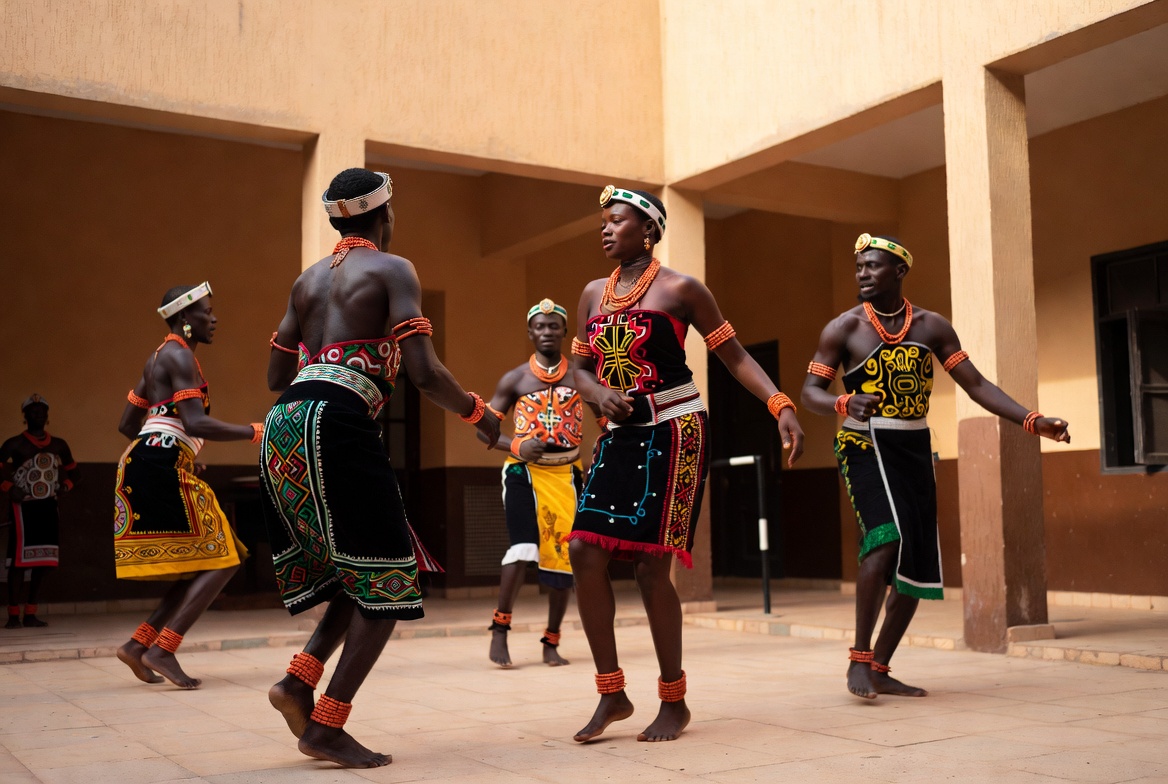
Various dance groups from different quarters of Mankon perform distinctive traditional dances. Notable ones include:
- Mbaghalum (Mbaglum) — A powerful, energetic dance often performed by the Fon himself and elite groups, featuring intricate footwork, coordinated movements, and strong percussion. It symbolizes strength, elegance, and royal authority.
- Akoh Njang, Feudzong, Akamakoum, and other juju/masquerade dances — These blend athleticism, rhythm, and theatrical elements, with performers in colorful costumes, beads, feathers, and headdresses.
- Women’s dances and mixed performances that emphasize grace, unity, and storytelling through movement.
Drumming is central — complex rhythms from talking drums, double gongs (nkoem), and other traditional instruments drive the energy. Xylophones and flutes add melodic layers.
2. Traditional Attire and Regalia
Participants wear elaborate Grassfields outfits:
- Toghu (colorful embroidered or beaded cloths).
- Beaded bags, cowrie shell decorations, coral beads, and royal headdresses.
- Men often carry staffs or whisks; women wear matching wrappers and head ties. The Fon and notables appear in full royal regalia, reinforcing hierarchy and ancestral links.
3. Palace-Centered Celebrations
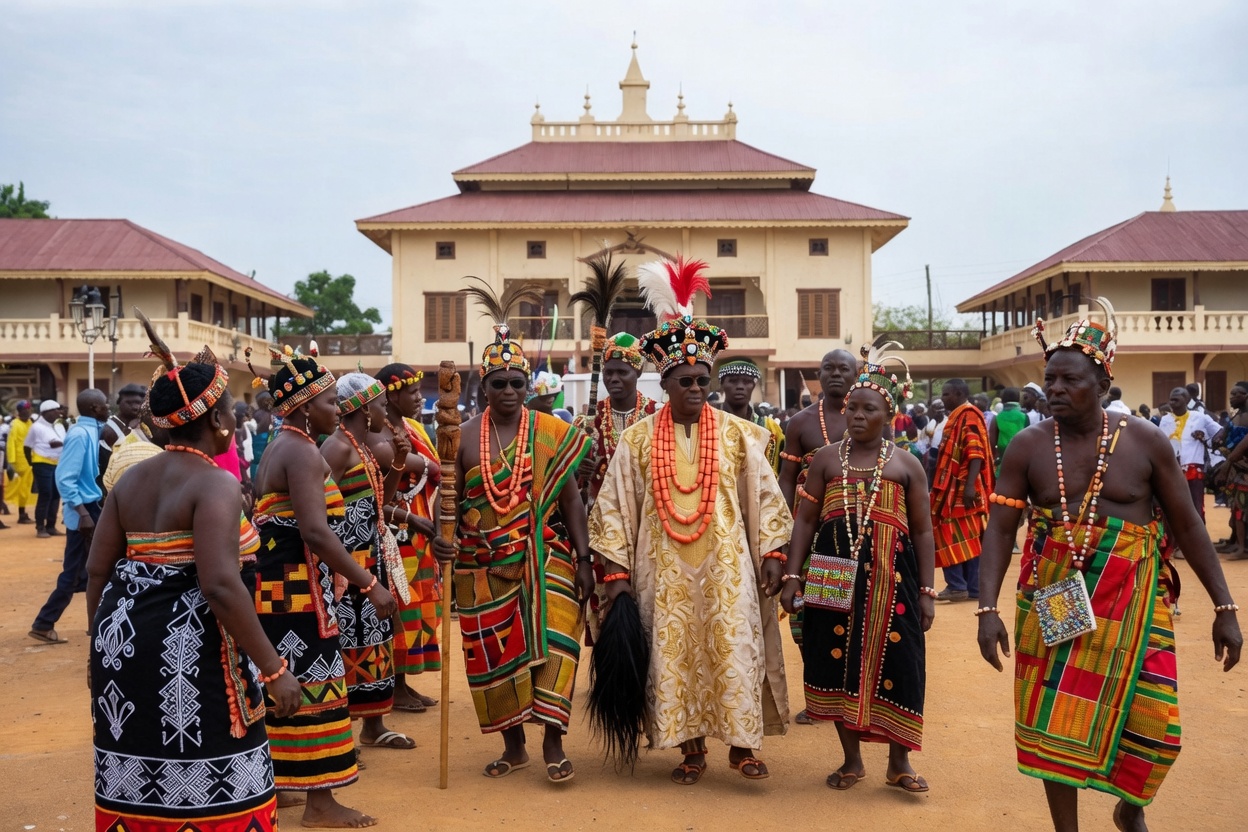
The Fon’s Palace becomes the focal point. Events include processions, libations, blessings, feasting (including dishes like Achu), and public interactions with the Fon. Dance groups perform in the palace grounds, creating a spectacular, colorful atmosphere of music, movement, and community.
4. Masquerades and Cultural Display
Masquerades (jujus) representing ancestral spirits or social roles add mystery and spiritual depth. The festival blends solemn respect for tradition with joyful, energetic celebration.
Cultural Significance
The Mankon Dance Festival is more than entertainment — it is a living affirmation of identity in the face of modernity. It:
- Reinforces loyalty to the Fon and the fondom’s institutions (like the Kwifor council).
- Promotes unity among the amalgamated groups that form Mankon.
- Educates youth through participation and observation.
- Attracts visitors and diaspora members, boosting cultural pride and sometimes local development.
In a broader sense, it exemplifies the Grassfields philosophy that culture is performed and renewed collectively — through rhythm, color, and shared presence.
The festival continues to evolve while staying rooted in ancestral values. Videos and performances by groups like AKOH NJANG and others now reach global audiences, helping preserve Mankon heritage for future generations.