
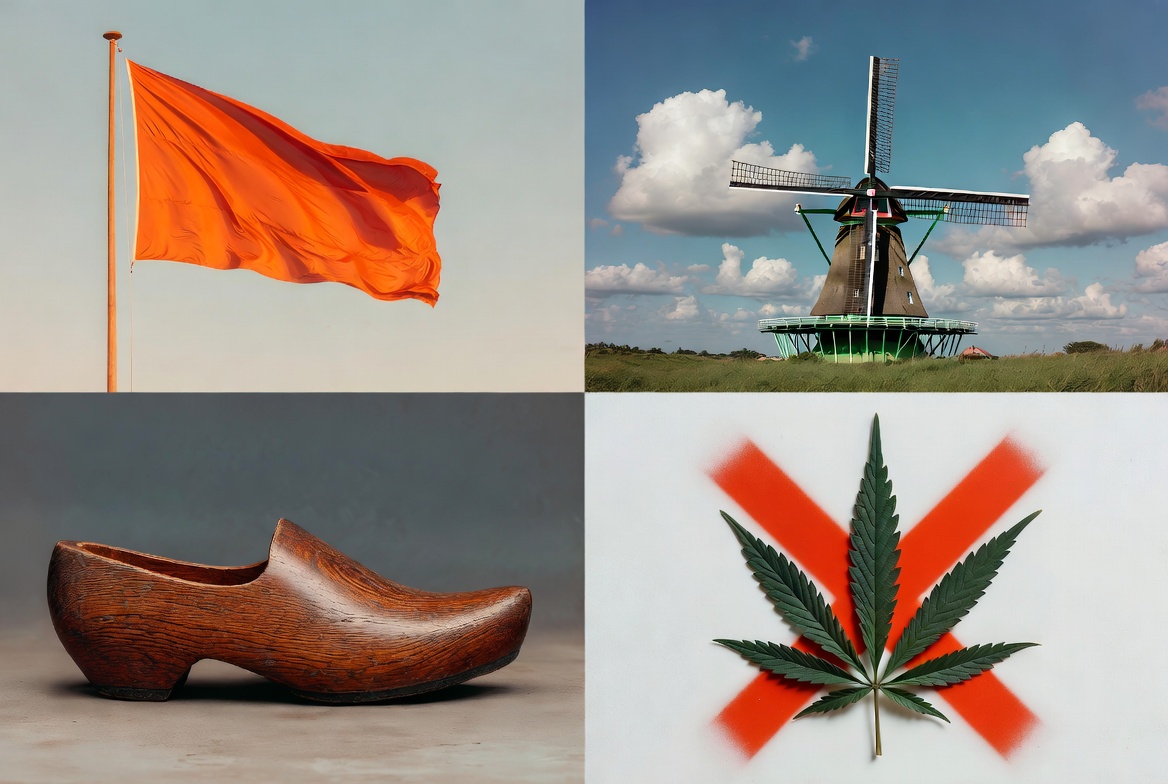
Dutch Cultural Symbols & Meanings: A Tourist's Guide to Being Orange and Direct
NetherlandsDutchWillemstad
The Netherlands has symbols on flags, canals, and even on cookies. Knowing them helps tourists understand Dutch pride and avoid awkward moments.
1. Dutch Flag (Nederlandse Vlag):
Design
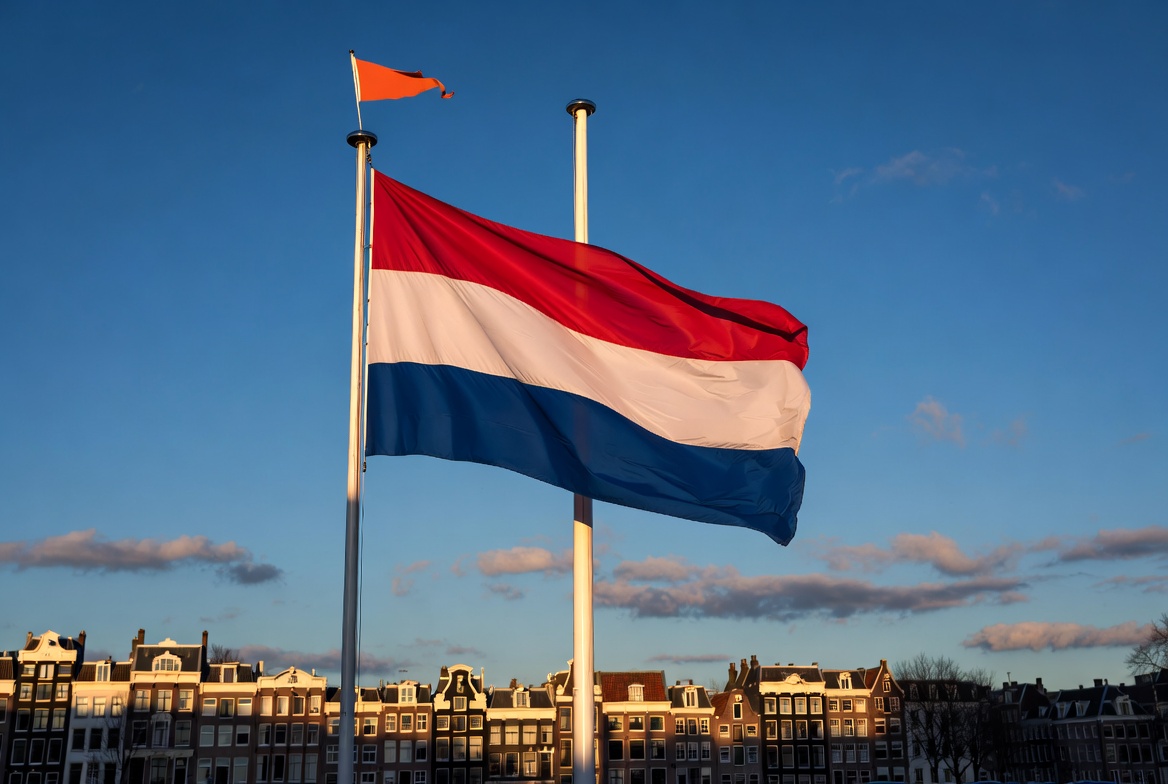
- Red, white, and blue horizontal stripes — the oldest tricolor still in continuous use (since 1572).
Symbolism:
- Red represents courage, white represents peace, and blue represents loyalty.
Flag Etiquette:
- Never allow the flag to touch the ground.
- Flying the flag at night requires illumination.
Official Flag Days:
- King’s Day (April 27): orange pennant (oranje wimpel)
- Remembrance Day (May 4): flown at half‑mast
- Liberation Day (May 5)
Orange Pennant:
A long, thin orange pennant is added on royal family birthdays and other celebrations connected to the House of Orange.
2. Windmill (Molen)
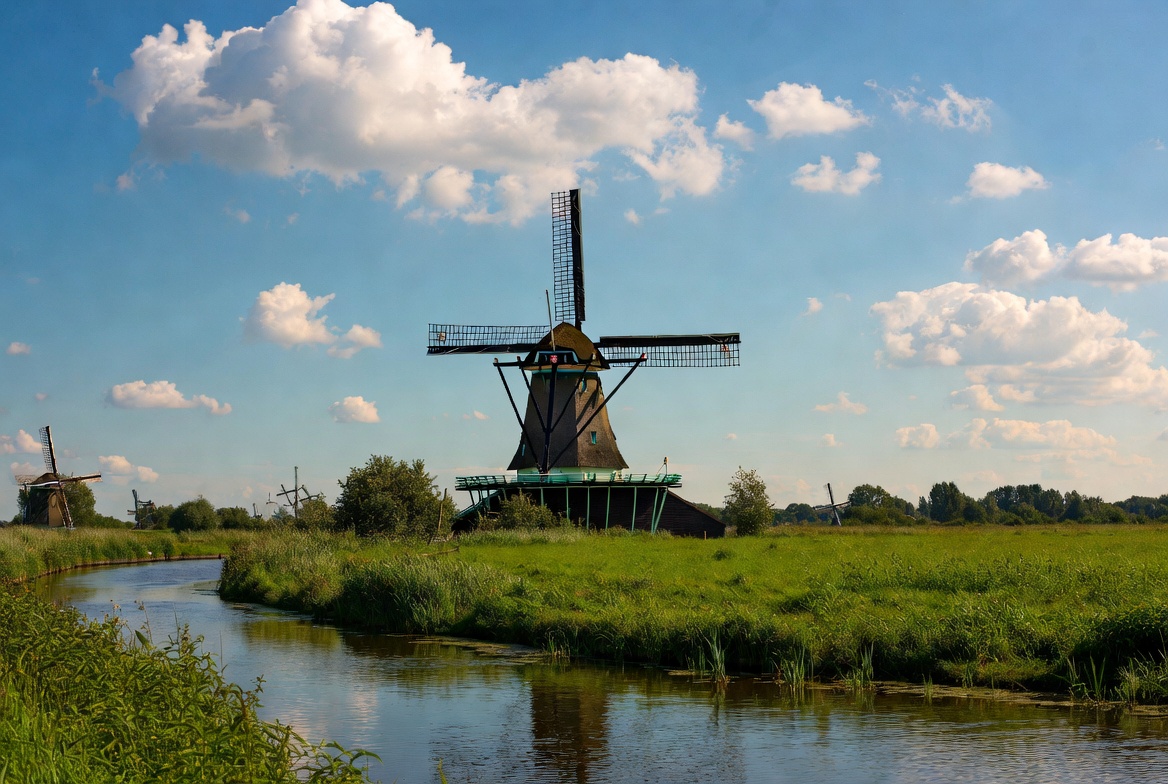 Symbol of Dutch water management (pumped water from lowlands)
- Over 1,000 windmills still standing in Netherlands
- UNESCO World Heritage Site: Kinderdijk (19 windmills)
- Also used for grinding grain, sawing wood, making paint
- Windmill blades position communicates messages (resting, mourning, celebrating)
- Never climb on windmill blades (dangerous and disrespectful)
3. Wooden Shoe (Klomp)
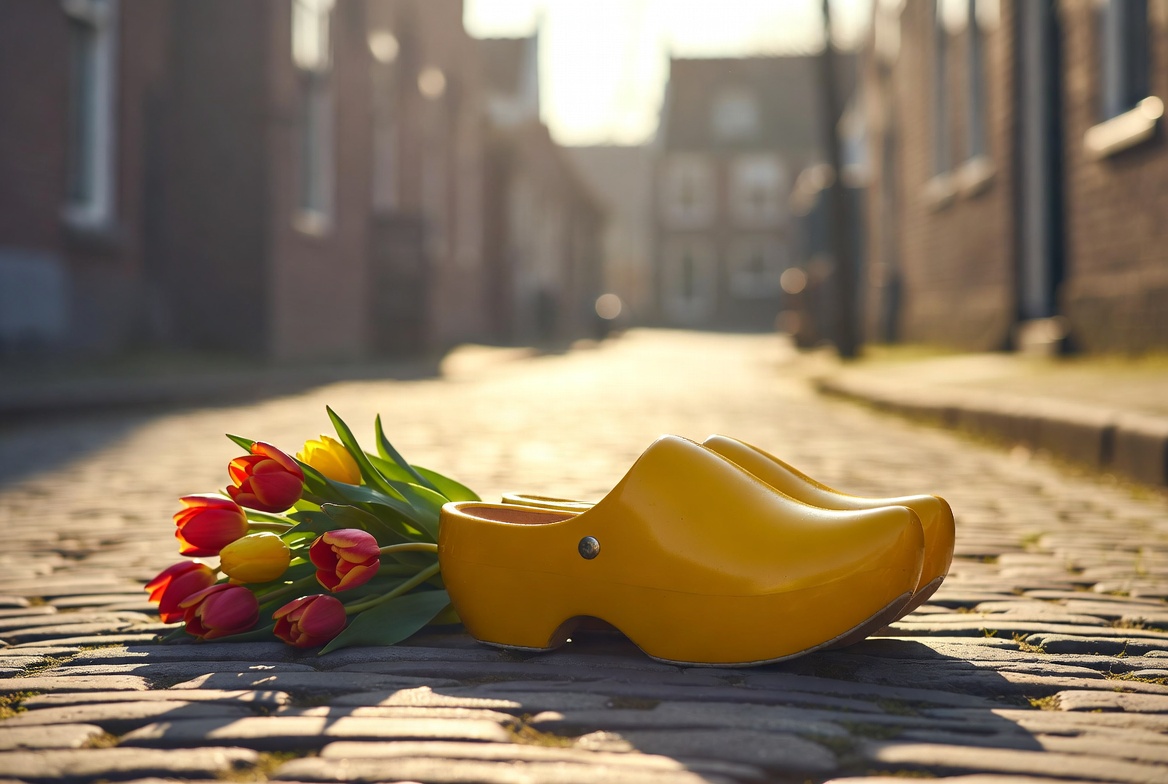 Traditional Dutch footwear (worn since 1200s)
- Made from poplar or willow wood (lightweight)
- Symbol of Dutch practicality (protects feet in wet, muddy fields)
- Also worn in gardens (protection from thorns, wet grass)
- Now mostly worn by tourists and farmers
- Some Dutch still wear wooden shoes at home (free slippers)
4. Cannabis Leaf (Blad)
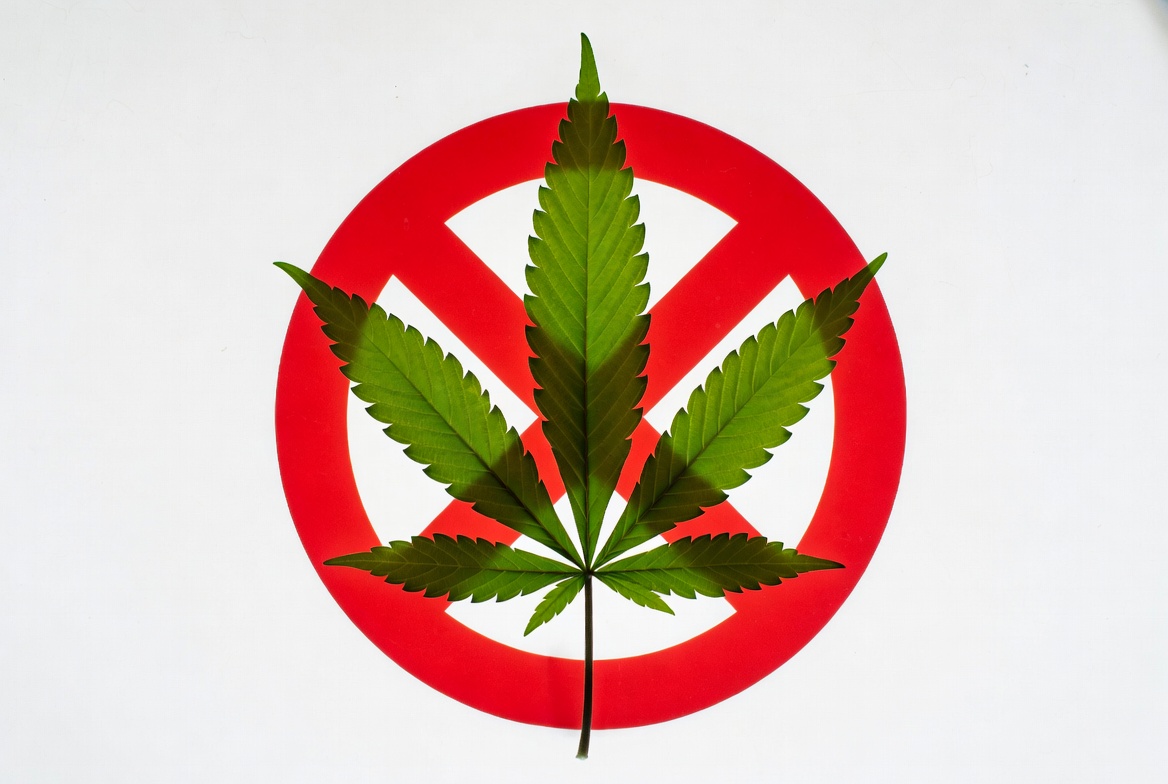 Marijuana is illegal in Netherlands (yes, illegal)
- But decriminalized (small amounts tolerated)
- Only sold in licensed coffee shops (not coffee, weed)
- Tourists think weed is legal everywhere (it is not)
- Smoking in public can get 100 euro fine (outside coffee shops)
- Never drive after smoking (strict DUI laws)