
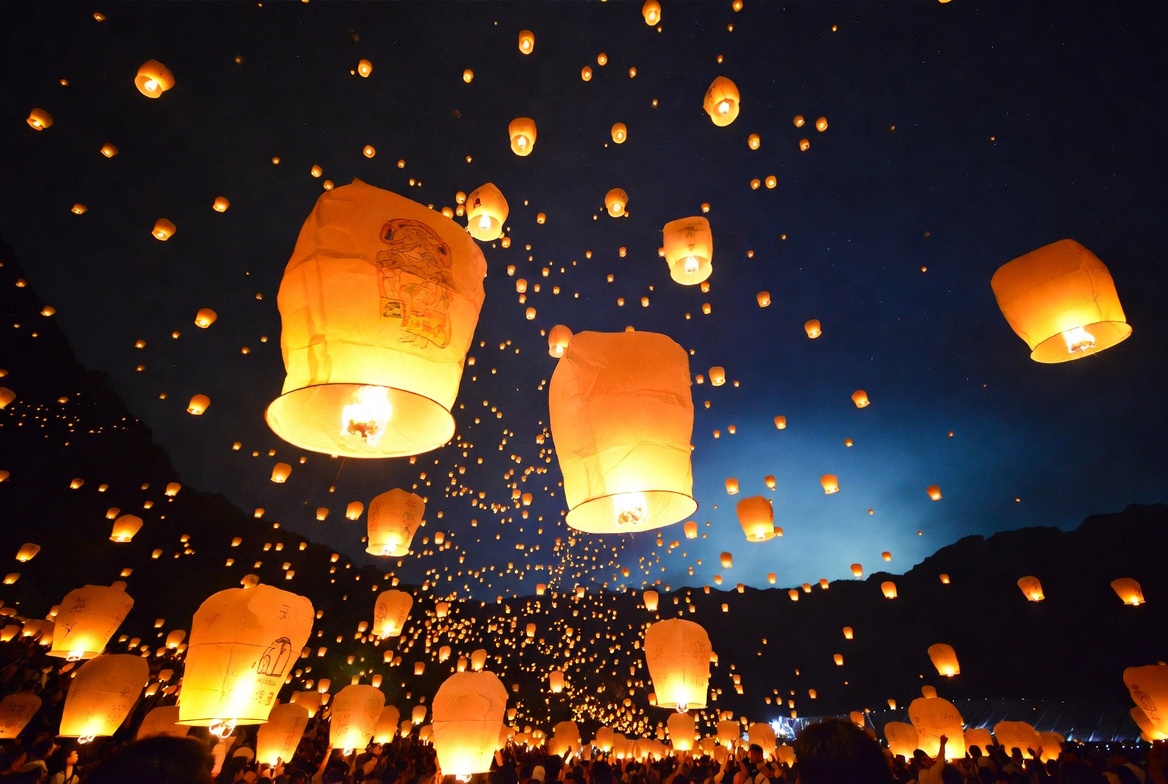
Important Festivals Celebrated in Taiwan
Taiwan has a rich blend of traditional Chinese, local, and modern festivals. Here are the most significant ones:
1. Lunar New Year (Chinese New Year) – 農曆新年
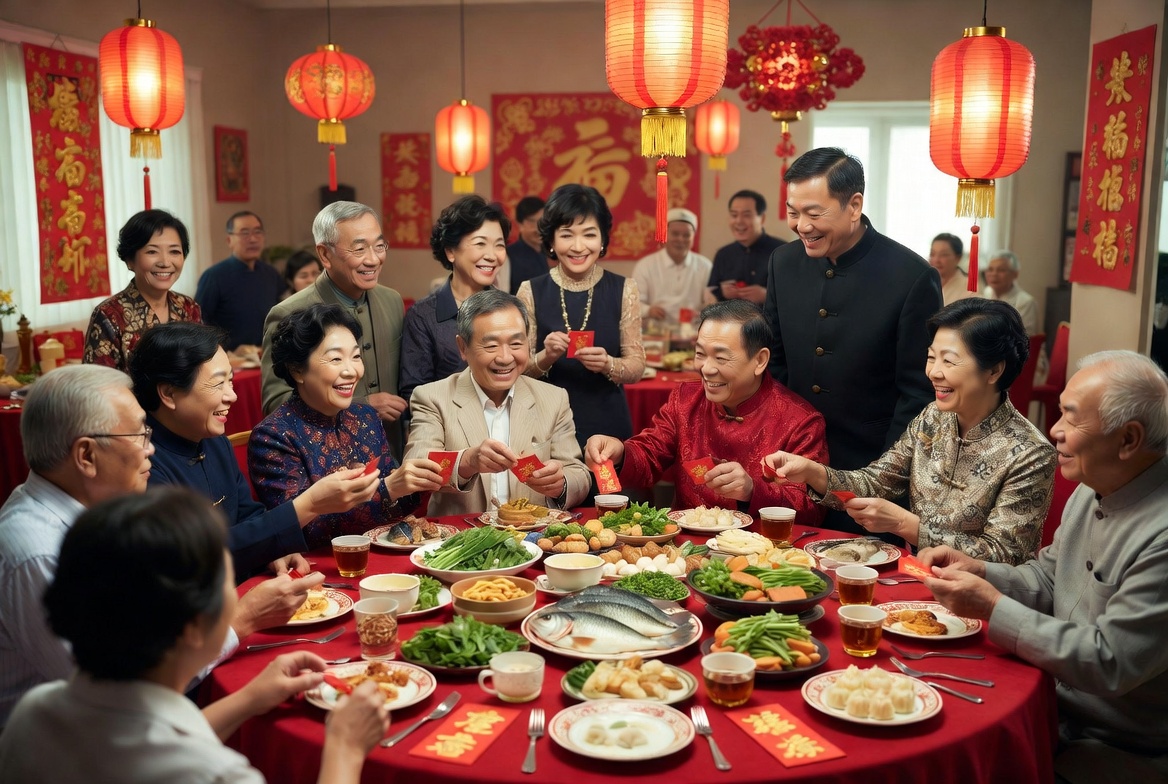
When: First day of the lunar calendar (usually late January or February).
Significance: The biggest festival of the year — a time for family reunion, cleaning away the old year, and welcoming good fortune.
How it’s celebrated: Reunion dinners, giving hong bao (red envelopes), temple visits, fireworks, dragon/lion dances, and traveling back to hometowns.
2. Mid-Autumn Festival – 中秋節
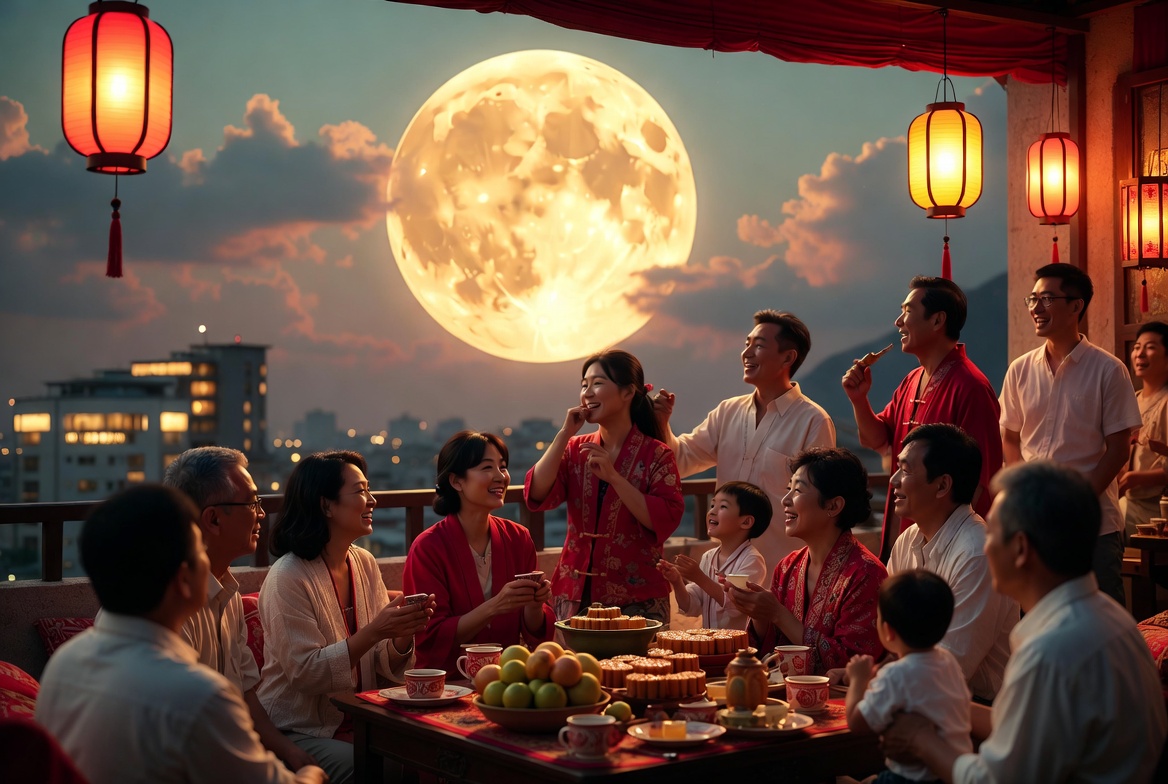
When: 15th day of the 8th lunar month (usually September).
Significance: Celebrates the full moon, harvest, and family unity. Rooted in the legend of Chang’e.
How it’s celebrated: Eating mooncakes, pomelos, and barbecuing outdoors; lantern lighting; rooftop or park gatherings to admire the moon.
3. Dragon Boat Festival – 端午節
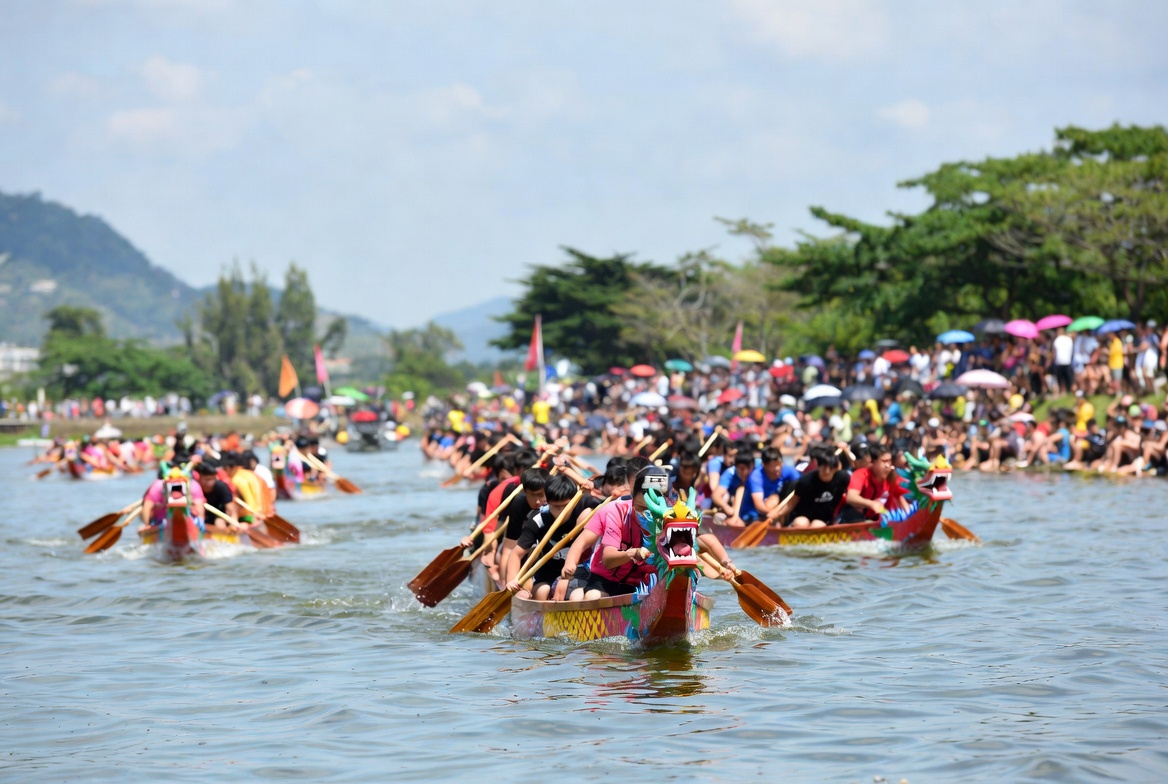
When: 5th day of the 5th lunar month (usually June).
Significance: Commemorates the poet Qu Yuan and wards off evil spirits during summer.
How it’s celebrated: Dragon boat races, eating zongzi (sticky rice dumplings), hanging mugwort, and drinking realgar wine.
4. Lantern Festival (Yuanxiao Festival) – 元宵節
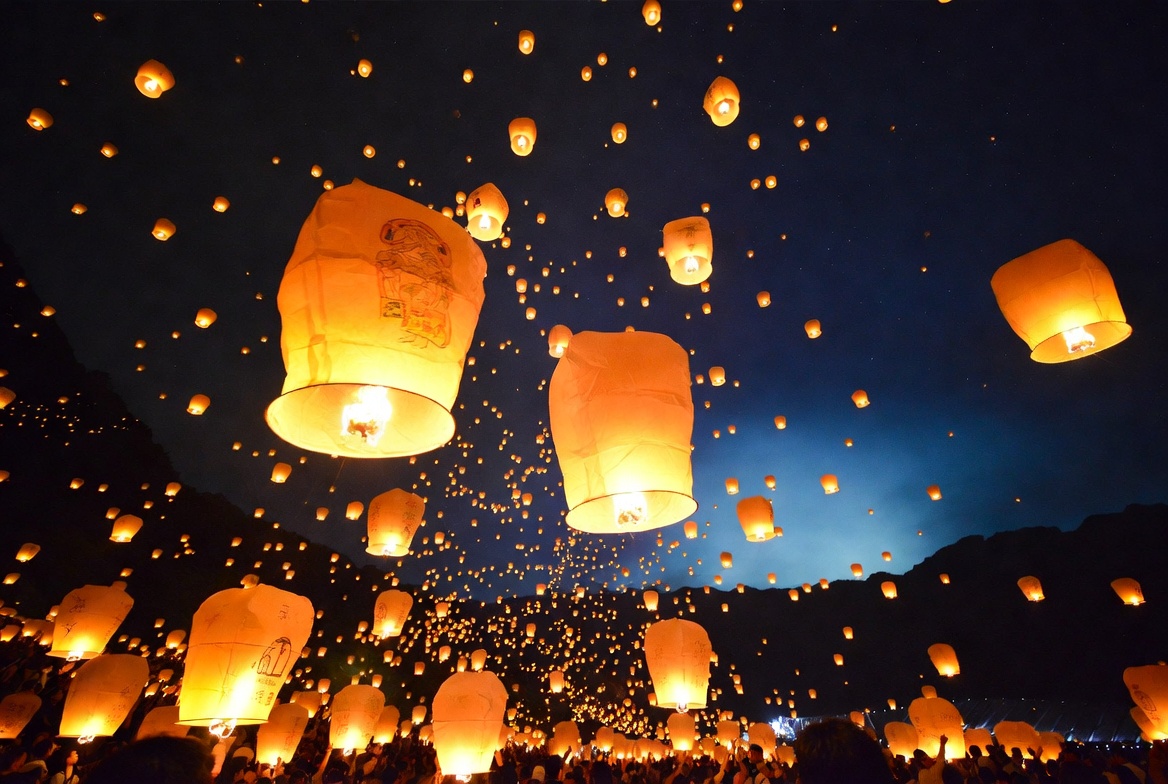
When: 15th day of the first lunar month (end of Lunar New Year).
Significance: Marks the end of New Year celebrations and symbolizes hope and new beginnings.
How it’s celebrated: Releasing sky lanterns (especially in Pingxi), solving riddles on lanterns, eating tangyuan (sweet rice balls).
5. Tomb-Sweeping Day (Qingming Festival) – 清明節
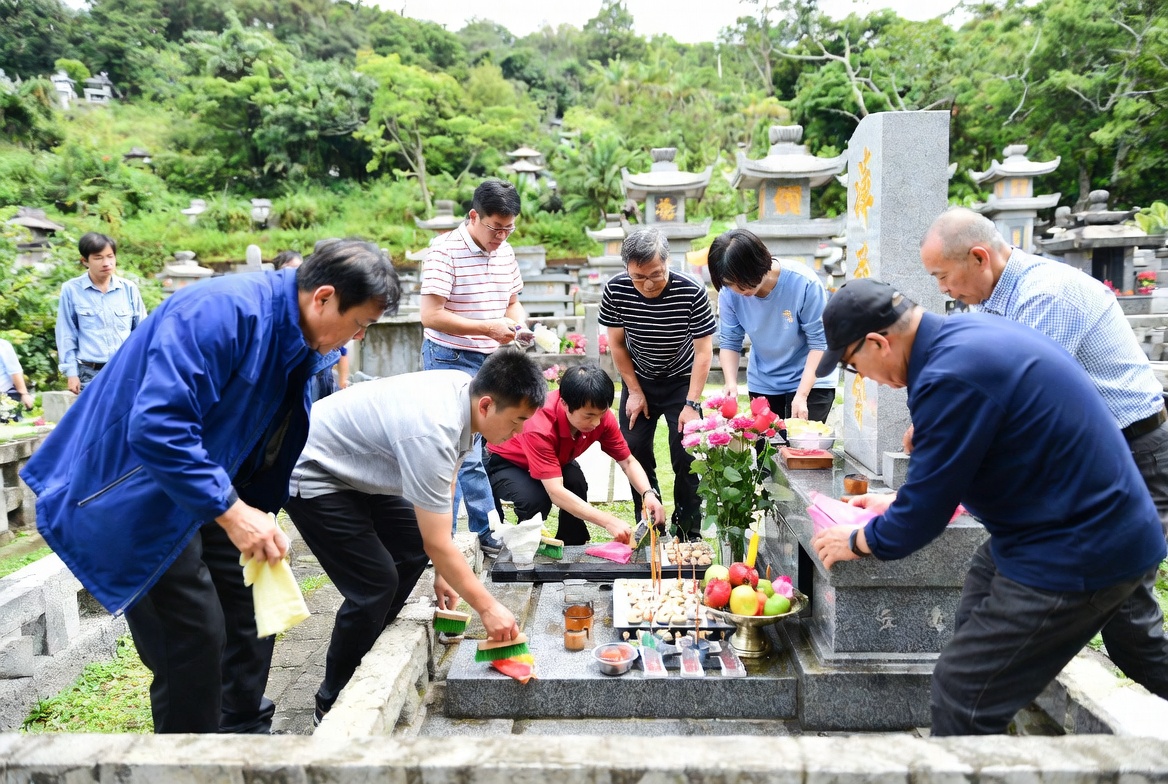
When: Around April 5.
Significance: A day to honor ancestors and remember the deceased.
How it’s celebrated: Families visit graves, clean them, offer food and flowers, and fly kites.
6. Ghost Festival (Zhongyuan Festival) – 中元節
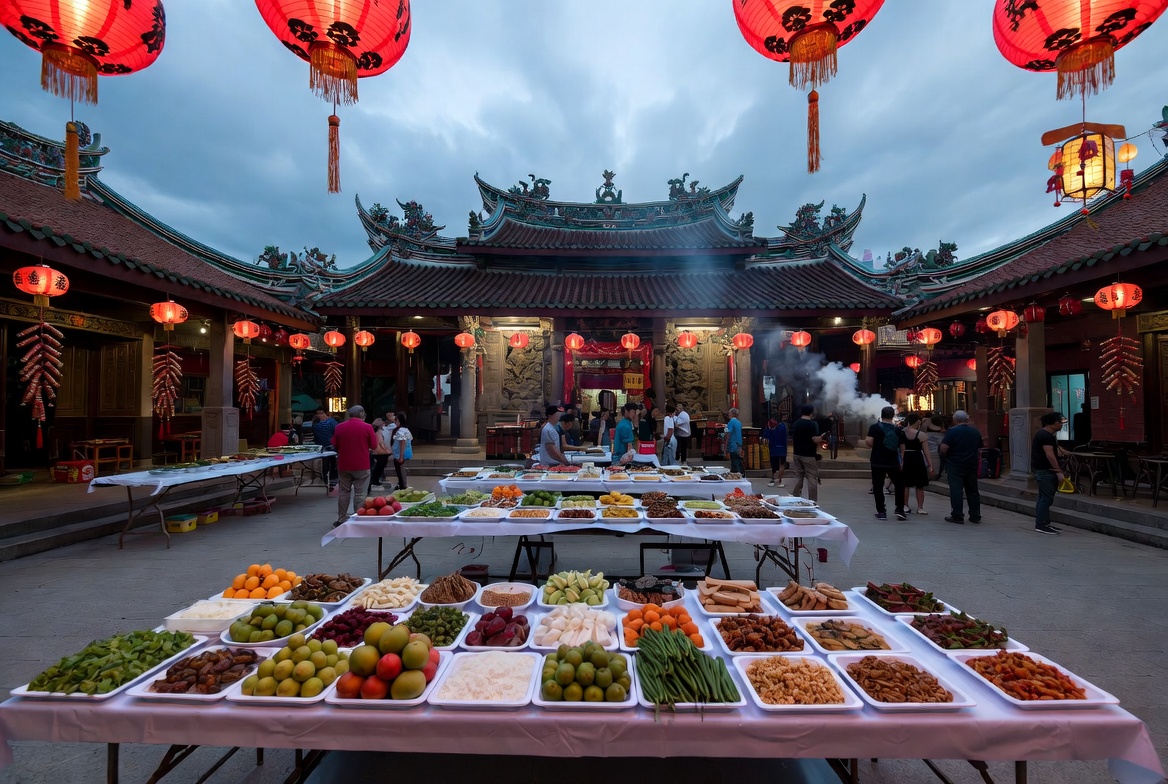
When: 15th day of the 7th lunar month (usually August).
Significance: The gates of the underworld open; spirits visit the living.
How it’s celebrated: Offering food, burning joss paper, releasing water lanterns, and holding temple rituals.
These festivals deeply reflect our values of family, respect for ancestors, gratitude, and harmony with nature. Many blend Buddhist, Taoist, and folk traditions.