
Most Important Festivals Celebrated by Russians
Russian festivals blend Orthodox Christian roots, Soviet-era traditions, and ancient pagan customs. Expect big family gatherings, abundant food, toasts, music, and a mix of solemn and joyful celebrations.
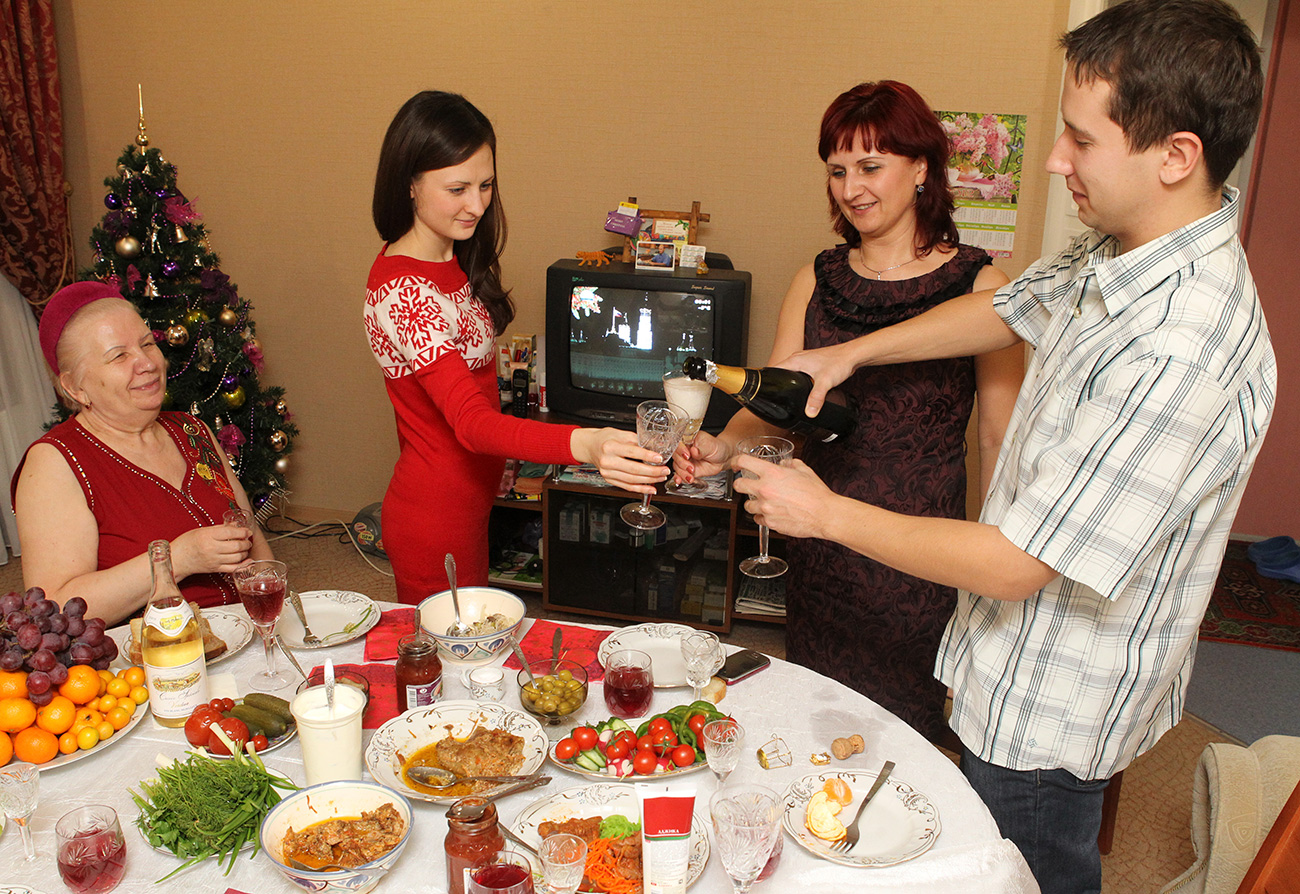
New Year’s Eve (31 December – Novy God): The biggest and most festive holiday. Families decorate fir trees, enjoy lavish dinners with Olivier salad and champagne, watch the Kremlin chimes at midnight, exchange gifts, and set off fireworks.
CulturalSignificance
- Symbolizes new beginnings, hope, and renewal.
- Celebrates family unity through lavish dinners, gift-giving, and fireworks.
- Blends pre-Christian winter traditions with modern celebrations (Kremlin chimes, Ded Moroz).
- Represents optimism and togetherness as the country enters a new year.
Maslenitsa (Butter Week, February/March): A lively week-long farewell to winter with endless blini (pancakes), games, sleigh rides, and burning a straw effigy. Bright, fun, and full of folk traditions.:max_bytes(150000):strip_icc()/Blini-FT-RECIPE1024-f5e3aaac99f6402ba7430e103ddb02f8.jpeg)
Cultural Significance
- Symbolizes joy, renewal, and forgiveness before Lent.
- Famous for blini (pancakes) that represent the sun.
- Promotes community, fun, and reconciliation through games and traditions.
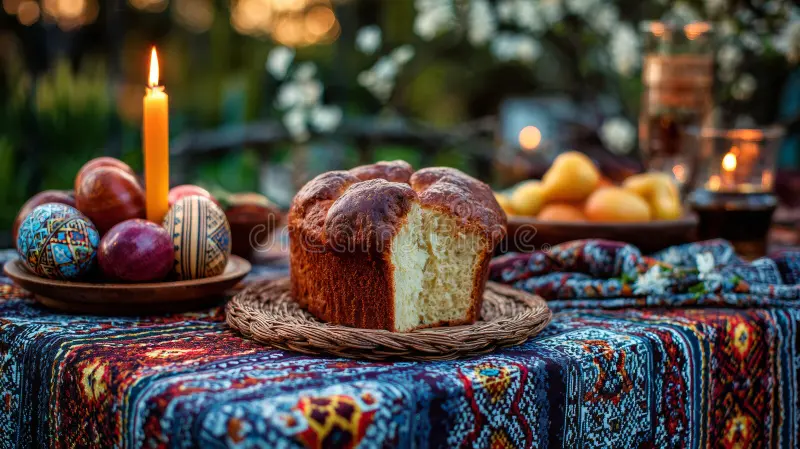
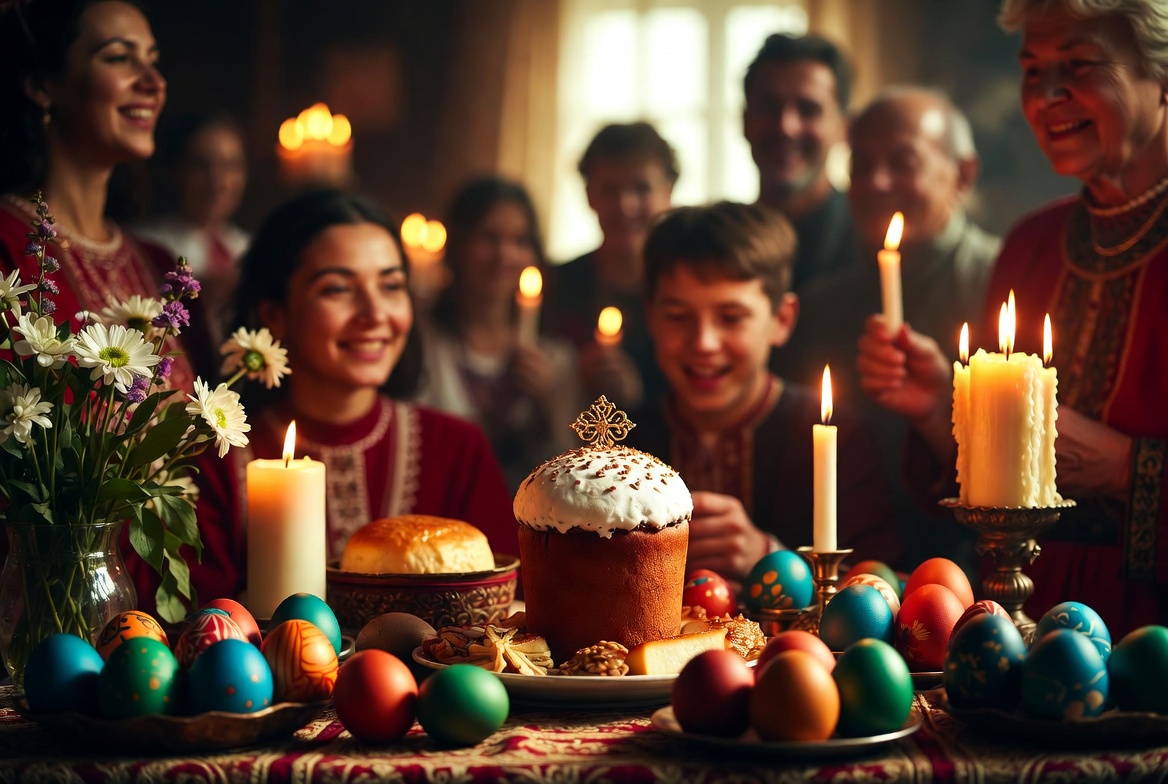
Pascha (Orthodox Easter, March/April): The most sacred religious festival. Midnight church services, blessing of kulich bread and paskha cheese, painted eggs, and joyful feasts after Lent. “Christ is Risen!” Greetings fill the air.
Cultural Significance
- Celebrates the Resurrection of Jesus Christ — victory of life over death.
- Represents hope, renewal, forgiveness, and spiritual rebirth.
- Strengthens faith and family bonds after the long Lenten fast.
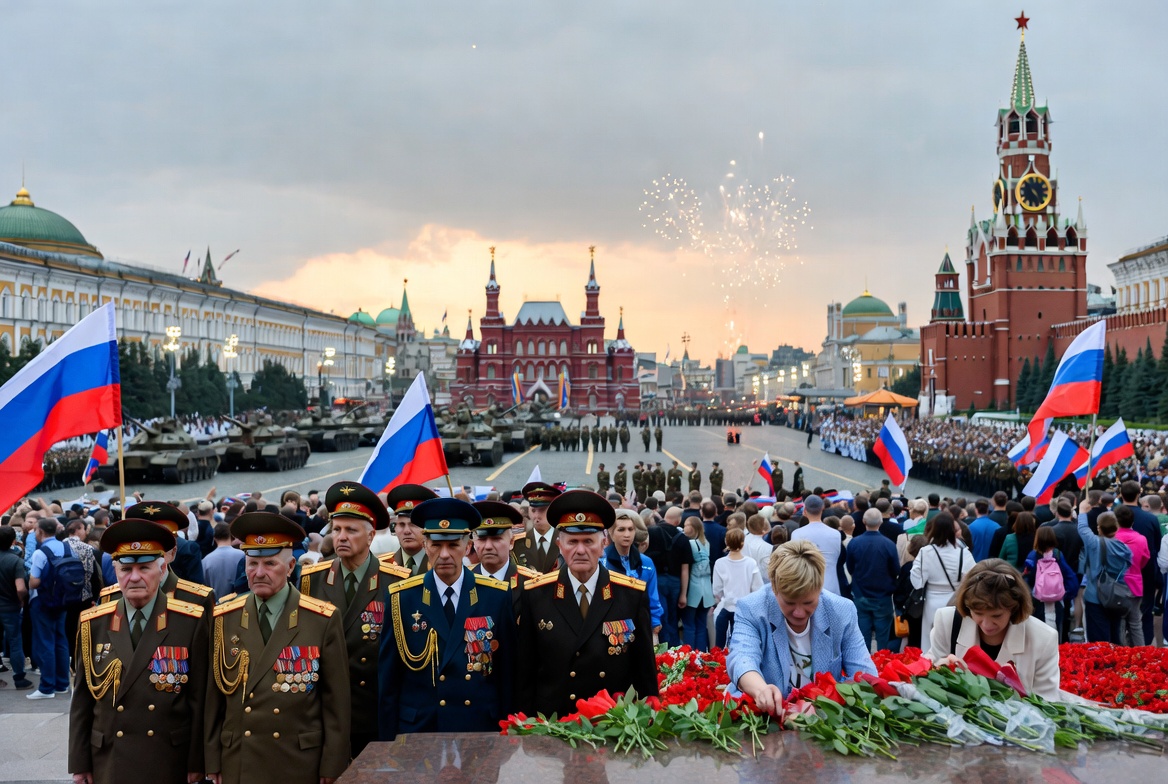
Victory Day (9 May): Commemorates WWII victory. Military parades (especially in Moscow’s Red Square), fireworks, veteran honors, and family gatherings. Solemn yet proud.
Cultural Significance
- Symbolizes national pride, resilience, remembrance, and gratitude.
- Promotes respect for veterans and historical memory.
- Balances solemn reflection with patriotic celebration.
International Women’s Day (8 March): A major celebration of women. Men give flowers, gifts, and do housework. Concerts, family dinners, and warm wishes — very festive and heartfelt.
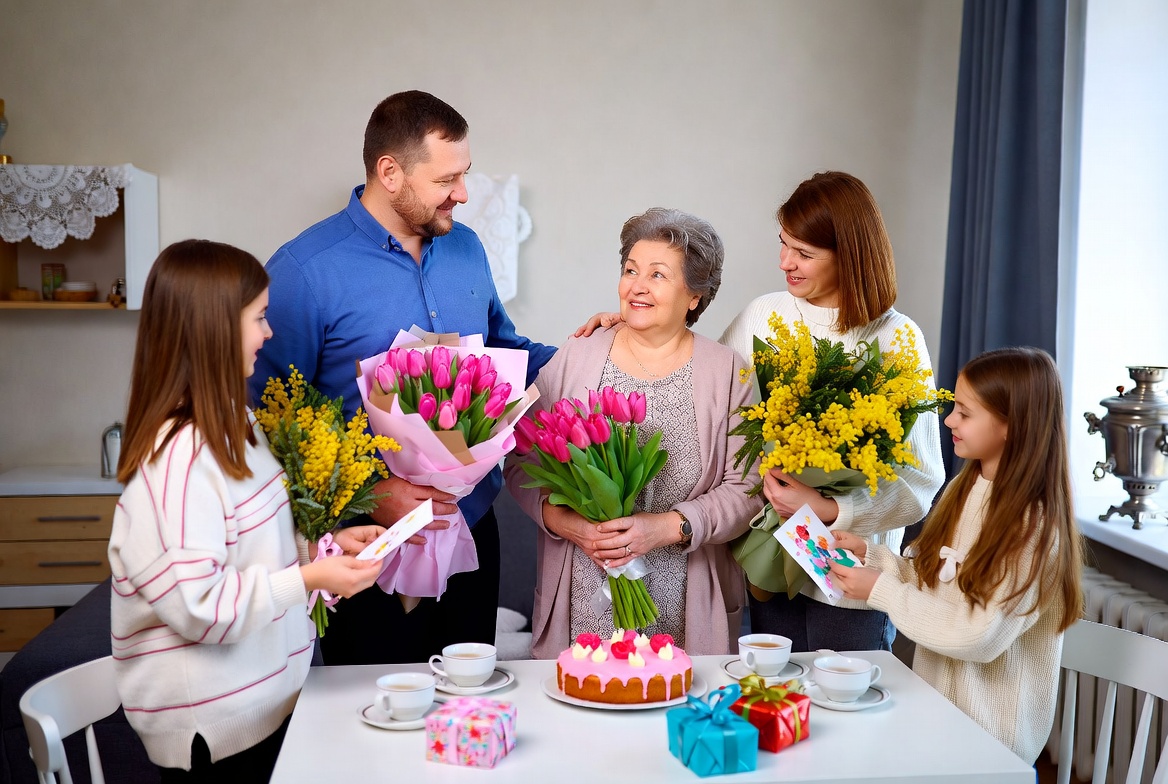
Originally a political day for women’s rights, now a warm, heartfelt occasion.
- Symbolizes respect, appreciation, and gender harmony.
- Men traditionally give flowers and gifts while doing housework.
- Highlights the important role of women in family and society.
These festivals reflect Russian values: strong family bonds, respect for history, love of food and hospitality, and a balance between joy and remembrance. Many are celebrated with multi-generational gatherings that last all day (and night)!