
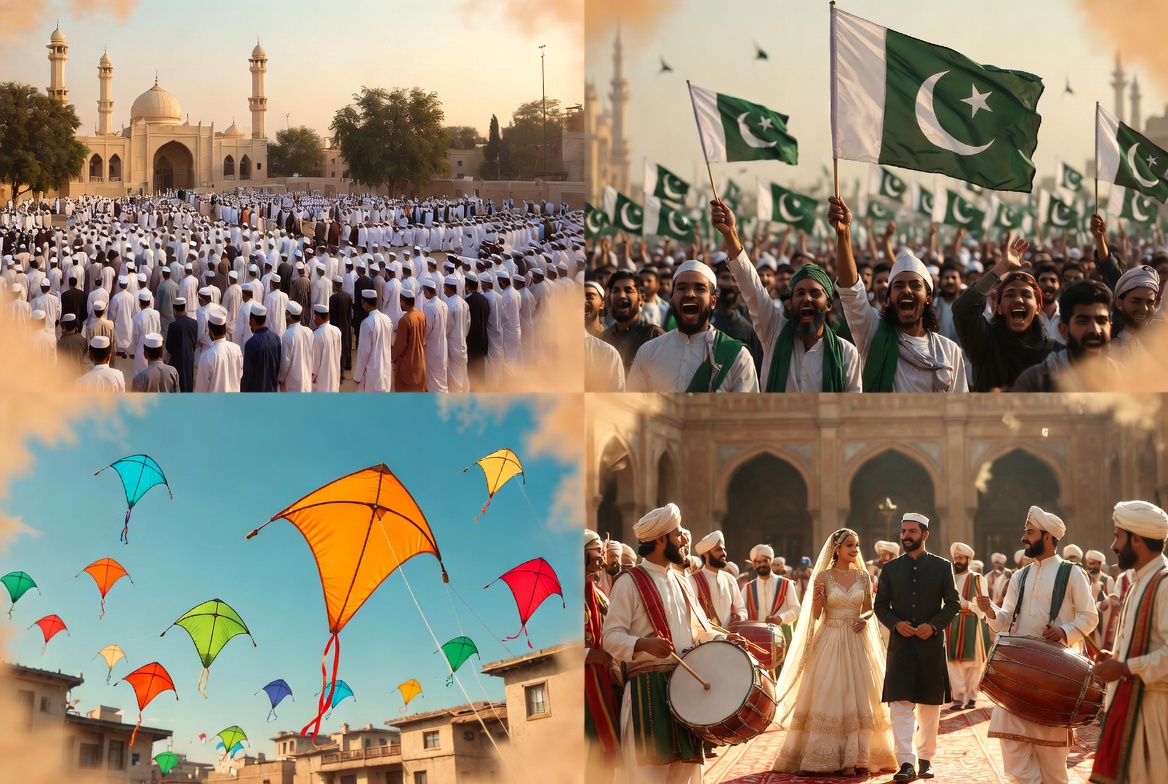
Pakistani Traditional Festivals & Celebrations: A Tourist's Guide
Pakistan has religious festivals, national holidays, and seasonal celebrations. Tourists who understand them can join the joy and avoid unintentional disrespect.
1. Eid-ul-Fitr (Sweet Eid)
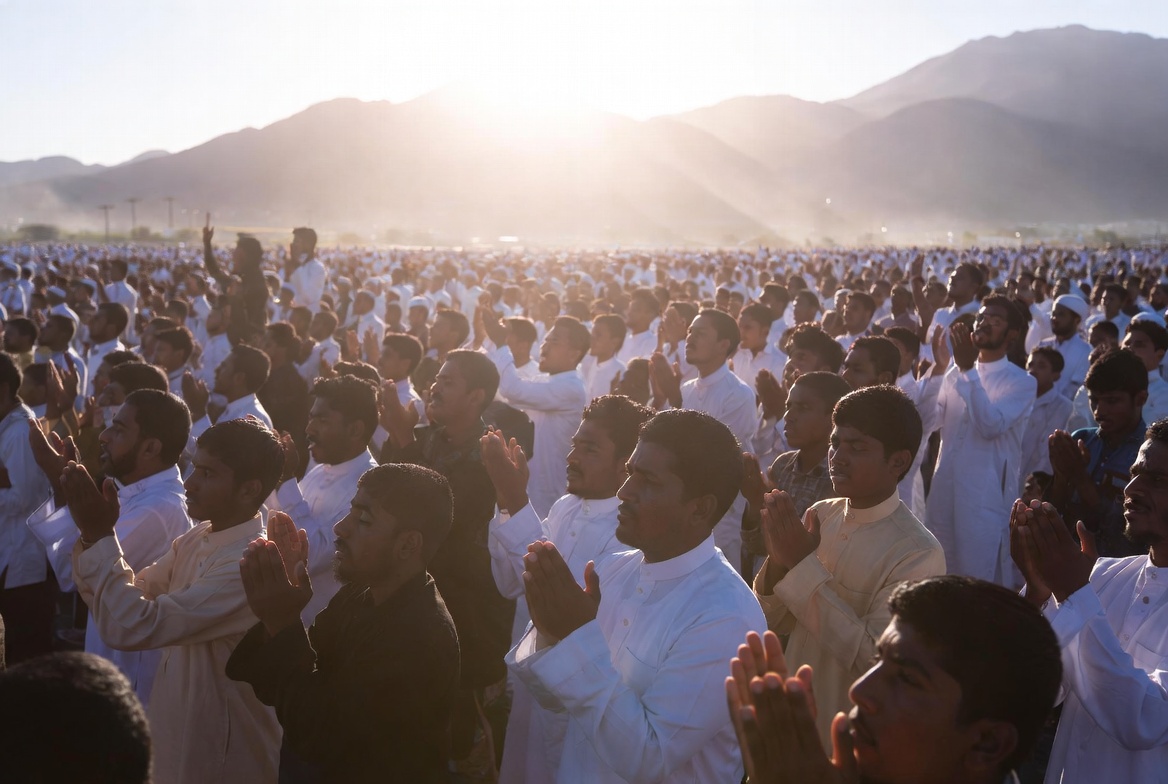
Celebrated after Ramadan fasting month
1st day of Shawwal (Islamic month)
Morning: Eid prayer at mosque or open ground
Hug three times after prayer
Children get Eidi (money) from elders
Special sweet dish: sheer khurma (milk and dates vermicelli)
No work or school for 3 days
2. Eid-ul-Adha (Bakri Eid)
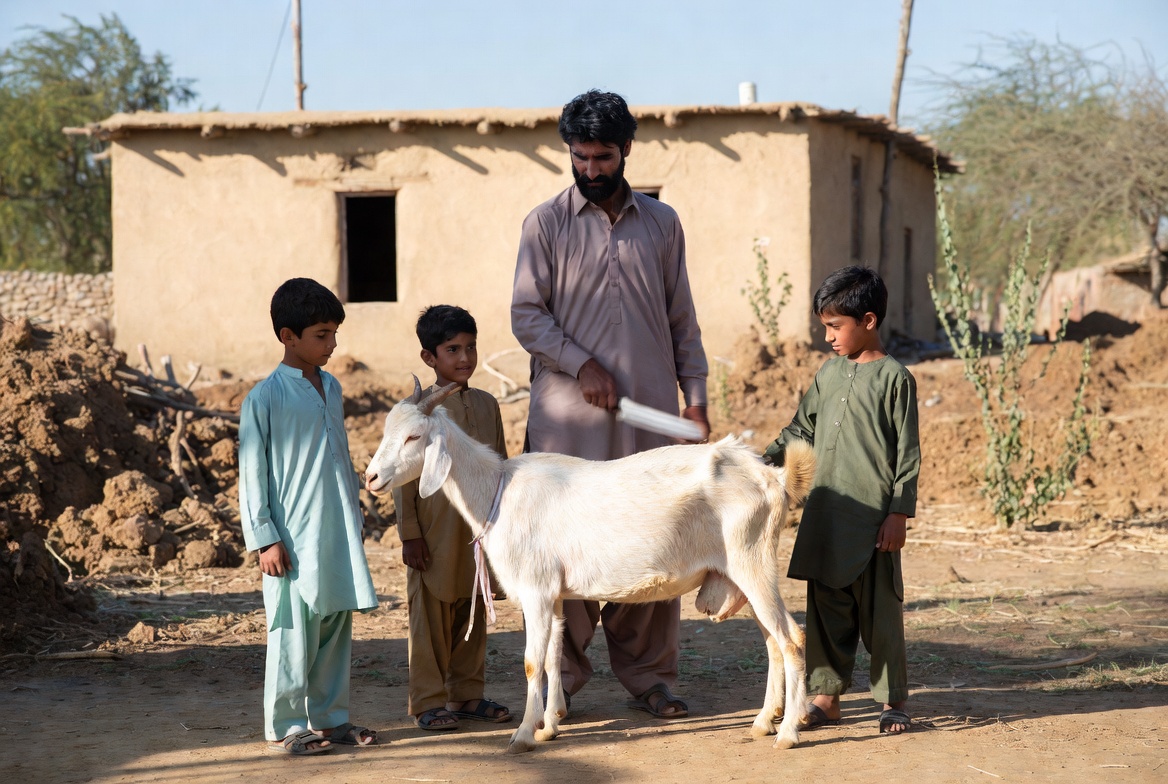
Celebrated 70 days after Eid-ul-Fitr
Commemorates Prophet Ibrahim's sacrifice
Morning: Eid prayer then animal sacrifice
Goat, sheep, cow, or camel is sacrificed
Meat divided into three: family, relatives, poor
New clothes worn for 3 days
No work or school for 4 days
3. 14 August (Independence Day)
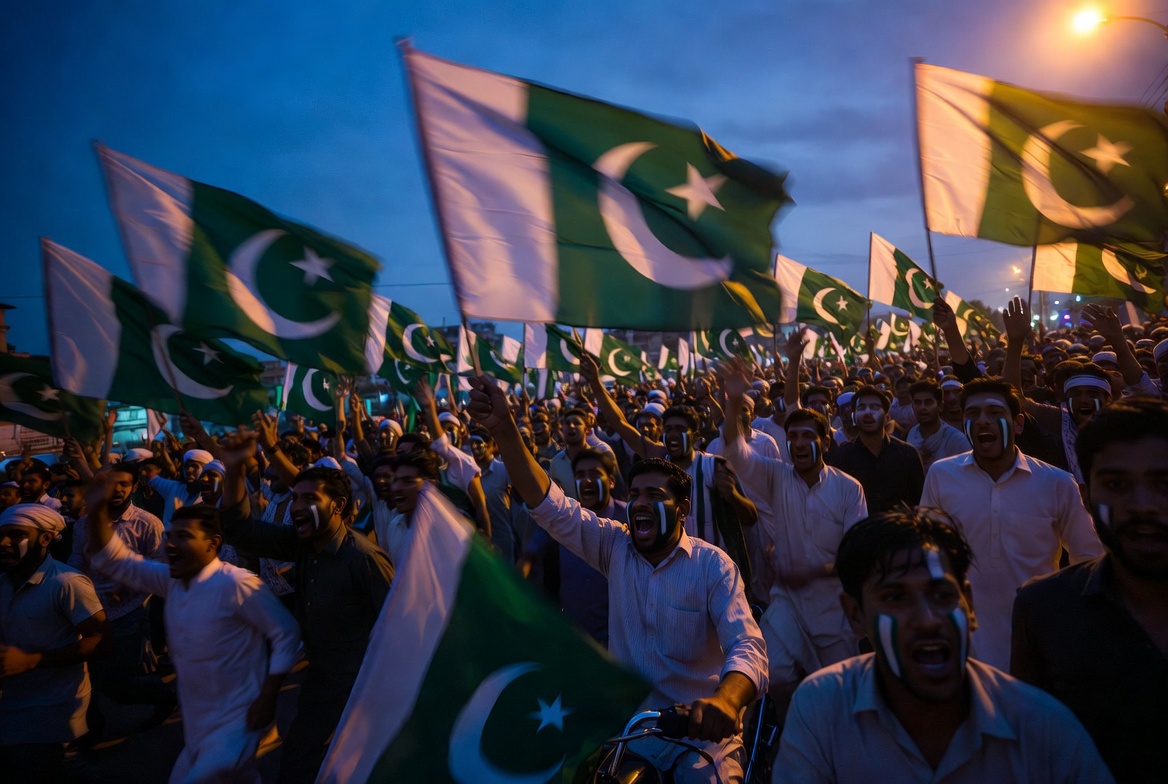
Pakistan's independence from British rule (1947)
Celebrated all over the country
Buildings lit with green and white lights
People wear green and white clothes
Flag hoisting ceremonies at schools and government buildings
Fireworks at night in major cities
4. Basant (Spring Festival)
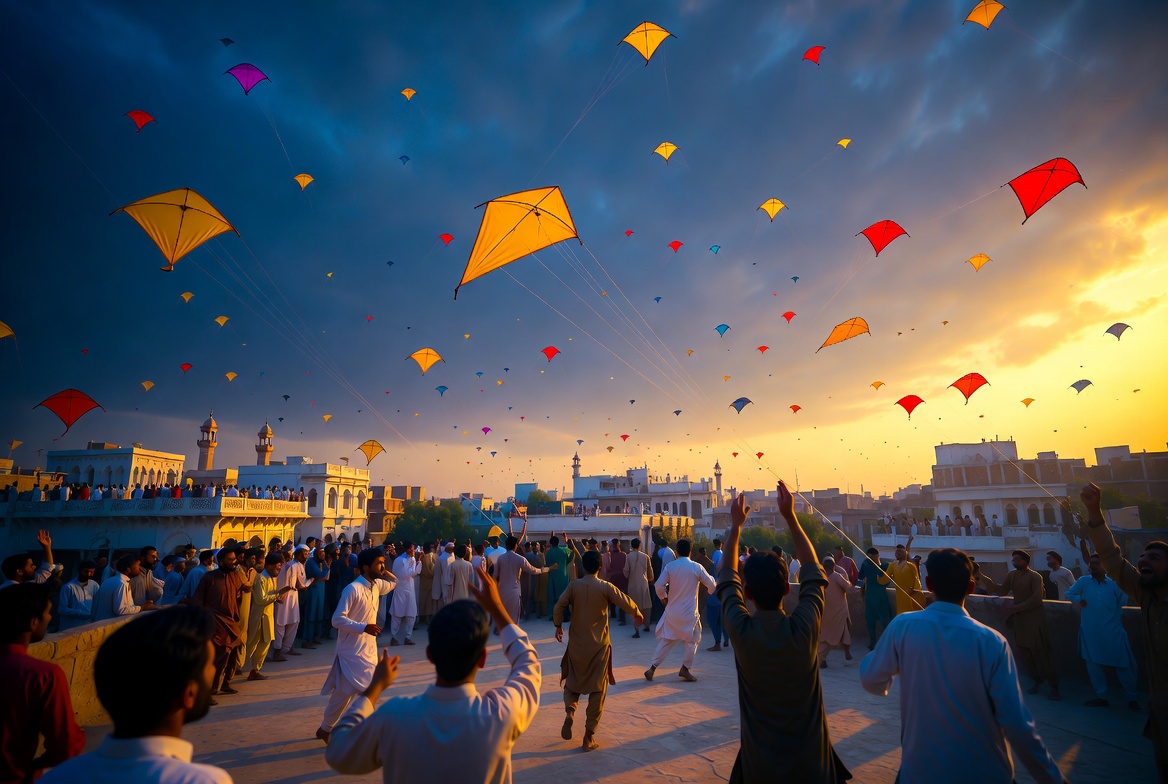
Celebrated in February/March in Punjab (especially Lahore)
Originally a kite flying festival
People go on rooftops to fly kites
Kite fights: cut opponent's string with coated string (dor)
Traditional yellow food: rice and lentil pudding
Now restricted in some cities (motorcycle riders injured by strings)
5. Shab-e-Barat (Night of Forgiveness)
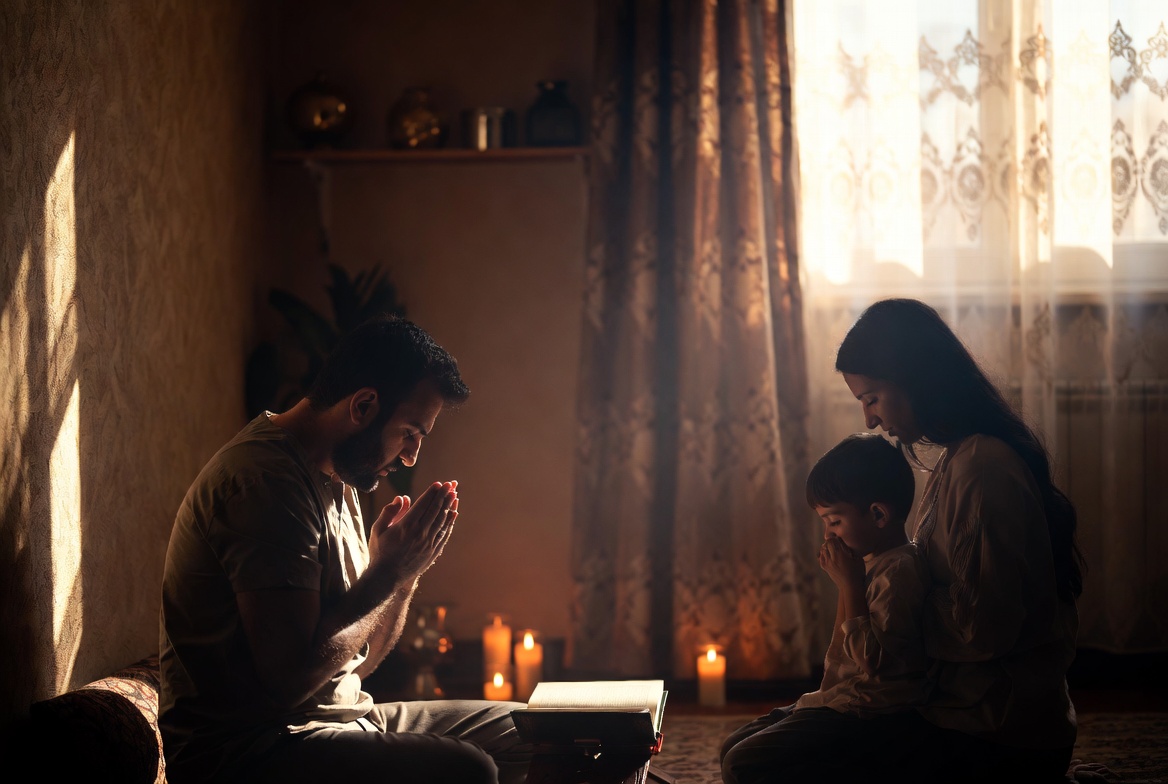
Celebrated on 15th night of Shaaban (month before Ramadan)
People stay up all night praying
Light candles and oil lamps at graves
Cook sweet bread (halwa) and distribute to neighbors and poor
Children light small fireworks in streets
No major gatherings (prayed at home or local mosque)
6. Milad-un-Nabi (Prophet's Birthday)
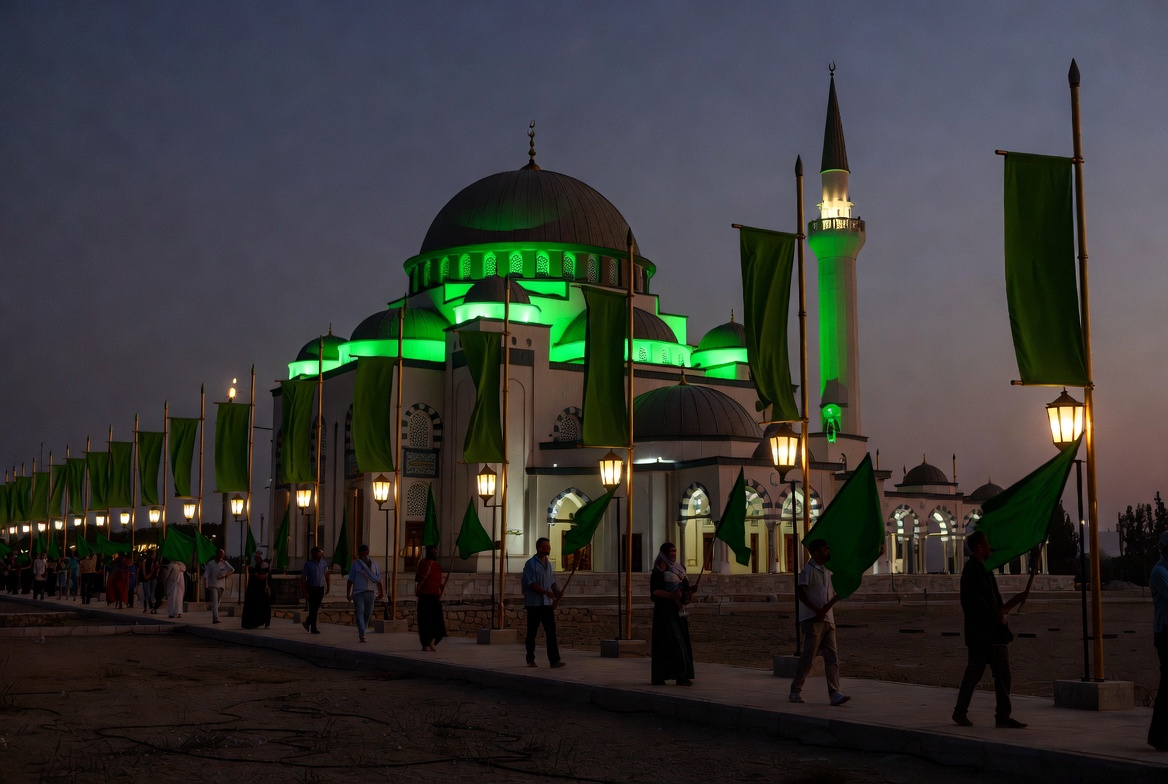
Celebrated on 12th of Rabi-ul-Awwal (third Islamic month)
Mosques and homes decorated with green and white lights
People recite Naat (poetry praising Prophet Muhammad)
No music or dancing (religious event)
Sweet rice (zarda) distributed to neighbors
Processions in some cities (men walking and chanting)