Romanian Cultural Symbols & Meanings: A Tourist's Guide
Romania has ancient symbols on eggs, pottery, gates, and bread. Knowing them helps tourists understand Romanian pride and avoid accidental disrespect.
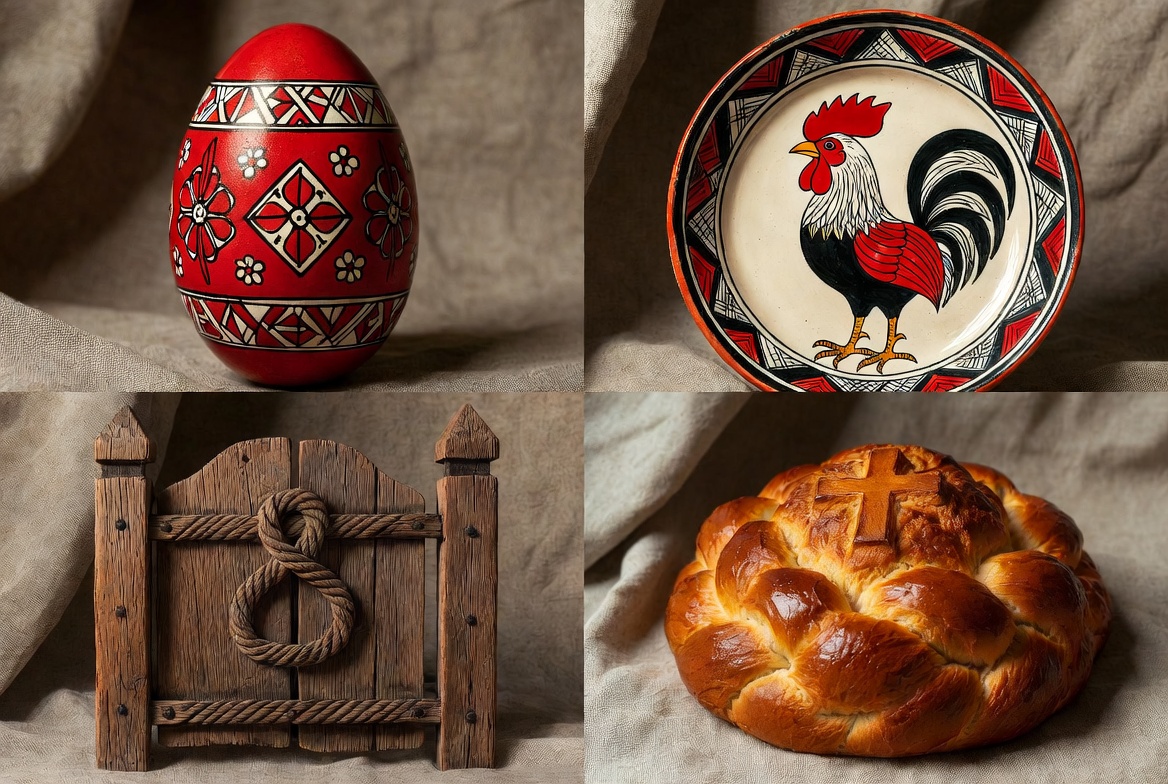
1. Painted Easter Egg (Ouă Încondeiate)
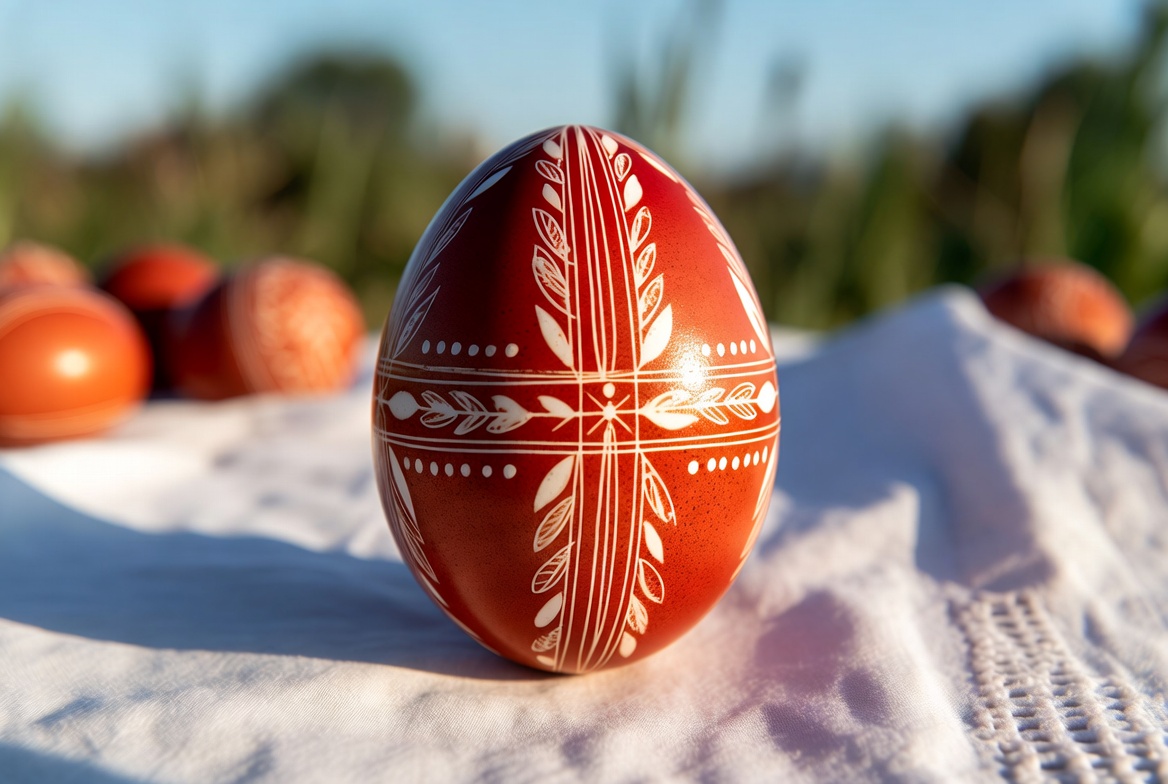
Traditional red eggs with intricate wax-resist patterns (similar to Ukrainian pysanky).
Symbolizes resurrection, life, and protection from evil.
First red egg of the year is kept in the house for 12 months (wards off storms and misfortune).
Different regions have unique motifs: leaf (growth), cross (faith), line (eternity).
Never throw red eggs away (give to animals or bury in garden).
2. Horezu Rooster (Cocoșul de Horezu)
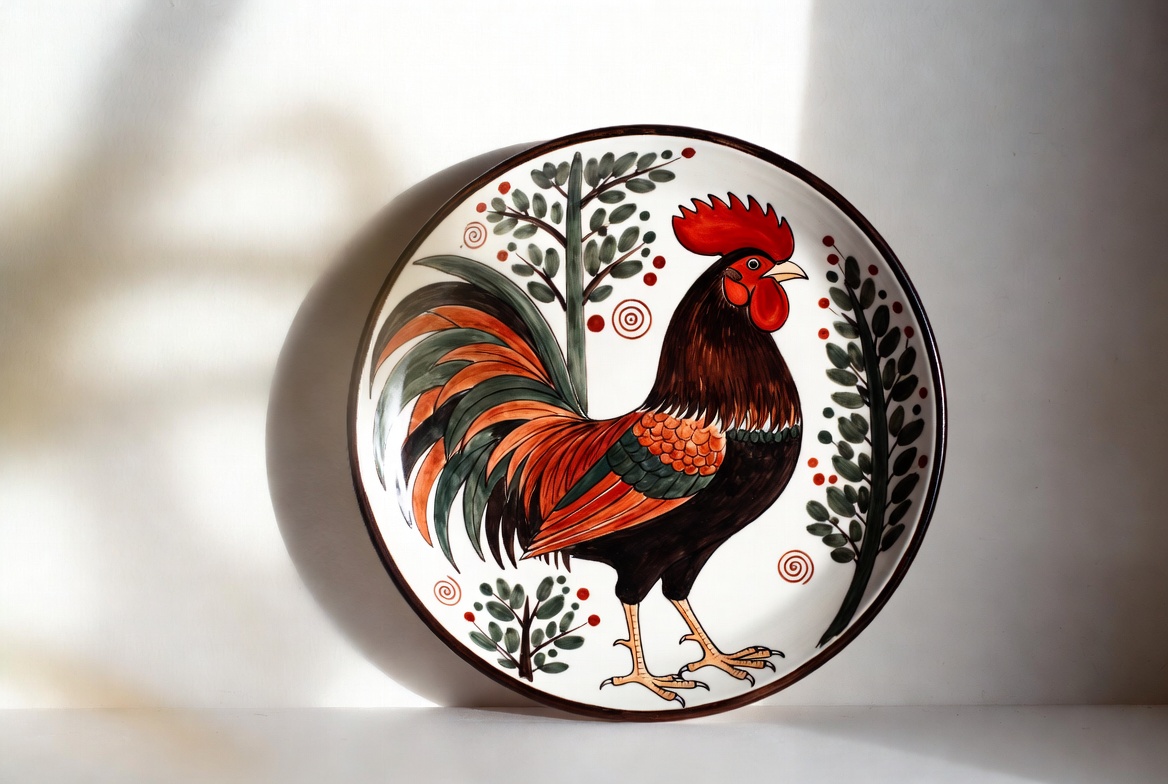
Hand-painted ceramic rooster from Horezu pottery (UNESCO heritage).
Symbol of victory of light over darkness, guardian of the house.
Colors: dark brown, red, green, blue, and Horezu ivory.
Rooster motif appears on plates, jugs, and wall decorations.
Tourists should buy authentic pieces from Horezu workshops (not cheap imitations).
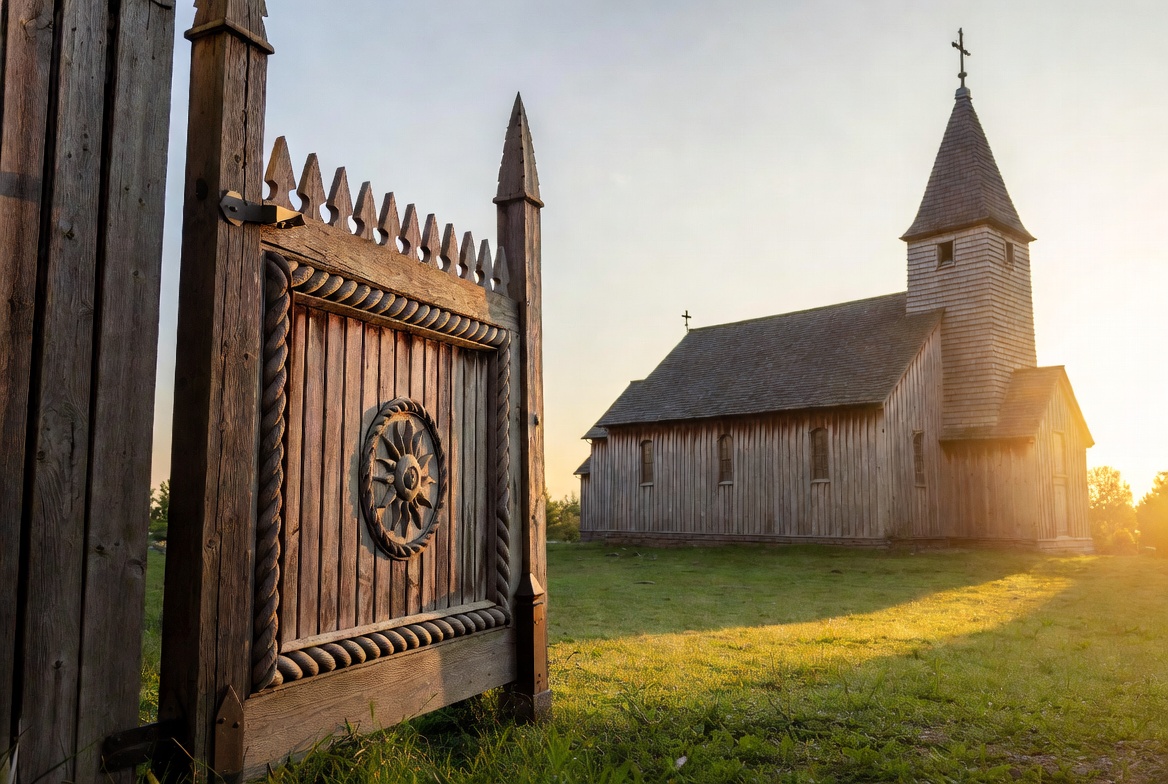
3. Wooden Gate (Poarta Maramureșeană)
Traditional wooden gate from Maramureș region (northern Romania).
Carved with twisted rope motifs (symbol of infinity and passing time).
Represents the family's status, wealth, and hospitality.
Sun, moon, and tree of life carvings ward off evil spirits.
Never lean against or climb on a traditional gate (deep disrespect).
4. Braided Bread (Colac / Cozonac împletit)
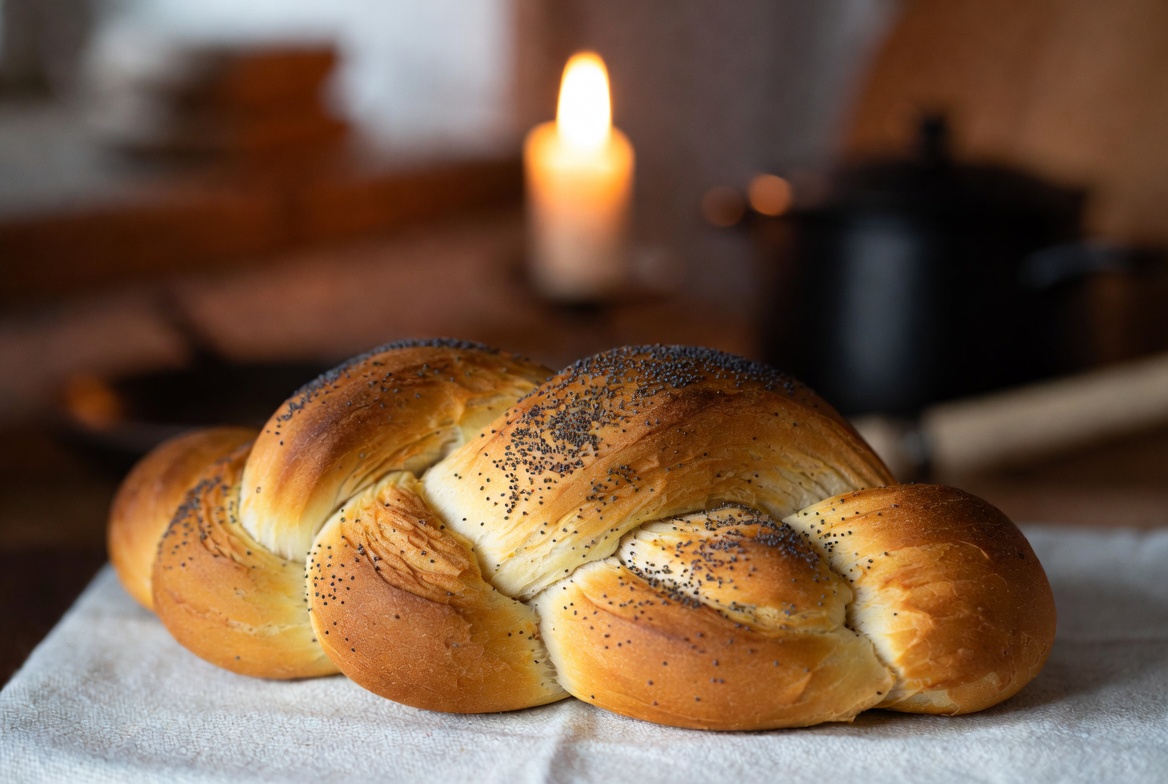
Braided sweet bread (colac) used in weddings, funerals, and Easter.
Three strands represent the Holy Trinity (Father, Son, Holy Spirit).
Circular shape (colac încolăcit) symbolizes eternity and protection.
Placed on grave at memorial service (for the deceased's soul).
Never refuse a piece of colac offered at a funeral (dishonors the dead).