Romanian Historical Landmarks & Significance: A Tourist's Guide to Boundaries
RomaniaRomanianBucharest
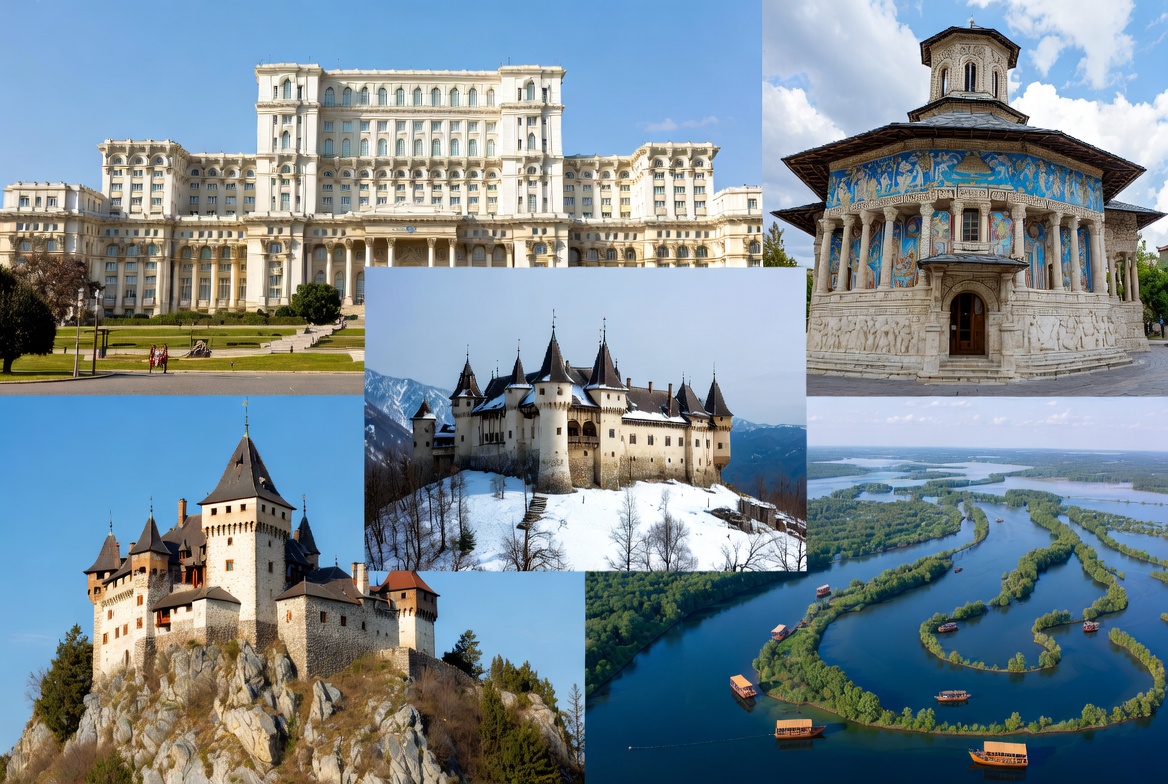
Romania has landmarks from medieval times, the communist era, and ancient nature. Knowing them helps tourists understand Romanian pride and respect sacred spaces.
1. Palace of the Parliament (Bucharest)
- Construction began 1984 (communist regime)
- World's heaviest building (4 million+ tonnes) and second-largest administrative building
- Ceaușescu demolished one-fifth of Bucharest's historic center
- Symbol of communist excess, now houses Romania's Parliament
- 1,100 rooms, 12 stories tall, 3,500 tonnes of crystal, 1 million tonnes of marble
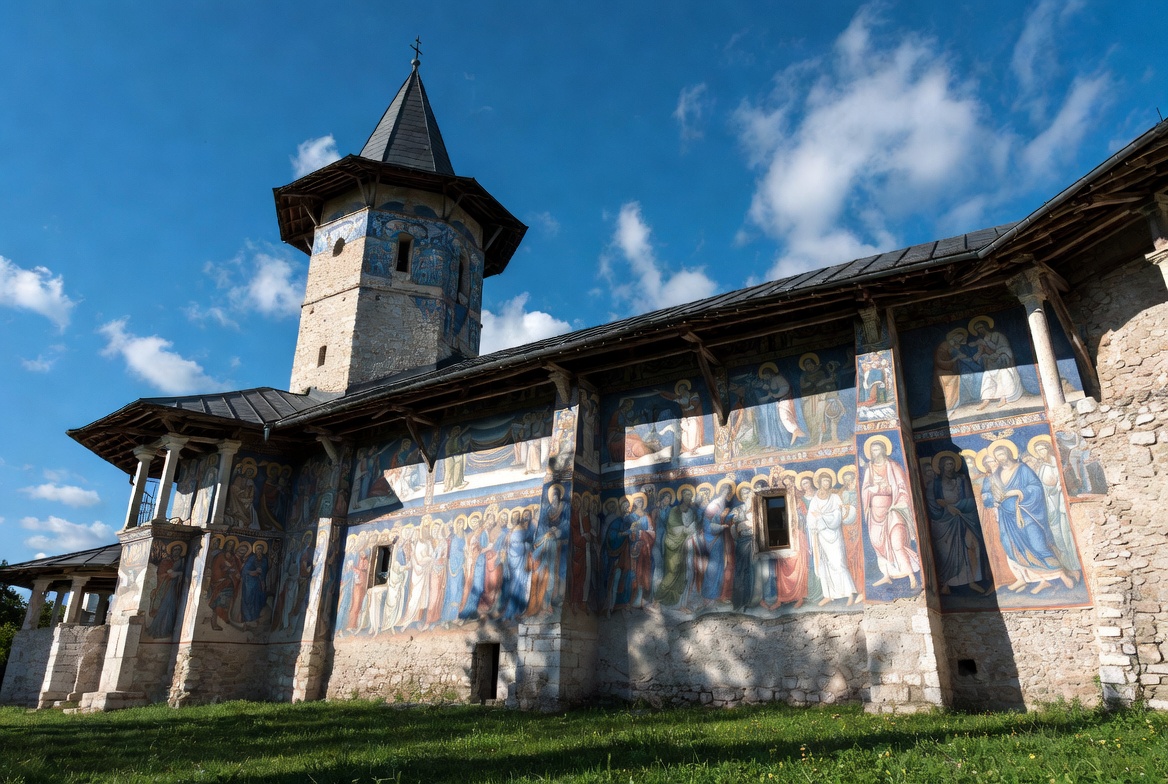
 2. Painted Monasteries of Bucovina (Northern Romania)
- Built 15th-16th centuries (Stephen the Great era)
- Exterior walls covered in detailed frescoes
- Seven churches included: Voronet (Sistine Chapel of the East), Moldovița, Sucevița, Humor, Arbore, Pătrăuți, Probota
- Voronet blue pigment (lost formula), Siege of Constantinople fresco
- UNESCO World Heritage Site (1993)
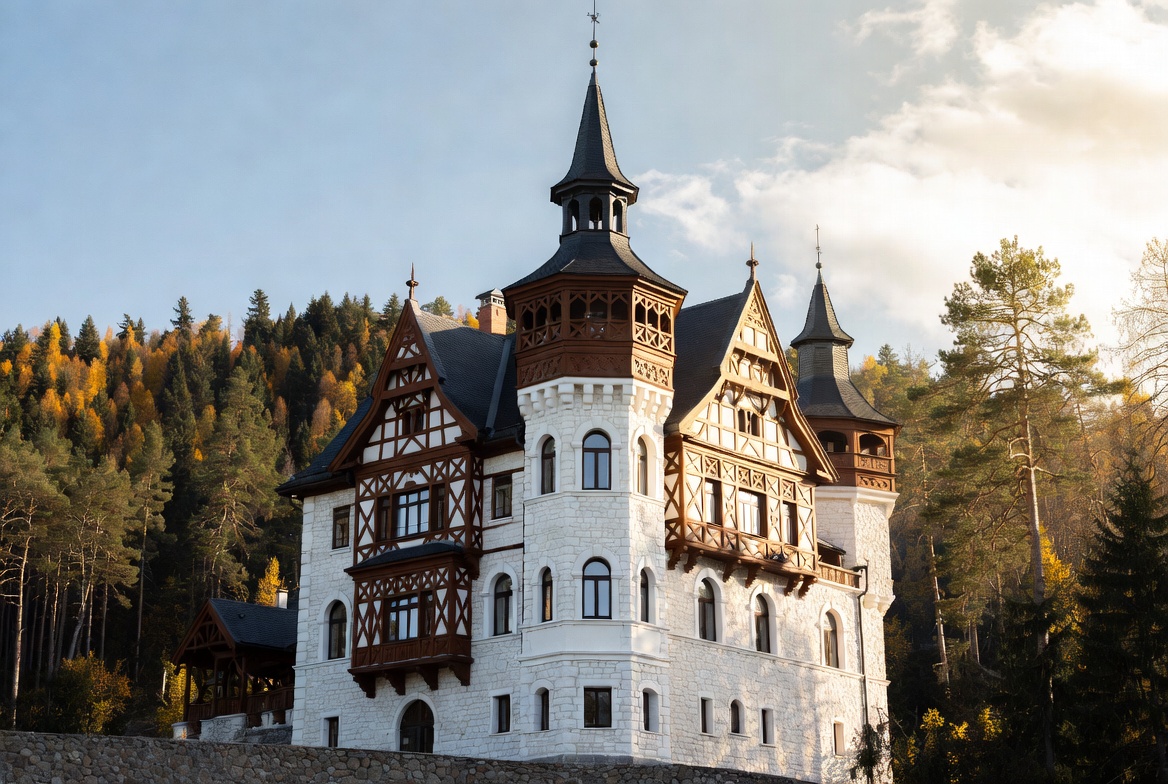
 3. Peleș Castle (Sinaia)
- Built 1873-1914 for King Carol I
- Neo-Renaissance style with German influence
- First European castle with electricity (central heating, elevator, vacuum system)
- Served as royal summer residence until 1947
- 160 rooms, 30 bathrooms, ornate weapon room
 4. Bran Castle (Brașov)
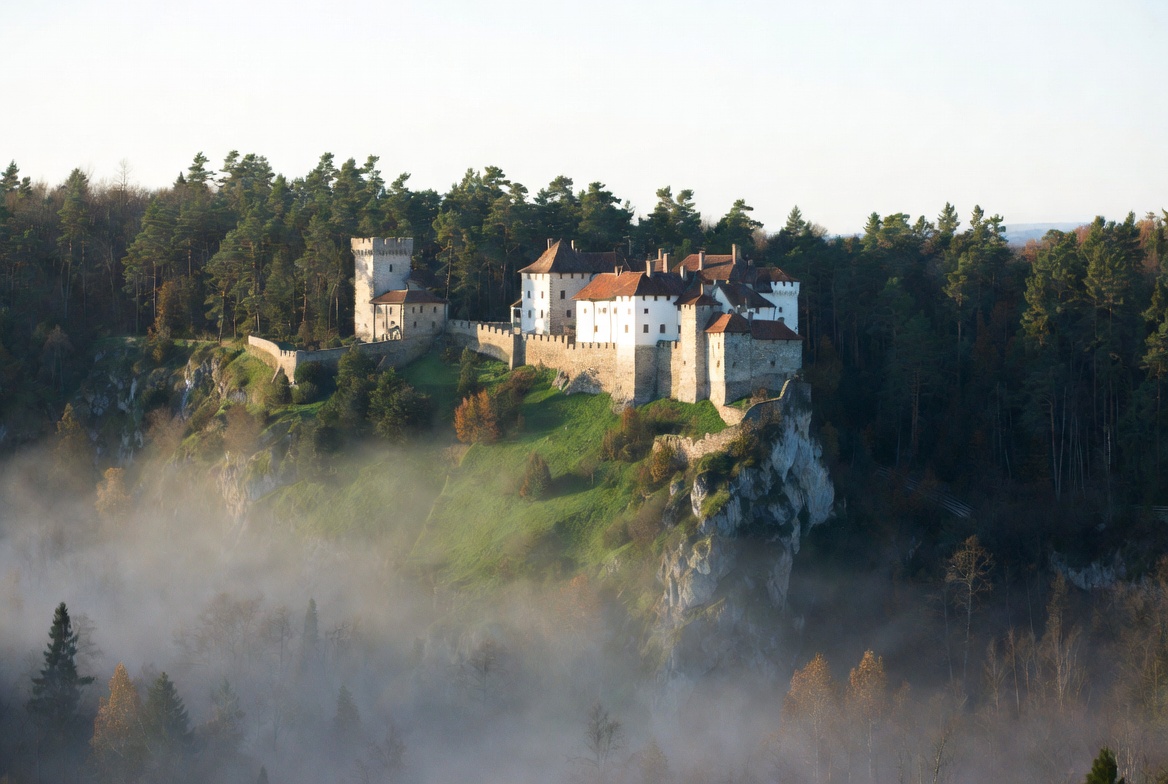
- Built 1377 by Transylvanian Saxons for Louis I of Hungary
- Associated with Vlad Țepeș (Vlad the Impaler) – inspiration for Dracula
- Strategically positioned on mountain cliff for customs collection
- Served as royal residence after 1920 (Queen Marie)
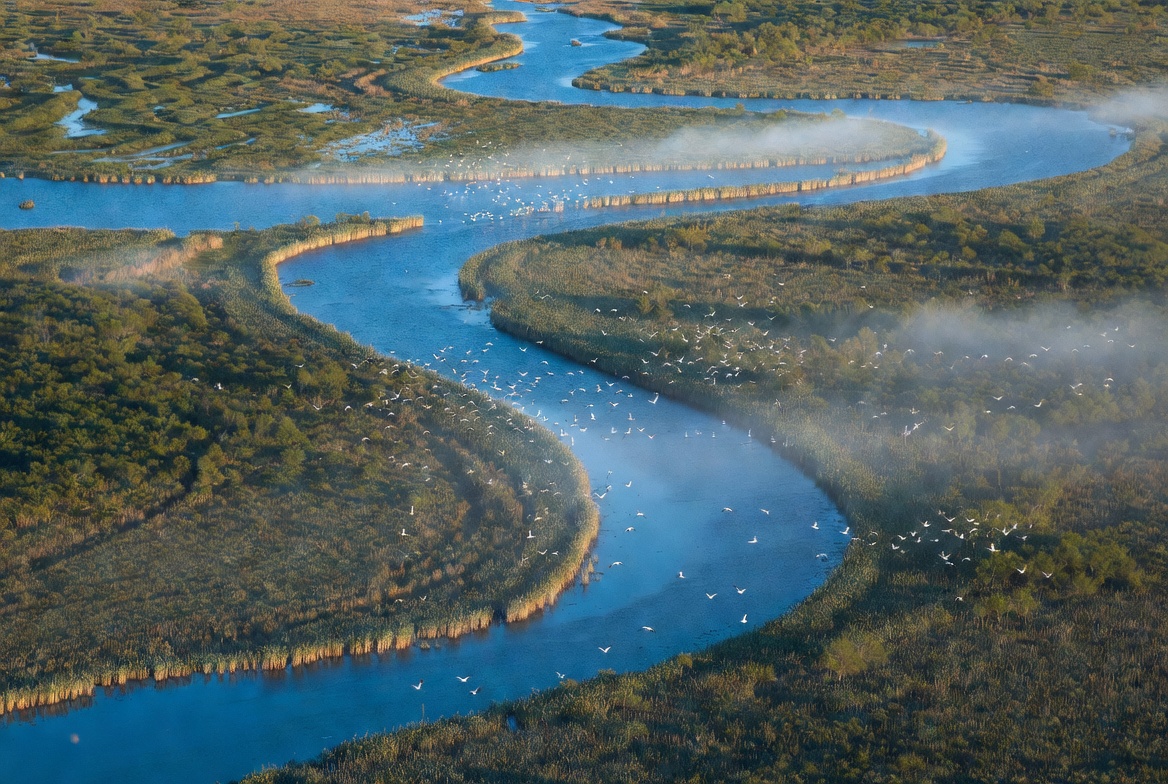
 5. Danube Delta
- Protected Biosphere Reserve since 1990 (UNESCO World Heritage Site 1991)
- Europe's largest and best-preserved wetland region
- One-third of Europe's bird species (330+ species)
- Tulcea primary gateway (tours, boat rentals)