
Story about a significant cultural festival or ceremony
One of the most cherished and significant cultural events in Palestinian and broader Arab communities is the traditional wedding celebration. It’s not just a union of two people — it’s a multi-day festival that brings together entire families, villages, and communities in a beautiful expression of joy, resilience, hospitality, and cultural pride. Here’s a story based on real traditions I hold dear.
Layla’s Wedding: A Story of Joy and Togetherness
In a sunlit village near the hills of Palestine, my cousin Layla was getting married. The preparations began weeks earlier. The women gathered for Laylat al-Hinna (Henna Night), filling the house with laughter and song. They applied intricate henna patterns to Layla’s hands and feet while singing traditional songs and ululating (zaghrouta) — high-pitched cries of celebration that echo across the night. The air smelled of orange blossom water and sweets.

On the wedding day, the Nikah (marriage contract) was signed in the morning — a solemn, heartfelt moment with the imam, family witnesses, and the exchange of the Mahr (groom’s gift to the bride). After that, the real celebration erupted.
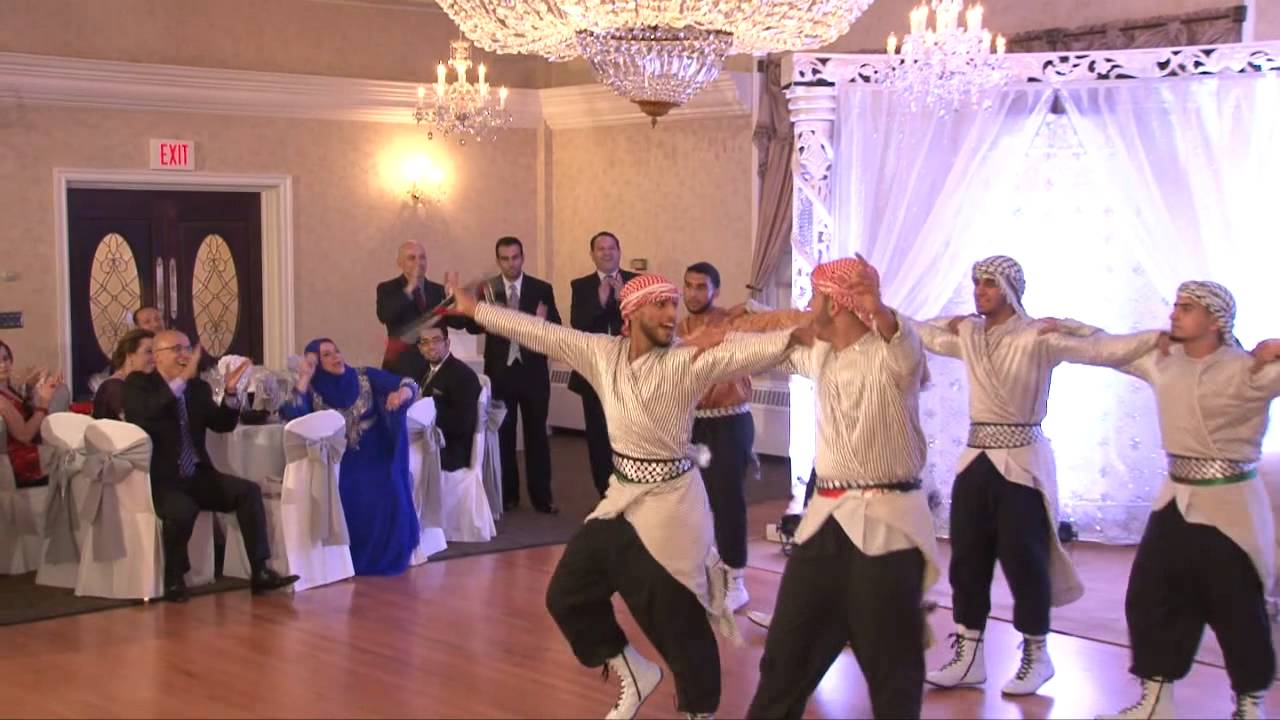
As evening fell, the Zaffa procession began. The bride and groom entered to the sound of drums, clapping, and joyful singing. Men and women formed lines for the Dabke — the iconic Palestinian folk dance. They linked arms, stomped rhythmically, and moved in unison, celebrating life and connection to the land. The dabke at weddings is more than dance; it symbolizes unity and strength, especially meaningful in our community.
The feast was enormous: trays of Musakhan (sumac chicken on taboon bread), rice dishes, grilled meats, stuffed vegetables, and mountains of baklava and kunafa. Everyone ate together from shared platters — a reminder that in our culture, food and joy are meant to be shared.
The night ended with more dancing, blessings, and the emotional Rukhsati — when Layla left her family home with her husband, surrounded by tears of happiness and well-wishes. The wedding wasn’t just about the couple; it strengthened bonds between families and passed traditions to the next generation.
Why It Matters
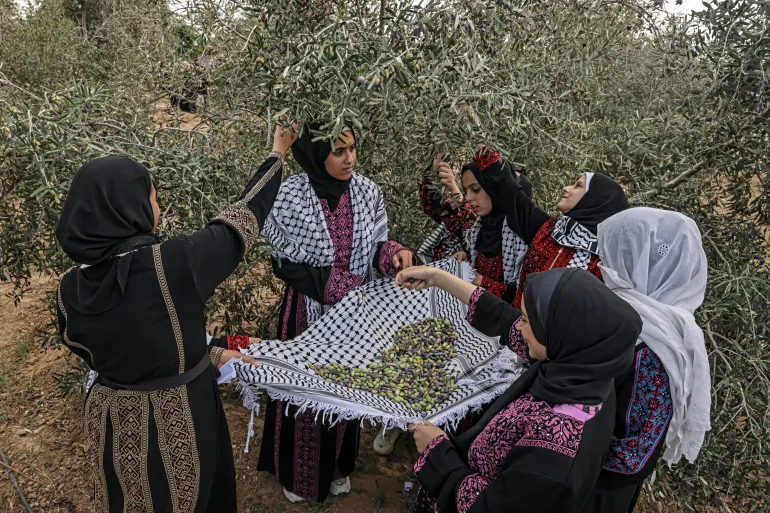
Weddings in our community represent hope, continuity, and cultural identity. Even in challenging times, these celebrations affirm life, love, and resilience. They blend Islamic traditions with local Palestinian customs like dabke, generous olive oil-based foods, and embroidery in traditional dress (thobes).
Other important festivals include:
Eid al-Fitr — marking the end of Ramadan with family feasts, new clothes, sweets, and charity.

Olive Harvest Season — a sacred annual ritual where families gather in olive groves to pick fruit, press oil, and share meals under the trees. It connects us deeply to our land and heritage.

These events remind us that culture lives through shared moments, stories, and love. Have you attended a wedding or festival from another culture that left a strong impression? I’d love to hear!