
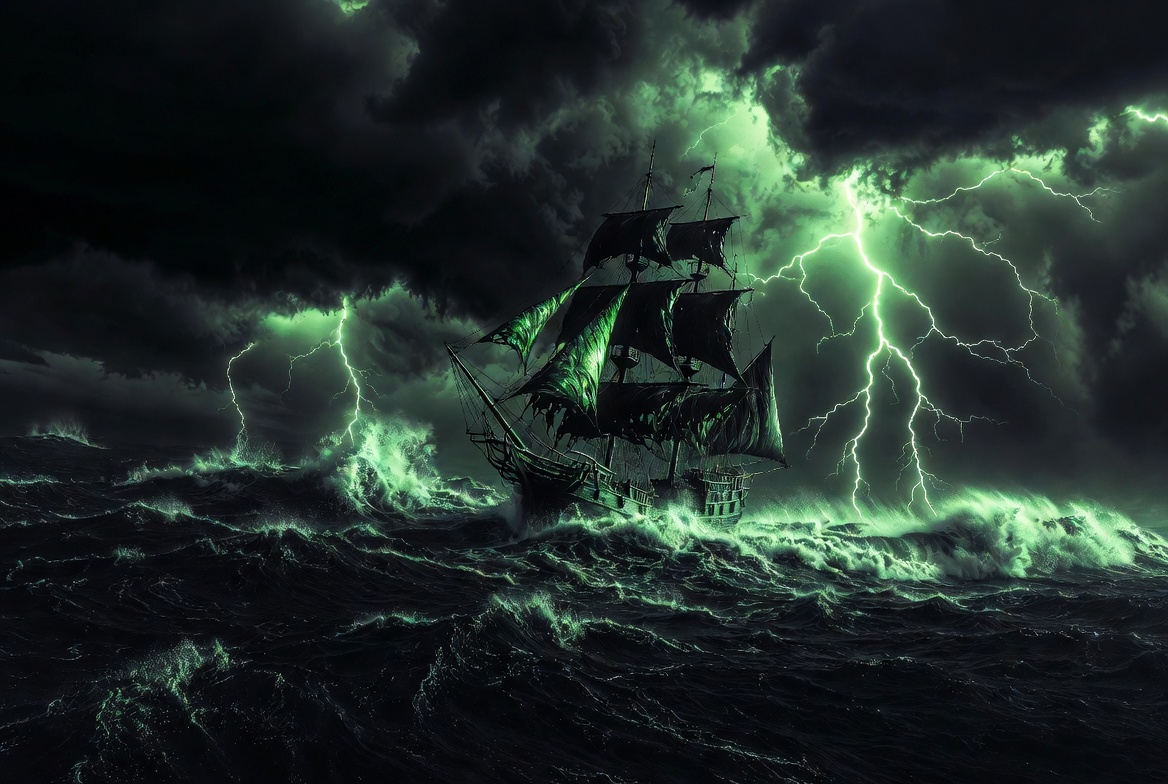
The Flying Dutchman (De Vliegende Hollander): The Cursed Ghost Ship
For centuries, sailors have spoken in hushed tones about a ghost ship that haunts the treacherous waters off the Cape of Good Hope. With tattered sails and an eerie green glow, the vessel drifts through storms like a phantom. No living soul walks its deck only the skeletal remains of its cursed crew. They say its captain, Hendrik van der Decken, challenged God Himself… and lost.
In the 1660s, Captain Hendrik van der Decken, a proud and stubborn Dutchman sailing for the East India Company, set out from Amsterdam bound for Batavia (present-day Jakarta). His ship was strong, his crew loyal, and his ambition boundless. But as they approached the southern tip of Africa, a violent storm erupted. Fierce winds and towering waves battered the vessel.
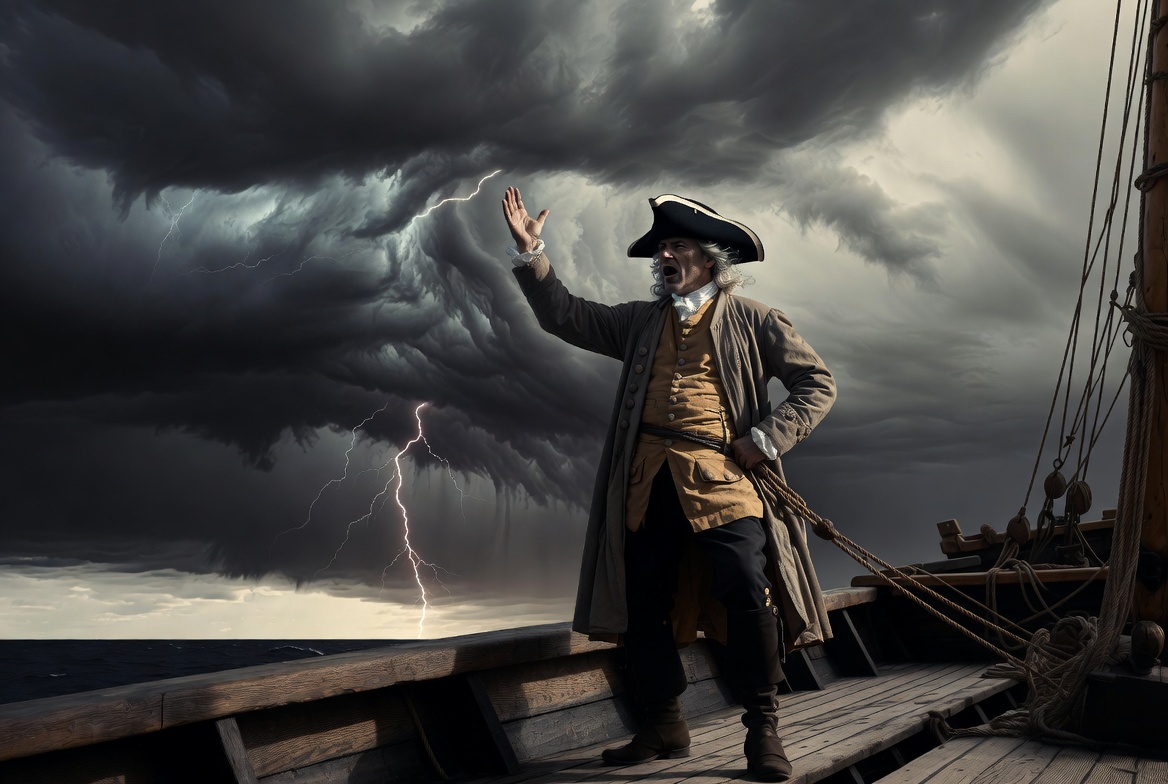
Determined not to turn back, the captain gripped the wheel and roared into the howling wind:
“I will round this cape even if I have to sail until Judgment Day!”
The heavens heard his defiance. In a flash of lightning, the ship was cursed. Captain van der Decken and his crew were condemned to sail the oceans for all eternity — never able to dock at any port, never able to rest.
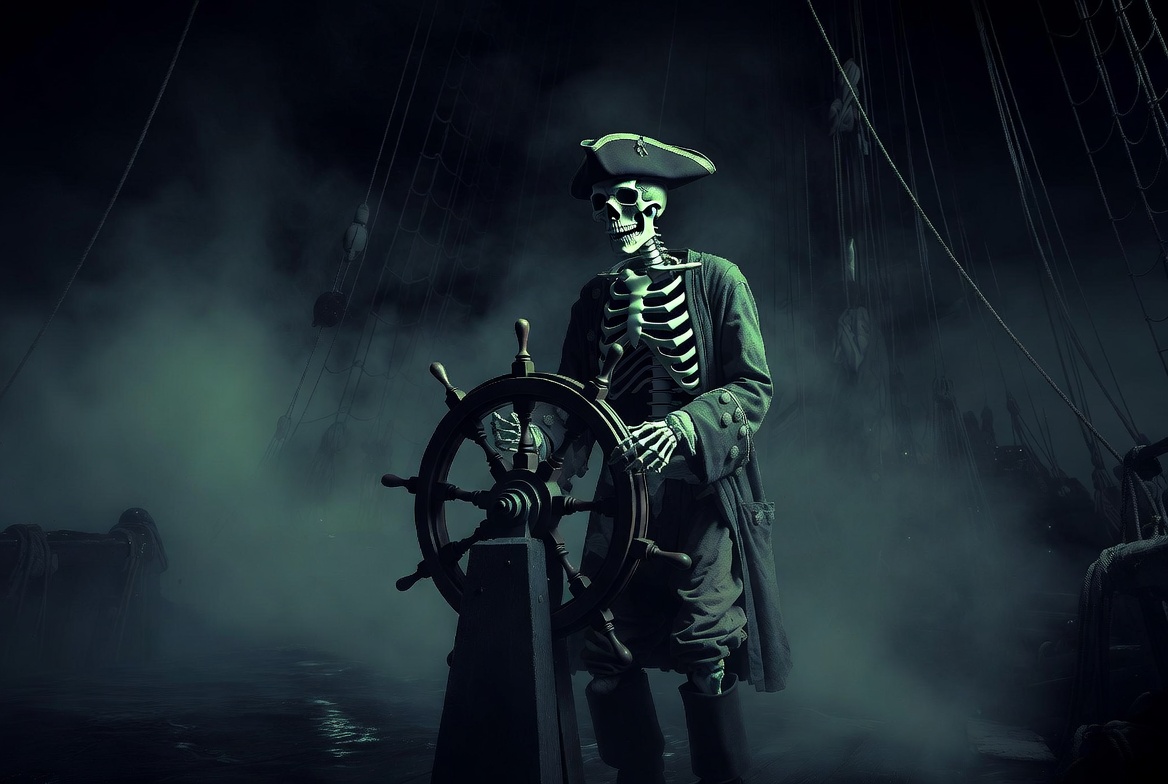
From that day forward, the ship became known as the Flying Dutchman. Its sails are forever torn, yet they billow in winds that no other ship can feel. The crew, long dead, still moves about the deck as hollow-eyed skeletons. At night, the vessel glows with an unnatural green light that can be seen from miles away.
Any sailor unlucky enough to spot the ghost ship is said to meet a terrible fate soon after. Some claim to have found bottles floating in the sea containing desperate messages from the cursed crew, begging for someone to lift their eternal torment.
My own grandfather swore he saw it in 1923, just off Cape Town. He said the ship appeared suddenly during a violent storm, its ghostly silhouette lit by lightning. Moments later, it vanished into the mist. Many ships that reported sighting the Flying Dutchman later sent out distress calls that were never answered.
Old mariners still warn: never whistle on board a ship — it is said to summon the Flying Dutchman. And during the fiercest storms, some claim you can hear the agonized screams of the cursed crew carried on the wind.

Over the years, many stories have grown around the legend. Some say the captain was having a sinful affair and that the curse was divine punishment. Others claim there isn’t just one Flying Dutchman, but five different ships that have carried the same terrible fate. The story even inspired Richard Wagner to compose his famous opera The Flying Dutchman in 1843.
Some modern tourists swear they’ve seen a strange green glow off the Dutch coast, though skeptics insist it’s only a lighthouse. And then there is the most hopeful version of all — that the curse can only be broken if a woman of pure heart willingly boards the ghost ship.

What the Legend Teaches Us
The tale of the Flying Dutchman is more than just a ghost story. It is a warning passed down through generations of sailors:
- Pride can destroy even the strongest man.
- Never challenge the power of nature or God.
- The sea must be respected, never defied.
- Some sins carry eternal consequences.
And above all — young sailors should remember: obey your captain, honor the sea, and never let arrogance steer your course