
What do Yoruba people Eat?
The Yorùbá people of southwestern Nigeria are celebrated for their rich, flavorful, and diverse food traditions. Yorùbá meals are a vibrant blend of taste, color, and symbolism — emphasizing community, hospitality, and balance between carbohydrates, proteins, vegetables, and spices.
Here are some of the most loved and iconic Yorùbá dishes:
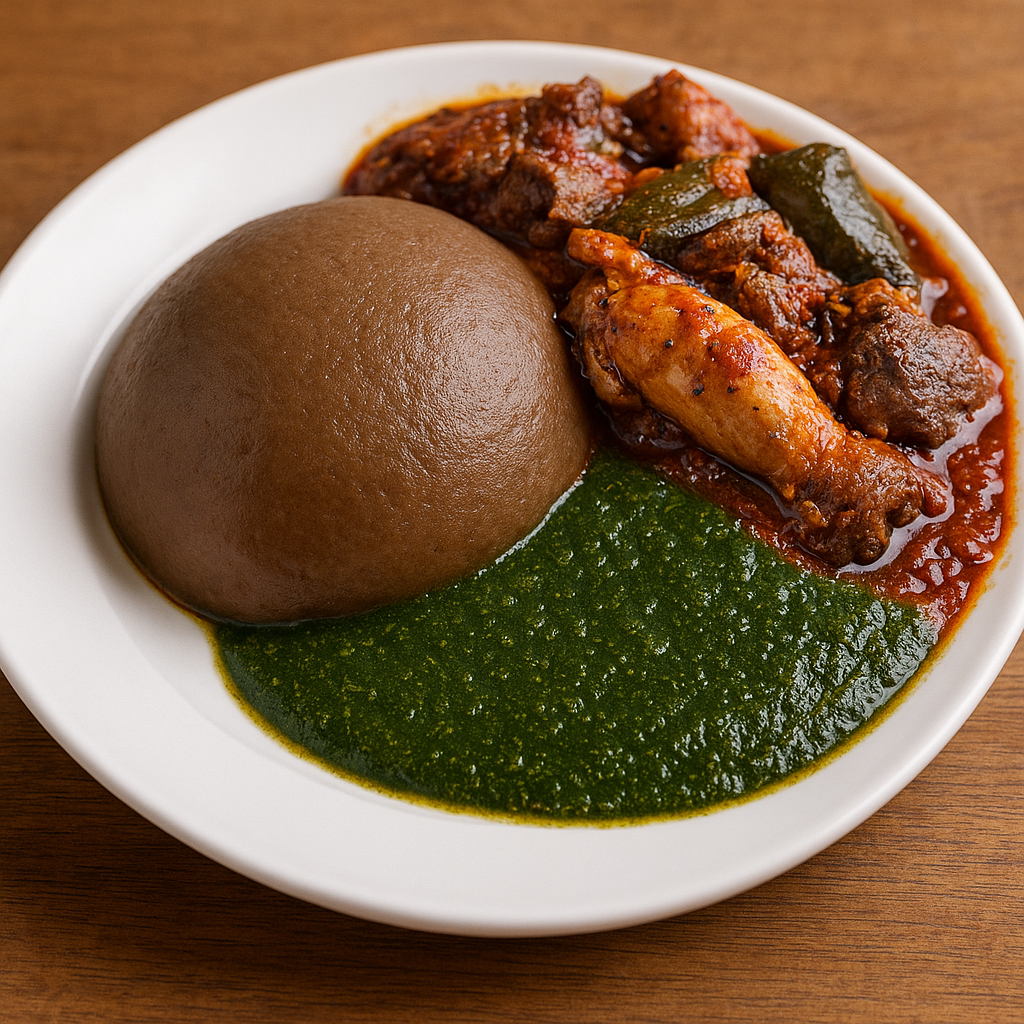
1. Amala and Ewedu Soup (with Gbegiri)
Amala is a smooth, stretchy swallow made from yam flour (elubo). It has a distinctive dark brown or light gray color and is usually paired with ewedu (jute leaf soup) and gbegiri (bean soup). Together, they are fondly called Abula.
Cultural Significance:
A signature dish of Ibadan, it is commonly served at weddings, celebrations, and important traditional events.
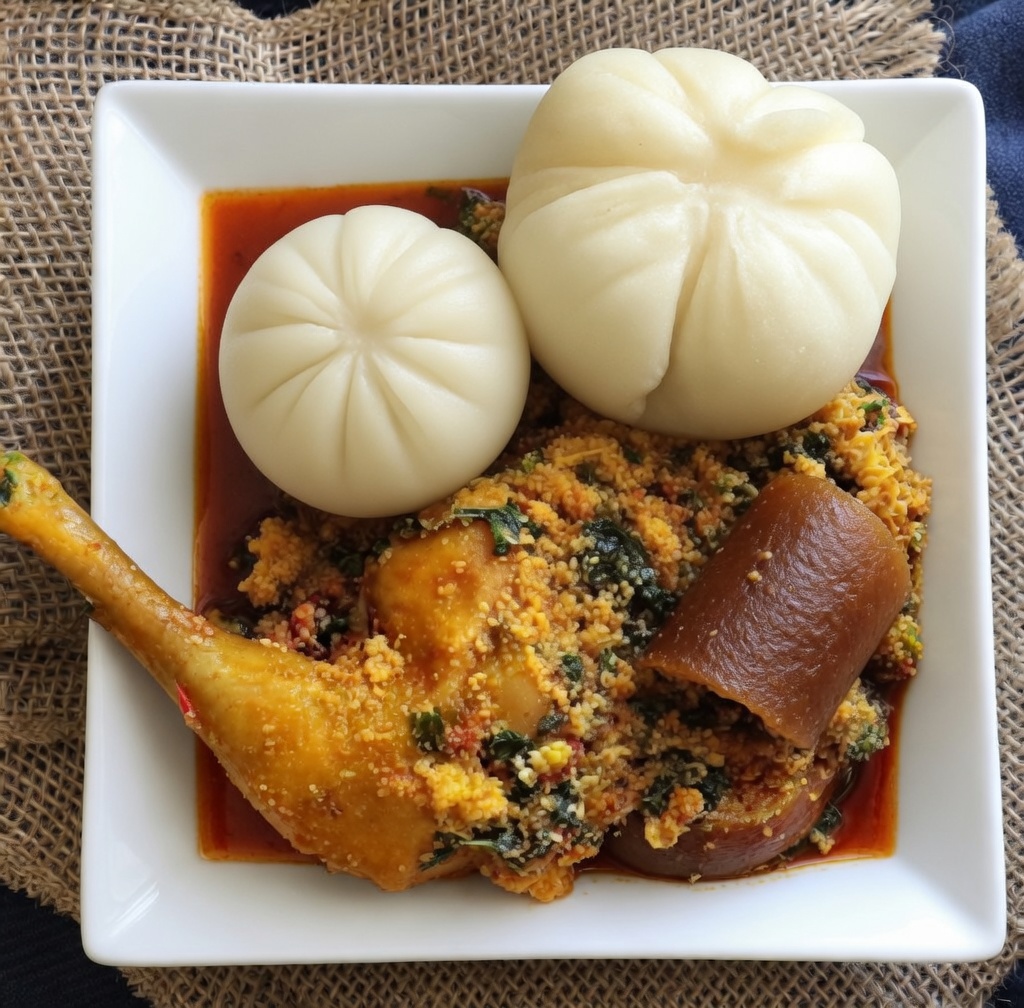
2. Pounded Yam (Iyan) with Egusi or Vegetable Soup
Made by boiling and pounding yam into a soft, stretchy swallow. It is typically enjoyed with rich soups like egusi (melon seed soup), efo riro (spinach stew), or ogbono.
Cultural Significance:
Regarded as a royal or festive meal. It symbolizes respect and warm hospitality, and is often prepared for honored guests.
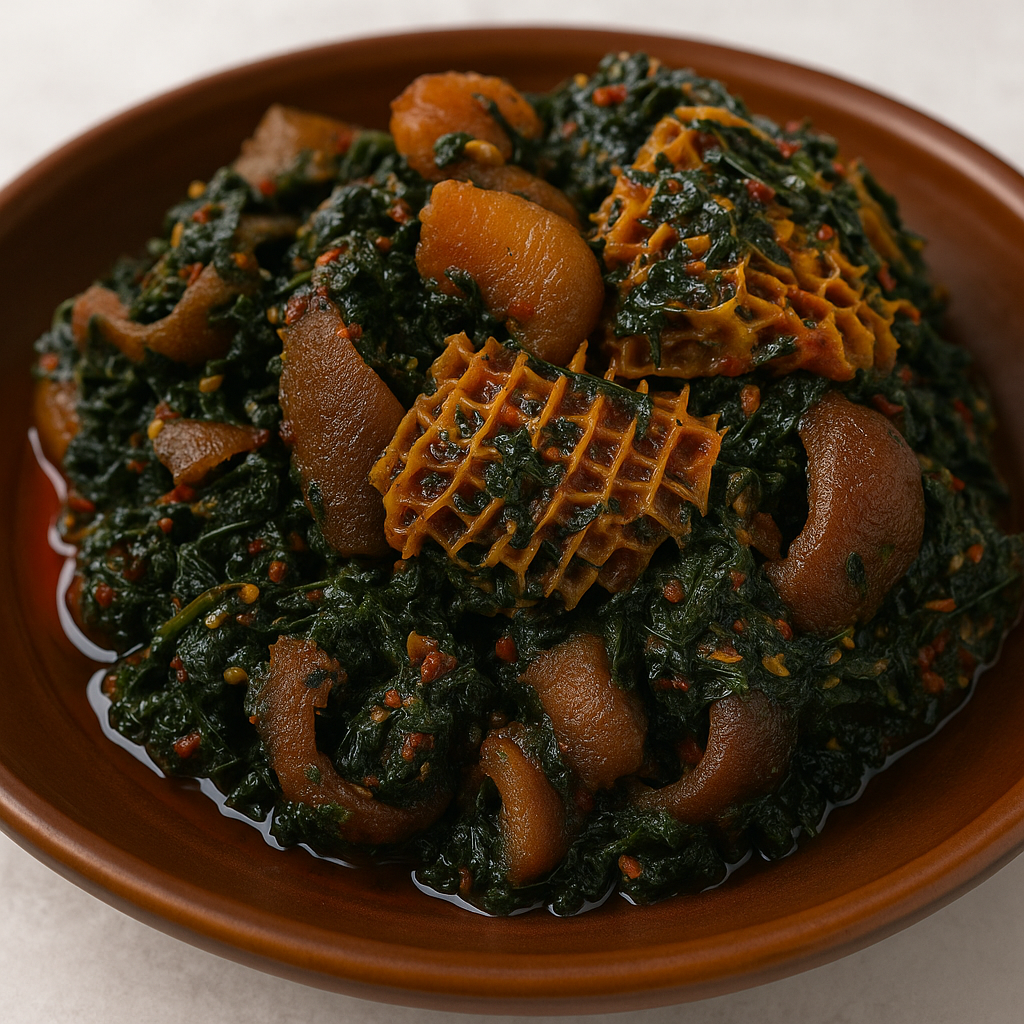
3. Efo Riro (Spinach Stew)
A hearty, spicy vegetable stew prepared with spinach (or ugu leaves), peppers, tomatoes, onions, and assorted meats or fish.
Cultural Significance:
It represents balance — combining greens, protein, and spice. Often eaten with rice, yam, or amala.
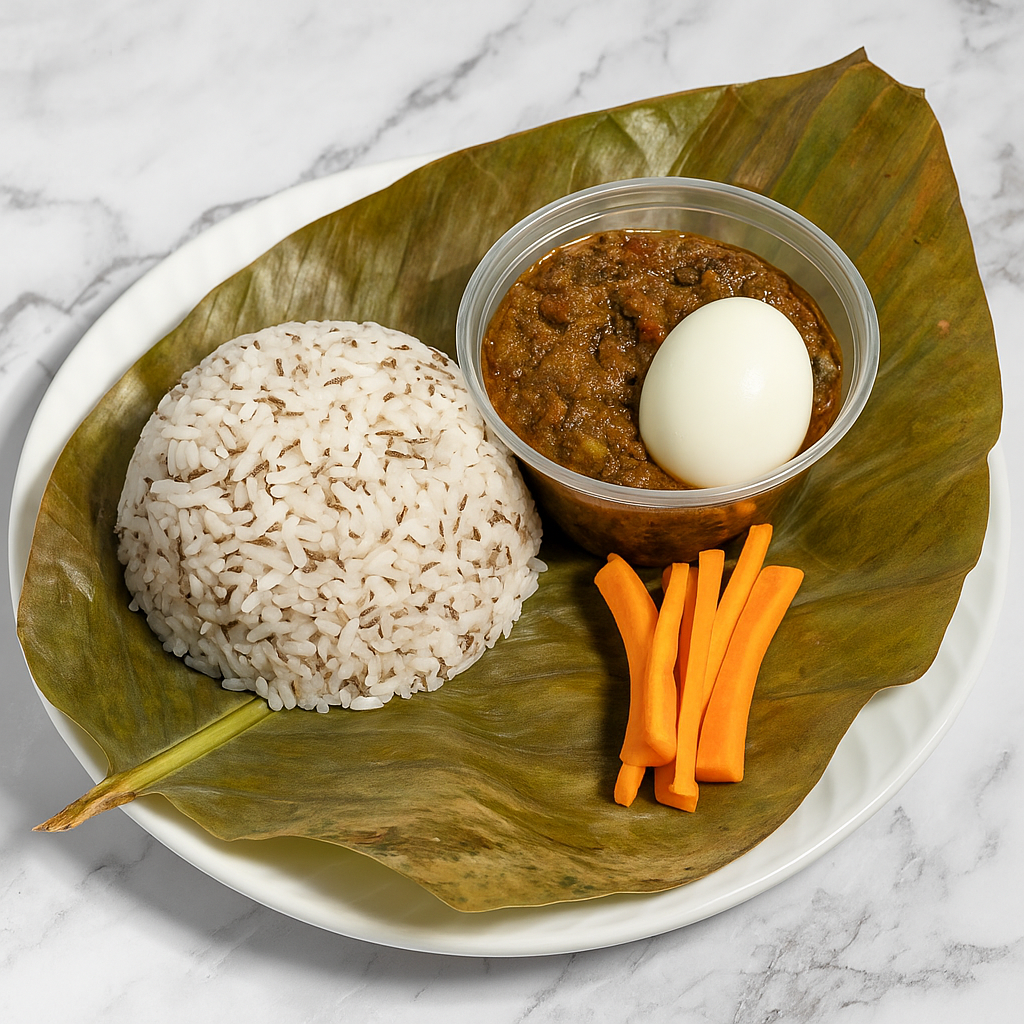
4. Ofada Rice and Ayamase (Designer Stew)
Ofada is a local, unpolished brown rice with a unique aroma. It is served with ayamase, a flavorful green pepper stew cooked with assorted meats and palm oil. Traditionally wrapped in banana leaves.
Cultural Significance:
A beloved delicacy from Ogun State, especially popular during special occasions and ceremonies.
5. Ewa Agoyin (Mashed Beans)
Soft-cooked beans mashed and topped with a spicy, oily pepper sauce. Usually served with fried plantain (dodo) or bread.
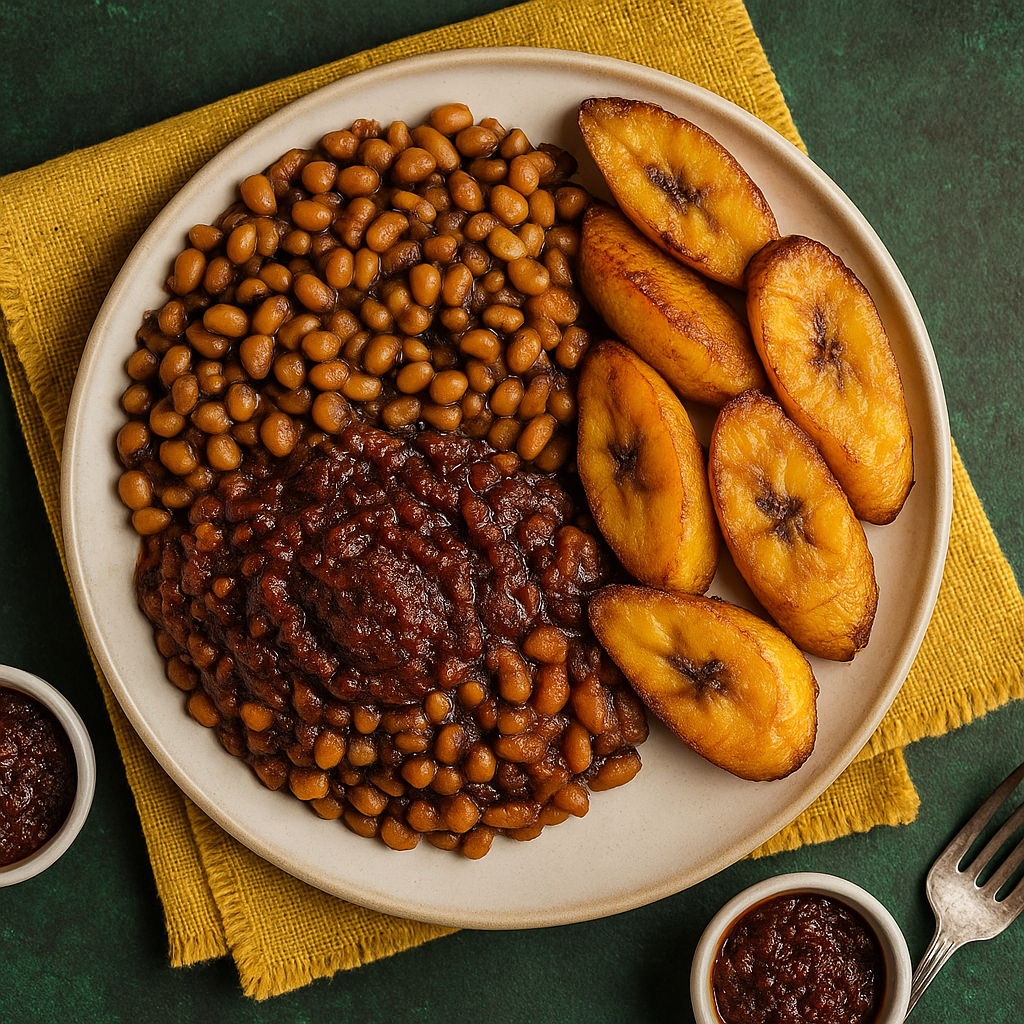
Cultural Significance:
A popular, comforting street food enjoyed by all social classes — it symbolizes simplicity and everyday joy.
6. Moin Moin (Steamed Bean Cake)
A savory steamed pudding made from blended beans, onions, and peppers, often enriched with eggs, fish, or corned beef.
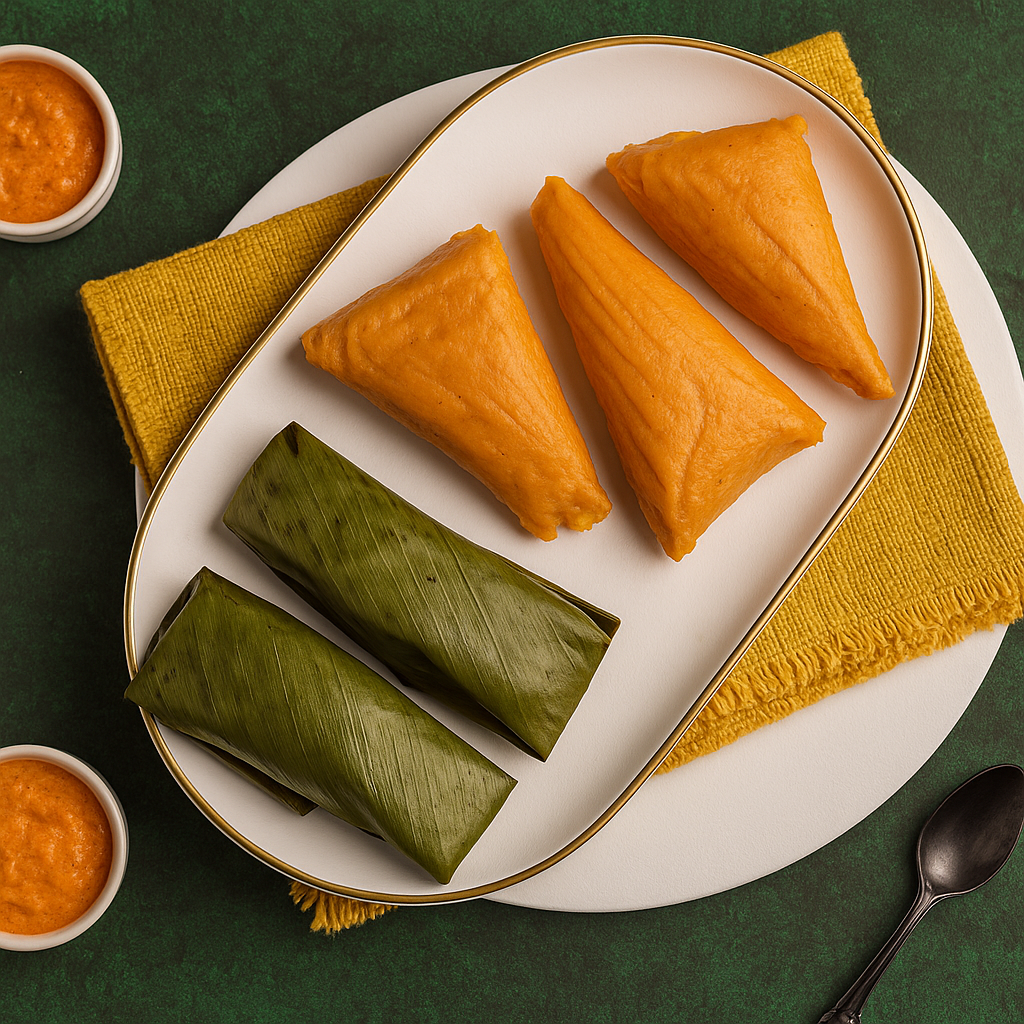
Cultural Significance:
A staple at family gatherings, parties, and ceremonies. It represents nourishment and culinary creativity.