
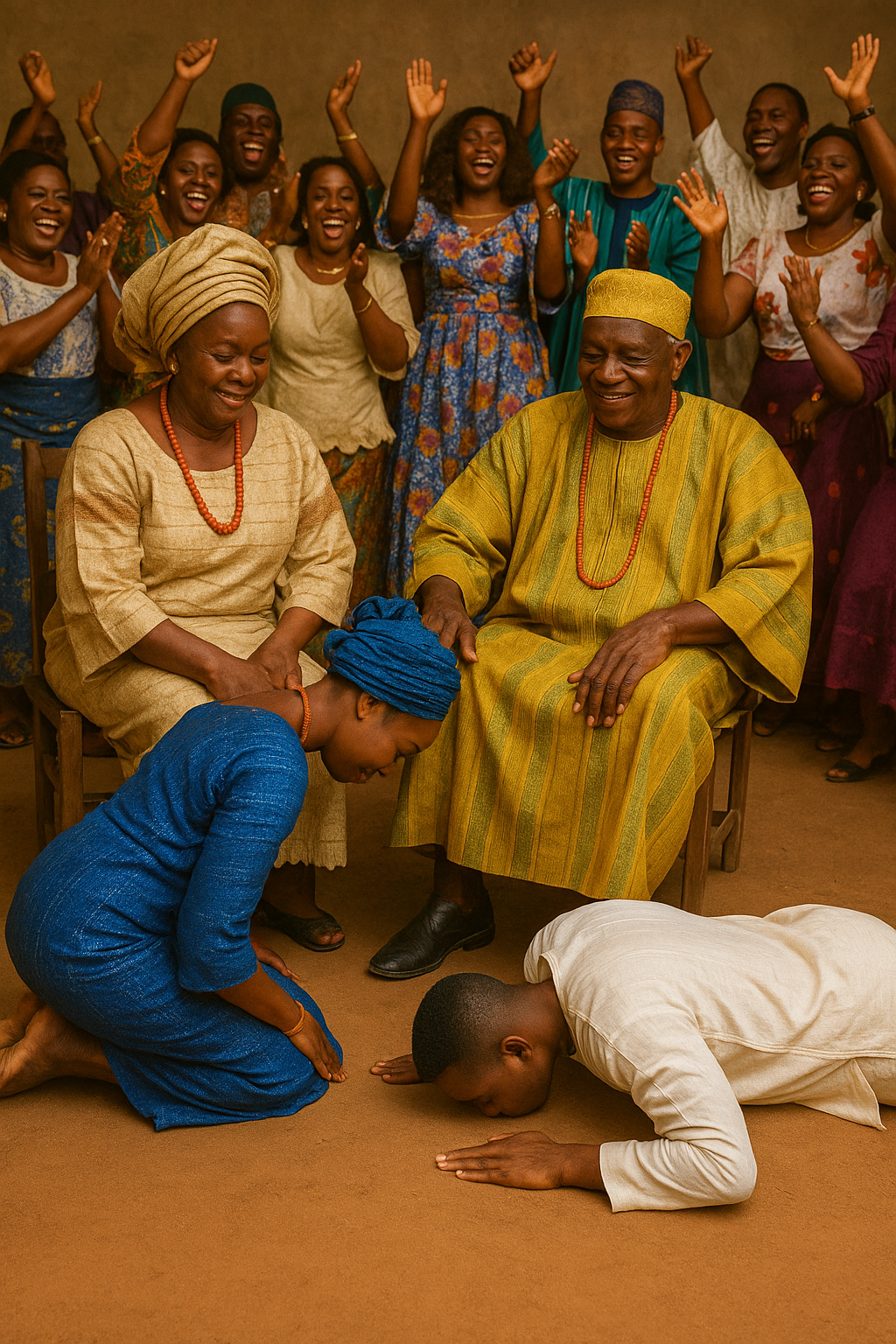
Yoruba: A Cultural Practice I Cherish: Showing Respect to Elders
Respect for Elders in Yorùbá Culture: The Heart of Our Identity
As a Yorùbá person, one of the cultural practices I deeply cherish is the profound way we show respect to our elders — through greetings, gestures, and our choice of words. In Yorùbá culture, respect is not merely good manners; it is the very foundation of our identity and social harmony.
How Respect is Shown
From childhood, every Yorùbá child is taught the proper way to greet elders:
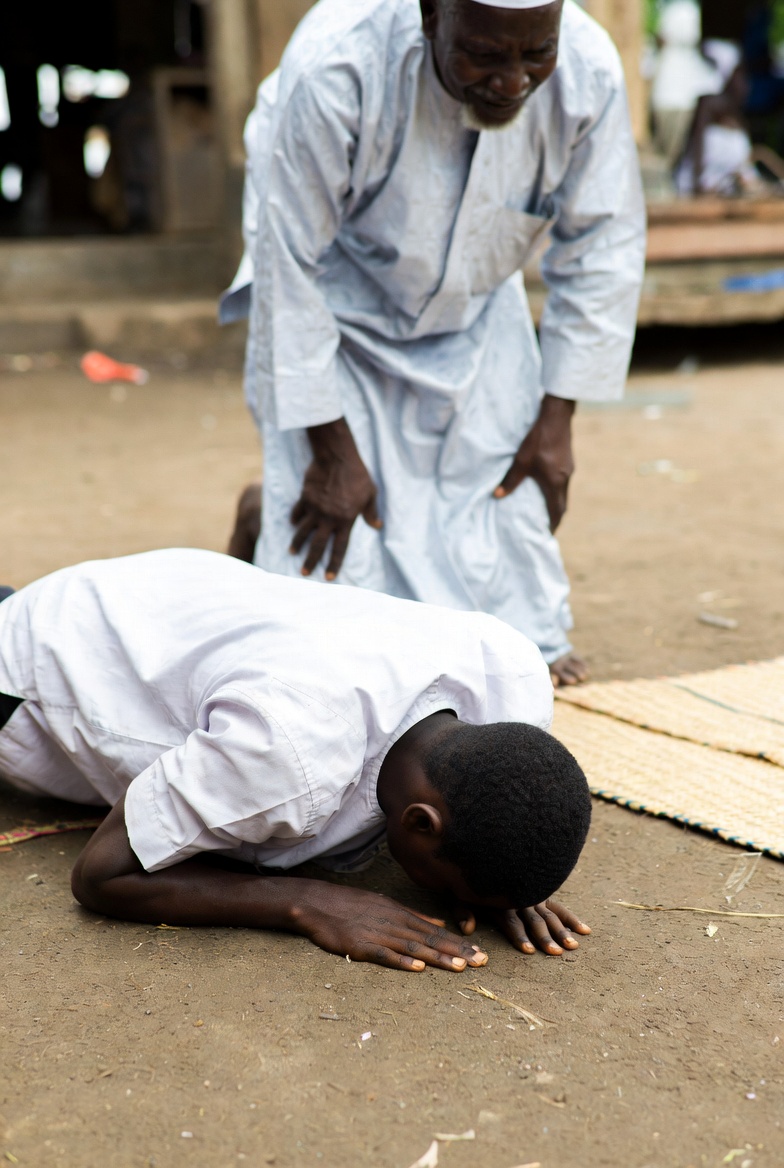
Men perform Dọ̀bálẹ̀ — prostrating fully or kneeling.
Women perform Ikúnlẹ̀ — kneeling gracefully.
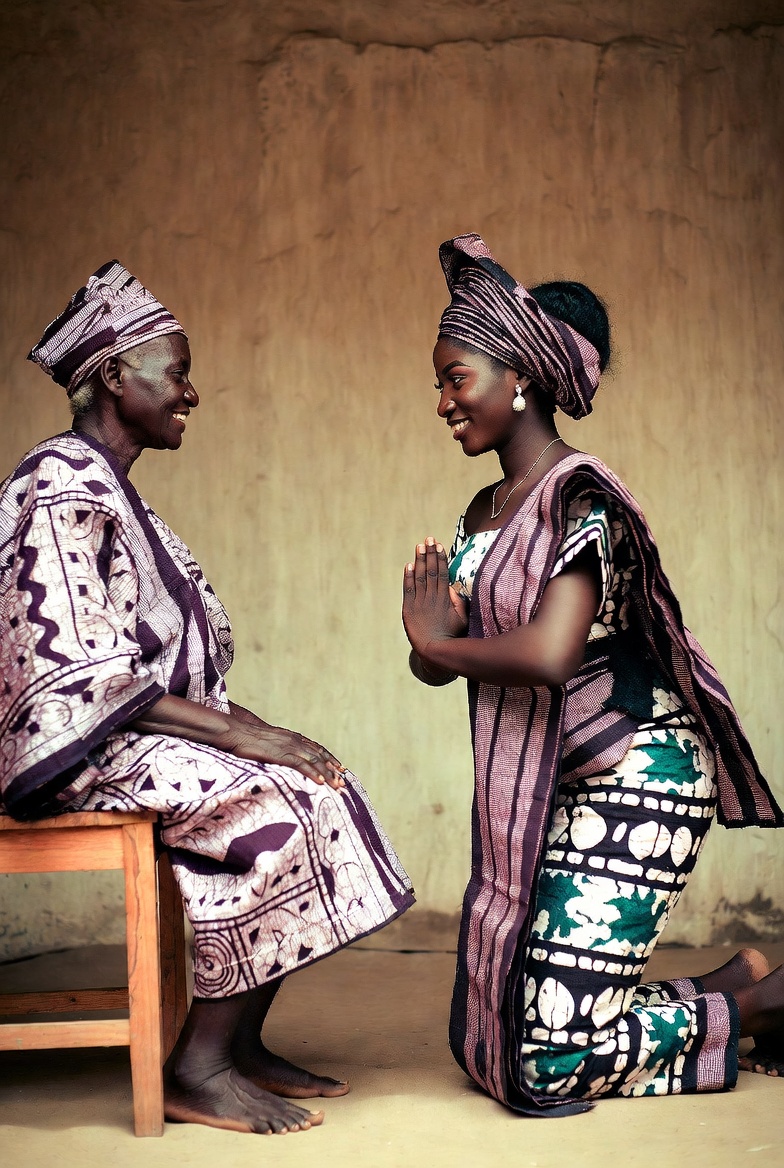
speech, we use respectful titles and phrases such as:
Ẹ̀káàsán Sir (Good afternoon, sir)
Ẹ kúulé Ma (Well done, ma)
Other courteous expressions that acknowledge age and wisdom.
Why This Practice Matters
This tradition holds deep meaning for me because it:
Keeps humility, discipline, and gratitude alive in a fast-changing world.
Honors the generations before us and values their wisdom and experience.
Strengthens family and community bonds.
When a young person greets elders properly, they earn blessings, guidance, and goodwill. In return, elders feel respected, loved, and motivated to guide the younger generation.
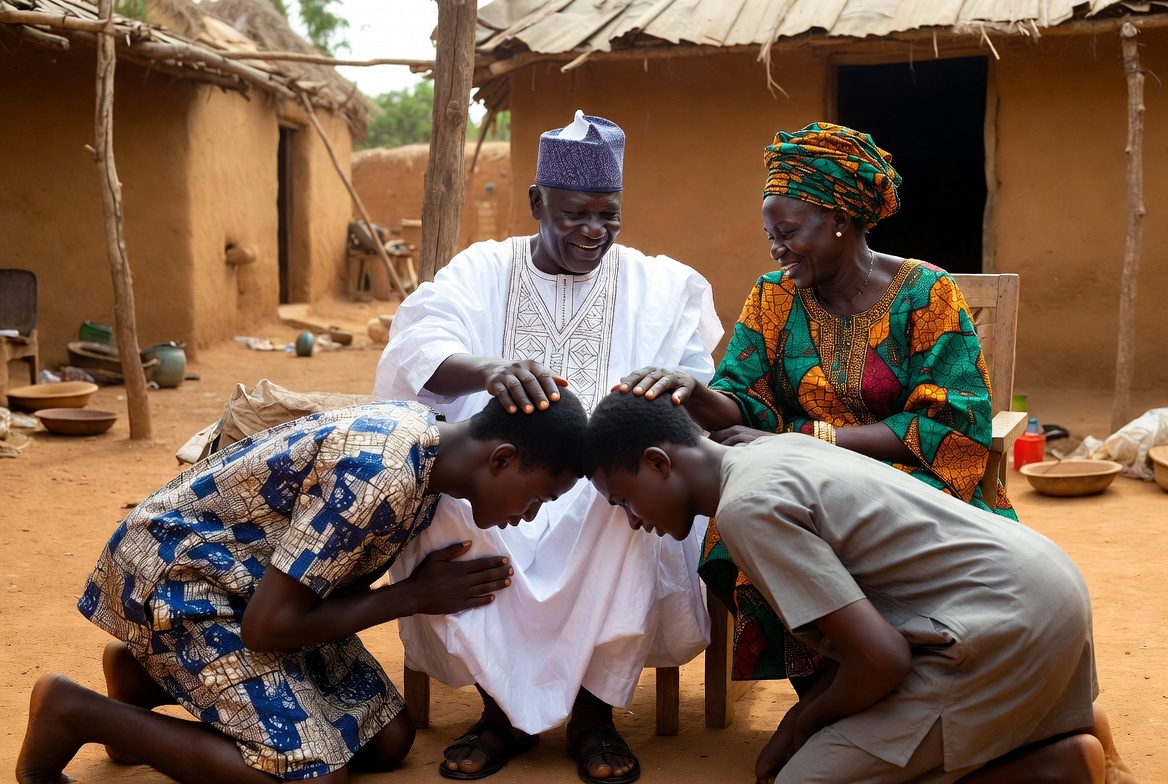
Deeper Cultural Significance
This simple daily act of greeting teaches:
Patience
Courtesy
Empathy
The importance of relationships and peace
It is a constant reminder that in Yorùbá culture, people matter more than anything else.
My Personal Commitment
No matter where life takes me, I will always kneel, smile, and greet my elders with respect — because respect is the heart of who we are as Yorùbá people