
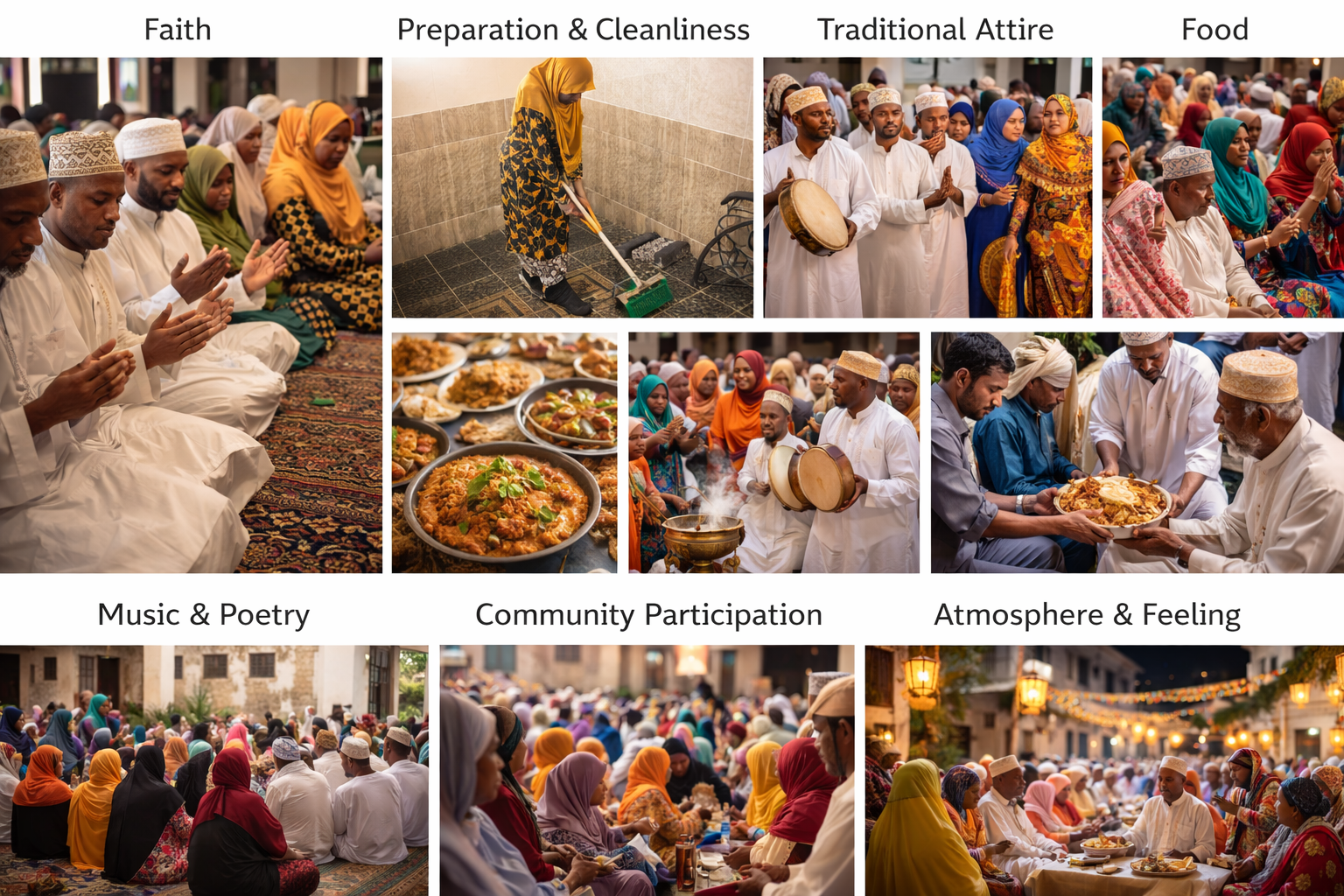
A Typical Swahili Occasion
wahili celebrations — whether weddings, births, Eid, housewarmings, or graduations — are full of warmth, tradition, and joy. Here’s how they typically unfold:
1. It Begins with Faith
Most Swahili events start on a spiritual note:
Du’a (prayers)
Qur’an recitation
Blessings from elders
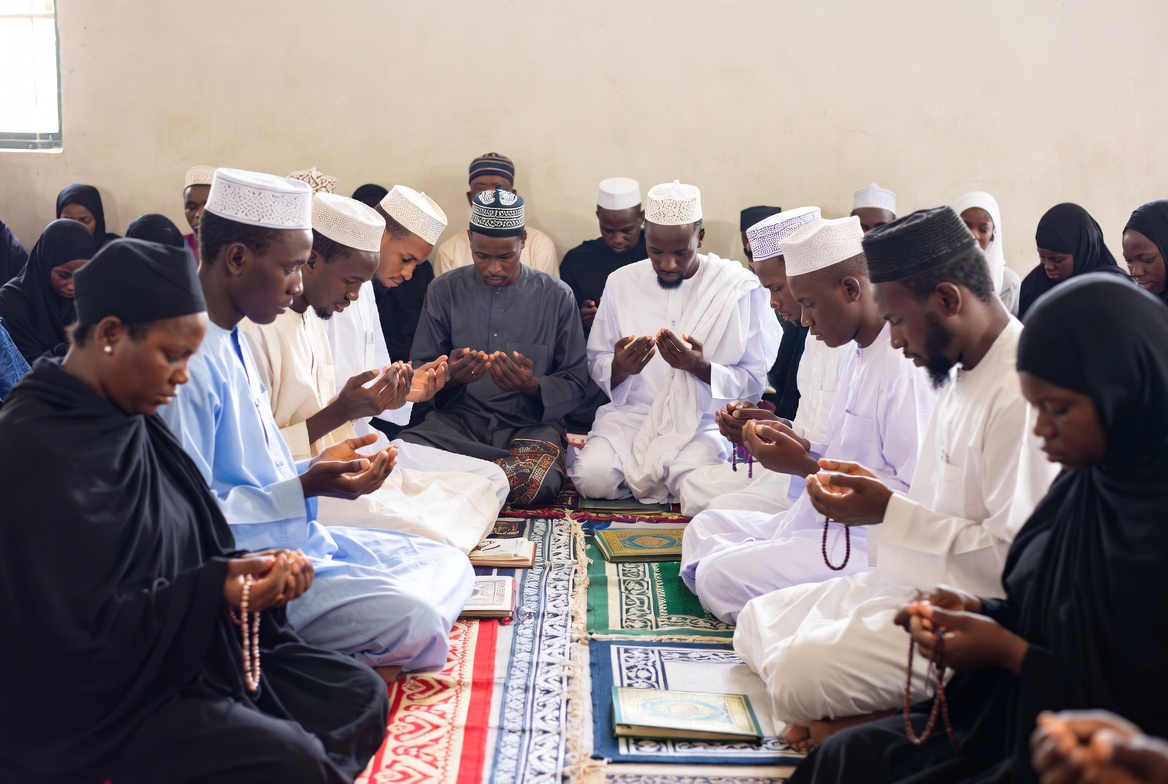
Spiritual grounding is very important. Even before the food or music begins, the focus is on seeking blessings.
2. Preparation & Cleanliness
Before any big celebration:
The home is thoroughly cleaned
Courtyards are washed
Walls are sometimes repainted with fresh white lime
Women prepare special clothing days in advance
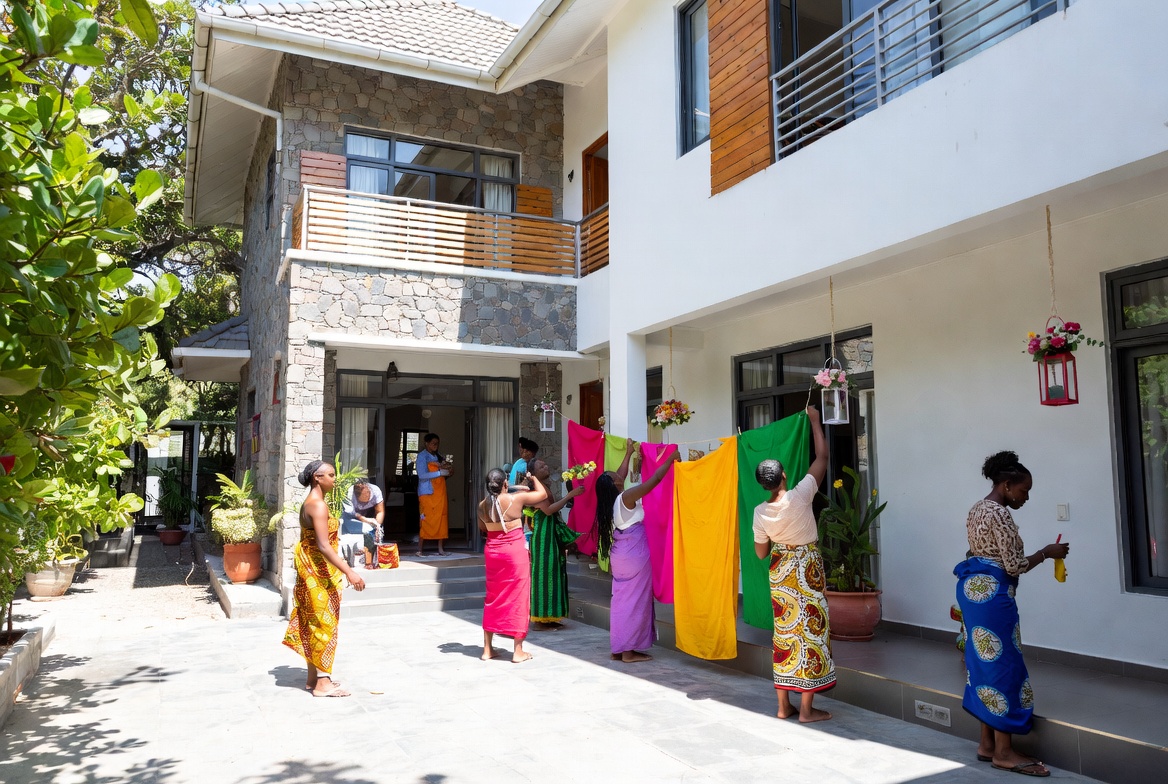
A clean and well-presented home shows honor and respect for guests.
3. Traditional Dress
People dress elegantly to show dignity:
Men: Crisp white kanzu (long robe) with embroidered kofia caps
Women: Beautiful buibui, colorful leso wraps, or elegant embroidered dresses
Henna designs on hands for weddings and special occasions
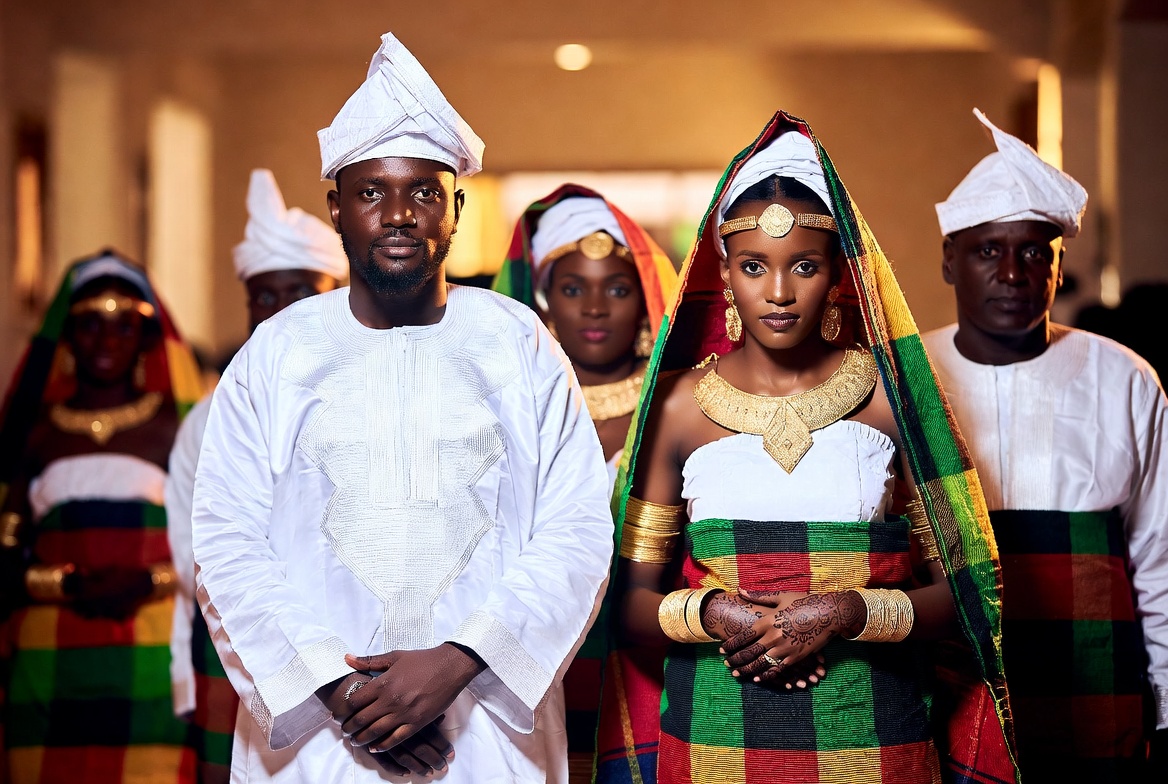
Looking dignified is an important part of Swahili culture.
4. Food is the Heart of the Celebration
Food is always abundant and shared generously. Common dishes include:
Pilau
Biryani
Wali wa Nazi (coconut rice)
Samaki wa Kupaka (fish in coconut sauce)
Mahamri and mandazi
Sweet spiced tea
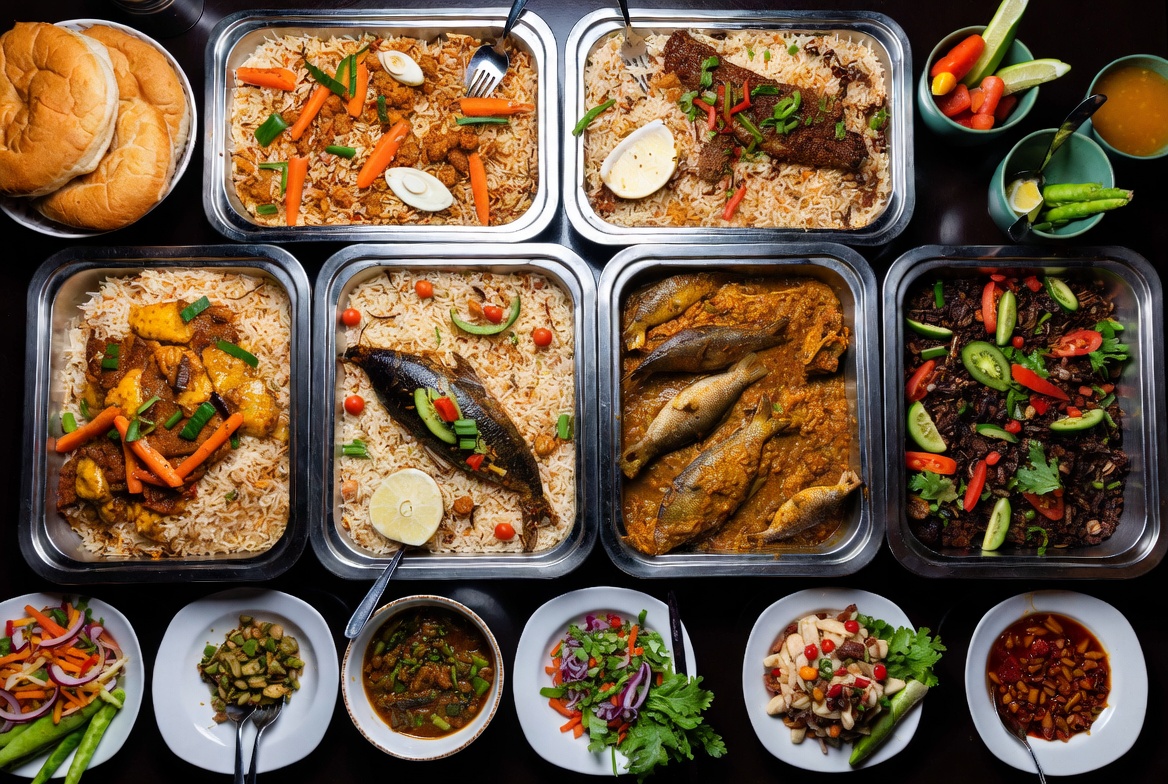
Large trays are passed around, and no one leaves hungry. Even unexpected guests are warmly welcomed.
5. Music, Poetry & Storytelling
Celebrations come alive with:
Taarab music
Qaswida (devotional poetry)
Traditional drumming
Women’s joyful ululation
Dancing
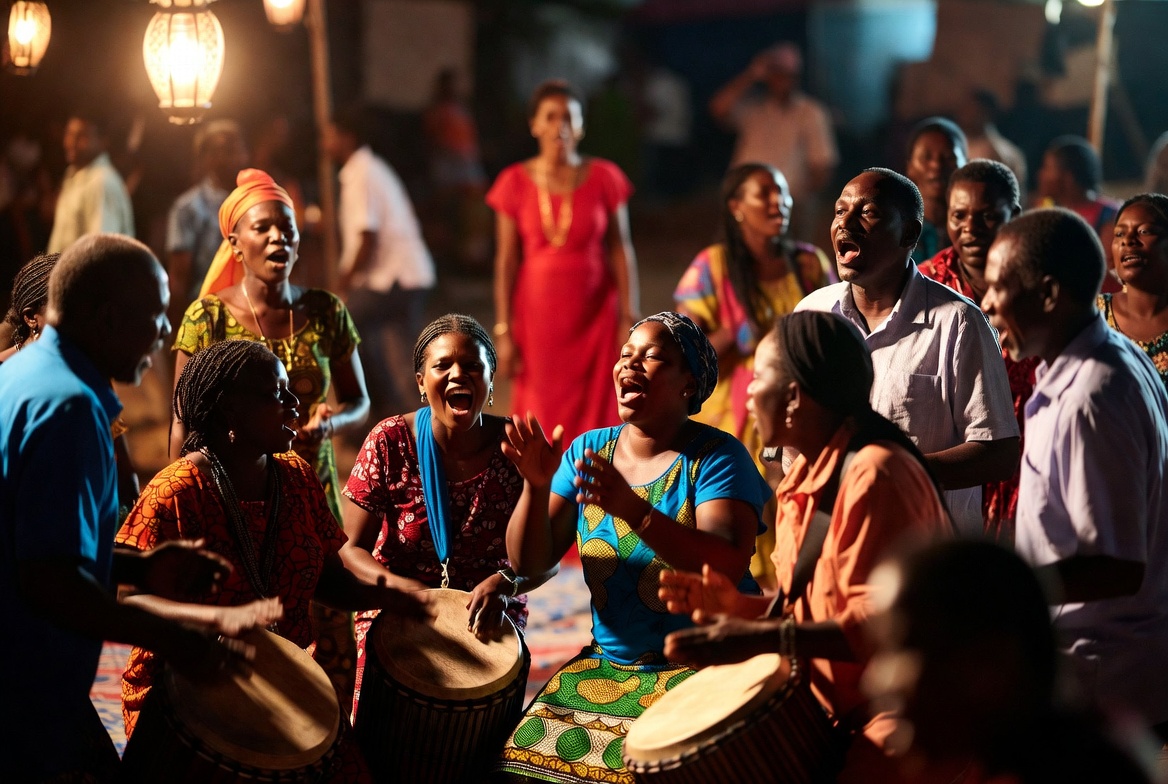
Elders often share stories or give advice — especially at weddings. Swahili culture deeply values eloquence and poetic expression.
6. Community Participation
A Swahili celebration is rarely just for the immediate family:
Neighbors help with cooking
Extended relatives contribute food or funds
Youth assist with serving
Elders guide cultural traditions
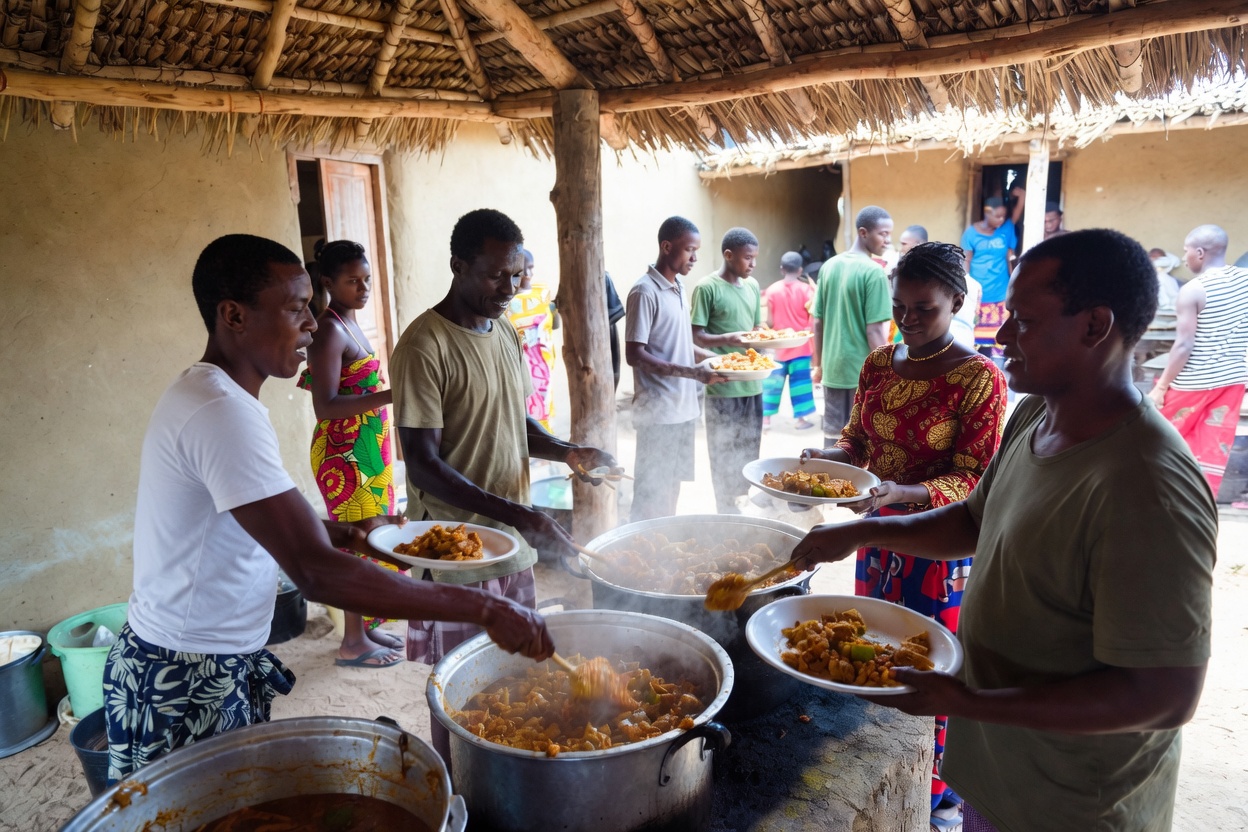
This strong participation helps strengthen community bonds.
7. Gendered Spaces (in Traditional Settings)
In more conservative gatherings:
Some parts may be separated by gender
Pre-wedding events are often women-only or men-only
This allows free cultural expression while respecting modesty norms.
8. The Atmosphere & Feeling
If you attend a Swahili celebration, you’ll experience:
The warm aroma of cloves, coconut, and spices in the air
Gentle sea breeze (especially in coastal towns)
Laughter echoing through narrow stone alleys
Beautiful layered fabrics and sparkling gold jewelry
Genuine, effortless hospitality
What Makes Swahili Celebrations Unique
They emphasize respect, dignity, faith, generosity, and community unity.
It’s not about extravagance — it’s about honor, belonging, and shared joy