
An experience where language and culture played a significant role
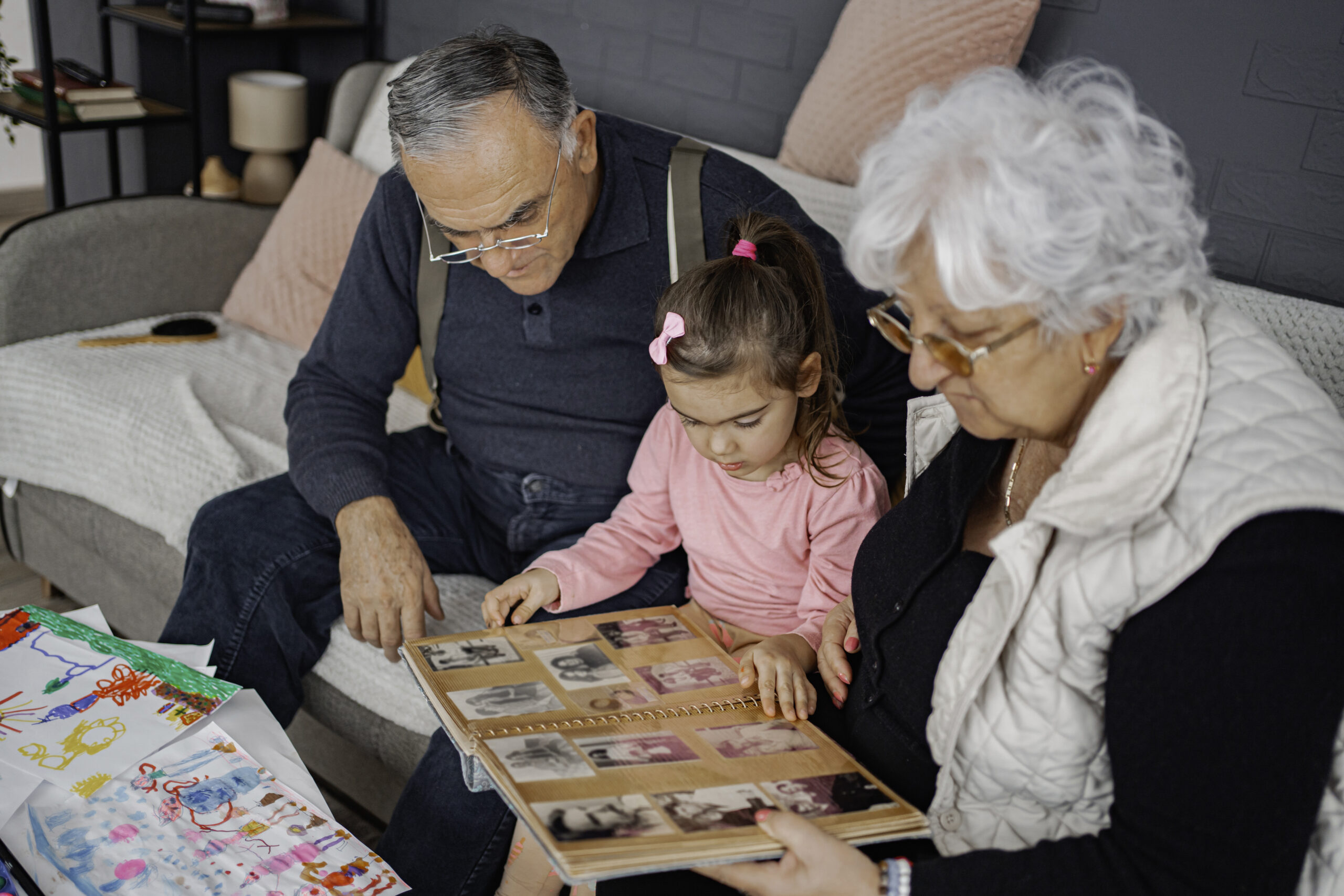
One experience that truly stands out for me happened a few years ago when my grandmother (Teta) was very ill in the hospital. The whole family was exhausted, worried, and emotionally drained. I was sitting by her bedside one quiet evening, holding her hand. She was too weak to speak much, but she suddenly looked at me and whispered in Arabic:
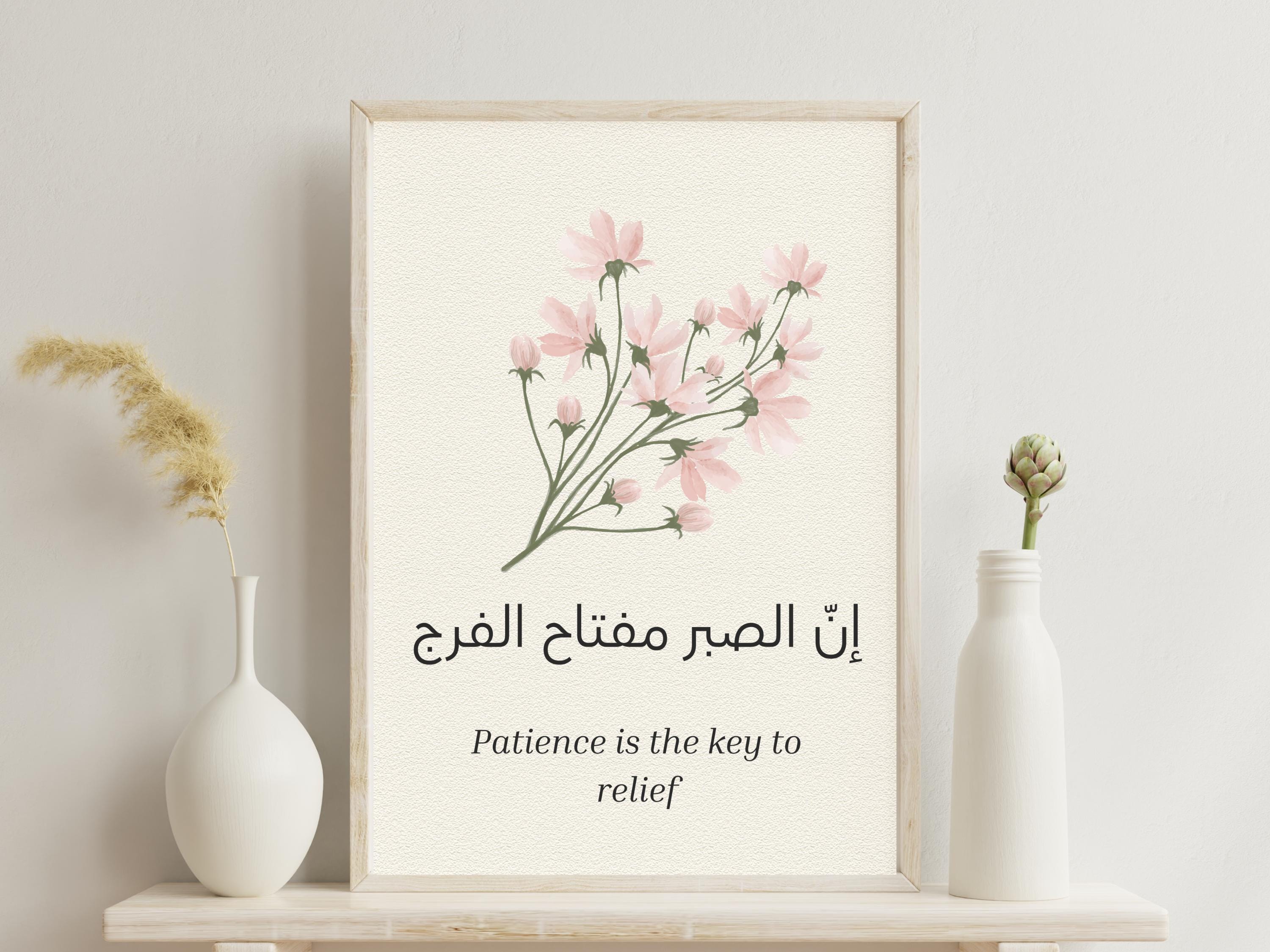
“الصبر مفتاح الفرج… يا ولدي.”
(As-sabr miftāḥ al-faraj, ya waladi — Patience is the key to relief, my son.)
 That moment hit me deeply. It wasn’t just words — it was her passing on generations of resilience through our language and culture.
What Happened Next
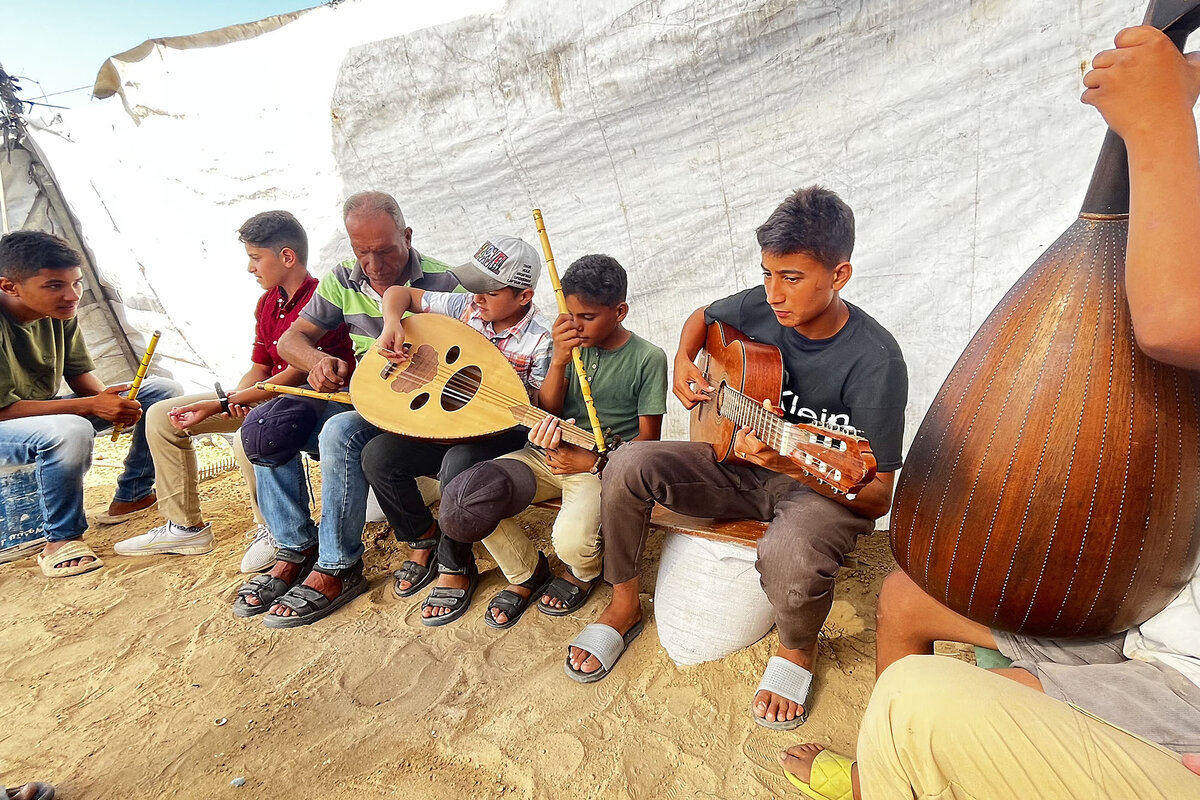
I started softly reciting some old Palestinian folk songs and dabke rhythms we used to sing during olive harvests. Even though she couldn’t open her eyes fully, I saw a small smile on her face. A nurse who was Palestinian overheard and joined in quietly. For a few minutes, the hospital room — usually cold and clinical — felt warm and full of home. Family members who came in later joined, sharing memories and proverbs.
 How It Helped Me
- Emotionally: It gave me strength and comfort when I felt helpless. The proverb reminded me that this pain was temporary and that patience brings relief.
- Connection: It bridged generations — my Teta felt understood in her own language and world, not isolated in a medical setting.
- Healing: Speaking Arabic and sharing cultural memories created a sense of safety and belonging for the whole family during one of the hardest times.
 Why It Was So Significant
That experience showed me how powerful language and culture are as anchors. In moments of crisis, they become medicine for the soul. They connect us to our roots, to those who came before us, and to each other. It made me realize that preserving our Arabic language, proverbs, songs, and traditions isn’t just about identity — it’s about survival, love, and hope.
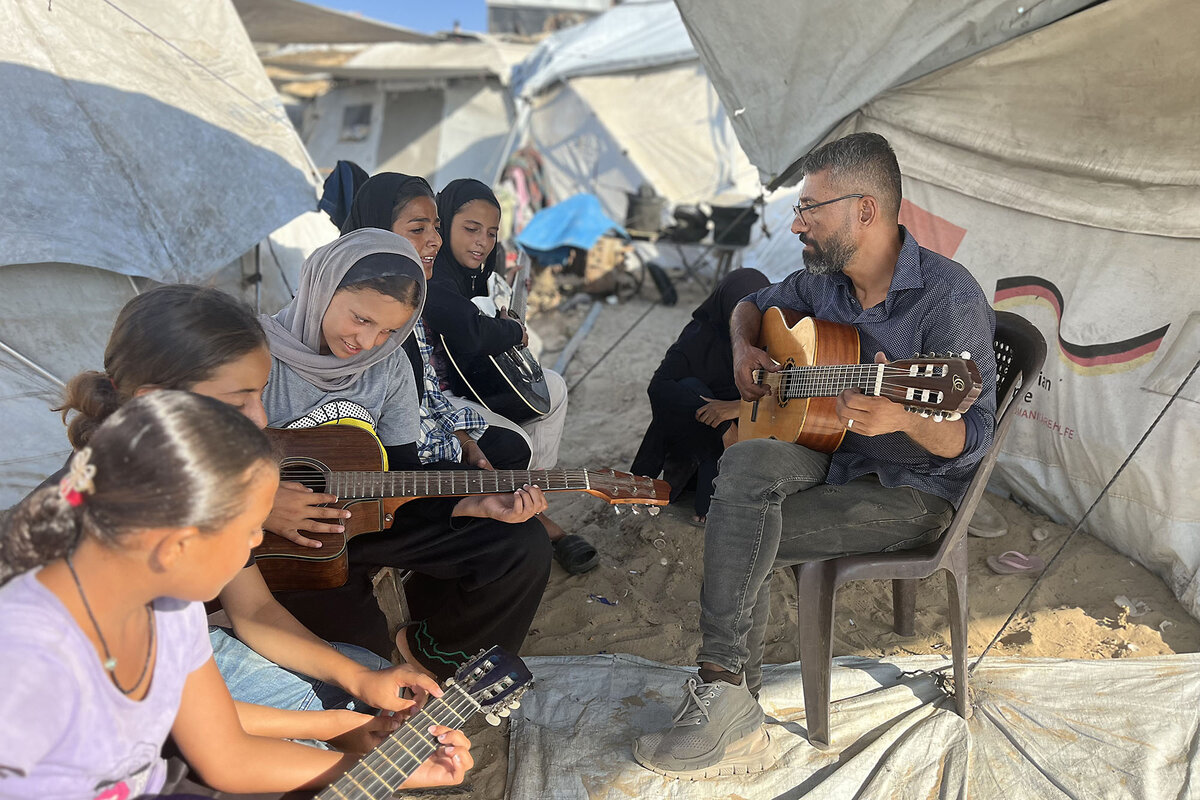 Because of that day, I made a promise to myself: I will teach my future children and grandchildren these same proverbs, songs, and stories — not as lessons, but as living gifts they can carry with them anywhere in the world.