
Historical landmarks in Canada
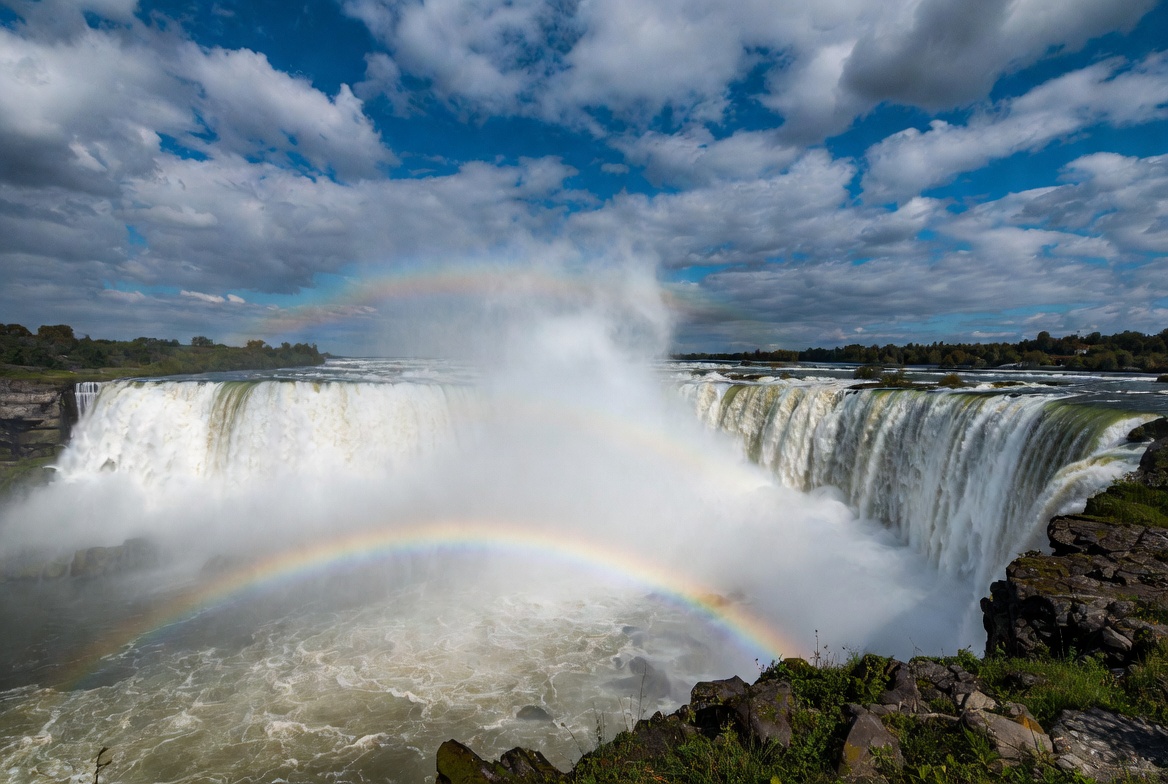
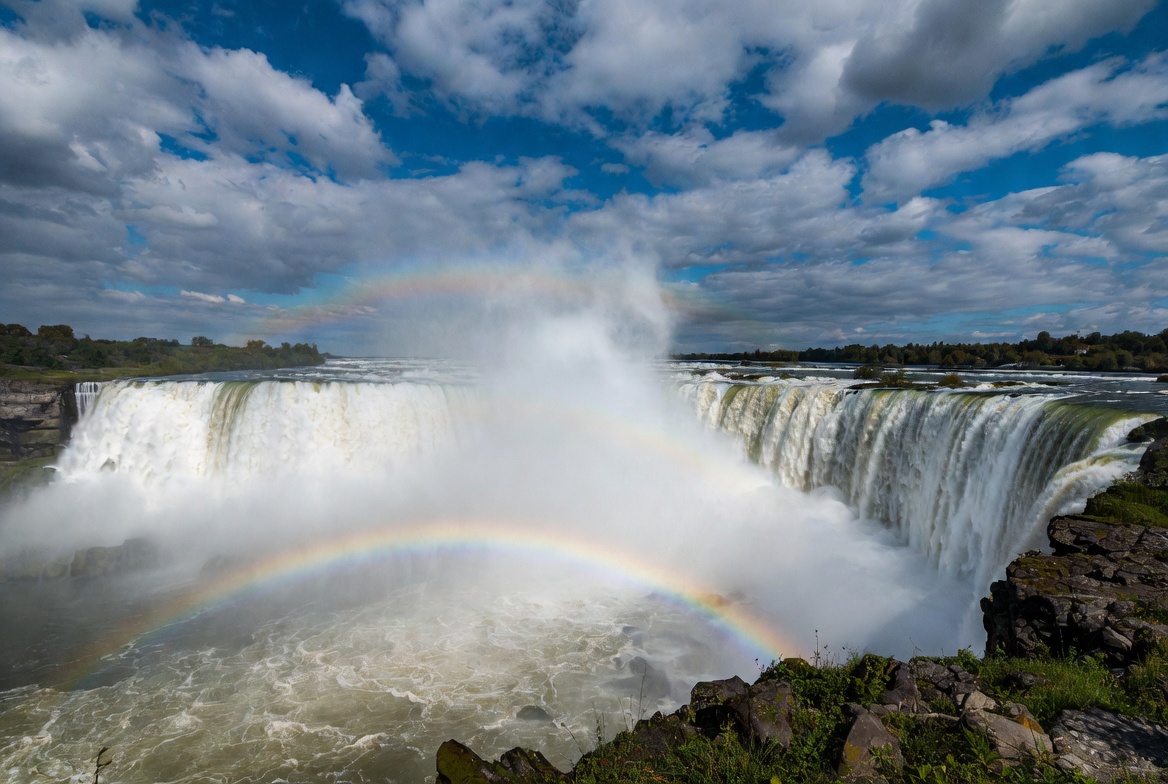
Niagara Falls: Not just a natural wonder — it has been a major tourism site since the 1800s and played a strategic role in the War of 1812. Symbol of natural power and Canadian-American friendship.
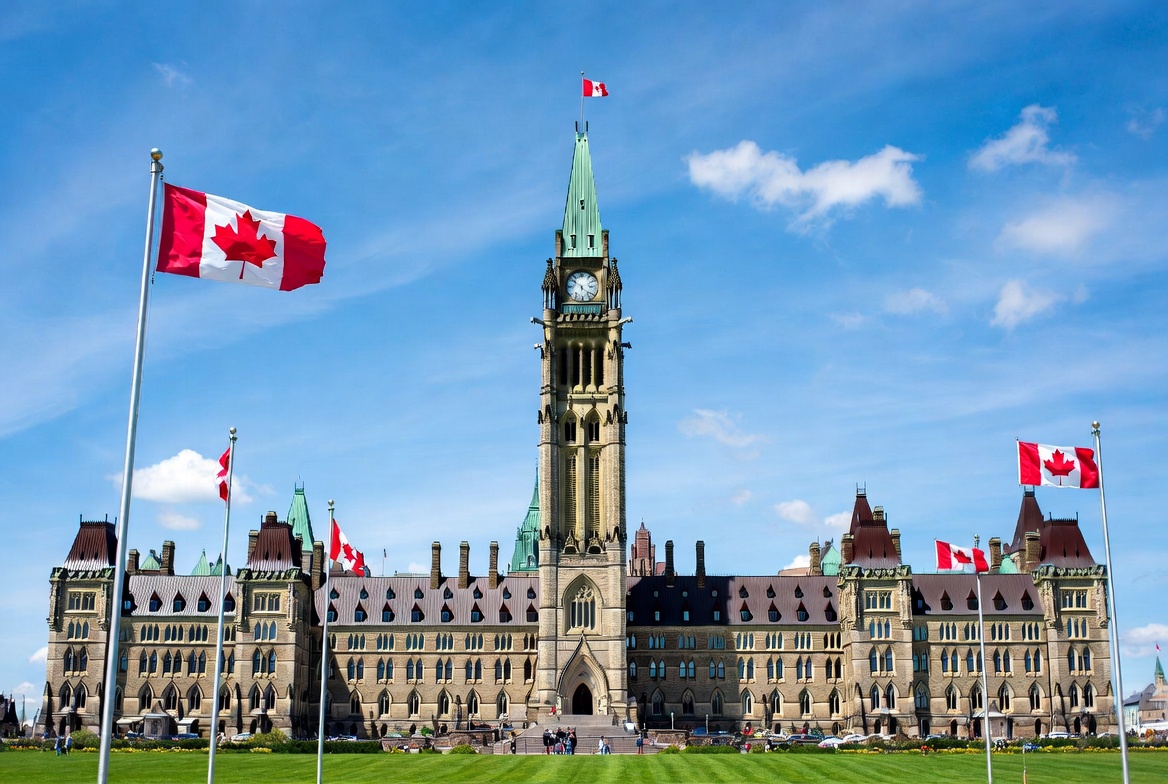
 Parliament Hill, Ottawa: The seat of Canadian government. The iconic Centre Block with the Peace Tower is where Canada’s laws are made. Site of many national celebrations and protests.
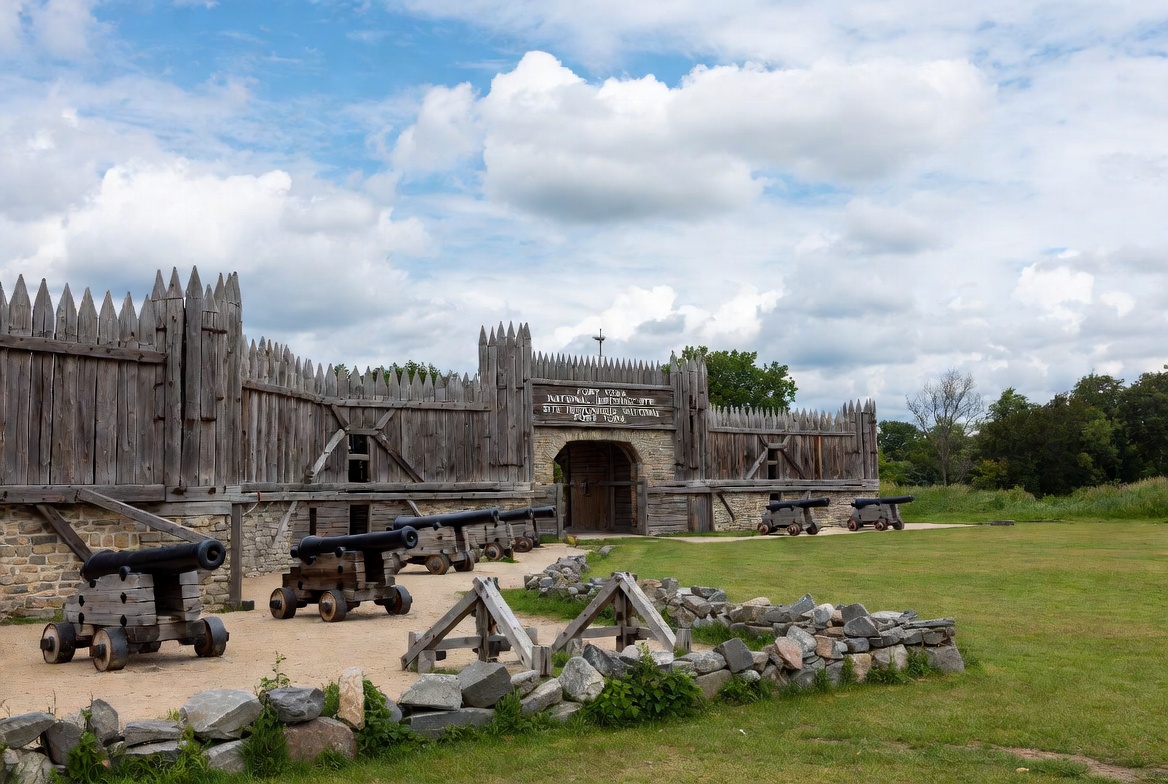
 Fort York, Toronto: Key site from the War of 1812. Represents early Canadian defence and the founding history of Toronto (then York).
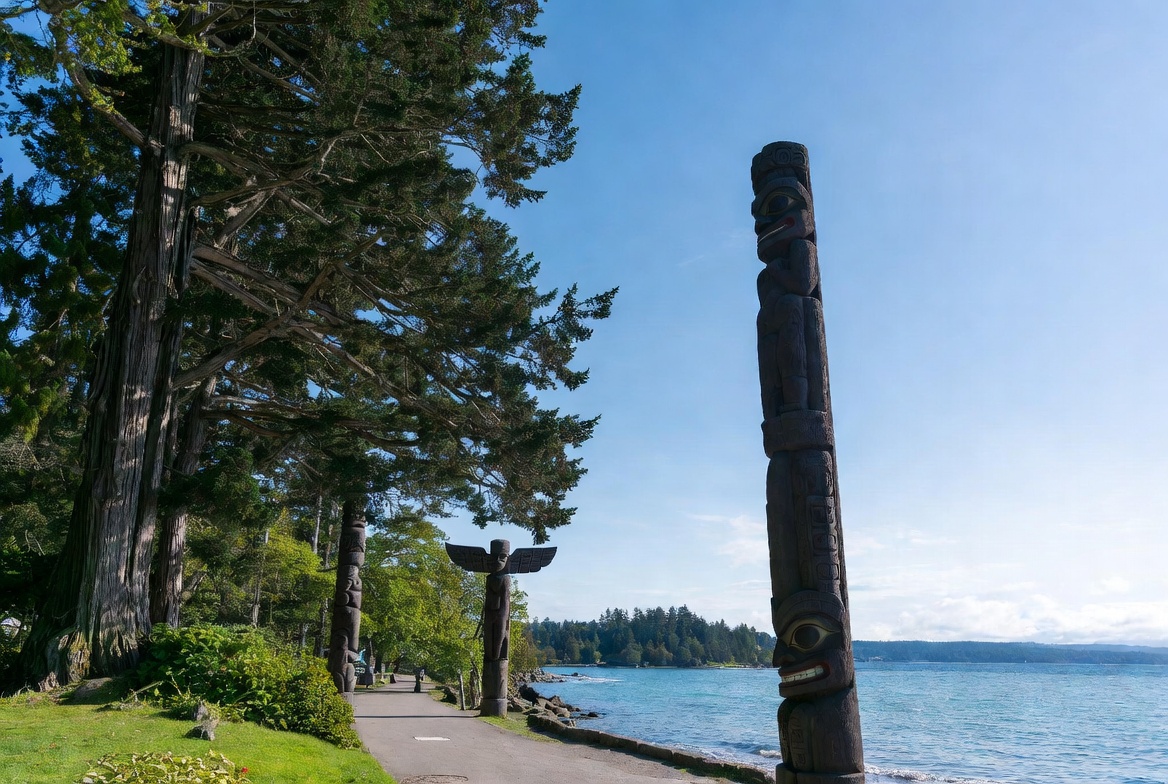
 Stanley Park, Vancouver: One of the largest urban parks in Canada. Contains totem poles that honour First Nations heritage and represents the blending of Indigenous and settler history.
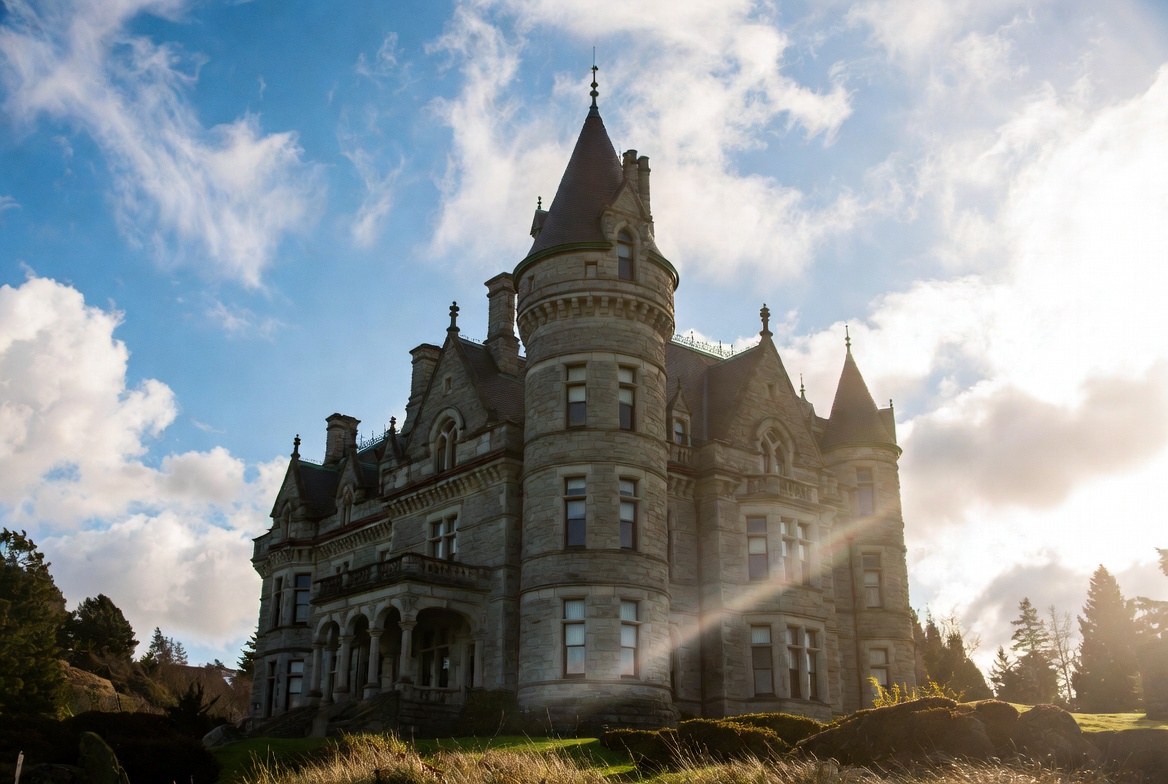
 Craigdarroch Castle, Victoria: A grand Victorian mansion built during the coal boom. Symbol of the wealth and ambition of 19th-century British Columbia industrialists.
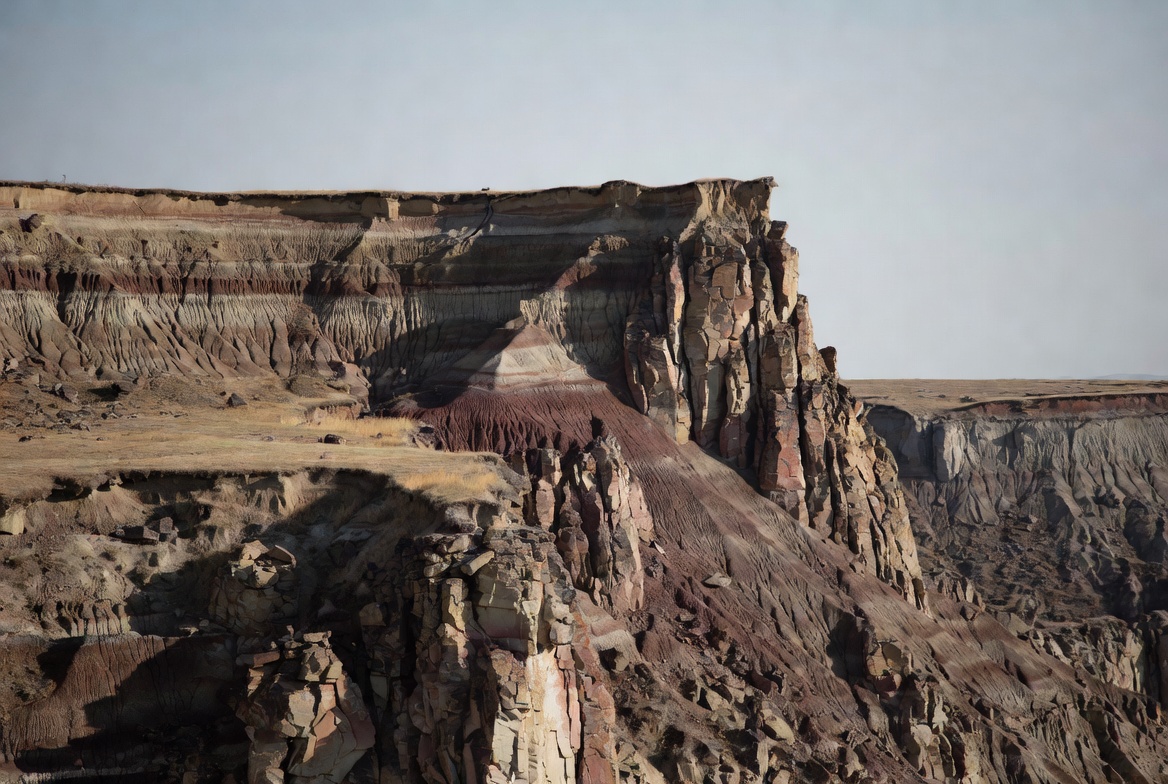
 Head-Smashed-In Buffalo Jump (Alberta): A UNESCO World Heritage Site used by Indigenous peoples for over 5,500 years to hunt bison. One of the oldest and best-preserved buffalo jumps in the world.
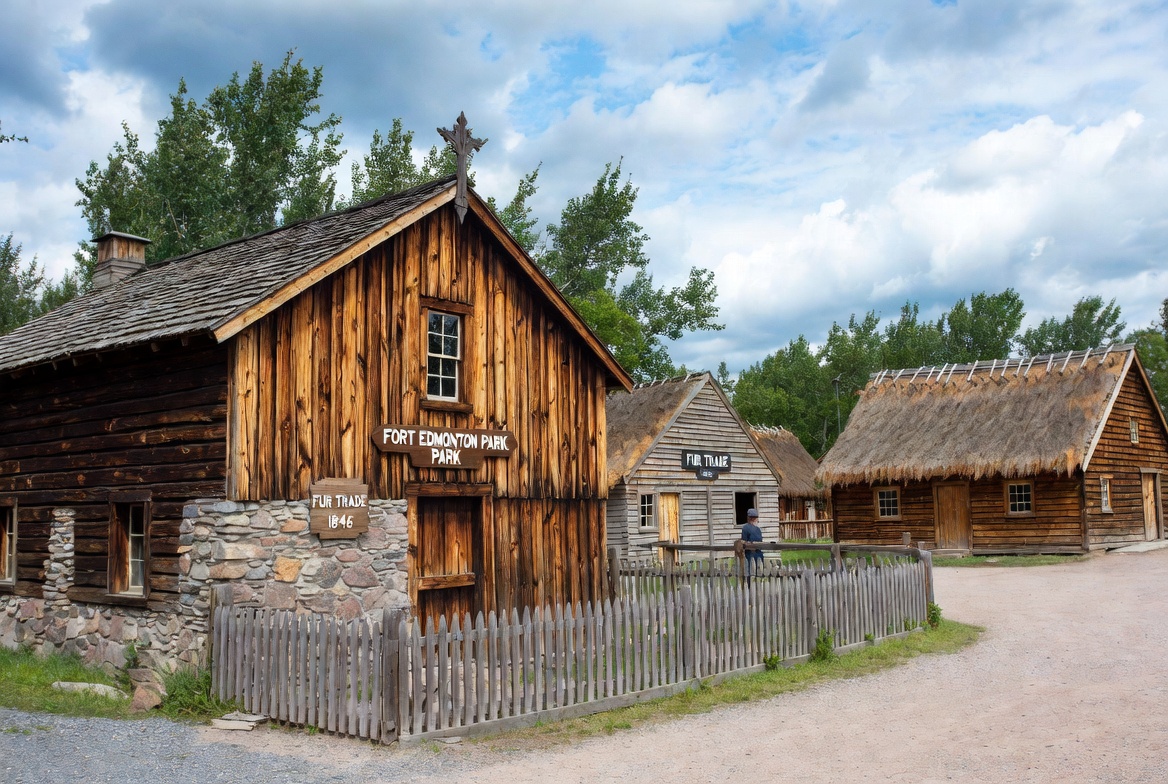
 Fort Edmonton Park: Re-creation of historic Fort Edmonton, showing the fur trade era and early settlement life in Western Canada.
 Citadel Hill, Halifax (Nova Scotia): Historic star-shaped fort overlooking the harbour. Played key roles in multiple wars and symbolizes Halifax’s importance as a military and naval base.
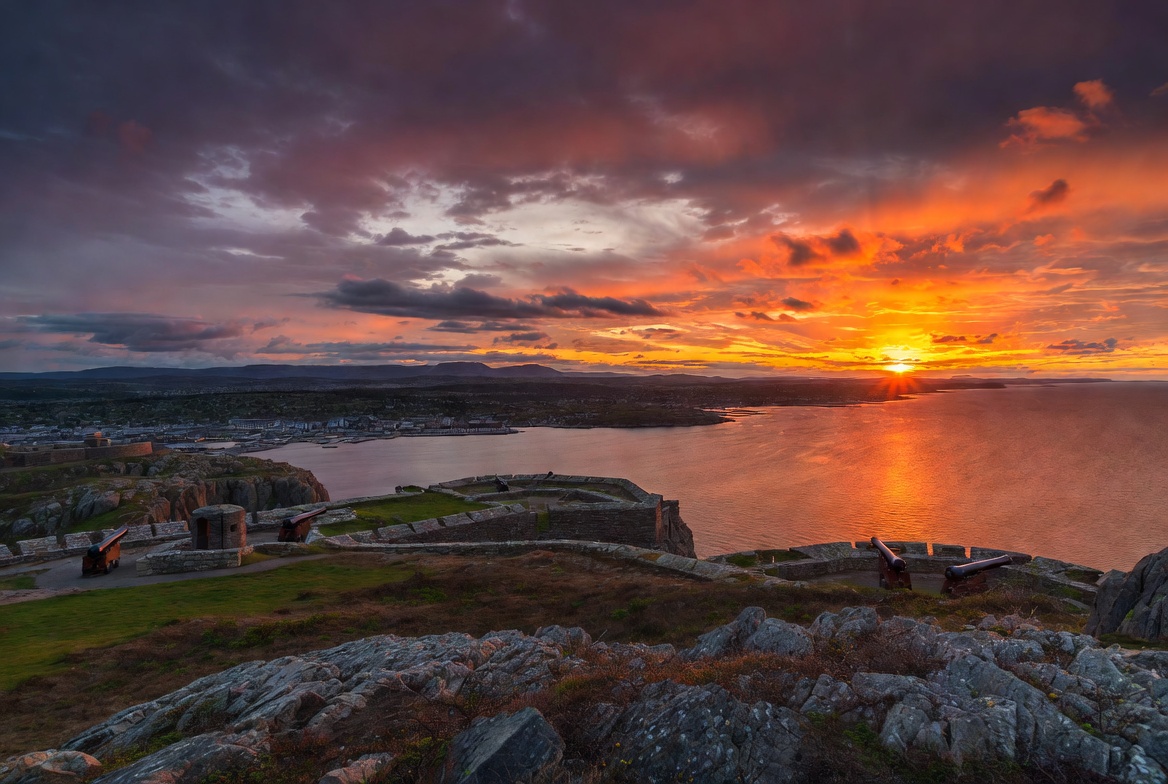
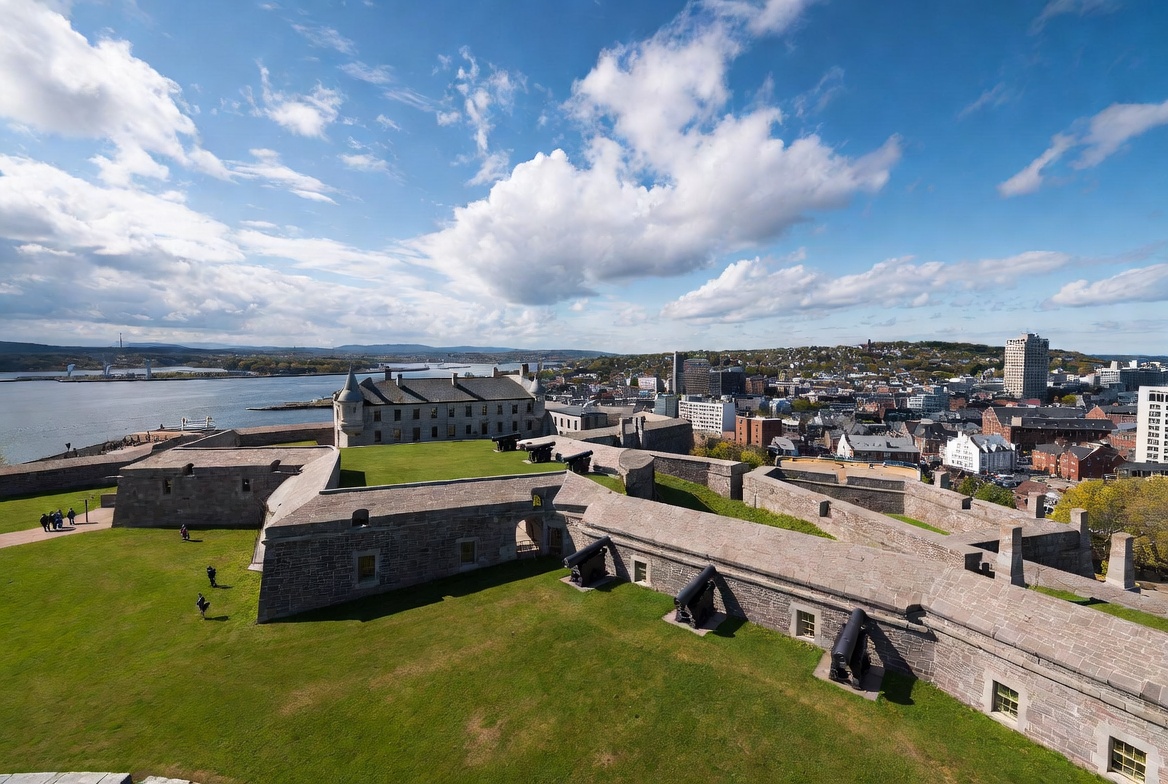 Signal Hill, St. John’s (Newfoundland): Site where Marconi received the first transatlantic wireless signal in 1901. Also a strategic military location throughout history.
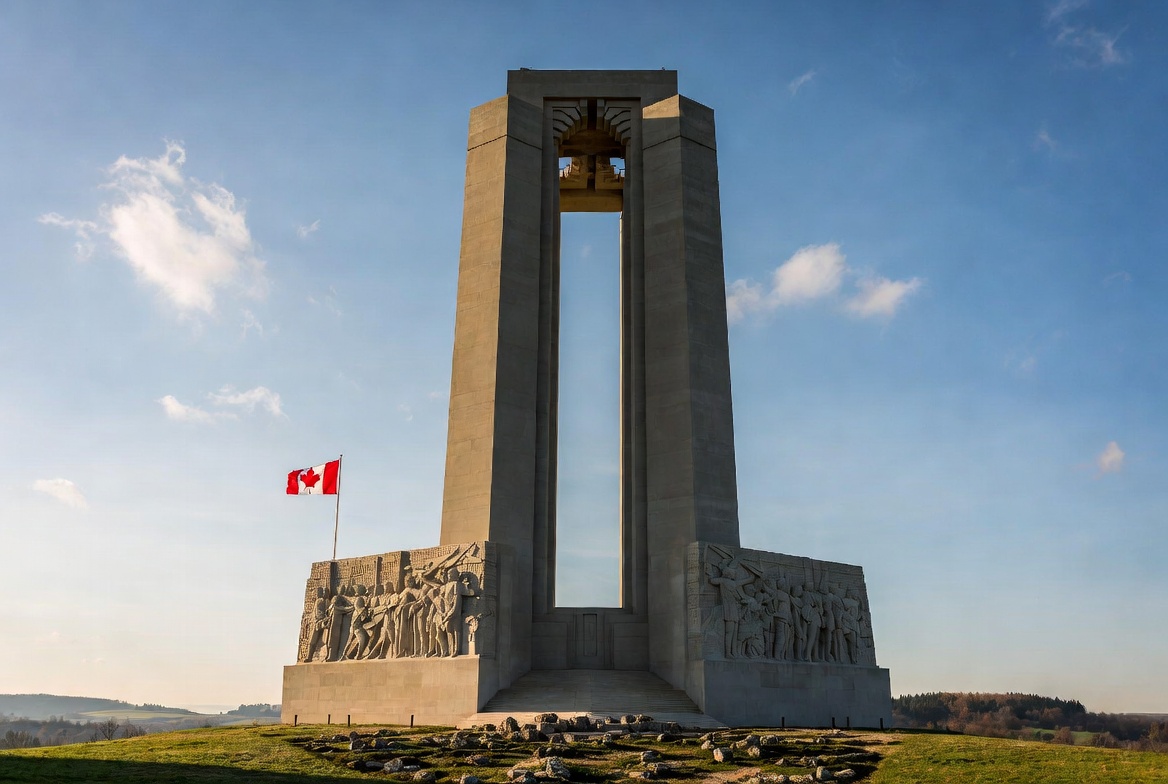
 Vimy Ridge Memorial (France): Though located in France, it is Canada’s most important overseas memorial. It commemorates the Battle of Vimy Ridge in WWI, where Canadian troops achieved a major victory. It has become a powerful symbol of Canadian identity and sacrifice.
 These landmarks reflect Canada’s blend of Indigenous history, British colonial roots, military heritage, and natural beauty.