
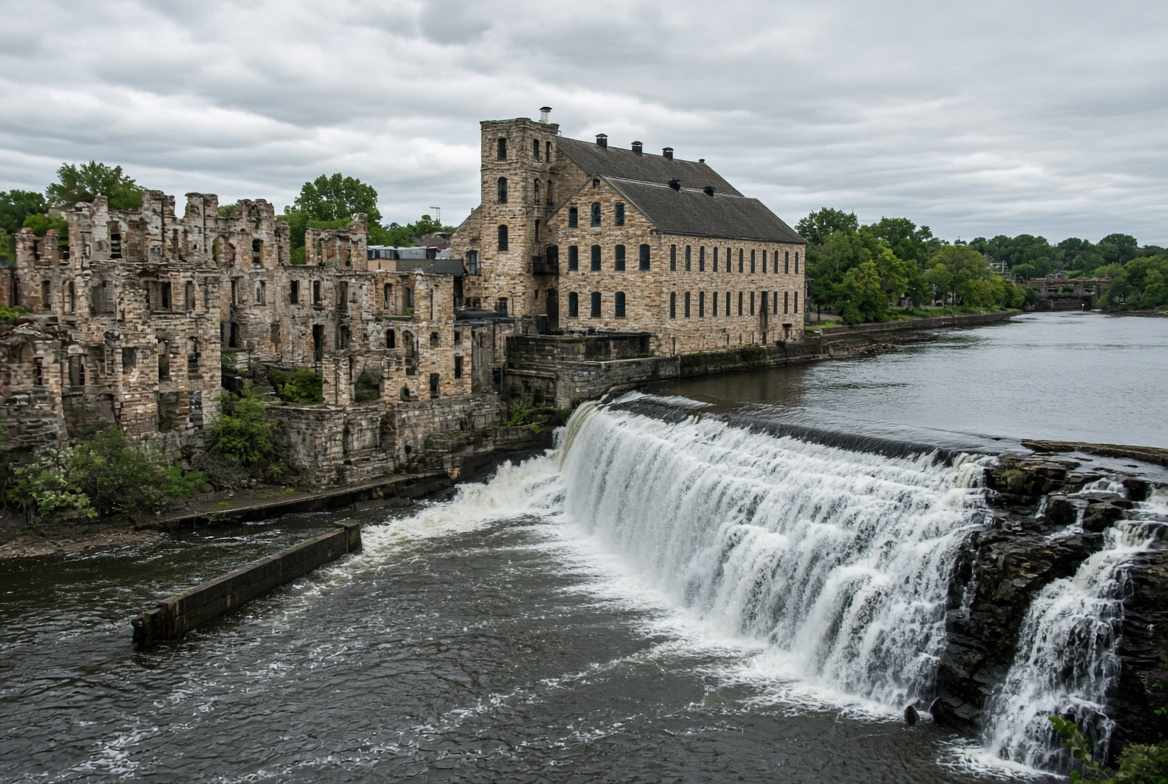
Historical landmarks in Minnesota
United StatesEnglish - AmericanMinnesota
Minnesota’s old places are a fort, a mill town, and a few roads that moved people west. The falls built the cities. The iron range fed the mills.
Fort Snelling
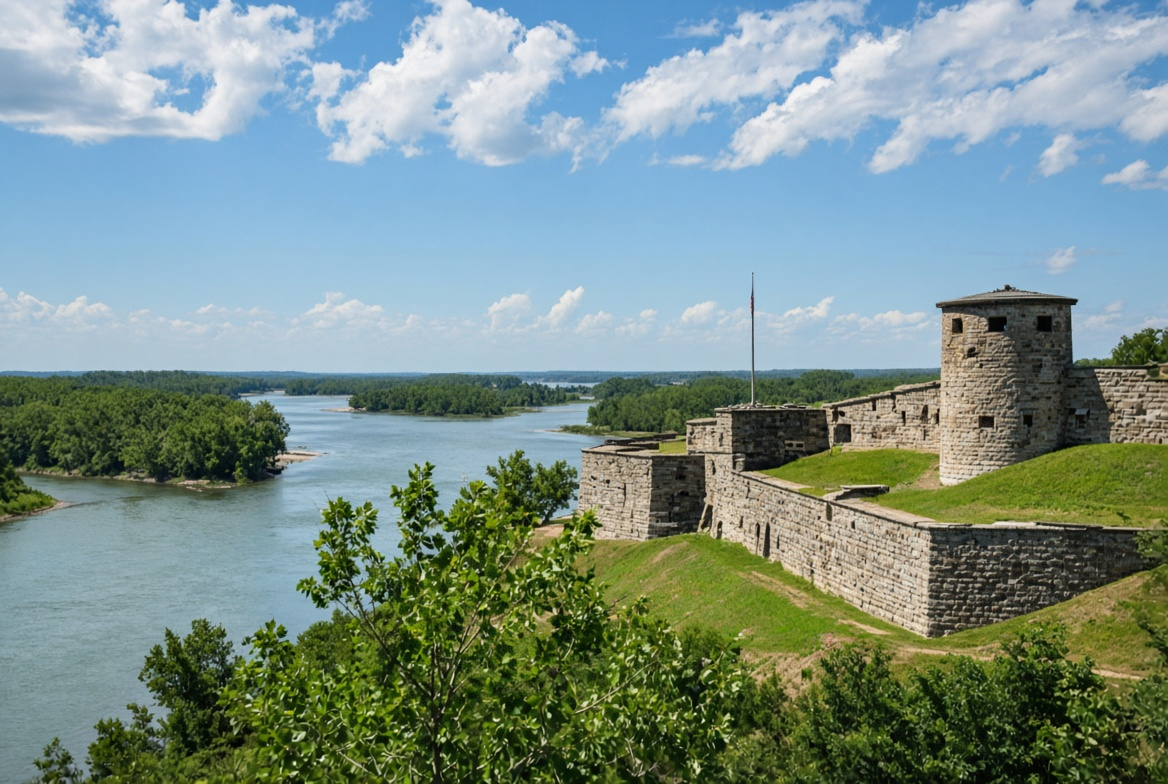 It is a stone fort where the Minnesota and Mississippi rivers meet, begun in 1819.
- It was a U.S. Army post, a trading point, and later a place where Dakota people were held after the 1862 war.
- The two cities grew beside it. The airport sits on land that was once the reserve.
- The walls are rebuilt. The story inside is not only a soldier story.
- It is the start of the American post here, and a hard chapter after.
Split Rock Lighthouse
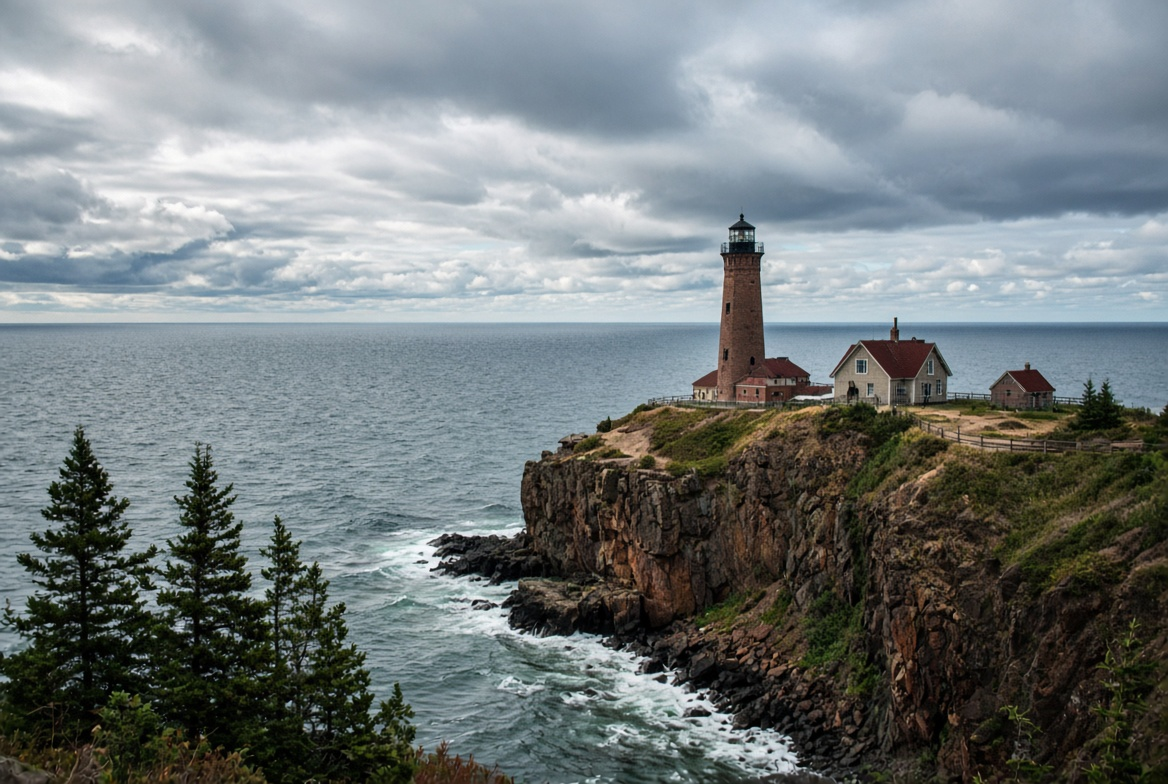 It is a lighthouse on a cliff above Lake Superior, lit in 1910.
- Storms had wrecked ships on that shore. The light was the answer.
- It closed as a working light in 1969. It is a park now.
- The point is the lake’s danger, and the keepers who stayed.
- A clear day shows the whole North Shore. The fog is the real test.
Mill City and St. Anthony Falls
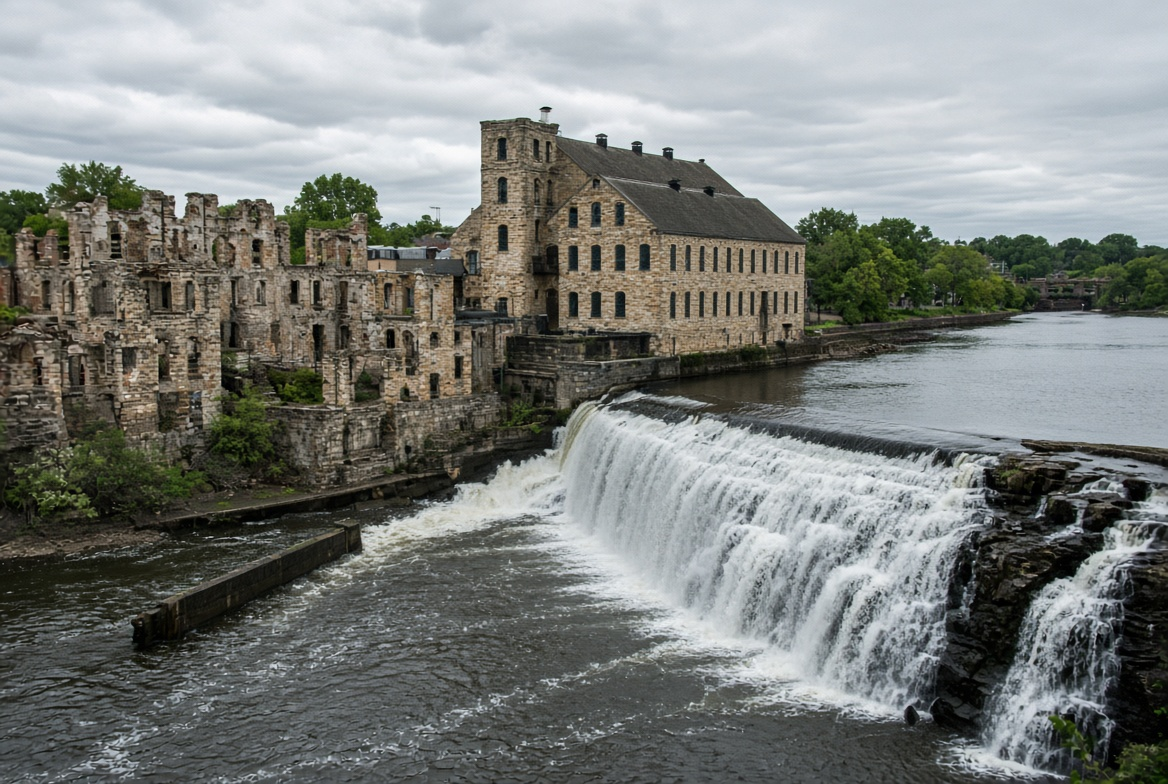 The only big falls on the Mississippi powered the flour mills of Minneapolis.
- Washburn and Pillsbury mills made the city a flour capital in the late 1800s.
- A mill explosion in 1878 killed many workers. The ruins still stand in the museum.
- The falls are why the city is here, not a pretty extra.
- The locks beside them let boats past. The power is electric now.
Soudan Underground Mine
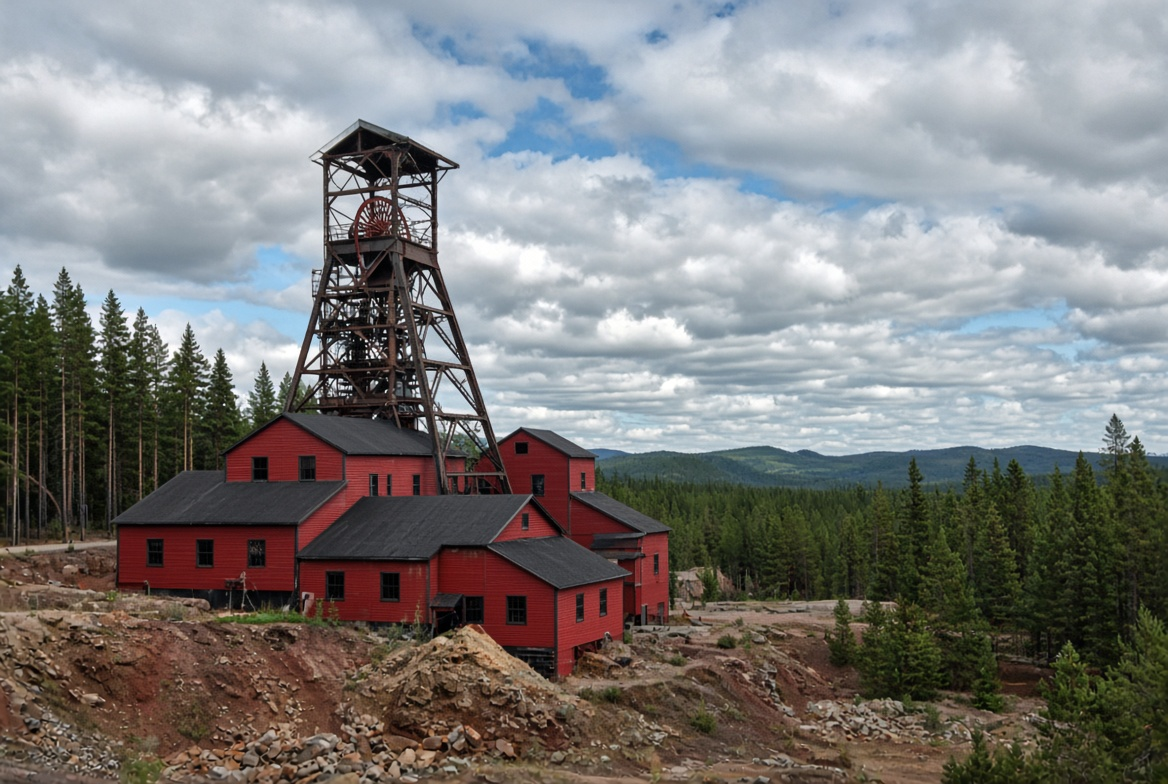 It is an iron mine in the north, worked from the 1880s and open to visitors now.
- The shaft drops deep. The ore fed the steel mills of the Great Lakes.
- Tower and the Range towns grew on that work.
- The point is the labor, not a scenic view.
- A cage still takes people down. The dark is the exhibit.
Pipestone National Monument
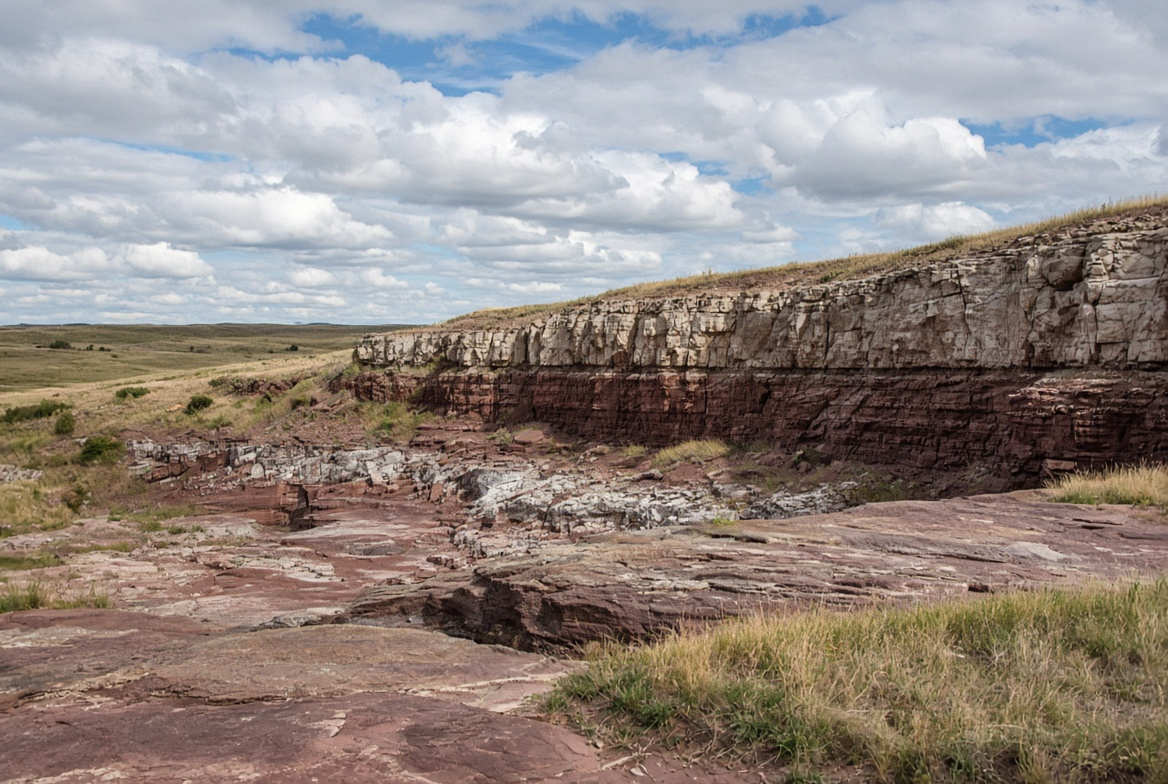 It is a quarry in the southwest where red stone for pipe bowls is cut.
- Many Native nations have used the stone for a long time. The quarry is still worked by permit.
- The pipes are for ceremony, not for a shop shelf as a toy.
- The place is protected. The use is older than the park.
- A visitor walks the trail. The quarry floor is not a free dig.
The James J. Hill House
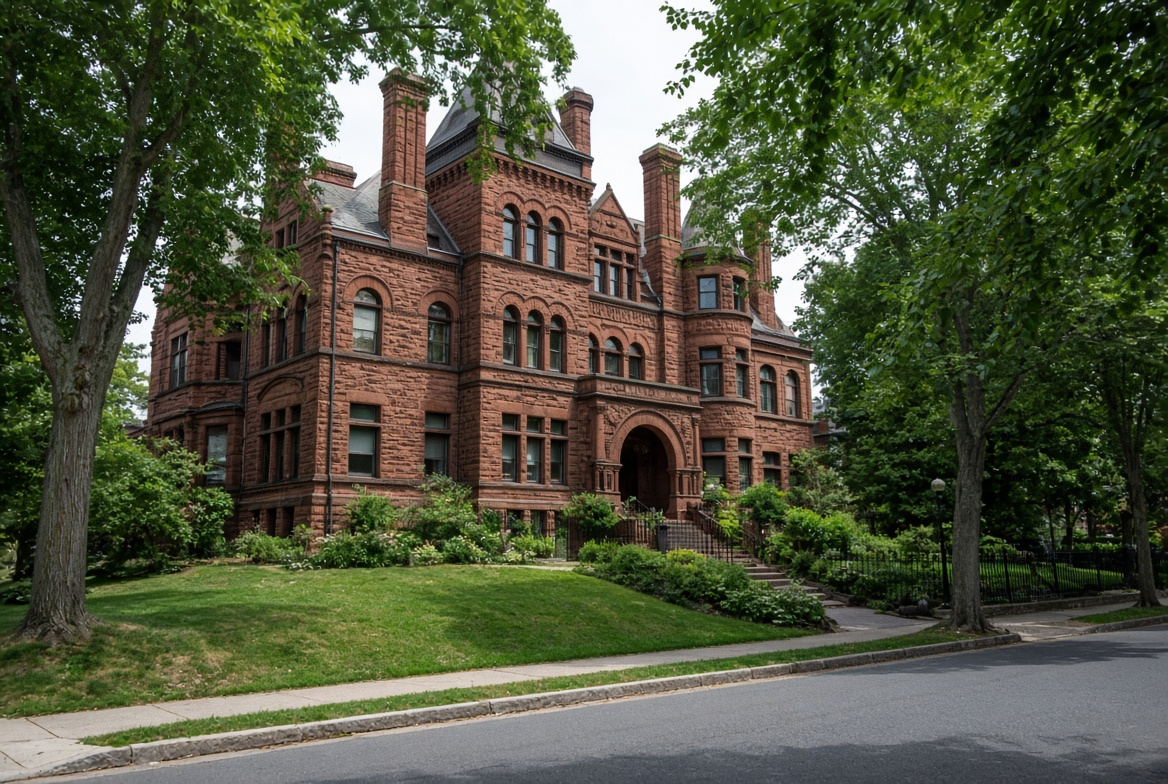 It is a large stone house in St. Paul, built for the railroad man who pushed the line west.
- The Great Northern tied the state to the coast. The house is the fortune that line made.
- It is a museum now. The rooms show one family’s wealth, not a town’s.
- The point is the railroad age, and who held it.
- A tour is the way in. The porch is not a picnic spot.
United stateMinnesotaMinnesota historical landmarkFort SnellingSplit Rock LighthouseThe James J. Hill HousePipestone National MonumentSoudan Underground MineMill City and St. Anthony Falls