La Ceinture Fléchée (Arrow Sash)
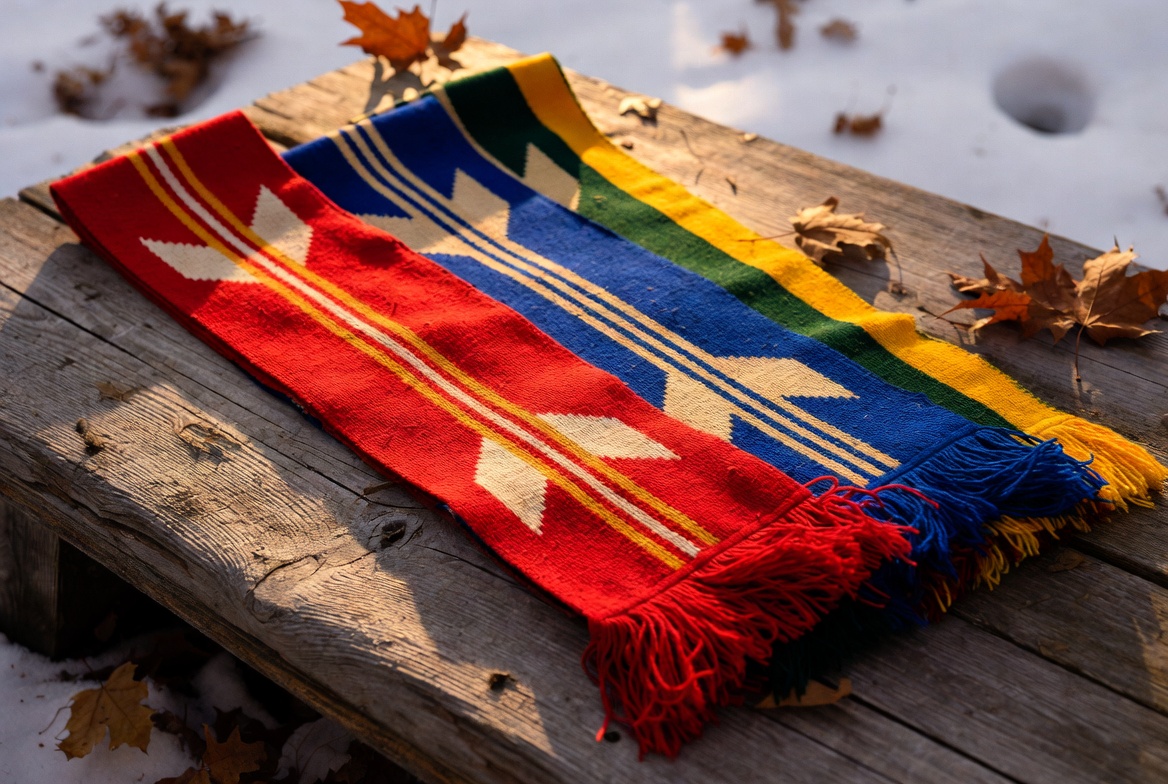
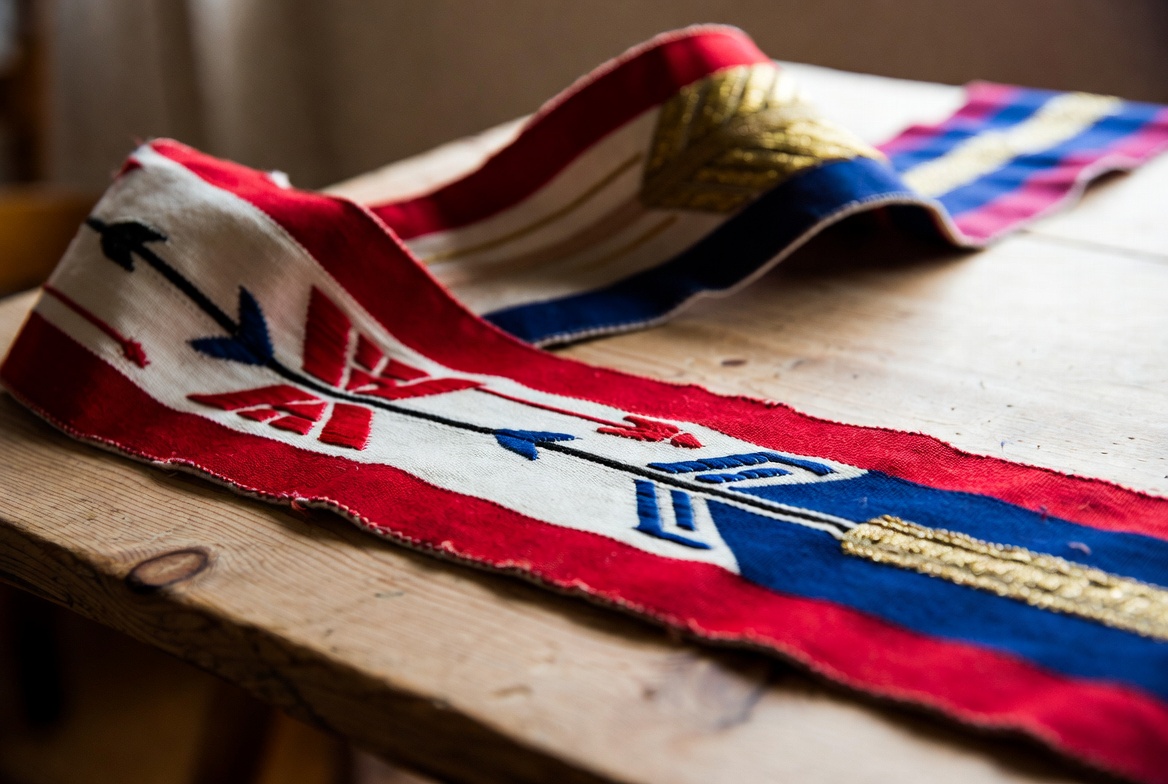
The Ceinture Fléchée is one of the most iconic traditional crafts of French-Canadian (Québécois) culture. It is a colorful woven sash with intricate arrow-like patterns, traditionally made using the finger-weaving technique (without a loom).
Significance:
Historical roots: Originated in the 18th–19th century, influenced by Indigenous weaving techniques and French settler styles. It became a symbol of Canadien identity.
Practical & Symbolic: Originally used to hold coats closed in harsh winters and to carry items. The bright colors and patterns represented strength, community, and cultural pride.
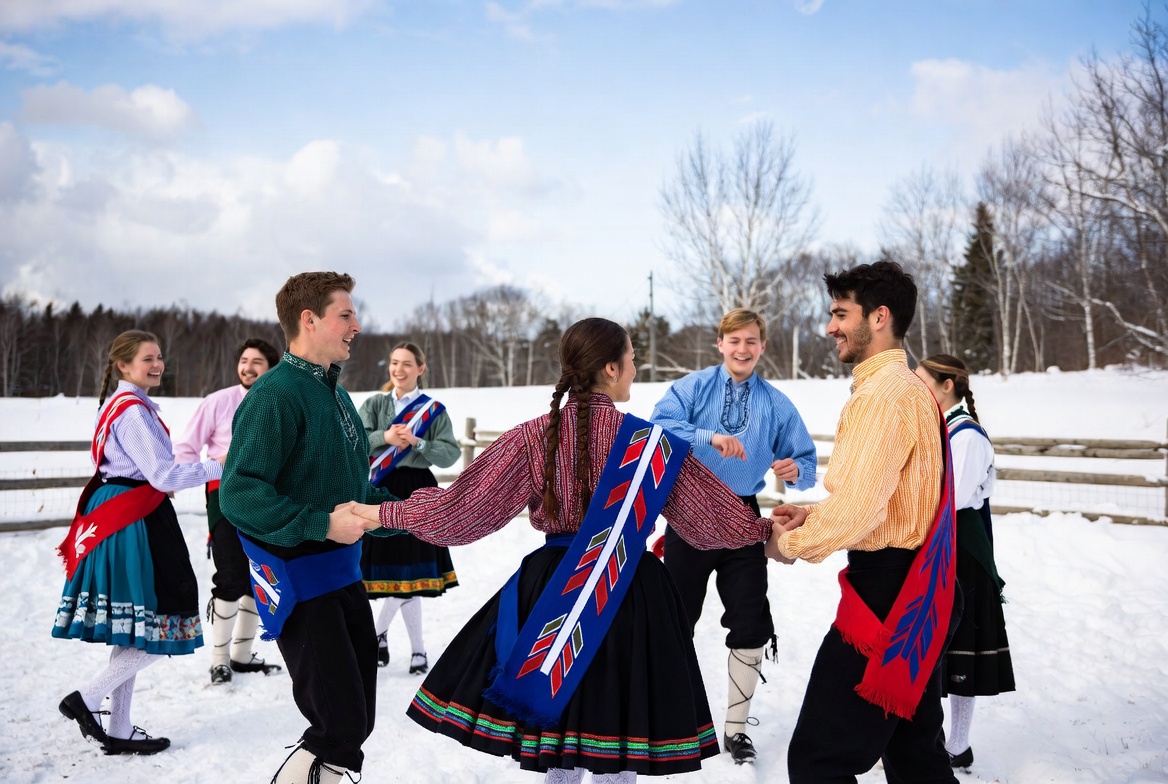
Cultural Role: Today it is worn during Saint-Jean-Baptiste Day, historical reenactments, weddings, and folk dancing. It is a powerful emblem of French-Canadian heritage and resilience.
The Ceinture Fléchée is still handwoven by artisans today and considered a living piece of Québécois identity — much like tartan for the Scots or the kilt.