
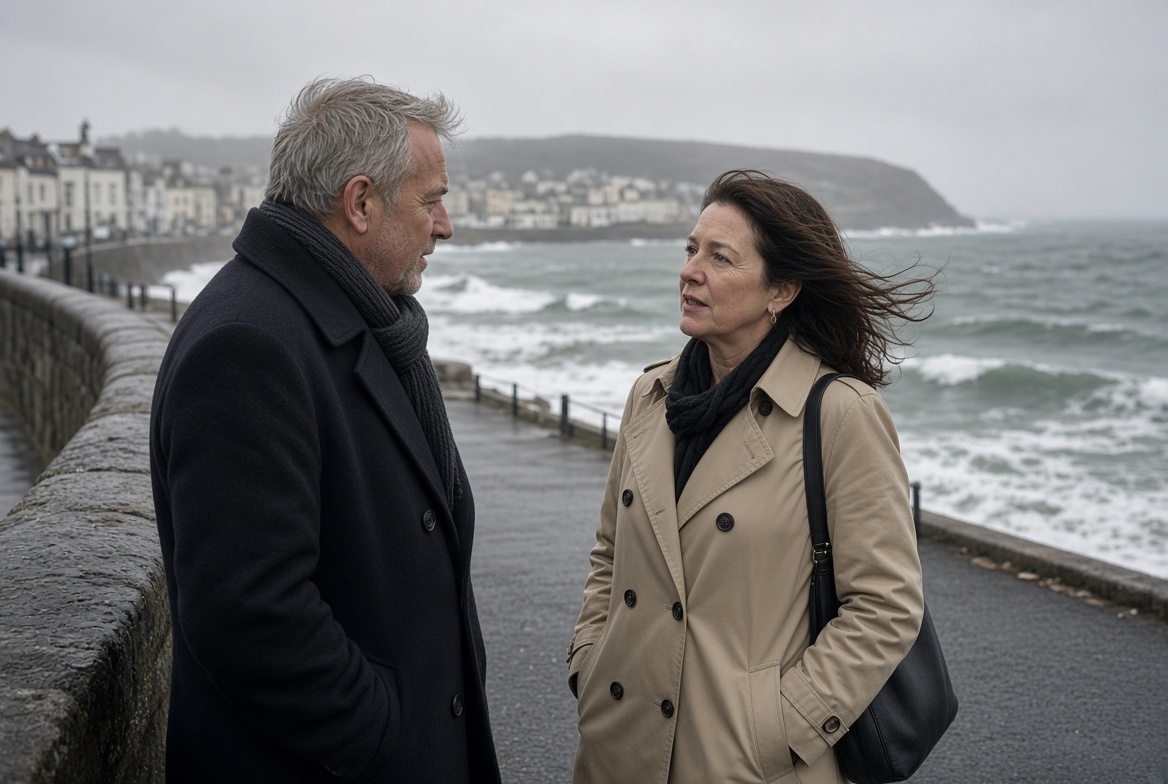
Local customs and etiquette on the Causeway Coast
Manners here are practical. The wind, the narrow roads, and the mix of locals and visitors do most of the teaching. A good rule is the same as the rest of Ulster: do not make a speech of yourself, and do not treat a working town as a film set.
Greeting
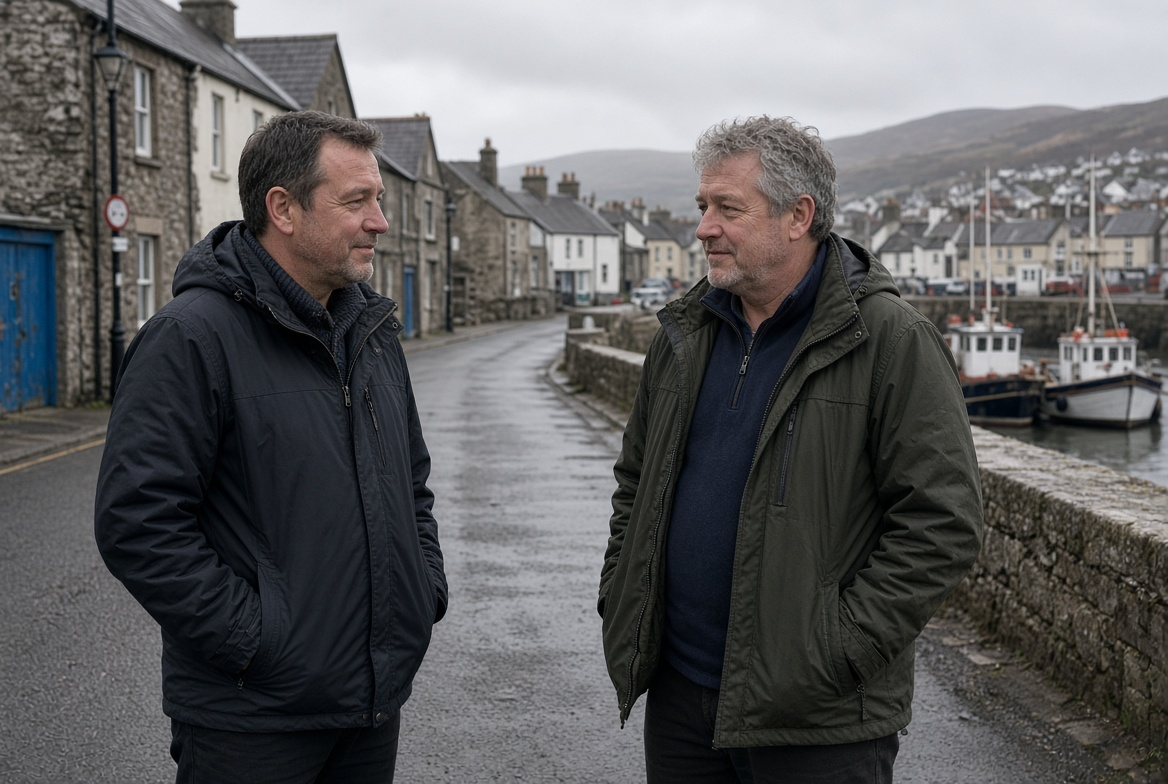
A nod, a “hello,” or “what’s the craic?” is enough. You do not need a long introduction on a harbour wall. Use first names once you are offered them.
Weather talk
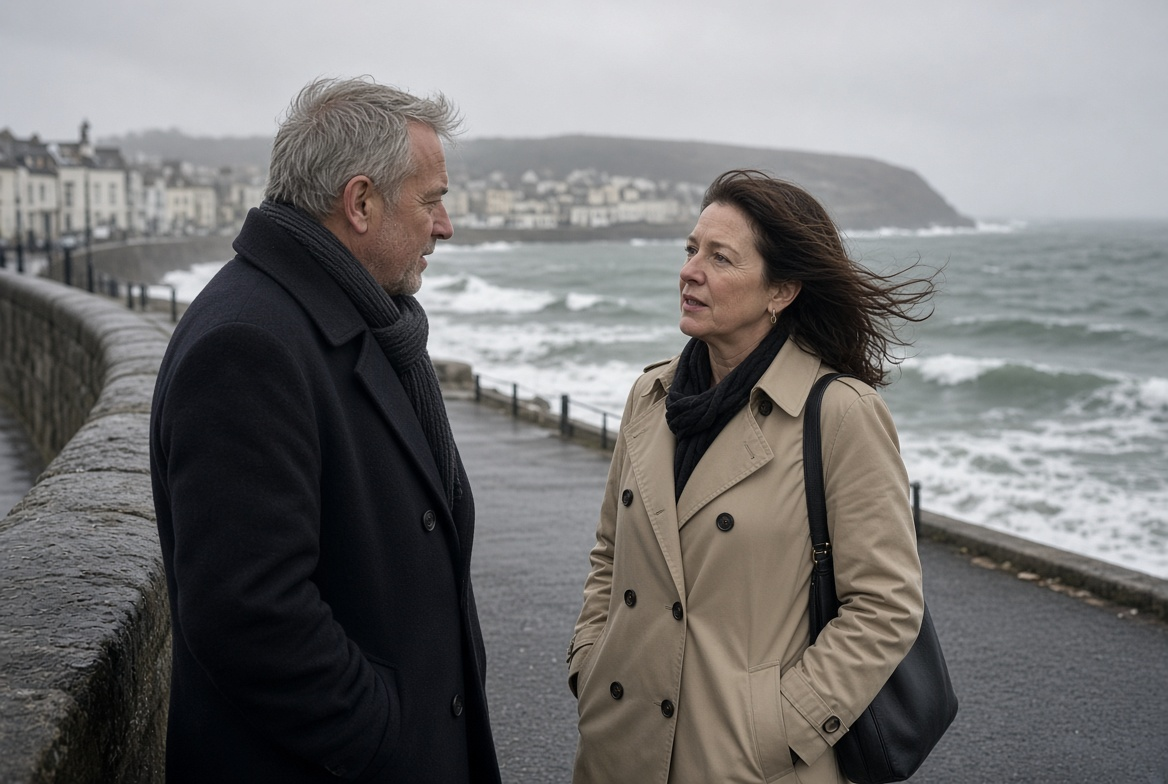
It is not small talk. It is useful. “Soft day,” “foundered,” and “it’s Baltic” are ordinary words. Complaining about rain as if nobody here has seen it before wears thin quickly.
The towns are not a theme park

Portrush, Portstewart, Ballycastle, and Bushmills are places people live. Do not walk into a shop as if it exists only for your photograph. Ask before you film staff or a private garden.
Giant’s Causeway and the cliffs
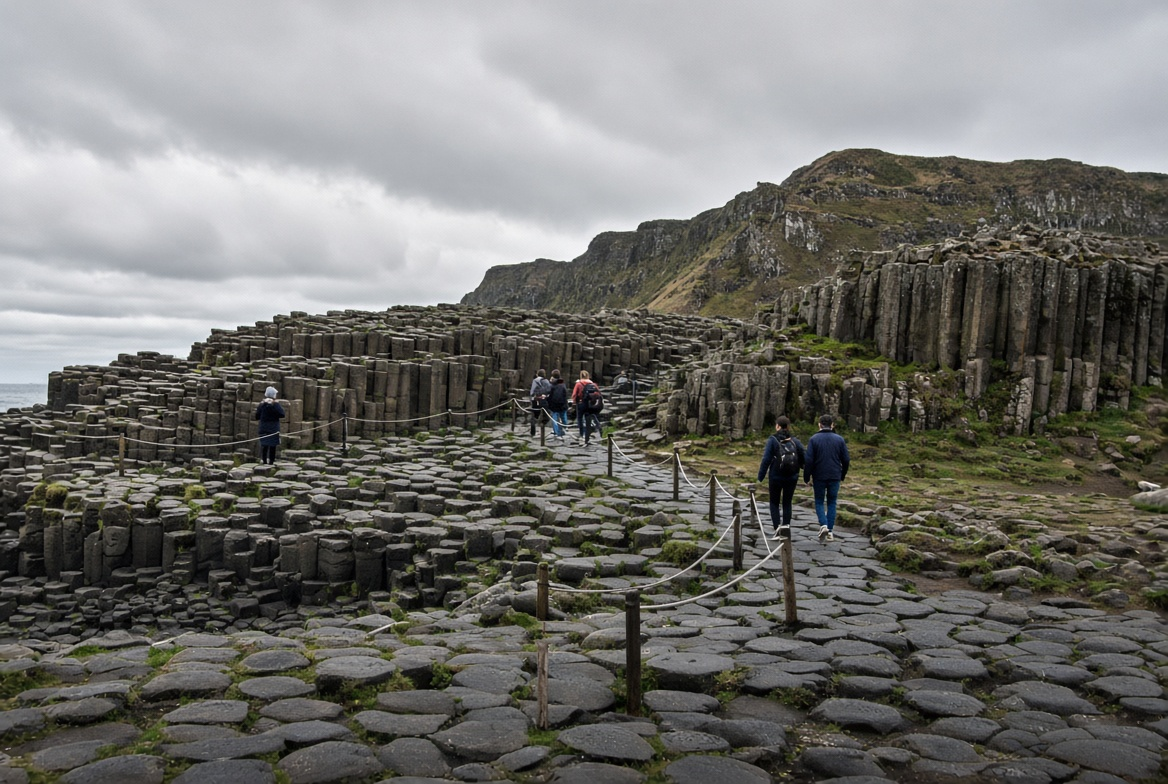
Stay on the paths that are meant for feet. Do not climb barriers for a picture. Do not leave litter in the stones. A guide or a warden is doing a job, not posing for you.
Roads and parking
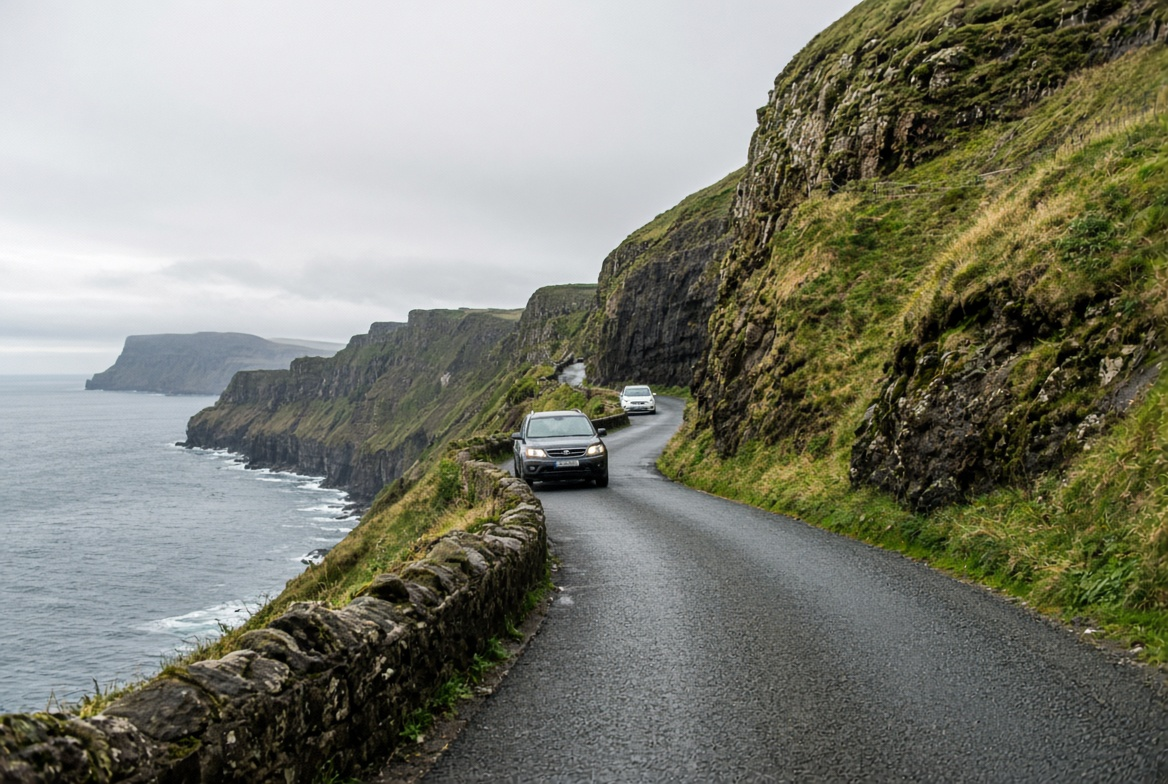
The coast road is narrow. Do not stop on a bend for a sunset. Use the car parks. Tractors, buses, and locals going to work still have the right to get home.
Pubs and sessions
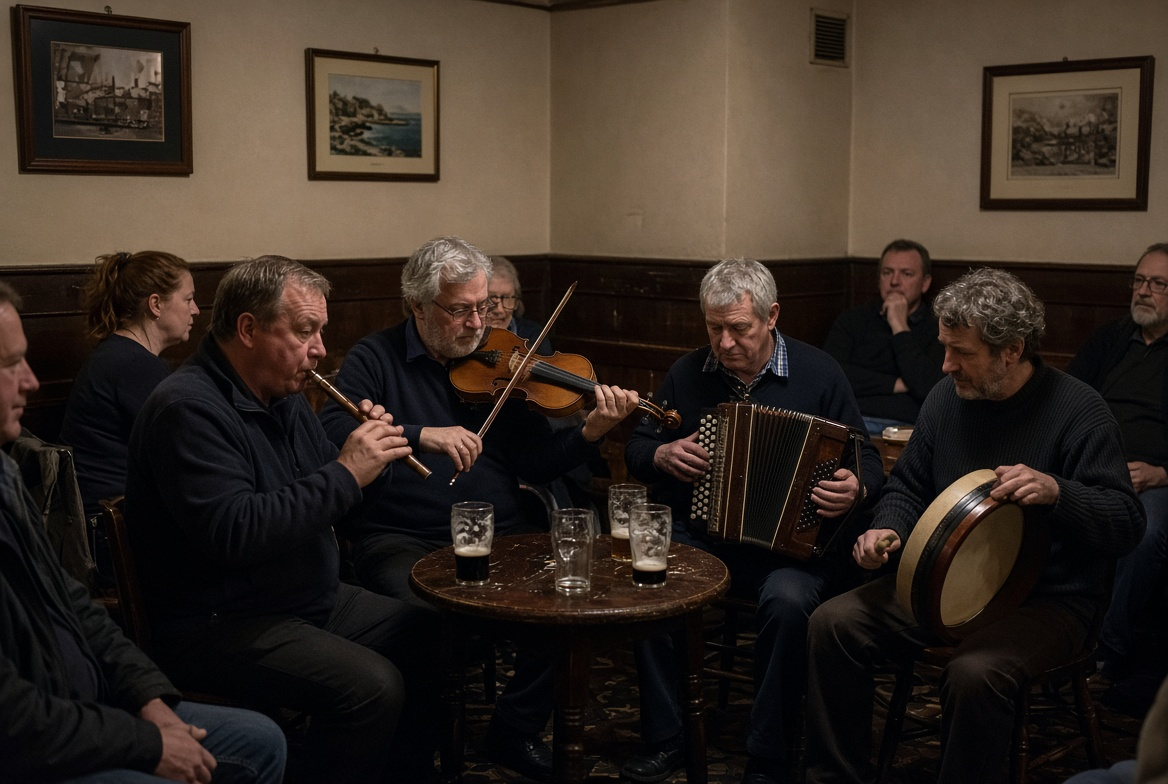
Buy a drink if you are taking a seat. A session is not a concert. Do not start a tune unless you know the custom of that room. Keep phones down when someone is singing.
Dulse, yellowman, and the fair
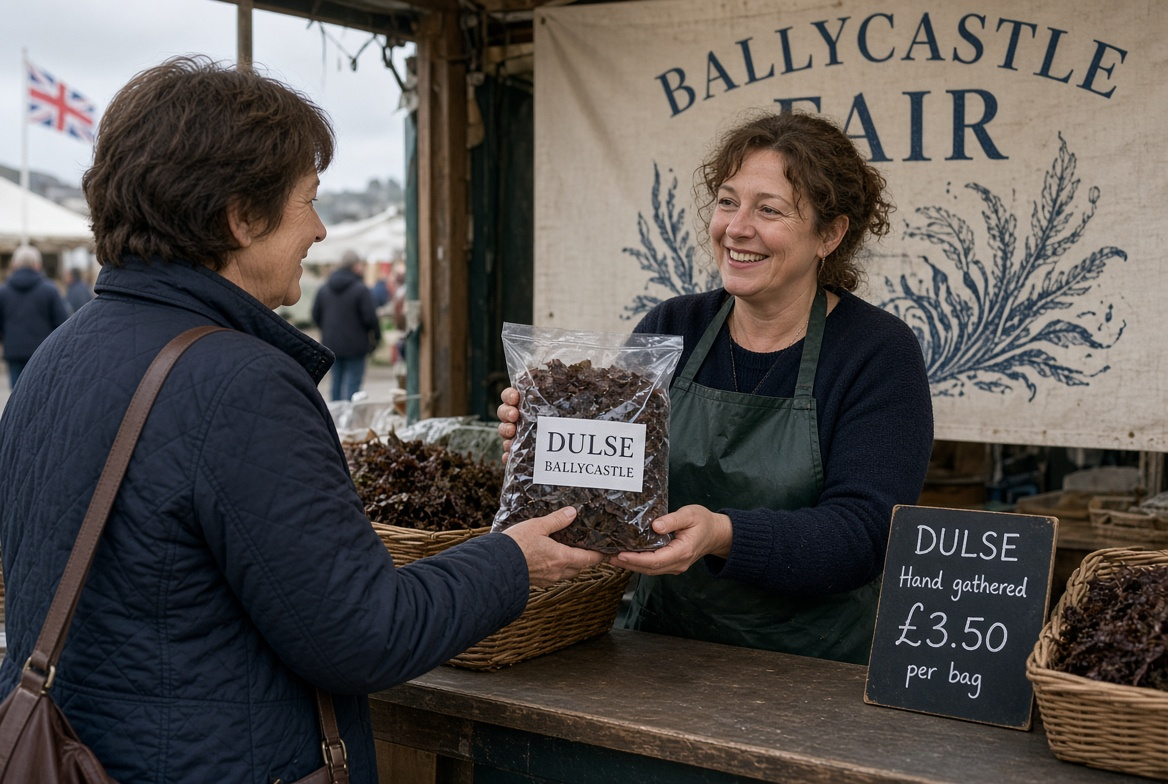
At Lammas, pay, eat, and move on. Haggling as if it were a novelty stall in another country is poor form. The food is ordinary here, not a costume.
Sunday
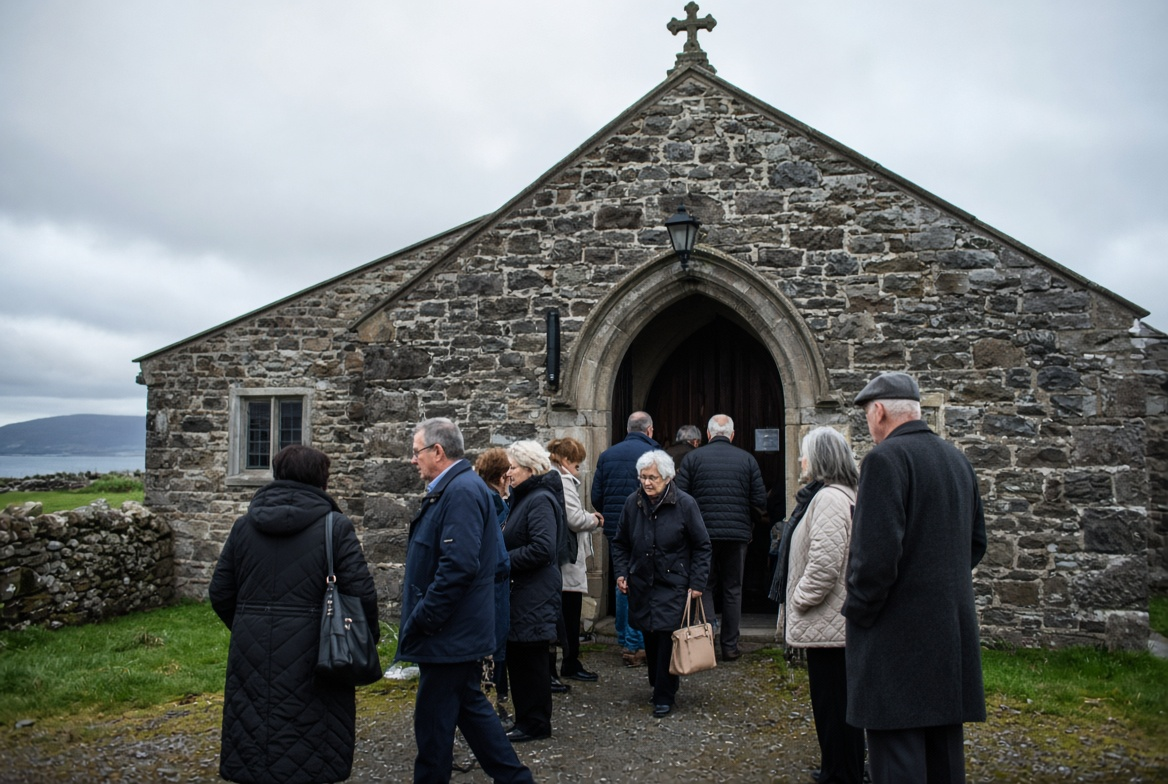
Many houses still keep a quieter Sunday: church, a roast, a walk. Shops and pubs vary. Do not assume every door is open, and do not be loud outside a kirk while a service is on.
Tea and the house
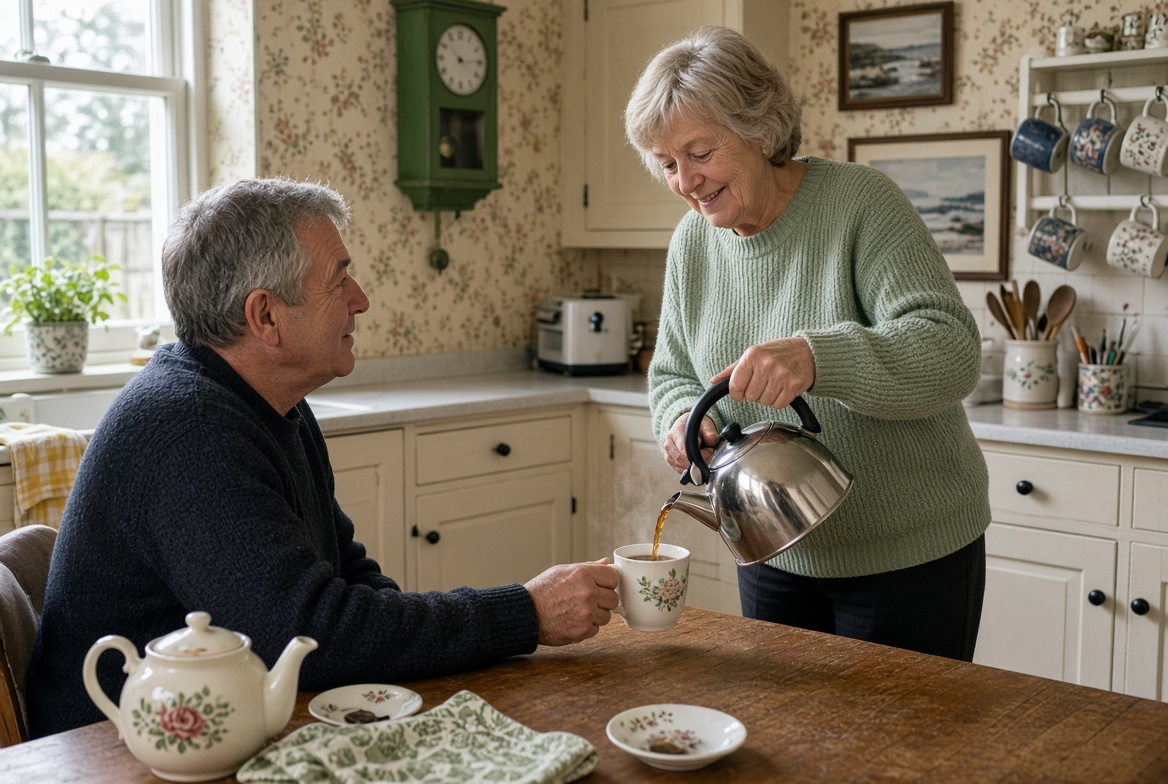
If you are asked in, take the tea. Finish what you can. Offering to help with cups is noticed. Overstaying after the kettle has gone cold is noticed too.
Names and assumptions
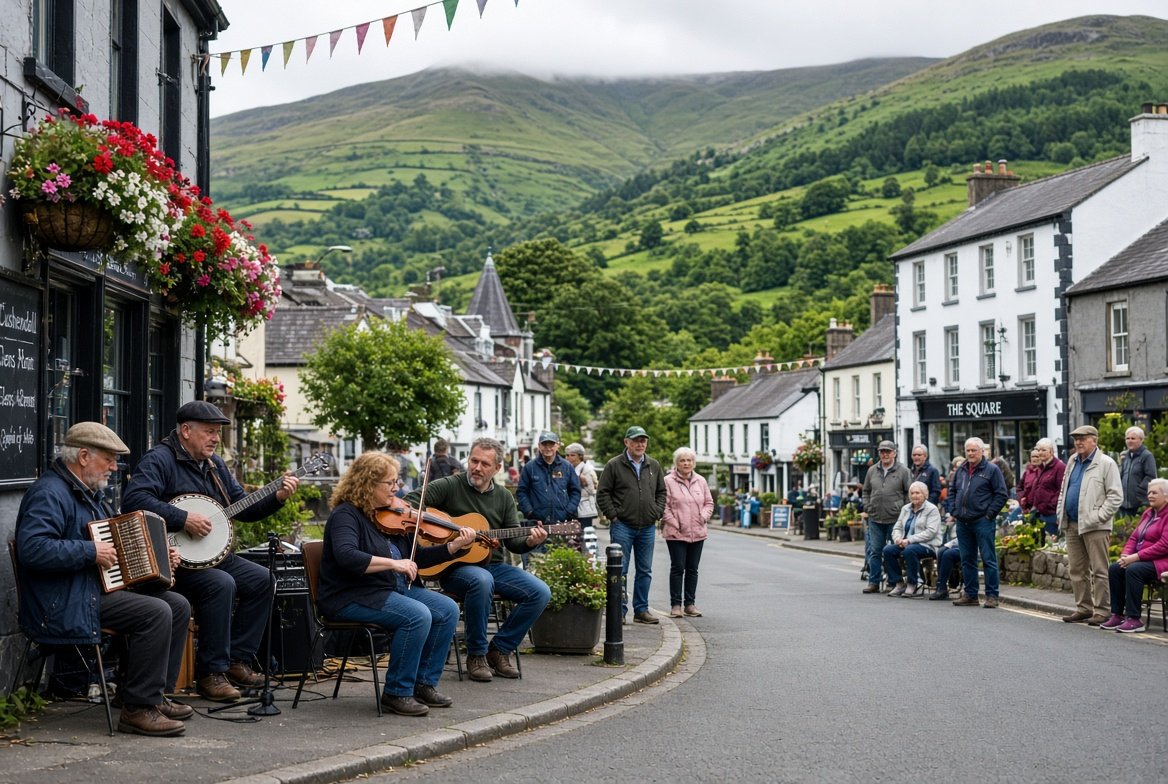
Do not guess a person’s politics, church, or school from a street or a football shirt unless they have made it the subject. Asking “what are you?” on first meeting is poor manners. Let people tell you what they want told.
The sea
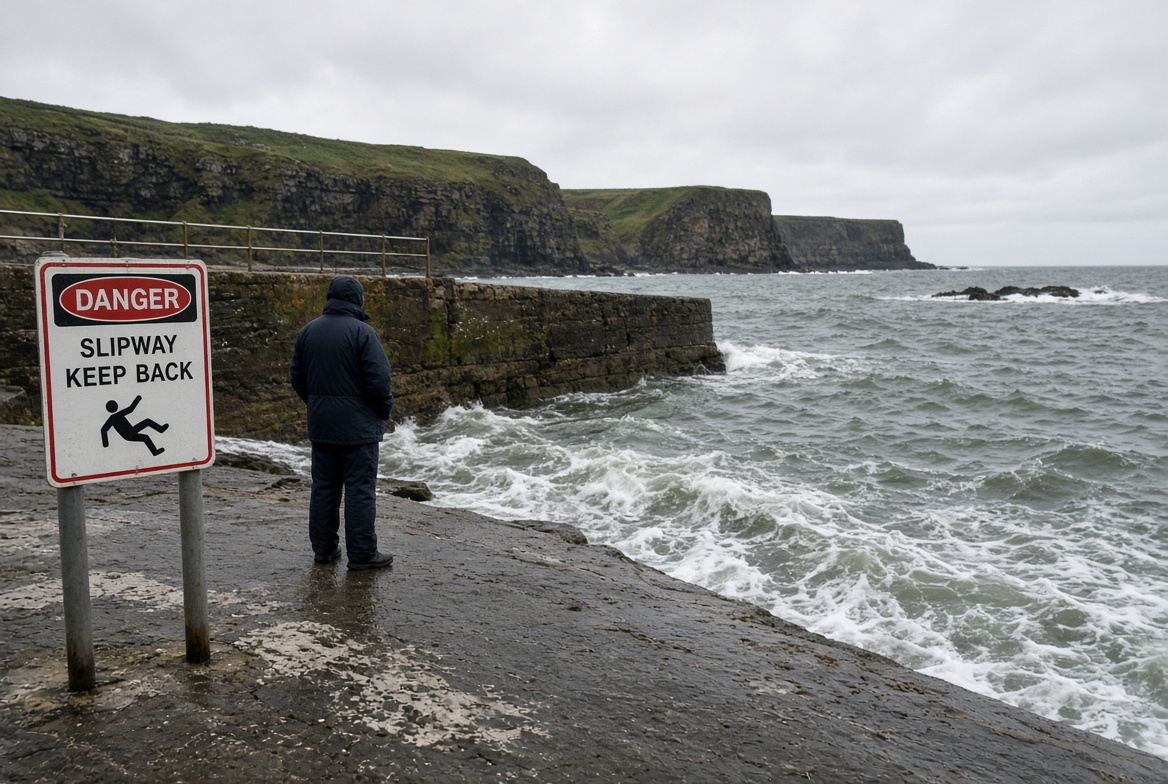
The water is cold and the rocks are slick. Locals will warn you without drama. Treat that as information, not as a challenge.
Funerals and memorials
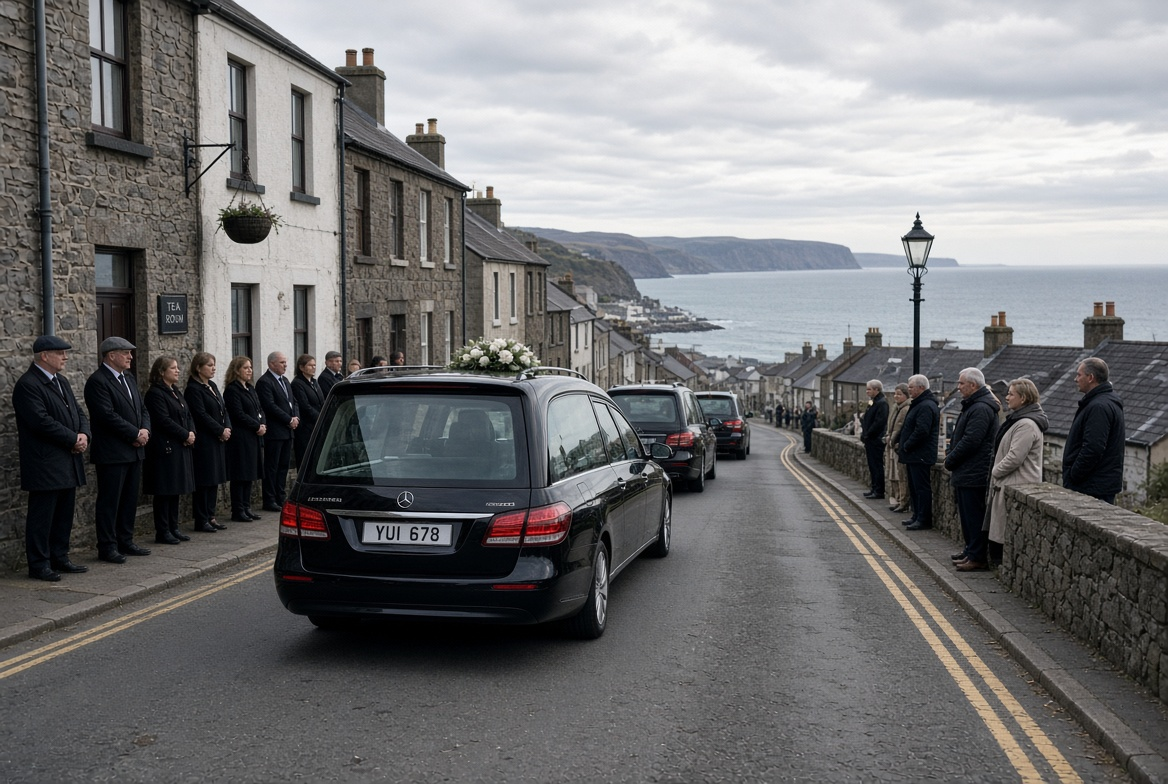
Give the road to a cortège. Do not treat a war memorial as a picnic bench. If you did not know the person, a quiet presence is enough.
What holds it together
Be useful, keep your voice down when the room is small, and remember that the coast belongs to the people who will still be here when the coach has gone.