
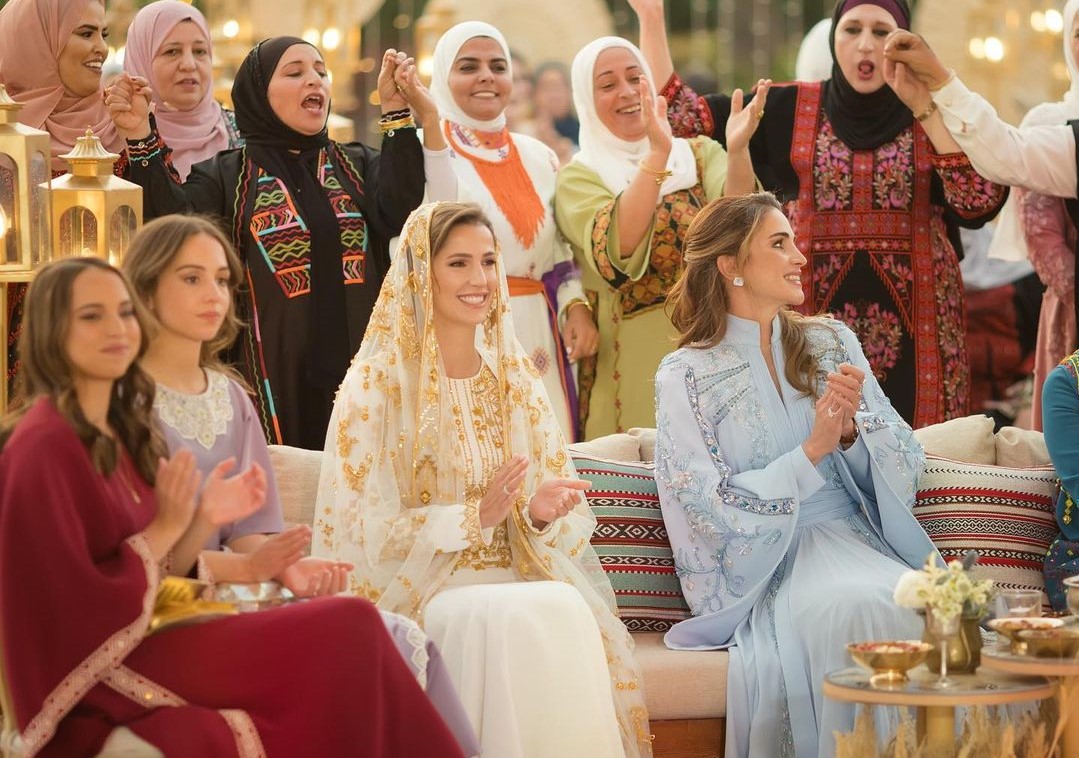
Major Festivals in Palestinian Culture & Their Significance
Major Festivals in Palestinian Culture & Their Significance
Here are the most important festivals celebrated in Palestinian communities. Each one carries deep cultural, historical, and spiritual meaning. These celebrations strengthen family bonds, preserve our identity, and connect us to faith, land, and history.
1. Ramadan (شهر رمضان)
The holy month of fasting from dawn to sunset.
Cultural & Historical Significance:
Ramadan marks the first revelation of the Quran to Prophet Muhammad. For Palestinians, it is a time of spiritual renewal, self-discipline, generosity, and community. Families gather every evening for Iftar and wake before dawn for Suhoor. It teaches empathy for the poor and the value of patience. In Palestine, it also carries a special layer of resilience and hope amid hardship.
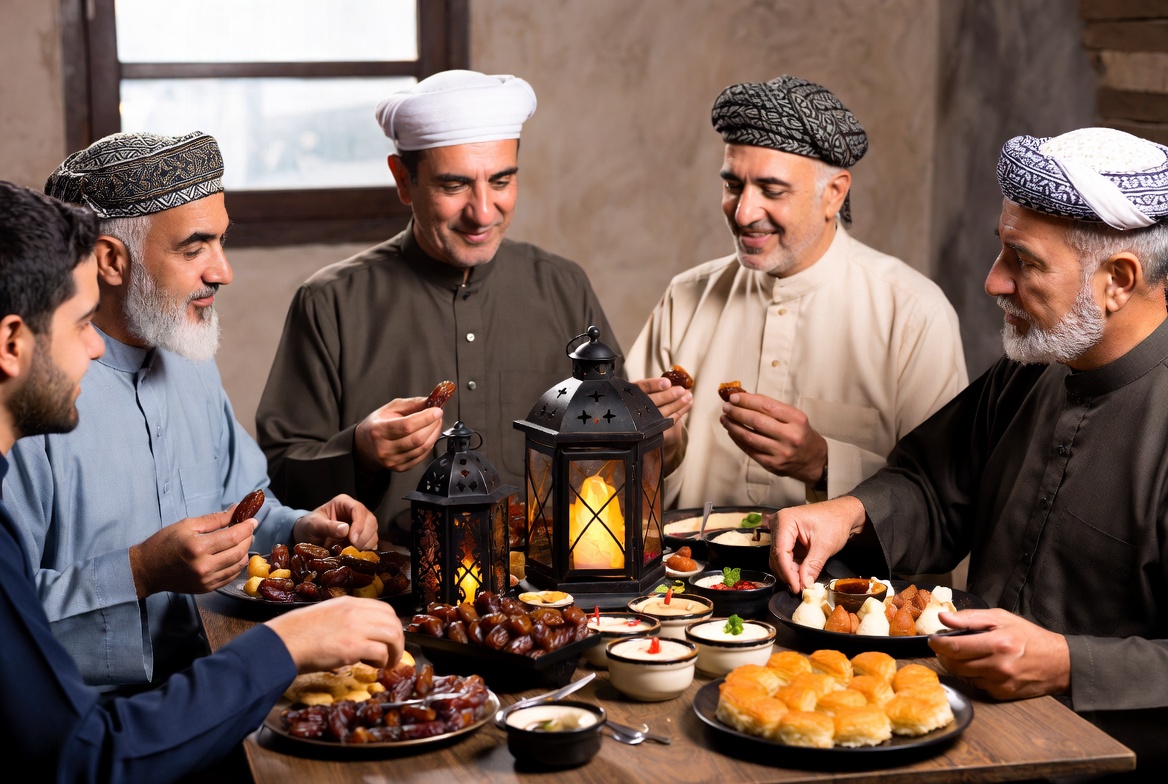
Traditions: Night prayers (Taraweeh), delicious sweets like Qatayef, and decorating homes with lanterns.

2. Eid al-Fitr (عيد الفطر) – The Festival of Breaking the Fast
Celebrated at the end of Ramadan for 3–4 days.
Cultural & Historical Significance:
It celebrates the successful completion of fasting and offers thanks to God. The festival emphasizes joy after sacrifice, forgiveness, and charity. It brings communities together after a month of reflection and symbolizes hope and renewal. Families wear new clothes, visit relatives, and share sweets.
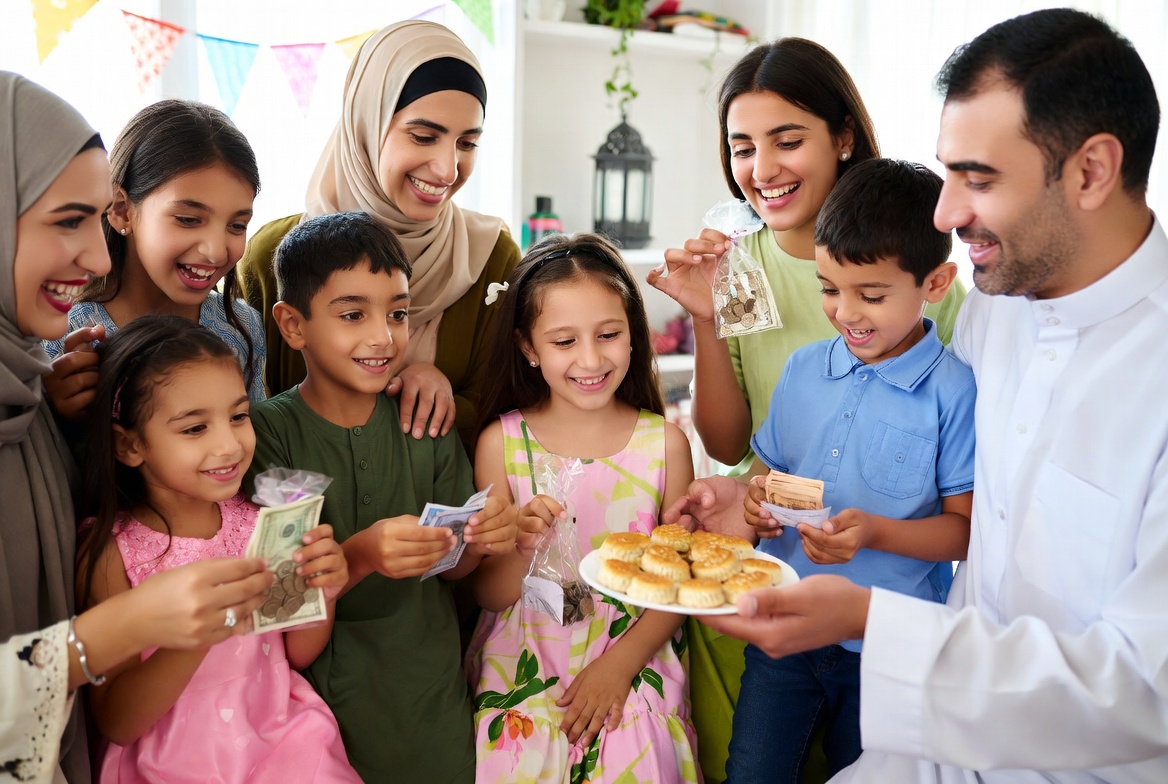
Traditions: Morning Eid prayers, Ma’amoul cookies, children receiving Eidiyeh (small money gifts), and large family feasts.

3. Eid al-Adha (عيد الأضحى) – The Festival of Sacrifice
Celebrated during the Hajj season for 4 days.
Cultural & Historical Significance:
It commemorates Prophet Abraham’s willingness to sacrifice his son in obedience to God. The festival highlights sacrifice, faith, and sharing with others. In Palestinian culture, the meat from the sacrificed animal is divided into three shares — for the family, relatives, and the poor — reinforcing solidarity and generosity.
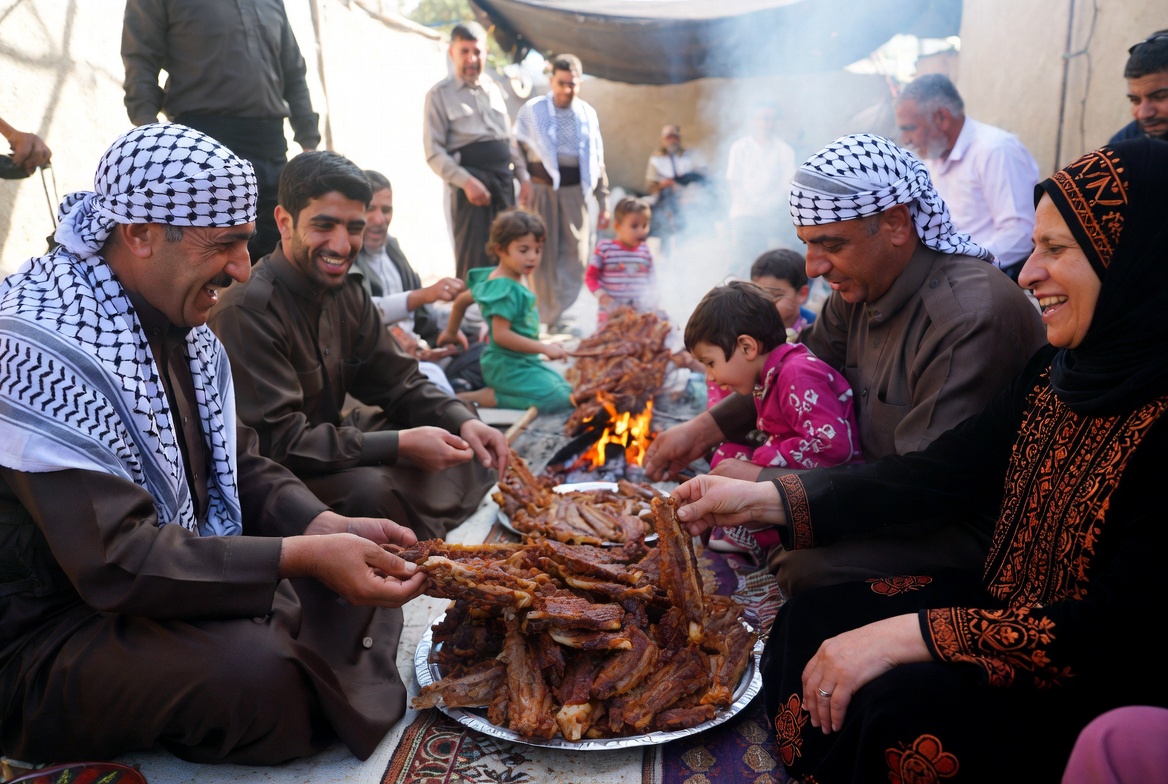
Traditions: Morning Eid prayer, slaughtering a sheep or goat (if affordable), big grilled meals, and visiting family.

4. Olive Harvest Season (Jad al-Zaytoun)
A beloved seasonal cultural celebration (October–November).
Cultural & Historical Significance:
This is a true celebration of the land and ancient olive trees, some over 1,000 years old. It embodies sumoud (steadfastness), rootedness, and blessing. Olive oil represents continuity across generations. It is a time when families work side by side, share stories, and reaffirm their deep connection to the earth.
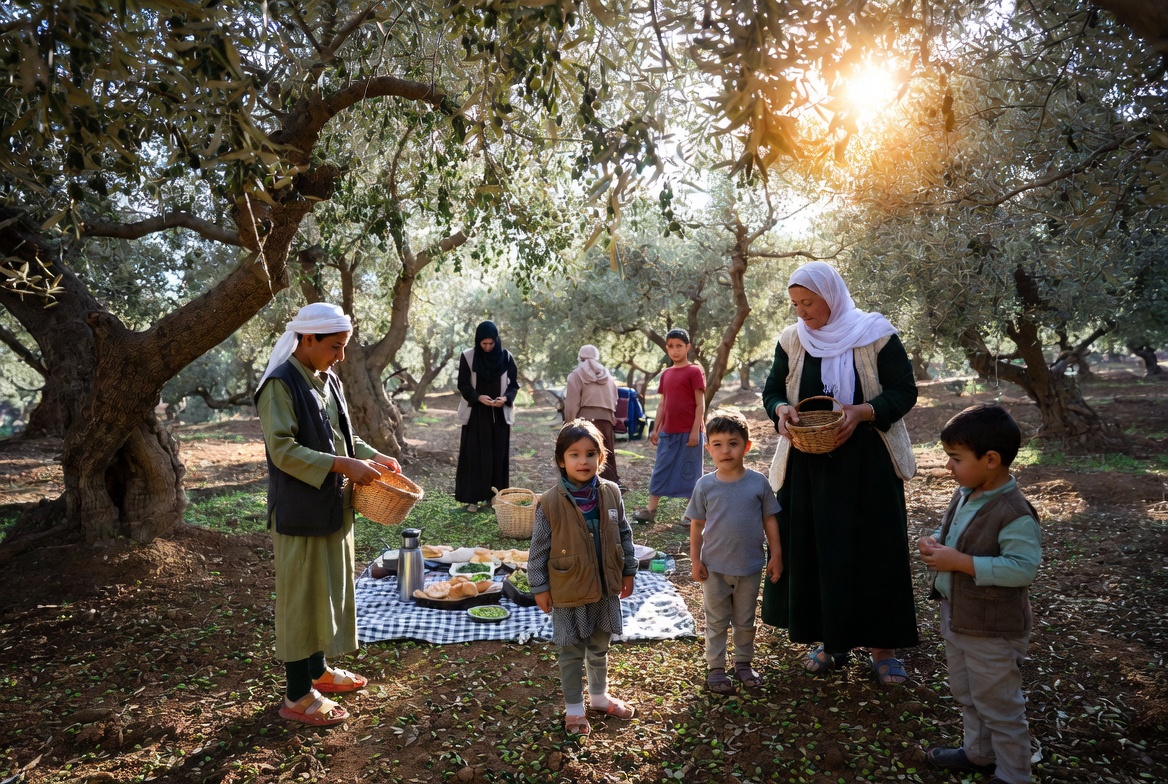

Traditions: Whole families picking olives together, picnics under the trees, pressing fresh oil, singing, and dancing Dabke.
These festivals beautifully blend faith, family, food, and resilience. They help keep our language, music, and traditions alive across generations.