
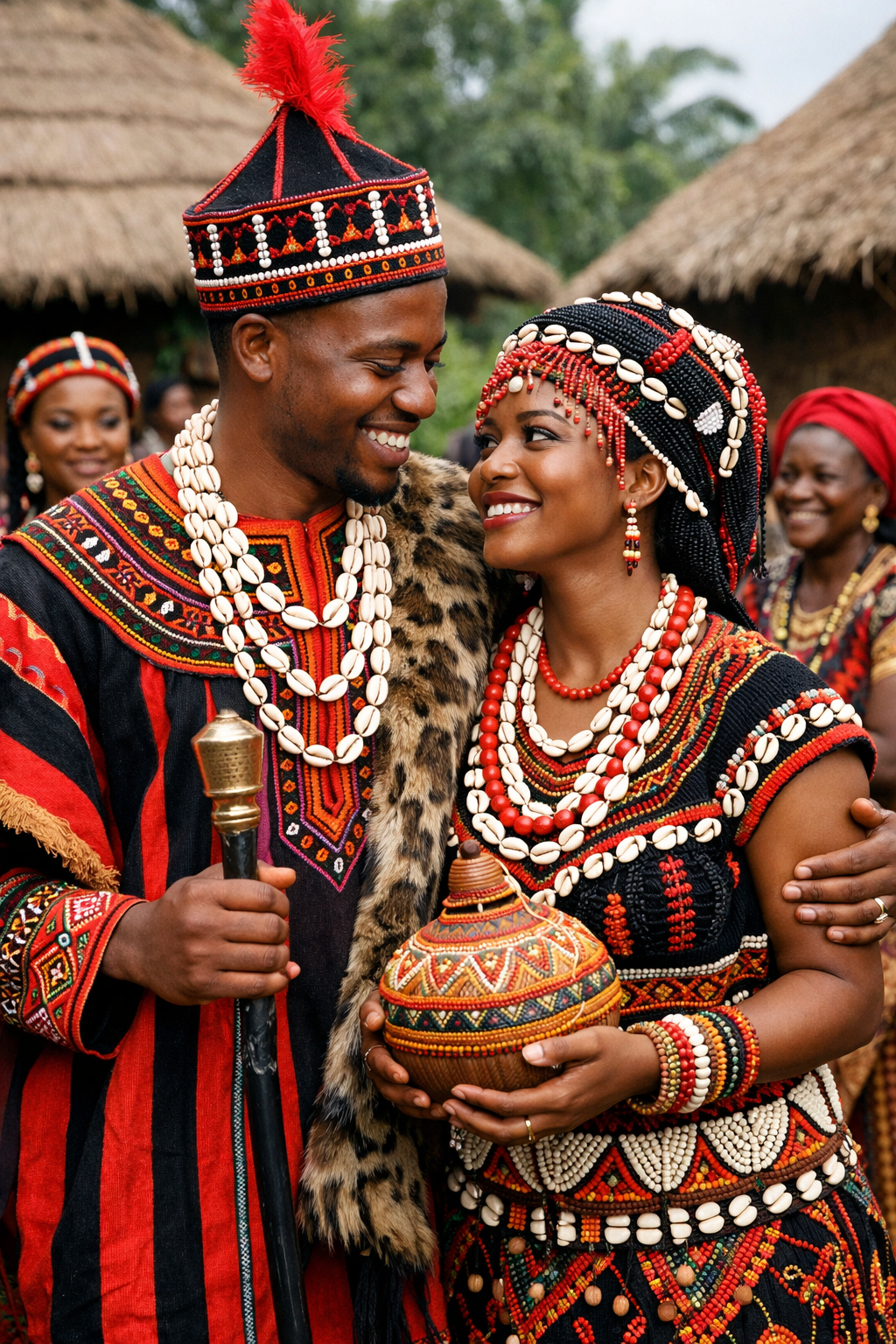
Nso Traditional wedding
The Nso people (also known as Banso or Nsaw), one of the largest Grassfields kingdoms in the Northwest Region of Cameroon (centered in Kumbo/Bui Division), have rich, elaborate, and highly symbolic traditional marriage practices. Marriage in Nso is not just a union between two individuals but a deep alliance between families, lineages, and the wider community. It emphasizes respect for elders, ancestral blessings, and the continuity of the family line.
Key Stages of Traditional Nso Marriage
Knocking on the Door (Introduction / Courtship) The process begins when the groom’s family visits the bride’s family to formally “knock on the door” and express interest. They present gifts such as palm wine, kola nuts, and sometimes other items. These symbolize goodwill and respect. If the bride’s family accepts the gifts, it signals approval to proceed.
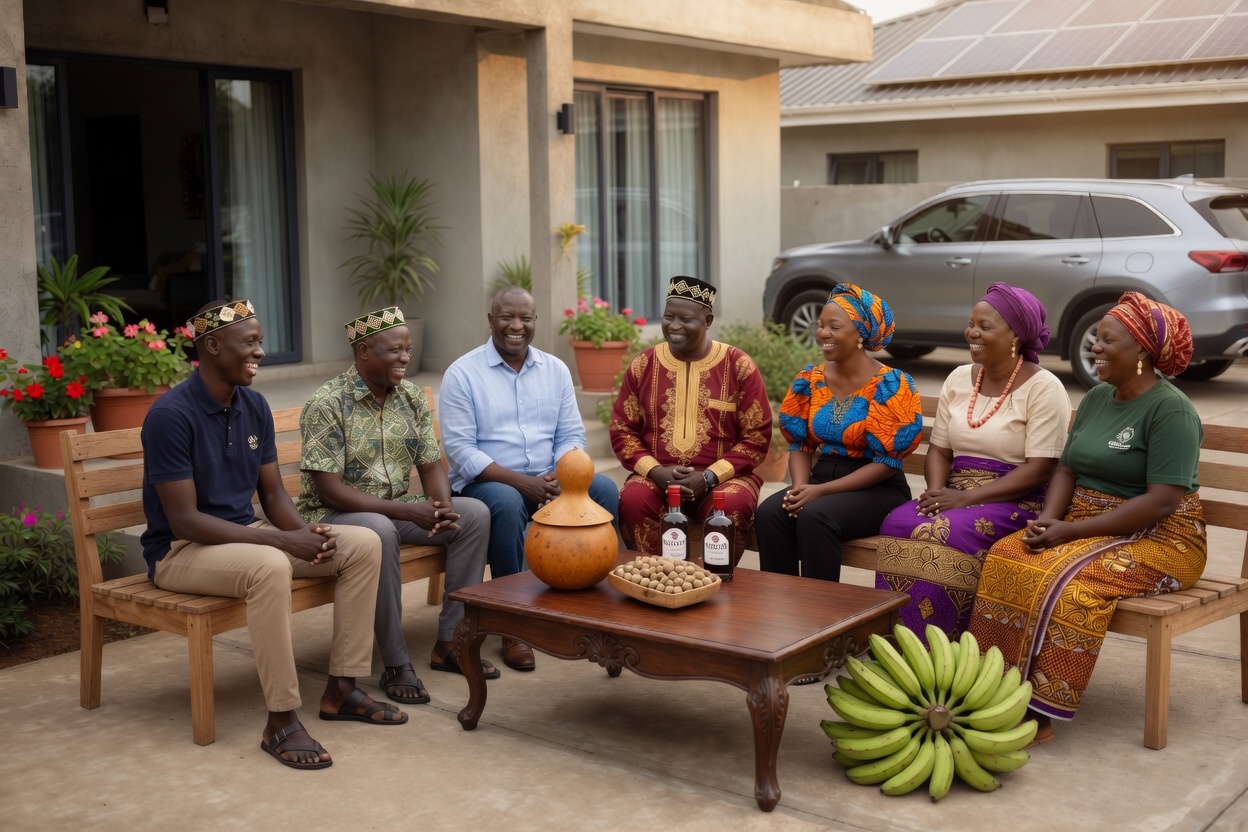
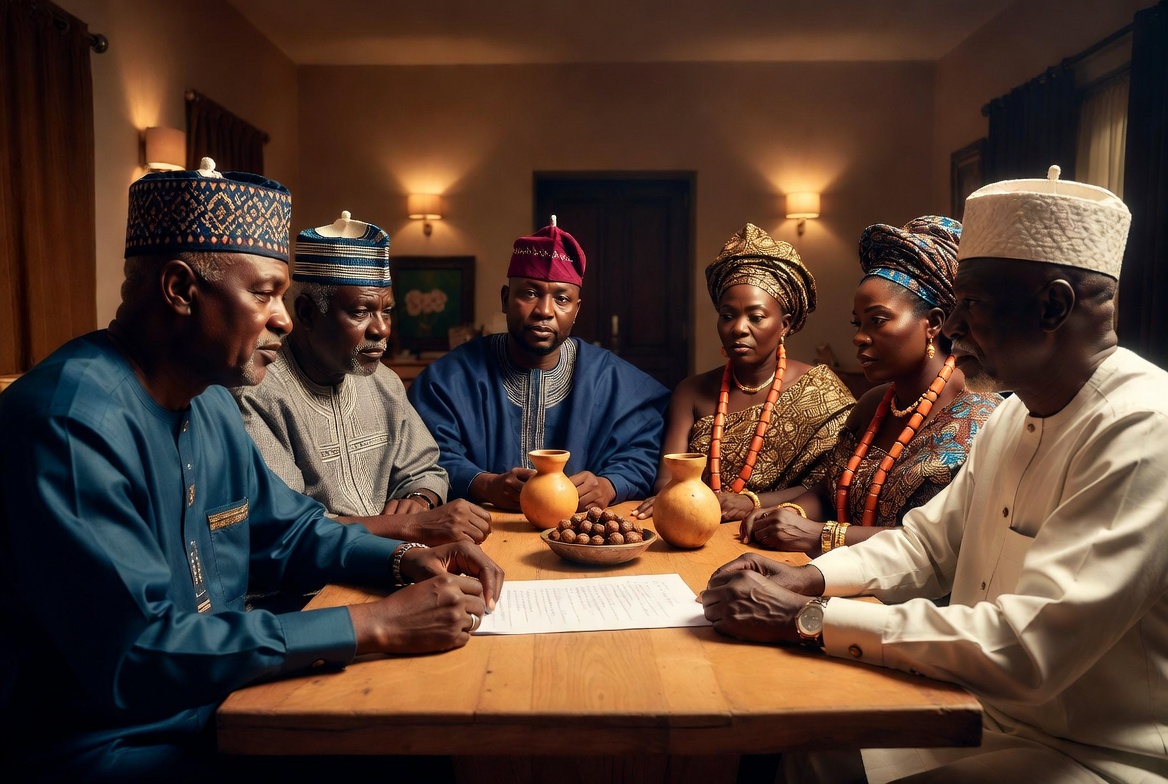
Bride Price Negotiation This is a central and often lengthy part of the process. The groom’s family negotiates and presents the bride wealth (items and cash) to the bride’s family. Traditional items may include:
- Palm wine and kola nuts
- Livestock (goats, chickens, etc.)
- Fabrics, clothing, and other goods The negotiation is done respectfully by elders and symbolizes appreciation for raising the bride and formally binds the two families.
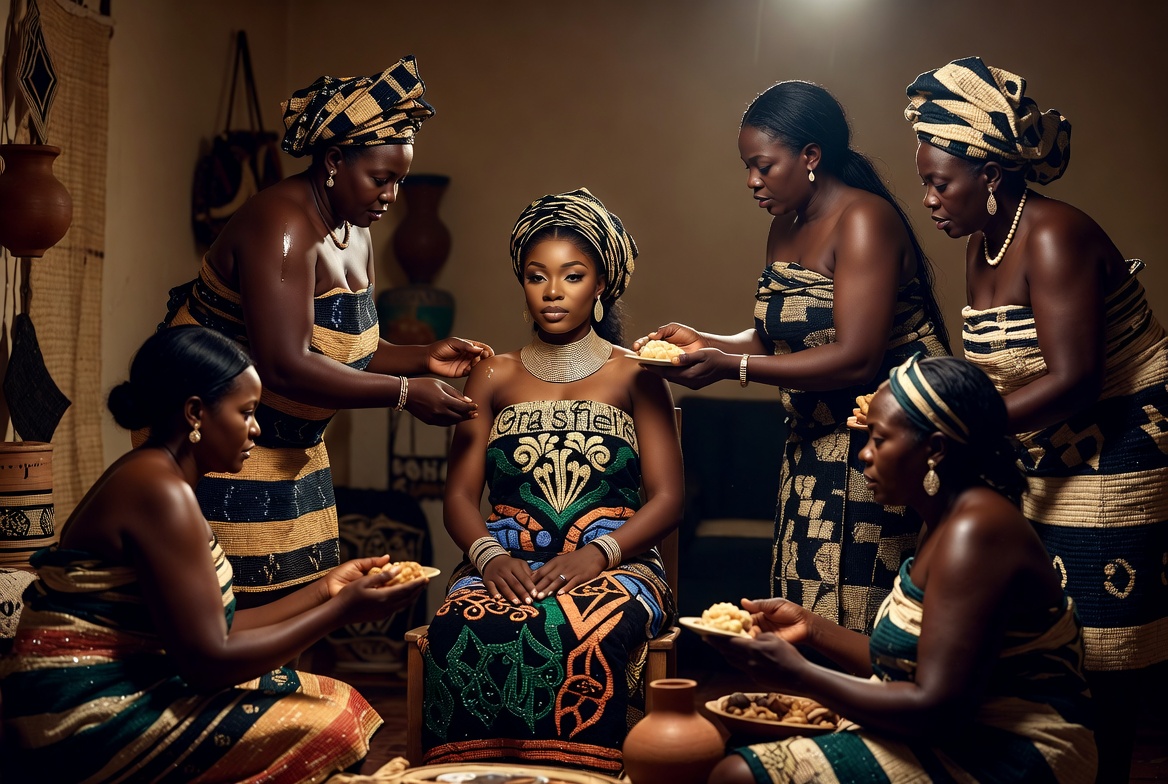
Preparation Period (Including “Fattening” the Bride) In the past, the bride would undergo a period of seclusion and special care (sometimes called fattening) to prepare her physically and spiritually for marriage. This involved special foods, oils, and teachings on marital roles. Modern practices are often shortened but still include counseling from elders.
The Wedding Ritual and Ceremony The main traditional wedding often takes place in the bride’s family compound (the “big compound”). Key elements include:
- Blessings by Elders: Prayers and advice for fertility, prosperity, and harmony.
- Public Recognition: The bride is formally handed over, and the groom’s family welcomes her.
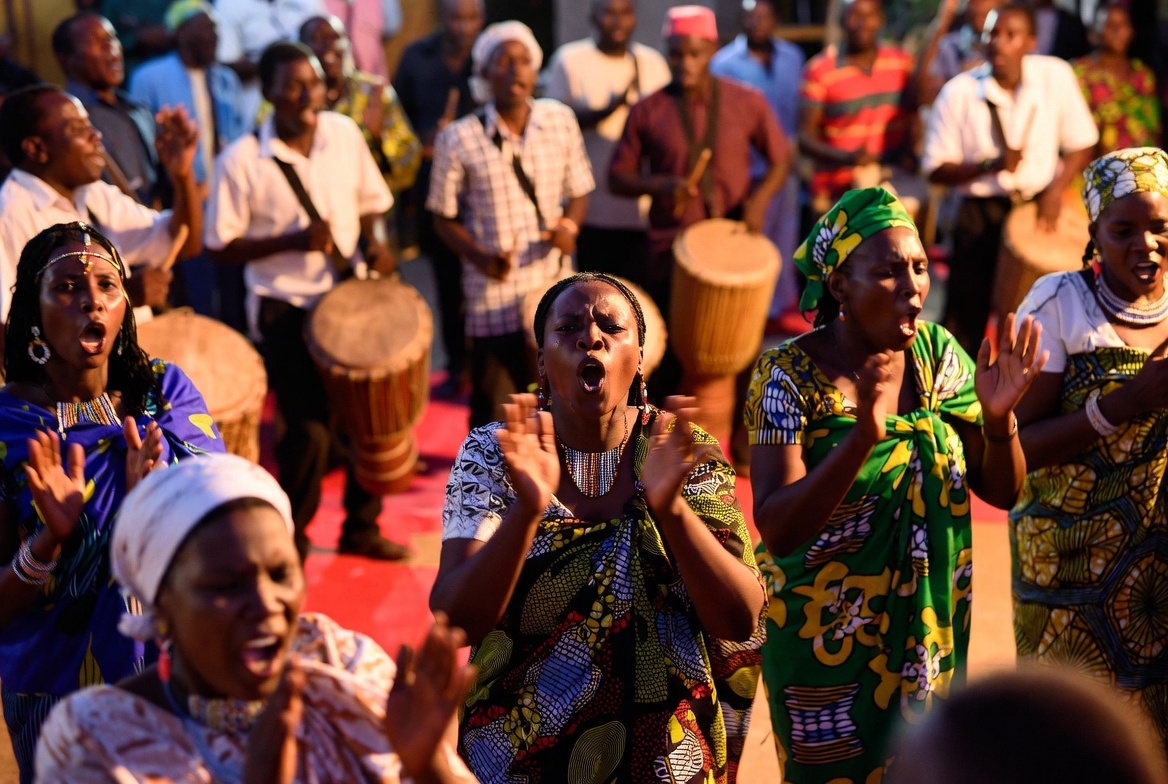
- Feasting and Celebration: Music, traditional dances, drumming, and communal eating (including dishes like Achu or other Grassfields staples).
Post-Wedding Customs The bride moves to the groom’s family. In some cases, there are ongoing obligations or visits. The marriage is seen as a lifelong communal bond.
Cultural Significance
- Marriage in Nso is viewed as a communal union for procreation, economic cooperation, and strengthening social ties.
- The Fon (paramount ruler) and traditional institutions like the Kwifor (regulatory society) play important roles, especially in notable or royal marriages.
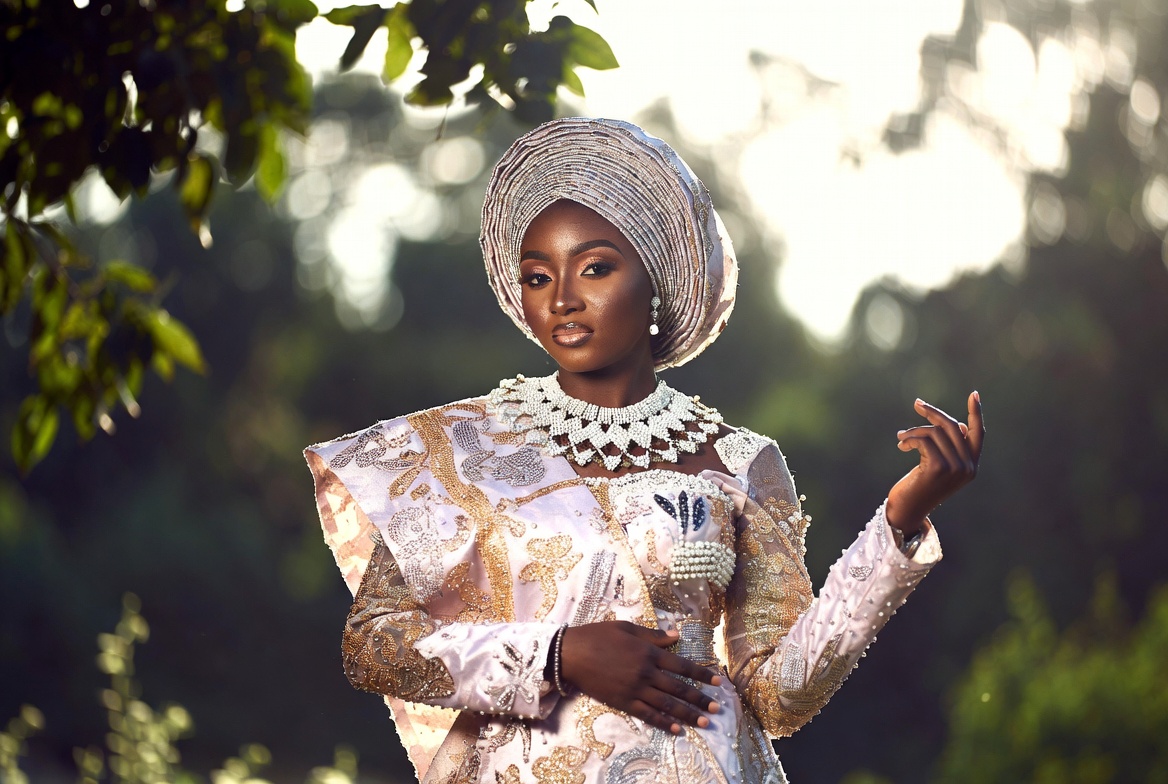
- Toghu (the iconic embroidered Grassfields velvet cloth) is the main traditional attire for both bride and groom during ceremonies.
Nso weddings blend solemn rituals (honoring ancestors) with vibrant celebration (music, dance, and feasting). While Christianity has influenced modern practices, many families still uphold the core traditional rites alongside church weddings.